
10 Reasons SMS RSVP Is a Game‑Changer for Community Fundraisers
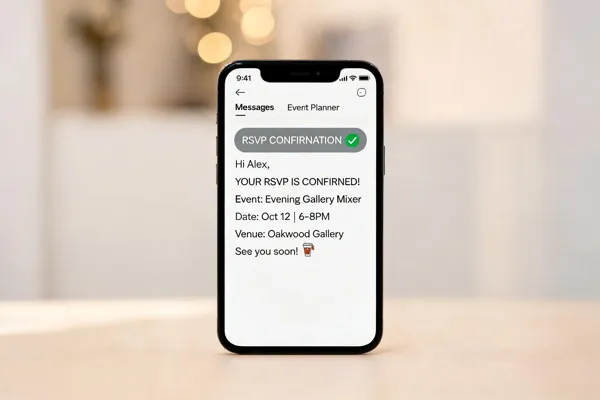
From Paper Cards to Pocket Responses: The SMS Shift
The High Cost of Low Turnout
You know the feeling. You plan a community fundraiser for months: the venue is booked, the food is ordered, the auction items are secured. Then the event arrives, and half the seats are empty. Tables that cost thousands to set up sit unused. The energy you counted on is gone.
The problem is not your cause. It's your communication. Your supporters are drowning in email. That beautifully crafted invitation you sent is sitting unread in a promotional folder. The paper RSVP card you mailed is on someone's fridge. It’s been there for weeks.
Meanwhile, you're left making frantic phone calls, updating spreadsheets manually, and praying people show up. This is the reality for too many nonprofits. But it does not have to be.
The Email and Paper Trap
Email is a ghost town. Open rates hover around 20%, and response rates sink to a paltry 2-4%. Paper mail is slower and less reliable. Both channels create friction. They push people toward long forms, forgotten links, and unanswered questions.
Traditional RSVP systems are broken. You are asking busy people to go out of their way, to remember a date, to find a stamp. They won't. And when they don't RSVP, you cannot plan, you cannot budget, and you cannot deliver the experience your supporters deserve.
The Mobile-First Reality
Your supporters do not live in their email inbox. They live on their phones. Every single day, they are texting friends, checking notifications, and responding in seconds. Text messaging is not just another channel. It is the channel where people actually pay attention.
Consider the numbers: 98% of text messages are opened. 90% are read within three minutes. The average response time is 90 seconds. Compare that to email's 90-minute average response time. Even the best email campaign cannot compete with the immediacy of a text message.
This is not theory. Nonprofits that send cultivation texts before a fundraising ask see a 54% increase in average gifts. Mobile messaging volume grew by 40% in 2023. Nonprofits saw a 37% increase in mobile revenue from 2023 to 2024. The shift is already happening.
How SMS Fixes the RSVP Problem
Texting RSVPs is not just faster. It fundamentally changes how you manage events. The friction is gone. Instead of clicking a link, filling out a form, and hunting for a confirmation, your supporter replies with a single word.
For example: "Reply YES to join us Saturday at 6 PM." That is it. The response arrives immediately. You know exactly who is coming and who is not. No more chasing people down. No more double entries.
This immediacy reshapes your entire event workflow:
Beyond the RSVP
SMS does more than collect a yes or no. It keeps your supporters engaged before, during, and after the event.
Before the event, you can send a teaser. "This Saturday brings a live band and our biggest auction yet. Can we count on you?" After they confirm, send logistics: where to park, what to bring, a map. On the day, a quick reminder. "Kickoff is at 6 PM. See you there!"
After the event, send a thank-you with a photo or a short video. Ask for feedback via a simple text reply. This keeps the connection alive and paves the way for your next event or donation ask.
This is not extra work. This is automated. Modern SMS platforms let you schedule these sequences in advance. Your team focuses on the event experience, not manual follow-ups.
The Promise of SMS RSVP
Switching to SMS RSVP is not just about getting more yeses. It is about changing the way your community interacts with your organization.
When a person texts back a simple "YES" to confirm attendance, they are giving you their attention. They are making a small commitment that makes them more likely to follow through. This builds a bridge to deeper engagement: donating, volunteering, becoming a monthly supporter.
Nonprofits that integrate SMS into their event strategy see tangible results. One organization using text-based RSVPs achieved a 95% attendance rate. Another reported saving over 10 hours of staff time per event. This is not just efficiency. This is freedom.
Making the Switch
Starting is easy. You need a nonprofit texting platform that supports keyword opt-ins, automated responses, and CRM integration. Collect opt-ins through your website, donation forms, or simply by asking supporters to text a keyword to a number. For example, "Text JOIN to 55555 to get event invites."
Segment your list to send targeted RSVP requests. First-time donors need a different message than your board members. Use personalization: "Hi Sarah, we would love to see you at our gala next Friday. Reply YES to secure your spot."
Keep messages short and clear. 160 characters or fewer is best. Always include an opt-out option like "Reply STOP to unsubscribe." This builds trust and keeps you compliant with TCPA regulations.
The Future is Here
The shift from paper cards and crowded email inboxes to pocket-sized SMS RSVPs is not a trend. It is the new standard. Your supporters are already living this mobile-first reality. It is time for your event planning to catch up.
Stop sending emails into the void. Stop guessing how many people will show up. Start using SMS to fill your seats, build community, and focus your energy on what matters: your mission. The RSVP is just the beginning. The real opportunity is the relationship that follows.|||Table: Traditional RSVP vs. SMS RSVP for Community Fundraisers
AspectTraditional RSVP (Email/Paper)SMS RSVPOpen Rate20-25%98%+Response TimeHours to days90 seconds averageResponse Rate2-6%45%+No-Show ImpactHigh (up to 50%?)30-40% reductionStaff WorkloadManual tracking, chasingAutomated replies and listsPersonalizationGeneric mass sendName-specific, targetedReal-Time FeedbackVery lowImmediate (YES/NO replies)Event Management IntegrationManual entry requiredSeamless CRM syncCost EffectivenessLow per message, high staff timeLow per message, low staff time
Key SMS Statistics for Nonprofits
1. Near-Perfect Open Rates Guarantee Your Message Is Seen
The 80/20 Rule: Is It Still Relevant for Nonprofits?
You've likely heard the old adage: at least 80% of every dollar should go directly to programs, with no more than 20% eaten up by administration and fundraising. Watchdogs like CharityWatch still quote it.
But here’s the problem. This rigid rule discourages nonprofits from investing in the very tools they need to survive—modern software, skilled staff, and essential compliance measures. Chasing an arbitrary ratio often leads organizations to underfund critical infrastructure, misclassify expenses, and ultimately harm their long-term mission.
Today, the smartest organizations are shifting focus from a simple percentage to outcome-based metrics like Social Return on Investment (SROI). The question is no longer "How little did we spend?" but "How much impact did we create?"
What Is the Best Text Messaging Service for Nonprofits?
If you're looking for a straightforward, pay-as-you-go bulk SMS provider, platforms like ClickSend offer affordable pricing and 24/7 support for basic fundraising and volunteer updates.
But here's where the story changes. For nonprofits where events are the engine of engagement—fundraising galas, community workshops, alumni gatherings—a one-size-fits-all solution falls short. You need a purpose-built tool.
That's where Evant comes in. Evant is designed specifically for nonprofits and educational organizations that live and breathe events. It integrates SMS RSVPs, automated check-ins, targeted messaging, and CRM synchronization into one seamless platform. Instead of copying and pasting from a texting app to a spreadsheet, your team gets real-time analytics, automatic follow-ups, and a 95% RSVP rate. The result? You save 10+ hours per event and actually see who's coming.
The Numbers Don't Lie: SMS Beats Email Every Time
If you've ever sent an email blast and watched it disappear into the void, you understand the frustration. Email open rates hover around 20%. Your carefully crafted invitation, your urgent reminder, your heartfelt thank-you—all could be sitting unread in a spam folder or a crowded inbox.
Now consider this: SMS has a 98–99% open rate. And 90% of text messages are read within three minutes of arrival. Not hours. Not days. Three minutes.
For your community fundraiser, this changes everything.
ChannelOpen RateRead WithinResponse TimeIdeal ForSMS98–99%3 minutes90 secondsUrgent asks, reminders, confirmationsEmail20–25%Hours to days90 minutesLong-form storytelling, newslettersSocial Media0.5–5%Algorithm-dependentVariesBroad awareness, visual content
Why This Matters for Your Community Fundraiser
Imagine you're organizing a gala. You send an invitation via email. Days pass. A few trickle in. Most never respond.
Now imagine sending that same invitation via text. Within minutes, replies come flooding in. Guests use a simple keyword like "RSVP" to confirm. No links to click. No forms to fill. It happens right there in their messaging app.
Here’s what that immediacy does for your event:
Nonprofits that send cultivation texts—warm, engaging messages before a fundraising ask—see a 54% increase in average gifts. The message itself is the relationship.
The Speed Advantage: 90 Seconds vs. 90 Minutes
Here’s a fact that should make you rethink your entire communication strategy. The average response time for a text is 90 seconds. For an email, it's 90 minutes.
That speed is a superpower for time-sensitive campaigns. On Giving Tuesday, organizations that used texting saw 84% higher conversion rates than those relying solely on email. A mid-day countdown text—"Only 3 hours left to double your impact!"—creates urgency that drives action in real time.
But Isn't Email Enough?
Email marketing alone is becoming less effective due to sheer information overload. Supporters are drowning in newsletters, promotional offers, and automated sequences. Your heartfelt message competes with a sale from a clothing brand.
SMS, on the other hand, feels intimate. It mimics the everyday way people communicate with friends and family. It's not seen as spam. It's seen as important.
This doesn't mean you replace email. You pair them. Use SMS for the time-sensitive nudge—"Check your inbox for our latest impact report!"—and let email carry the longer story. Organizations that integrate both channels see email open rates improve by 19% and click-through rates by 180%.
Practical Tips for a Winning SMS Strategy
To make the most of these near-perfect open rates, follow these simple rules:
The Bottom Line
Your supporters carry their phones everywhere. They check them constantly. If your message isn't reaching them there, you're leaving engagement and donations on the table.
SMS offers near-perfect open rates, instant reading, and a personal feel that no other channel can match. For your community fundraiser, that means higher attendance, faster responses, and deeper relationships. Start weaving SMS into your campaign journey early—not just as a last-minute reminder, but as the primary thread connecting your story to your supporters.
StatisticValueSMS Open Rate98–99%Read Within 3 Minutes90% of textsEmail Open Rate20–25%Average Text Response Time90 secondsAverage Email Response Time90 minutesNo-Show Reduction (with SMS reminders)30–40%Increase in Average Gifts (with cultivation texts)54%Higher Conversion Rate (Giving Tuesday)84% with SMS
2. Instant Responses Let You Finalize Plans Faster
Stop me if you’ve been here: You spent three weeks planning a fundraising gala. You sent out beautiful email invitations with detailed RSVP links. A week before the event, you have 40 confirmations out of 300 invites. You have no idea if 20 people are coming or 200. You order food for 100. Then 250 show up. Or worse: 15 show up, and you’re eating leftover salmon for a month.
That’s not planning. That’s gambling with your nonprofit’s budget. And you lose every time.
SMS changes this. It’s not just faster—it’s fundamentally different. While email invites disappear into inboxes, text messages demand attention. The average person texts back in 90 seconds. Emails? Ninety minutes. That’s not a typo. Ninety seconds versus ninety minutes. For a fundraiser, that means you know who’s coming now, not next week.
This speed matters. If an email RSVP deadline is Friday, most replies trickle in over days. Some never come. With SMS, you send an invitation, and within five minutes, over 90% of recipients have seen it. Responses flood in during that same window. You’re not waiting. You’re reacting.
Why 90 seconds beats 90 minutes every time
Think about the last time you planned an event. The hardest part isn’t the event itself—it’s the uncertainty. Will the room be full? Did I order enough chairs? Is the catering budget right?
With email, you’re guessing until the last minute. With SMS, you’re data-driven. Because supporters respond quickly, you get accurate headcounts early. That lets you:
For a community fundraiser, this is a huge win. You’re not wasting money on unused supplies. You’re not disappointing guests with cramped space. You’re running a tight ship.
One synagogue using text-based RSVPs reported a 95% attendance rate. That’s not luck—it’s a system. They knew exactly who was coming and planned accordingly.
Two-way messaging: a conversation, not a broadcast
Here’s the thing about email RSVPs: they’re one-way. You send an invite, someone clicks a link, you get a notification. If they have a question—"Can I bring a guest?" or "Is there wheelchair access?"—they might email you back. That email sits in your inbox for hours. You reply. They reply again. Days pass.
SMS is a two-way street. Supporters reply directly to your RSVP text. They ask questions. They confirm dietary restrictions. They tell you they’re bringing two friends. And you answer them in real time.
This isn’t just convenience—it’s engagement. When supporters can text you directly, they feel heard. They feel part of the process. And they’re more likely to show up because they had a personal interaction, not a form submission.
Nonprofits using two-way SMS see higher RSVP rates. People are more willing to commit when they can ask a quick question first. It removes friction. It builds trust.
Plus, it saves you time. Instead of chasing email replies or making phone calls, you handle everything in one channel. Your staff isn’t bouncing between platforms. They’re managing RSVPs from a single inbox.
Real-time adjustments change the game
Imagine this: You’re hosting a fundraising dinner for 100 people. Three days before the event, you send a text blast reminding guests to confirm. Within two hours, you have 85 confirmations. That’s great—but 15 people replied "no" or didn’t respond. You know immediately that you have extra seats. You open them up to your waitlist via another text. Within another hour, those seats are filled.
That’s not possible with email. By the time you realize you have space, the waitlist donors have already made other plans. With SMS, you close the loop fast.
This works for all kinds of logistics:
For smaller nonprofits, this is especially important. Every dollar saved on excess food or last-minute hires is a dollar that goes to your mission.
The data you get is gold
SMS platforms don’t just collect RSVPs—they track who opened, who clicked, and who didn’t respond. You get a clear picture of engagement. You can see which supporters are most active, which ones need a nudge, and which messages drive action.
This data feeds right into your CRM. Sync your SMS RSVPs with your donor database, and you’ll know:
Over time, you build a pattern. You learn that certain supporters always come to fall galas but skip summer events. You target them accordingly. You stop wasting invites on people who never show. Your RSVP rate climbs.
A nonprofit using text message RSVPs saw a 95% RSVP rate. That’s what precision does.
Why this matters for your bottom line
Here’s a simple equation: accurate headcounts = lower costs + higher revenue. When you know exactly how many people are coming, you don’t over-order. You don’t pay for empty tables. You don’t hire extra staff for an event that ends up half-empty.
On the revenue side, better planning means better experiences. Attendees who feel the event was well-managed are more likely to donate afterward. They’re more likely to come to your next event. They’re more likely to become recurring donors.
Organizations that use SMS RSVPs report a 54% increase in average gifts when they combine cultivation texts with fundraising asks. That’s not an accident. When you communicate efficiently, supporters respond efficiently. They trust you. They give more.
Start with one event
You don’t need to overhaul your entire communication strategy overnight. Start small. Use SMS RSVPs for your next community fundraiser. Send a text invitation two weeks out. Follow up with a reminder one week before. Send a final confirmation two days out.
Track the response rate. Track the no-show rate. Track how much easier it is to finalize your plan.
You’ll wonder why you ever did it any other way.
MetricSMS RSVPsEmail RSVPsAverage response time90 seconds90 minutesOpen rate98%20-28%Response rate (RSVP)Up to 95%6%No-show reduction30-40%MinimalReal-time two-way conversationYesNoAdjust logistics in real timeYesDifficult
3. Personalization Builds Deeper Supporter Loyalty
What are the 3 C's of fundraising, and how do they apply to nonprofits?
Before you can personalize effectively, you need to know who you're talking to—and why they should care. That's where the 3 C's come in: Commitment, Connection, and Capacity. Think of them as your donor relationship compass.
Commitment measures how invested someone already is. Have they attended your galas? Volunteered for a cleanup crew? That's a green light. Connection is the trust you've built—do they share your values? Are they opening your texts, not just skimming them? Finally, Capacity is about resources. It doesn't mean you should only ask rich folks for money, but it helps to know who can make that $500 pledge and who's scraping by on $20.
Too many nonprofits ignore the 3 C's. They blast the same generic "Give now!" message to everyone on their list. The result? Low engagement, high opt-outs, and a whole lot of wasted effort. When you apply the 3 C's, you stop spraying and praying. You start having real conversations with the right people. That's the foundation of personalization.
Why does SMS feel more intimate than email?
Let's be honest: email is the junk drawer of the internet. It's where coupons, spam, and newsletters go to die. But a text message? That's a tap on the shoulder. It's your phone buzzing in your pocket at 2 PM with something that feels like it was written just for you. That's because SMS, by its very nature, is intimate.
Think about who texts you: your mom, your best friend, maybe your boss on a good day. It's a private channel reserved for real conversations. When your nonprofit sends a text, you're stepping into that intimate space. People don't scroll past a text the way they do an email. They read it. And they act on it.
How does personalizing messages with names and history boost response rates?
Data from our sources shows a massive gap: personalized text messages see a 29% increase in engagement compared to generic blasts. But this isn't just about slapping a first name on a message. It's about showing you remember them.
Personalization TacticExampleWhy It WorksUsing recipient's first name"Hi Sarah, our animal shelter just rescued 10 kittens. Would you like to help?"It feels like a one-on-one interaction, not a robot broadcastReferencing past giving"Thanks for your $50 gift last year, Mike. Here's how those funds helped."Validates their past support and builds emotional connectionTailoring by event attendance"You loved our Spring Gala. First access to fall dinner tickets is live."Shows you track their behavior, making them feel valuedSegmenting by interest"Saw you volunteered for the river cleanup. We need your help again on May 15th."Speaks directly to their passion
When you use a donor's name and acknowledge their history, you're not just sending a text. You're saying, "I see you. I remember you. You matter to us." That feeling is priceless, especially for nonprofits competing for attention in a crowded inbox.
How can nonprofits make supporters feel valued through personalized SMS?
It's not enough to just say "Thanks"—you need to show the impact. Here's how a few smart nonprofits are doing it.
Show, don't tell. Send an SMS with a short video or a picture. One organization sent a photo of a water well their donors helped fund, alongside the caption: "Because of you, this village has clean water. Click here to see the full story." The donor felt like a hero, not just a wallet.
Use the element of surprise. Don't just send fundraising pitches. Send a "Happy Birthday!" text with a link to a cute video of a rescued dog, or a Thanksgiving wish that shows you're grateful for them, not just their money. These small gestures build connection.
Follow up after the gift. A donation isn't the end—it's the beginning. Send an immediate automated thank-you text with personalization ("Thanks, John, for your $75 gift. It will feed 15 families this month"). Then, a few weeks later, send a follow-up: "Because of you, we delivered 500 meals. Here's the proof." This closes the loop. The donor sees their impact in real-time.
How does this approach drive long-term loyalty?
Here's the kicker: cultivation texts before a fundraising ask increase average gifts by 54%. That's a huge number. It means donors don't just give more—they give more often. They become loyal.
When you use the 3 C's to identify prospects, then layer on personalized, emotionally intelligent SMS, you're building a relationship that lasts. Donors stop feeling like cash cows and start feeling like partners. They don't just donate—they advocate. They bring friends. They show up to your events.
Compare that to the generic ask: "Donate now!" which gets ignored or, worse, gets an opt-out. Over time, the personalized approach yields a 37% increase in mobile revenue year-over-year, according to recent benchmarks.
What is the secret to sustainable fundraising?
The secret isn't magic. It's using SMS not as a broadcast channel, but as a conversation starter. People don't want to be interrupted. They want to be included. When you personalize your texts, you invite them into your mission. You make them feel like they're part of something bigger than a transaction.
Take the time to segment your list by giving history, event attendance, or interest area. Use the 3 C's to decide who gets which message. Then, write texts that sound like a real person, not a fundraising robot. You'll see higher open rates, better conversion, and—most importantly—a community that sticks with you for years.
4. Rich Media Makes Invitations Irresistible
Richer Messages, Better Results
Texts once meant 160 characters of plain black-and-white words. Not anymore. With MMS (Multimedia Messaging Service) and the emerging RCS (Rich Communication Services) standard, nonprofits can send images, GIFs, short videos, and even interactive buttons right inside the message.
It makes a difference. 58% of nonprofit texts now include visual content, a number that keeps climbing. And for good reason—those rich messages get more attention and drive more action than plain text alone.
Visuals Create Emotional Pull
An invitation with a paragraph of text is forgettable. The same invite with a photo of a smiling volunteer, a child receiving school supplies, or a short video of a clean water well being completed creates an immediate emotional connection.
For events, this is a game changer. Instead of asking supporters to visualize why they should come, you show them. Consider using:
These don't require professional production. Even simple smartphone photos and videos feel authentic and personal, which resonates more with supporters than polished stock imagery.
Going Further with RCS Interactive Features
RCS takes rich media even further. For nonprofits, this means supporters can interact without leaving their messaging app:
Click-through rates on RCS messages can reach 36%—nearly triple the average SMS click rate of 10.5%. When a supporter taps a donation button inside the text, they complete the action without being redirected to a separate website, reducing friction that causes drop-offs.
Practical Applications for Events
Rich media isn't just about looking good; it drives tangible improvements in event attendance. Here are a few tested uses:
Use CaseExampleWhy It WorksTease high-value auction itemsSend a GIF of a signed jersey or a photo of a vacation packageBuilds excitement and exclusivity; supporters feel they'll miss out if they don't attendShare event maps and logisticsEmbed a PDF of the venue map or a photo of the entranceReduces anxiety about finding the location; increases attendance from first-time guestsShowcase impact storiesSend a 15-second video of a program beneficiary thanking attendeesCreates emotional connection; reminds supporters why they support the causeOffer VIP early accessSend a photo of a special seating area with text saying "You're invited to the exclusive pre-event reception"Makes invitees feel valued and special; increases RSVP rates
Avoid the Pitfall: Don't Let Rich Media Overwhelm
The goal is to enhance the invitation, not overload it. Keep file sizes under 300KB for MMS and videos within 15-30 seconds for maximum deliverability. If RCS isn't supported on all devices, always have a fallback to standard SMS with a link to the rich content.
One nonprofit using rich messages saw a 25% increase in donor conversions simply by removing the need to leave the messaging experience. For event attendance, that same principle applies: when supporters can see, feel, and interact with your invitation inside the text, they're far more likely to RSVP yes.
The result: Higher engagement, more emotional connection, and stronger turnout—all from a channel that fits in everyone's pocket.
5. Automated Reminders Slash No-Show Rates
What is the magic behind automated SMS reminders reducing no-shows?
Remember that time you RSVP’d to a fundraiser, then completely forgot about it until the next morning? You’re not alone. The problem isn’t disinterest—it’s information overload. Emails get buried, social media events get lost in the algorithm, and physical flyers end up on the fridge behind the takeout menu.
But a text message? That gets opened. 90% of texts are read within three minutes. This is why using automated SMS reminders can cut no-show rates by a staggering 30–40%. For a community fundraiser expecting 200 attendees, that’s potentially 60 to 80 extra people walking through the door.
Automation removes the manual guesswork. Instead of a staff member spending hours copying and pasting reminders from a spreadsheet, the system handles the entire sequence. This ensures no one falls through the cracks. The result? Higher attendance, better resource planning, and a lot less last-minute panic.
What does an automated SMS sequence for an event actually look like?
A well-designed sequence does the heavy lifting for you. It moves supporters from "maybe" to "definitely there" without them feeling overwhelmed. Here is a practical example of what that journey looks like:
Key steps in an automated SMS event sequence
How much staff time can automation actually save?
For a nonprofit with limited resources, time is the most valuable currency. A single event can require dozens of hours of manual communication: drafting emails, chasing down RSVPs, updating spreadsheets, and sending last-minute updates.
Automation changes this completely. By using an SMS platform like Evant, the entire sequence runs on autopilot. The result is a concrete savings of 10+ hours of staff time per event. That is a full shift—or a full day—that your team can reinvest into direct mission work, donor stewardship, or program development instead of administrative busywork.
This isn't just a nice perk; it is a strategic advantage. When your staff is freed from the grind of manual event logistics, they can focus on building authentic relationships and delivering a better experience for the community.
How does this fit into broader community engagement?
SMS isn't just about reminders. It is a tool that transforms how nonprofits connect with their supporters. By using automated sequences, you build a channel that is personal, responsive, and incredibly effective. Supporters feel seen and valued because they receive timely, relevant information directly on their phone.
This method works especially well for community fundraisers, where the goal is to build a loyal, engaged base over time. A supporter who receives a seamless, thoughtful event experience is much more likely to attend your next event, volunteer, or make a recurring donation.
The real secret is that automation doesn't remove the human touch—it amplifies it. It ensures every supporter gets the right message at the right time, without your team burning out.
FeatureManual ApproachAutomated SMS with EvantTime Investment10+ hours per event for coordination and remindersSet up once; sequence runs on autopilotNo-Show RateOften 30-40% or higher due to forgotten eventsReduced to under 5% with targeted, timed nudgesPersonalizationDifficult to scale; often generic group emailsDynamic fields for names, event times, and linksResponse SpeedDays for email replies; manual follow-up needed90% of texts read within 3 minutes; immediate actionImpact on StaffHigh burnout from repetitive manual tasksStaff freed to focus on mission and relationships
Evant helps organizations like yours turn a common frustration into a reliable engine for attendance and community growth. The magic isn't complicated—it's simply using the right tool for the job. Stop chasing RSVPs and start building a community that shows up.
6. Segmentation Ensures the Right People Get the Right Message
When a nonprofit reaches out by text, the raw power of a 98‑99% open rate can feel like a magic bullet. Yet that power quickly evaporates if the message lands in the hands of the wrong supporter. Segmentation—splitting your contact list into meaningful, data‑driven groups—turns a blanket broadcast into a conversation that feels personal, relevant, and urgent. Below we break down the most effective ways to segment your SMS audience, how to craft targeted invitations that drive RSVP rates, and the trade‑offs you need to keep in mind when you choose SMS as a primary communication channel.
Donor data is a treasure trove for text marketers. By pulling the last donation date, amount, and frequency from your CRM, you can create at least three core buckets: recent one‑time donors, recurring monthly supporters, and lapsed donors who haven’t given in 12‑plus months. Recent donors respond best to “thank‑you + impact” messages that reinforce their good feeling and invite them to deepen involvement. Recurring donors, who already trust your stewardship, are perfect candidates for VIP‑only event previews or early‑bird ticket offers. Lapsed donors, on the other hand, need a gentle nudge—perhaps a short story of a recent success paired with a low‑friction “Reply YES to give $5 now” call‑to‑action (CTA). By aligning the tone and ask with each donor’s giving stage, you raise conversion rates and keep opt‑out churn low.
Your event management platform (or a simple spreadsheet) can tell you who attended last year’s gala, who signed up for volunteer shifts, and who only opened the invitation but never responded. Those who attended before are statistically more likely to RSVP again, especially if you remind them of the specific role they played—"You helped serve 150 meals at our Spring Food Drive; would you join us again?" Volunteers who haven’t yet attended an event can be nudged with a “First‑time volunteer? Text YES for a quick onboarding video.” By using past behavior as a predictor, you avoid bombarding disengaged contacts with irrelevant asks, which is a common cause of opt‑outs.
Nonprofits that operate regionally—whether it’s a community garden, a neighborhood clean‑up, or a city‑wide fundraiser—should slice their list by zip code, city, or even school district. A text that says, "Your block’s park cleanup is this Saturday—join your neighbors!" feels far more compelling than a generic city‑wide broadcast. Geographic segmentation also lets you attach location‑specific links, such as Google Maps directions or a QR code for a nearby donation box, reducing friction and increasing the likelihood of a quick RSVP or donation.
If you’ve surveyed supporters or tracked click‑throughs on previous campaigns, you probably know which causes resonate most with which donors—environment, animal welfare, education, or health. Use those interest tags to send “ you‑match” texts: "Our new animal shelter wing opens next month—text SHOW ME VIDEO to see the behind‑the‑scenes footage." When supporters see a message that aligns with a passion they’ve already expressed, they are more inclined to engage, share, or donate.
A VIP segment—often the top 5‑10 % of donors by lifetime value—deserves a premium experience. Send them a short, personalized preview of an upcoming fundraiser: "Hi [First Name], as a thank‑you for your $1,000 gift, you’re invited to a private preview of our new community center. Reply YES to reserve your spot." Because the CTA is exclusive and time‑bound, the response rate spikes. Meanwhile, the broader audience receives a simpler, open invitation: "Join us for the annual gala—text RSVP to 12345." The dual‑track approach maximizes overall attendance while preserving the sense of privilege for top supporters.
When a text feels like a personal note, supporters are far less likely to hit “STOP.” Data from Tatango shows that cultivation texts sent before a fundraising ask boost average gifts by 54 %. The same principle applies to RSVPs: a text that references a supporter’s previous involvement (“You helped us plant 200 trees last spring—ready for round 2?”) yields a 30‑40 % higher RSVP rate than a generic “Don’t miss our event!” By keeping each message tightly scoped to the recipient’s history, you protect the channel’s reputation and keep the inbox uncluttered.
Disadvantages:
Balancing these pros and cons means using SMS as a VIP channel—delivering high‑value, time‑sensitive content—while pairing it with email, social media, and direct mail for longer narratives and visual storytelling.
8. Practical Workflow for Segmented SMS Campaigns
9. Real‑World Example: A Community Food Drive
SMS should not exist in a vacuum. Use it to
11. Compliance Checklist
Segmentation transforms SMS from a blunt instrument into a precision tool. By aligning each text with a supporter’s giving history, event attendance, location, and interests, you boost relevance, increase RSVP conversion, and protect your list from fatigue. The advantages—instant delivery, sky‑high open rates, and low cost—outweigh the disadvantages when you respect the channel’s limits and pair it with richer media in email or web. For nonprofits looking to maximize event turnout, volunteer engagement, and donor loyalty, a well‑segmented SMS strategy isn’t just a best practice—it’s a competitive necessity.
7. Real-Time Two-Way Conversations Boost Trust and Clarity
What is the difference between RSVP and attendance tracking for events?
Before diving into the mechanics of conversation, it's useful to clarify two related but distinct metrics.
An RSVP indicates a person's intent to attend an event. It is a self-reported forecast, often gathered through text replies, online forms, or email responses. It tells your organization who plans to show up, which is crucial for logistics like catering, seating, and materials.
Attendance tracking, on the other hand, is the confirmation of who actually showed up. This is usually done afterward—either automatically via activity logs (like check-in apps or sign-in sheets) or manually by event staff. This metric reveals the real-world outcome of your engagement efforts.
For example, a nonprofit might receive 150 RSVPs, but only 100 people walk through the door. That 50-person gap isn’t an RSVP problem; it’s an attendance problem. RSVPs provide a forecast of expected participation, whereas attendance tracking reveals who actually engaged. By separating intent from reality, your organization can identify gaps between sign-ups and turnout, then adjust outreach or event logistics accordingly. Tracking both metrics allows nonprofits to measure engagement more precisely and refine their communication strategies for better community involvement.
Supporters Can Reply to RSVP Texts with Questions, Dietary Needs, or Requests
A simple text saying "Reply YES to confirm" is a start, but it’s a one-way street. Real engagement happens when supporters can reply with a question, a dietary restriction, or a request for more information—and get a human answer back in real time.
Two-way messaging in SMS turns a broadcast channel into a dialogue. When a supporter receives an RSVP invitation, they can reply directly instead of navigating to a separate form or making a phone call. For example:
These are not edge cases. They are the everyday friction points that prevent people from confirming or cause them to drop out. By enabling two-way SMS, your organization removes the need for a separate email chain or a phone tag situation. The question is answered instantly, the concern is resolved, and the RSVP is confirmed—all within the same text thread.
Platforms like Evant and SimpleTexting make this possible by connecting replies to a shared inbox that staff can monitor and respond to. This is not an automated chatbot experience; it’s a real human conversation that builds trust.
Staff Can Respond Personally from a Shared Inbox, Building Trust
The best way to make supporters feel valued is to show them that a real person is listening. Two-way SMS platforms allow multiple staff members to access a single inbox, ensuring that no reply goes unanswered. This is especially important for nonprofits with limited volunteer bandwidth.
Consider a scenario where a donor texts back with a question about event timing. If they receive an automated “Thanks for your reply” message, it feels impersonal. But if a staff member responds with a specific answer—“The event runs from 11 AM to 2 PM, and we’ll have a lunch break at 12:30”—that creates a moment of genuine connection.
Personalized, human responses increase engagement. When supporters know they can reach a real person quickly, they are more likely to ask questions, provide feedback, and ultimately show up. This is not just about logistics; it is about relationship building. A quick, helpful reply can turn a one-time event attendee into a long-term donor or volunteer.
Additionally, platforms like TextBolt and Evant allow you to send personalized messages that include the recipient’s name, past attendance history, or specific interests. This level of personalization, combined with real-time human interaction, makes SMS feel like a conversation rather than a broadcast.
Two-Way Messaging Makes Communication Feel Like a Conversation, Not a Broadcast
The shift from broadcast to conversation is the core advantage of two-way SMS. Traditional email newsletters or mass texting campaigns send information to supporters. Two-way messaging invites supporters to communicate with your organization.
A broadcast message might say: "Join us for our annual gala on Saturday. RSVP here." This is fine, but it does not build trust. A conversational approach looks like this:
This back-and-forth is not just efficient; it is memorable. The supporter now associates your organization with responsiveness and care.
Peer-to-peer (P2P) texting takes this further by enabling dozens of staff or volunteers to have simultaneous one-on-one conversations. This is different from mass texting, which sends the same message to everyone. With P2P, each interaction feels personal, which increases response rates and deepens engagement.
According to the Tatango blog, organizations that send cultivation texts before a fundraising text see a 54% increase in average gifts. This principle applies to events too: a brief, conversational check-in before an RSVP request makes the eventual ask feel less like a transaction and more like a continuation of an ongoing relationship.
How to Implement Two-Way SMS for Your Next Event
If you want to move from broadcasting to conversing, here is a practical starting point:
By treating SMS as a two-way street, your nonprofit will not just see higher RSVP rates—you will see stronger, more trusting relationships with your community.
FeatureBroadcast SMSTwo-Way SMSWhy It MattersCommunication styleOne-way announcementInteractive dialogueBuilds trust and engagementResponse handlingAutomated onlyHuman replies from shared inboxResolves questions instantlyPersonalizationGenericNames, past history, preferencesIncreases response ratesUser experiencePassive readingActive participationMakes supporters feel valuedBest forUrgent alerts, deadline remindersRSVPs, Q&A, feedback collectionDrives attendance and loyaltyCost efficiencyLow cost per messageSlightly higher but higher ROIReturns more engaged supportersComplianceOpt-out requiredOpt-in + opt-out requiredBuilds trust and avoids penalties
8. Seamless CRM Integration Eliminates Data Entry Headaches
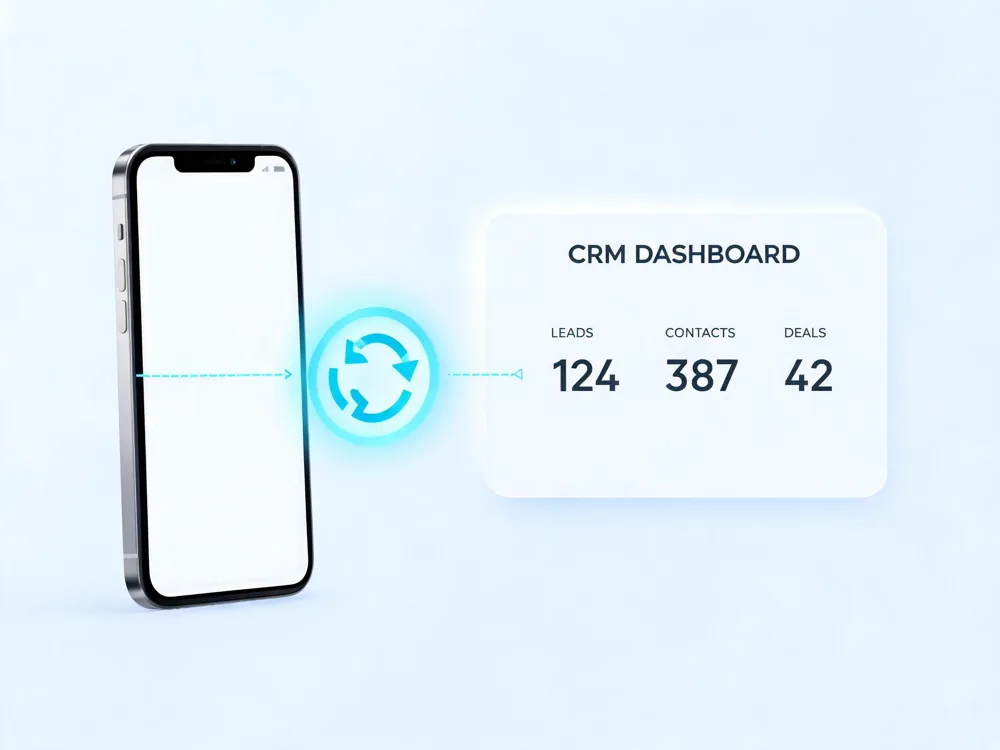
For years, event management has meant one thing after a successful fundraiser: manually exporting CSV files, or worse, copying and pasting names from a list into a spreadsheet. This process is slow, error-prone, and often leaves staff with low-quality data after the event buzz wears off.
Why Manual Data Entry Is Killing Your Engagement Strategy
When RSVPs, attendance confirmations, and even post-event feedback have to be manually typed into a database, the likelihood of errors skyrockets. Supporters might change their email address, a donor's giving history might get mislinked to the wrong contact, or a new volunteer's phone number might be lost entirely. These small mistakes compound over time, leading to untargeted outreach. You might send a volunteer recruitment text to a major donor who has never volunteered, or worse, miss sending a follow-up to a first-time attendee who could become a recurring supporter. The friction of manual entry also eats up hours of staff time that could be spent on relationship-building. An event coordinator spending 10 hours after a gala just to update records is 10 hours not spent nurturing those new connections.
Real-Time Sync Means No More 'Did They RSVP?'
The core benefit of integrating SMS RSVP with your CRM is that data moves instantly. When a supporter texts a keyword like 'GALA' to your dedicated number, the platform automatically checks your CRM to see if they are a known contact.
This real-time pipeline eliminates the need for double-entry. No more wondering if a person who signed up on a paper form at a booth actually got added to your list. The data is cleaner, more complete, and instantly actionable.
Turning Event Data into a Donor Stewardship Goldmine
Accurate, synced data is not just about reducing errors—it is the fuel for smarter donor stewardship. With a clear picture of who attended your events and how they responded to your texts, your team can make highly targeted decisions.
Data PointHow It's Collected with CRM-Integrated SMS RSVPHow It Improves Future TargetingRSVP Response TimeThe platform logs the exact second the supporter texted their RSVP.You can segment supporters by urgency: quick responders can be sent early bird offers for future events while slower responders might need additional reminders.Attendance StatusCheck-in data from the event syncs back to the CRM in real time.You can follow up with attendees and separate those who registered but did not show, allowing you to send a re-engagement text asking if they faced any issues.Question/Feedback TextIf a supporter replies to your RSVP text with a question, the conversation is logged to their record.You can see the specific concerns raised and personalize future communications, like addressing dietary restrictions for the next gala.Click-through on LinksWhen a supporter clicks a link in your text (to a donation page or event agenda), the action is tracked.You can identify attendees who are interested in specific aspects of your event and invite them to related future programming or volunteer opportunities.
This level of detailed tracking, all automated, allows for true lifecycle marketing.
Automating the Thank You and the Ask
A clean, integrated CRM system opens the door for sophisticated automation sequences. Once a supporter RSVPs and their data is captured, your team can set up a triggered series of messages without any extra effort.
Practical Tips for Nonprofits Setting Up the Integration
For this to work seamlessly, nonprofits need to build their SMS strategy around the data they already have. First, ensure your contact data in the CRM is clean—deduplicate records and check for valid phone numbers and proper opt-in consent. When choosing an SMS platform, verify that it offers a direct integration with your CRM (like Salesforce, Blackbaud, or Neon CRM) that supports bi-directional sync. Test the integration with a small, low-stakes event to ensure the data flows correctly before launching the big gala. Finally, train your team on how to use the platform's dashboard to view RSVP counts and engagement metrics in real time, so they can pull reports instantly without needing to run a manual query. This upfront investment pays massive dividends by turning event management from a data headache into a relationship-building machine.
9. Cost-Effective and Scalable for Any Size Organization
Why SMS is the Most Cost-Effective Channel for Nonprofits
Let's be honest: every dollar you save on overhead is a dollar you can put toward your mission. That's why SMS is such a game-changer. The cost per message is mere pennies—often under a cent when sent in bulk. Compare that to the price of a direct mail stamp, a long-distance phone call, or the hours it takes a staff member to manually follow up with every supporter. SMS eliminates all that friction.
Even better, supporters don't need to download anything. They don't need a smartphone app, a special account, or an internet connection. The message lands directly on their phone, and they can act on it in seconds. This universal accessibility is why 98% of Americans can be reached via text, and why so many nonprofits are switching from high-cost traditional outreach to SMS.
Discounts and Savings for Nonprofits
Many SMS platforms recognize that nonprofits operate on tight budgets and offer special pricing. For example, SimpleTexting provides a 15% discount for 501(c)(3) organizations. Others offer flat-rate plans or pay-as-you-go models, so you never pay for more than you use. This makes SMS not just affordable, but often the best return on investment of any marketing channel.
Just look at the numbers:
MetricSMSEmailOpen Rate98%20-25%Average Response Time90 seconds90 minutesConversion Rate21-30%2-3%Average Cost Per Message$0.007 - $0.02Free (platform costs)
When every interaction counts, paying a penny to have a 98% chance of being read is a deal you can't ignore.
From Small Gatherings to Large Galas: Pay-as-You-Grow
Whether you're a small local food bank organizing a bake sale or a large university planning a reunion for 10,000 alumni, SMS scales perfectly. Platforms like Evant, Infobip, and Tatango offer tiered pricing that grows with you. You might start with a $29/month plan for your community fundraiser, and as your list grows, you move to a plan that fits. There's no long-term commitment required with most services, and you can cancel anytime.
This elasticity is crucial. For a single event, you don't need an enterprise contract. For a year-end campaign when you're sending dozens of times more messages, you simply adjust your plan. It's that flexible.
What Can You Say to Encourage Donations?
The most effective ask starts with gratitude. Don't lead with 'Donate now.' Lead with 'Thank you for being part of our mission.' Then, share a specific story of one person your nonprofit helped—stories motivate more than statistics. Connect the ask to the donor's values: 'I know you care about education, so your gift can fund a scholarship.' Make it easy: provide a direct donation link that works perfectly on mobile. Finally, close with a gentle nudge: 'We're 90% to our goal—would you help us cross the finish line?' This human-first approach, delivered via the intimate channel of SMS, consistently outperforms email-based appeals.
Actionable Tips for Getting Started
In a world where budgets are tight and attention is scarce, SMS offers a lifeline. It's cheap, immediate, and deeply personal. The only question left is: why haven't you started yet?
FeatureBenefit for NonprofitsCost per messagePennies per message; often under $0.01 in bulkNonprofit discountsUp to 15% off standard pricing (e.g., SimpleTexting)ScalabilityPay-as-you-grow; no long-term contracts requiredDevice compatibilityWorks on all phones; no app or internet neededSetup timeUnder 30 minutes; integrates with CRM instantlyROIAverage 500% ROI reported by organizations like Tatango
This table summarizes why SMS is the most practical, affordable choice for any nonprofit, from a small community group to a national fundraiser.
10. Actionable Analytics Help You Improve Every Event
Track the Metrics That Actually Matter
With SMS, you don’t have to guess what works. Every message generates a data trail. Open rates give you the first signal: did people even see your invitation or reminder?
But the real gold is in the click-through rate. In 2024, mobile fundraising messages averaged a 2.8% CTR—a 25% jump from the year before. For event RSVPs, the numbers are even stronger because the call to action is a direct, low-friction ask.
You can also track RSVP conversions (how many people actually confirmed after clicking), and response times. SMS gets read within 90 seconds on average, but the exact timing matters for different audience segments.
For instance, supporters who RSVP within 5 minutes of receiving a text are your most engaged group. Those who wait a day may need a follow-up nudge. Without data, you're flying blind. With data, you know exactly who to target and when.
Use Data to Refine Timing, Segmenting, and Content
Raw numbers are useless without action. Here’s how to turn analytics into better turnout for your next event:
Adjust your send times. If your data shows that engagement peaks at 12:30 PM on weekdays, stop sending texts at 8 AM. Best practice is to send between 10 AM and 2 PM or 5 PM to 7 PM in the recipient's local time zone. One-size-fits-all timing kills response rates.
Segment by past behavior. A first-time donor and a long-time volunteer should not get the same text. Use your CRM data to split your list by giving history, event attendance, or engagement score. Then, craft separate messages. A lapsed attendee might need a teaser about new activities or a personal note from an event organizer. An active supporter might just need a quick reminder.
Test your content. A/B test two versions of your RSVP invitation. Does a text with an emoji get more clicks? Does mentioning a keynote speaker boost conversions? Small tweaks—like swapping the word “register” for “reserve your spot”—can lift response rates by 10-15%. Track, tweak, and repeat.
Real-Time Dashboards Let You Fix Mid-Campaign
One of the biggest advantages of SMS is the ability to see engagement in real time. After sending an event invitation, you can watch the RSVPs roll in within minutes.
If numbers are flat after two hours, you can pivot immediately. Maybe the link is broken. Maybe your keyword didn’t trigger properly. Or maybe the message was too vague. Instead of waiting a week for survey results to trickle in, you can send a clarifying text the same day.
For example, some platforms offer a dashboard showing recent sign-ups, messages delivered, and RSVP counts in near real-time. This allows event coordinators to adjust messaging mid-campaign—perhaps switching from a generic reminder to an urgency-based text like “Only 3 hours left to claim your spot.”
Real-time adjustments also prevent waste. If your event is oversubscribed, you can send a waitlist message instead of continuing to push the RSVP link. If attendance looks low, you might add a personal touch: “Hey [Name], we noticed you haven’t RSVP’d yet. Can we count you in?”
Why Accurate RSVPs Matter for Nonprofit Events
Nonprofit events run on tight budgets. Over-catering for a gala can mean wasted funds that could have gone to the mission. Underestimating attendance can leave donors standing, create a poor guest experience, and hurt future event turnout.
RSVPs solve this. With actionable analytics, you get precise attendee counts. You can plan seating, catering, and material handouts based on confirmed numbers—not guesses.
Large-scale events like fundraising galas benefit most. A 90% RSVP rate means you can confidently order for that many. No more last-minute scrambles to buy extra food or scramble for extra chairs.
And the data doesn’t stop at the event. Post-event follow-ups tied to SMS analytics show you which messages drove donations or volunteer sign-ups. That feedback loop improves every subsequent campaign.
Actionable Analytics: The Table Summary
Here’s a quick reference of what to track and how to act on the data:
MetricWhat It Tells YouHow to ActOpen RateWas the subject line/text content compelling?Test shorter messages, add personalization (first name), adjust send time.Click-Through Rate (CTR)Did the call to action drive action?Simplify the link, use a stronger CTA (e.g., “RSVP Now” vs. “Learn More”).RSVP Conversion RateOf those who clicked, how many confirmed?Ensure the landing page loads fast and is mobile-optimized. Reduce fields.Response TimeHow quickly did people engage?Segment by response time; send follow-ups to slow responders.Opt-Out RateAre you messaging too often?Reduce frequency to 2-4 texts/month. Ensure content stays relevant.Reply Rate (two-way)Are people asking questions?Monitor replies; assign staff to answer quickly to build trust.
Each metric feeds into the next. High open rates but low clicks? Fix the link or the CTA. High clicks but low RSVPs? Fix the landing page. This loop turns raw numbers into smarter strategy.
Real Examples from the Field
Nonprofits using SMS analytics have seen dramatic improvements. One alumni organization using a text-based RSVP platform achieved a 95% attendance rate—not just RSVPs, but actual turnout—by tracking and refining their message sequences.
Another nonprofit found that sending a cultivation text (a warm, non-ask message) before a fundraising text boosted average gifts by 54%. That insight came from tracking response patterns over multiple campaigns.
And on Giving Tuesday, organizations that integrated SMS with analytics saw 84% higher conversion rates than those relying only on email. That’s not an accident. It’s data-driven strategy.
The Bottom Line
Analytics turn SMS from a broadcast tool into a precision instrument. You stop guessing and start knowing. You stop sending the same message to everyone and tailor it to each supporter’s behavior.
For community fundraisers, church events, or alumni gatherings, this means higher turnout, lower waste, and deeper engagement. The best part? Most modern SMS platforms come with built-in dashboards that require no technical expertise.
Track. Refine. Test. Repeat. That’s how you stop losing people to inbox overload and start building events people actually show up to.
How to Encourage Donations: Tips for Your Next SMS Appeal
Start With Gratitude, Not with an Ask
The most effective SMS donation appeals begin with a simple, genuine 'thank you.' Before you ask for a gift, express appreciation for the supporter's past involvement. This builds goodwill and emotional connection. For example, open with: "Thank you for being part of our mission. Because of you, we just served 200 meals last week." This sets a positive tone and reminds the donor of their existing impact. Follow this immediately with a specific story about one person your nonprofit has helped. A narrative about an individual—like a student who received a scholarship or a family who found shelter—motivates far more than dry statistics. Stories create empathy and make your cause tangible. Next, connect the ask directly to the donor's personal values. Use segmentation to tailor your message: "I know you care deeply about education. Your gift can fund a full semester for one student." This personalized approach makes the donor feel seen and understood, increasing the likelihood of a positive response.
Make It Easy: Provide a Direct Link and a Gentle Nudge
Once you've built the emotional case, remove all friction from the giving process. Provide a single, short, mobile-friendly link that takes supporters directly to a donation page. Make sure the page loads quickly and offers easy payment options like credit card or digital wallet. Keep your SMS under 160 characters if possible. A clear call to action is crucial: "Just click here to give in under a minute." After the initial ask, don't stop there. A follow-up text—a gentle nudge—can dramatically increase conversion. For example, send a message a few days later: "We're 90% to our goal—would you help us cross the finish line?" This creates a sense of urgency without being pushy. Nonprofit data shows that organizations sending at least one follow-up text see significantly higher conversion rates. The key is to make the follow-up feel like a friendly reminder, not a second demand. Always include opt-out information (e.g., "Reply STOP to unsubscribe") to maintain trust and comply with regulations.
Use SMS Alongside Email and Social Media for a Multi-Channel Boost
SMS is most powerful when integrated into a broader communication strategy, not used in isolation. Email and social media each have unique strengths—email for longer stories and detailed updates, social media for visuals and community conversation—but SMS is the fastest, most personal channel. Use SMS to tease a campaign you're running on email or social media. For example, send a text: "Check your inbox—we just sent a story about Maria, a scholarship recipient. Your gift will make stories like hers possible." Alternatively, promote a social media challenge via text: "We're matching gifts on Facebook today. Give now and your donation is doubled!" This cross-channel approach ensures that your message catches supporters wherever they are. Data from the Constant Contact integration with DonorPerfect shows that users who combine SMS with email see a 19% increase in email open rates and a 180% increase in click-through rates. The immediacy of SMS drives action, while email provides the depth, and social media offers the viral potential. Together, they create a powerful ecosystem that boosts overall response rates and fundraising revenue.
Segment and Personalize for Maximum Impact
A generic blast to your entire list will underperform. Use your CRM to segment supporters into groups such as first-time donors, monthly givers, lapsed donors, and event attendees. Tailor your message to each segment. For lapsed donors, re-engagement texts work best when they sound personal: "We miss you! Here's a quick update on what your previous support helped achieve." For monthly givers, acknowledge their recurring commitment: "Thank you again for your monthly gift. We're excited to share this story of impact made possible by donors like you." Personalization—using the donor's first name and referencing their specific past giving—improves click-through and response rates by as much as 29%. This makes every text feel like a one-on-one conversation rather than a broadcast. Nonprofits that sent cultivation texts before a fundraising text saw a 54% increase in average gifts. Take the time to craft messages that resonate with each group, and you'll see a significant return on your effort.
Set Up Triggered and Automated Messages
Automation is a game-changer for resource-constrained nonprofits. Set up triggered messages for specific actions: send an automatic thank-you when someone donates; trigger a follow-up to people who clicked a link but didn't complete their gift; create a welcome series for new text subscribers. For example, after a donation, an automated text can say: "Thank you for your $50 gift! Your impact: 10 meals provided. We'll keep you updated on our progress." This immediate acknowledgment makes donors feel valued and reduces donor anxiety. Automated sequences can also be used for pledge reminders—a short text the day before a pledge is due reduces default rates significantly. The average nonprofit sends about 3.8 texts per month, and 58% include multimedia like pictures or videos. Use these features to your advantage, but always keep messages brief and focused. Automation frees up staff time while ensuring consistent, timely communication that nurtures donor relationships and boosts recurring donations.
Best Practices for Timing and Frequency
Timing matters. Send donation appeals between 10 a.m. and 6 p.m. in the recipient's local time zone. Avoid early mornings and late evenings. The best performance comes from mid-day (12–2 PM) and early evening (5–7 PM). For time-sensitive campaigns like Giving Tuesday, send a sequence: an early morning text (7–8 AM), a midday update (12–1 PM), and a final evening push (6–8 PM) mentioning the deadline clearly. Limit overall frequency to 2–4 texts per month for non-time-sensitive campaigns to avoid message fatigue. Most supporters appreciate this cadence, and it maintains a high level of engagement without overwhelming them. Always include an opt-out option in every message to comply with TCPA regulations and build trust. A well-timed, moderate-frequency SMS program keeps your nonprofit top-of-mind without burning out your supporters.
Example SMS Donation Appeal Sequence
StepActionExample Text1Cultivation (build connection)"Hi Sarah, thanks for being part of our mission! Because of you, Maria got a scholarship. Story here: [link]"2Urgent Ask (create scarcity)"We're 90% to our goal by midnight. Will you help us cross the finish line? Give here: [link]"3Follow-up Nudge (gently remind)"Just a friendly nudge—we're almost there! Your gift of any amount pushes us closer. [link]"4Thank You (show impact)"Thank you! Your $25 gift provides 5 meals. We'll share photos next week. Thanks again!"
Event Sponsorships: Unlocking New Partnerships via SMS
How can nonprofits get sponsors for their events? Start by reviewing your contact lists and donor database.
Finding the right sponsor is like finding a good partner—it starts with knowing who you already know. Your first step is to dig into existing contact lists from past events and your donor database. These sources often contain individuals or businesses that already believe in your cause, making them the perfect starting point for sponsorship conversations. A warm lead from a previous gala attendee is far more potent than a cold email to a stranger.
Move beyond the obvious. Research companies that align with your mission.
Don't limit yourself to your immediate circle. Proactively research companies and local businesses whose values and customer base align with your nonprofit's mission. A company that markets itself as environmentally conscious is a natural partner for a conservation-focused fundraising walk. Your search should include networking contacts, community partners, and even your own vendors—the catering company that always supports your annual dinner might be willing to become a more formal sponsor.
Create a compelling sponsor pack that highlights mutual benefits.
Once you have a list of prospects, you need something to show them. A sponsor pack should be a clear, professional document or digital presentation. It must move past just asking for money. Highlight the mutual benefits: what brand exposure can you offer? Will their logo appear on your event website, in promotional emails, and on signage at the event itself? More importantly, how can their sponsorship create tangible community impact? Sponsors are not just writing a check; they are investing in a partnership that makes them look good by association while supporting a cause they care about.
Use SMS to invite sponsors to events and build the relationship.
After you've identified a potential sponsor and sent your pack, the outreach needs to feel personal and immediate. This is where SMS becomes your secret weapon. An email invitation to an exclusive sponsorship preview or annual gala can sit in an inbox for days. A text message, however, gets read within minutes. Use SMS to send a brief, personal invitation to a key potential sponsor. Something simple like:
"Hi [Name], we'd love to have you as a VIP guest at our upcoming fundraising gala. It's a great chance to see the impact of your support. See the invite here: [link to event details]. Reply to let us know you can make it!"
This approach leverages the high open rates of SMS to cut through the noise. It makes the sponsor feel valued and prioritized, as if you are giving them a personal, direct line to your organization.
SMS is not just for the ask; it's for maintaining long-term relationships.
Getting a sponsor for one event is a win. Keeping them for ten is a triumph. SMS excels at consistent, low-friction relationship maintenance. After the event, send a quick thank-you text with a photo or short video of their logo on display or a quick impact statistic—something personal to remind them of the partnership's success.
*"Thanks again, [Company Name]! Because of your support, we served over 500 meals at last night's event. Here's a quick snapshot of the night: [link to photo]. We're already looking forward to partnering again next year! *
This kind of immediate, appreciative communication builds trust and goodwill, laying the groundwork for future sponsorships. You can also send them exclusive, early-bird notifications for your next event before the general public, making them feel like insider partners.
Why this approach unlocks new partnerships.
Using SMS for sponsor outreach and management is effective because it aligns with modern communication habits. Sponsors are busy professionals who likely manage hundreds of emails a day. A text cuts through the clutter, feels more personal, and invites a quicker response. It turns a faceless business transaction into a human conversation.
ActionWhy It HelpsHow to Use SMSReview contact listsFind warm leads who already know your work.Segment past donors by profession or business ownership to text a personal invitation.Create sponsor packsClearly shows value and mutual benefits.Reference the pack in a text, then offer to answer questions via text.Send invitationsInvite sponsors to events for a tangible experience.Send personalized RSVP texts with a direct link to register.Ongoing stewardshipBuild a long-term partnership, not a one-off transaction.Send impact updates, event previews, and exclusive early access opportunities.
By integrating SMS into every stage of the sponsorship lifecycle, your nonprofit can move from simply asking for money to building a network of committed corporate partners who feel personally connected to your mission. This turns one-time supporters into repeat champions for your community events. By sending a simple, timely text, you transform a standard business inquiry into a personal invitation, building a foundation for a partnership that benefits both the sponsor and your cause for years to come.
Make Every RSVP Count with SMS
Why SMS RSVP Wins Every Time
Let’s be honest: Email is drowning. Your supporters’ inboxes are flooded with newsletters, appeals, and spam—most of which never get opened. But a text message? That’s personal. That’s immediate.
Text messages have a 98% open rate, with 90% read within three minutes. Compare that to email’s 20–30% average. When you need to fill seats for a gala, a workshop, or a volunteer day, SMS is the one channel that guarantees your message is seen and acted on—fast.
10 Reasons SMS Transforms Your Fundraising Events
Don’t Just Reach Supporters—Connect With Them
SMS RSVP does more than fill seats. It builds a habit of responsiveness and trust. Every time a supporter gets a timely, personalized text that makes their life easier, they feel more connected to your mission. That connection compounds: a supporter who RSVPs for an event is far more likely to donate, volunteer, and advocate for your cause.
Think of SMS as your VIP channel—the space where you share exclusive previews, urgent needs, and genuine gratitude. It’s not about blasting more messages; it’s about communicating more meaningfully.
Ready to Transform Your Next Event?
You don’t need a complex setup or a huge budget. Platforms like Evant are purpose‑built for nonprofits, offering SMS RSVPs, two‑way messaging, CRM integration, and detailed analytics—all without requiring supporters to download an app. Organizers report 95% RSVP rates and save 10+ hours of staff time per event.
The best time to start is right now. Evant offers a free trial so you can see firsthand how a simple text can turn a maybe into a yes. Whether you’re planning a small volunteer meetup or a community‑wide gala, SMS is the fastest, most reliable way to make every RSVP count.
At a Glance
ChallengeTraditional MethodSMS RSVP SolutionLow open ratesEmail (20–30%)SMS (98%)Slow responsesPhone calls, forms90‑second average response timeLow conversionEmail (2–3%)SMS (21–30%)PersonalizationManual, inconsistentAutomated segmentation + first‑name personalizationEngagement depthOne‑way broadcastTwo‑way conversation + multimediaStaff timeHours of follow‑upsAutomated sequences, 10+ hours saved per event
Final thought: SMS isn’t just a tool for sending reminders. It’s the channel that makes every supporter feel seen, heard, and valued. When you make RSVPs easy, personal, and immediate, you don’t just boost attendance—you build a community that shows up, gives, and stays connected.
Related Blogs



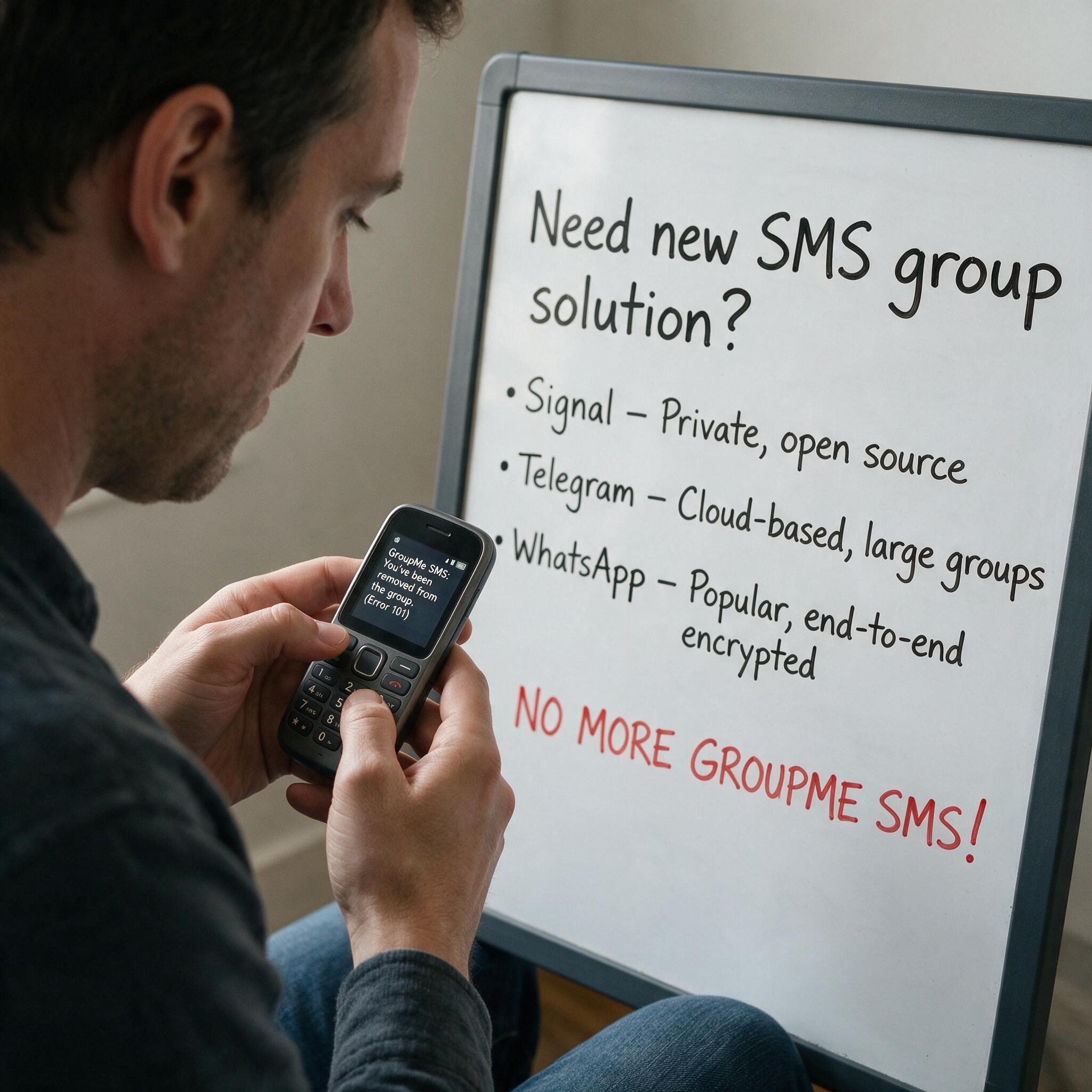
Got Kicked Out of GroupMe? Look to Evant.
Michael PedoeemGot Kicked Out of GroupMe? The Best GroupMe SMS Alternative for Jewish Communities