
Best SMS Platform for Churches and Ministries in 2026
If you run a church, you already know the problem.
You sent the email. You posted on Facebook. You put it in the bulletin. And then Sunday morning, half your congregation shows up and asks “wait, when did that change?”
They didn’t ignore you. They just never saw it.
Here’s the thing about email: the average open rate is somewhere around 20%. That means 80% of the people you’re trying to reach aren’t reading what you send. Facebook? The algorithm decides who sees your post. The bulletin? People leave it on the pew.
SMS is different.
98% of text messages are read within 3 minutes. Not eventually. Within 3 minutes.
That’s not a marketing stat I made up. That’s just how people use their phones. When something lands in the text message app, they read it. It’s that simple.
Why churches are switching to SMS
I’ve talked to a lot of church administrators over the past couple years. The story is almost always the same.
They’re managing everything manually. Emails going to outdated lists. Calls going to voicemail. People falling through the cracks.
One church in Texas used Evant to collect RSVPs for an event. 246 confirmed attendees. Via text. No one had to download an app, log into a portal, or fill out a Google Form. They just replied to a text.
Another organization — not a church, but same idea — sent two texts to their donor list. Raised over $100,000.
Two texts.
What to actually look for in a church SMS platform
Not all SMS platforms are built the same. Here’s what matters for churches specifically:
Two-way texting. You don’t just want to blast messages out. You want people to be able to respond. Questions, prayer requests, RSVP confirmations — the conversation should go both ways.
Compliance. This one matters more than people realize. In the US, mass texting requires A2P 10DLC registration — basically, you register your organization with the carriers so your messages don’t get flagged as spam. A good platform handles this for you. A bad one doesn’t mention it until your messages stop going through.
Kosher for kosher phones / basic phones. Okay, this is more of a Jewish organization thing — but the principle applies. Your congregation isn’t all on the latest iPhone. SMS works for everyone. No app required.
Voice calls, not just texts. Some of your members — especially older ones — don’t text. They call. A platform that does both means no one gets left out.
Price that makes sense. You’re a nonprofit. You shouldn’t be paying enterprise pricing. Look for plans that start around $20/month and scale with your actual usage.
The platforms worth looking at
Evant — Built originally for Jewish communities, but the functionality works for any faith-based organization. Two-way texting, voice calls, RSVP collection via keyword reply, donation links, and it handles A2P compliance for you. Plans start at $20/month, less than a penny per message. 350+ organizations use it. Trusted by Aish HaTorah, Chabad, and Satmar — organizations that are notoriously picky about their vendors.
SimpleTexting — Solid platform, been around for a while. Good interface. Starts around $39/month. More of a general-purpose SMS tool — not specifically built for nonprofits or faith communities, but it works.
EZTexting — Similar to SimpleTexting. Gets the job done. Starts around $25/month. The compliance process is a bit more DIY.
Tatango — Built specifically for nonprofits and faith organizations. Good product. Pricing is on the higher end and not always transparent upfront.
SlickText — Another solid general-purpose option. Starts around $29/month. Good for smaller lists.
The one thing most churches get wrong
They treat SMS like email.
Long messages. Lots of information. Links buried at the bottom.
That’s not how texting works. People are reading your message while they’re doing something else. You have about 5 seconds of attention.
One message. One ask. One link if needed.
“Shabbos times this week: Mincha at 6:15, Maariv at 7:30. Reply RIDE if you need a lift.”
That’s it. That’s a good text.
If you’re writing three paragraphs, you’re writing an email. Send it as an email. Save the text for the thing that actually needs to land.
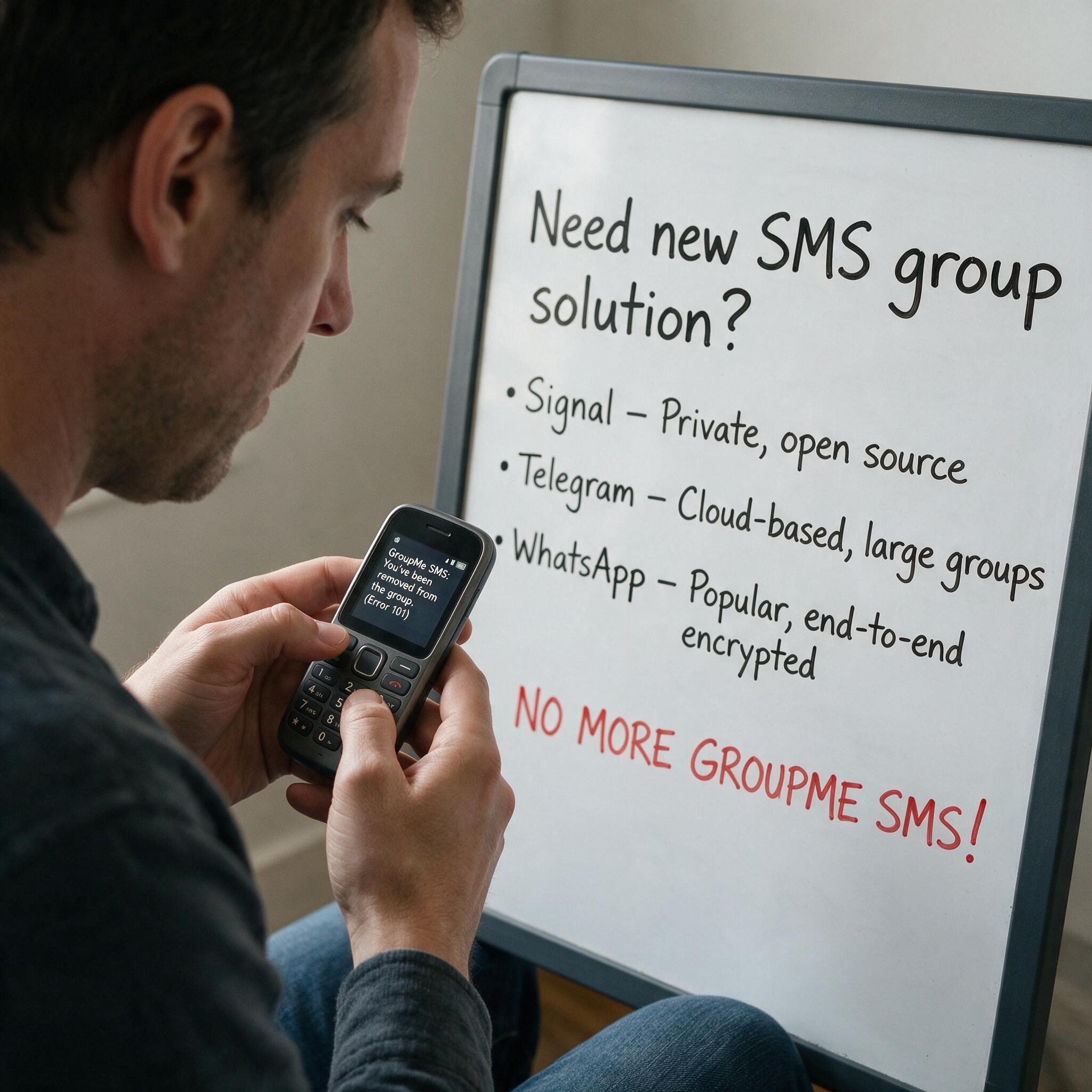
What about WhatsApp?
I get this question a lot, especially from communities with international members.
WhatsApp is great for group chats. It’s not built for mass communication. The platform will block your number if you use it to message large groups you haven’t individually exchanged messages with. I’ve seen it happen.
SMS goes through the carriers. It’s regulated. It’s compliant. It works.
Bottom line
If your church is still relying on email and Facebook to reach your congregation, you’re losing a big chunk of your audience every single week.
SMS isn’t complicated. It’s not expensive. It just works.
Start with a free trial, see how your congregation responds, and go from there. Most organizations that try it don’t go back.
If you want to see what it looks like in practice, Evant has a free trial with no credit card required. Takes about 10 minutes to set up.
Questions? Call or text (201) 443-7723 or visit evant.app.