
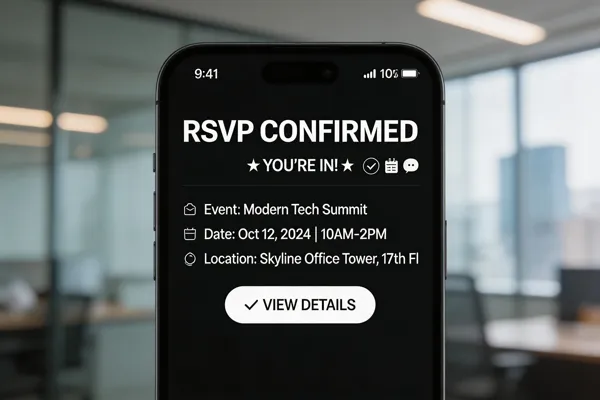
The Power of a Simple Text
SMS is a high‑impact channel because its open rates consistently hit 98 % and most messages are read within minutes, outpacing email and social media by a wide margin. Event planners can track a few core metrics to gauge success: delivery rate confirms the message reached the phone, click‑through rate (CTR) shows how many recipients tapped the RSVP or ticket link, conversion rate measures actual registrations or ticket sales, and opt‑out rate flags fatigue. Evant turns these data points into actionable insights for nonprofits and schools by bundling SMS with a built‑in CRM. The platform auto‑segments audiences (donors, students, volunteers) and sends personalized invites, reminders, and QR‑code check‑ins, all while logging responses in real time. Automated workflows reduce manual follow‑up, cut on‑site wait times, and keep headcounts accurate—helping mission‑driven organizations boost attendance, streamline logistics, and nurture lasting community engagement.
Why SMS Is Far From Obsolete

SMS is anything near obsolete—its reach and immediacy dwarf most digital channels. Open‑rate statistics consistently sit at 98‑99 %, with 90‑95 % of texts read within the first three minutes, far outpacing email’s typical 20‑30 % open rates. Because SMS works on any mobile phone, including basic feature phones, it offers true global reach: two‑thirds of the world’s population can be contacted without needing a smartphone or data plan.
Modern SMS APIs transform a simple text into a strategic tool. Real‑time delivery and engagement reporting let organizers see instantly who opened, clicked, or replied. Two‑way messaging enables instant RSVP, keyword‑driven responses (e.g., “YES/NO”), and on‑the‑fly Q&A, cutting manual follow‑up. Personalized merge fields (name, event details, ticket links) boost click‑through rates by up to 35 % and conversion rates by 15‑30 % when combined with segment‑specific offers. Integration with CRM platforms such as Mailchimp, HubSpot, or Evant syncs RSVP data, attendance metrics, and post‑event feedback into a single dashboard, eliminating data silos and streamlining logistics.
Answering the question “Is SMS becoming obsolete?”—the data says no. SMS still reaches the majority of mobile users, delivers unparalleled open and response speeds, and now supports rich automation, analytics, and multi‑channel synchronization. For nonprofits, schools, and community organizers, SMS remains a cost‑effective backbone for instant reminders, ticket sales, check‑ins, and real‑time engagement, driving higher attendance and richer attendee insights.
Legal Landscape: Text Blasting and Solicitation

The Telephone Consumer Protection Act (TCPA) makes it illegal to send unsolicited bulk texts—often called "SMS blasting"—without the recipient’s prior express consent. Violations can trigger fines up to $1,500 per message, carrier blacklisting, and class‑action lawsuits. To stay compliant, organizations must secure a clear opt‑in (ideally written) before any marketing or solicitation text is sent.
Opt‑in and Opt‑out Best Practices Include a consent checkbox and mobile‑number field on registration forms, and send an initial confirmation text that identifies the sender and explains how to stop messages (e.g., reply STOP). Provide a simple, no‑charge opt‑out mechanism in every message and honor requests promptly.
State‑Specific Regulations and Penalties While the TCPA is federal, many states impose additional requirements—such as stricter time‑of‑day windows or mandatory disclosures—under consumer‑protection statutes. Failure to meet these state rules can result in extra civil penalties and increased liability.
Is SMS text blasting illegal? Yes. Sending bulk promotional texts without consent violates the TCPA and can lead to hefty fines and carrier bans. Legal blasting is permissible only when you have documented opt‑in and follow all compliance steps.
Is text solicitation illegal? Unsolicited marketing texts are illegal under the TCPA unless the recipient has given prior express consent. Even nonprofit or educational groups must obtain opt‑in and provide an easy opt‑out. Emergency or purely transactional messages may be exempt, but any solicitation language still requires consent.
What Is an SMS Event? Tracking Every Text

An SMS event is a real‑time notification generated each time a text message is sent or received on your platform. The event payload records the event ID, timestamp, direction (outbound), internal target (user, department, call center), the external contact name and phone numbers, and a flag indicating whether the message is an MMS. When the appropriate scopes are enabled, the payload also includes the full message body and detailed delivery‑status codes (delivered, failed, pending).
Webhook delivery and scopes – You configure a webhook URL in your SMS service (e.g., Mailchimp, Evant, or a similar SaaS). The platform pushes each SMS event to that endpoint, allowing you to subscribe at the company, office, or even a specific call‑center or user level. Scopes control how much data is sent: a basic scope delivers only metadata, while an expanded scope adds the text content and status updates, giving you the flexibility to balance privacy with insight.
Using events for real‑time analytics and automation – By ingesting SMS events into a CRM or analytics dashboard, organizers can instantly measure open and click‑through rates, track RSVP conversions, and monitor opt‑out trends. Automated workflows can trigger follow‑up reminders, update attendee status, or launch a QR‑code check‑in when a reply is received. This real‑time loop reduces manual work, cuts no‑show rates by up to 30 %, and empowers nonprofits and event teams to act on attendee behavior the moment it happens.
Timing is Everything: Reminder Sequences that Work

A well‑timed SMS reminder sequence is the backbone of any high‑attendance event strategy. Research across event platforms and healthcare shows a three‑step cadence delivers the best results: an initial invite or confirmation several weeks before the event, a follow‑up reminder about a week out, and a final nudge 24–48 hours prior. This pattern mirrors the "initial invite‑weeks in advance, follow‑up a week before, final reminder 24–48 hours" timing recommended by Mailchimp and Texting Base, and it consistently cuts no‑show rates by 15‑30 % for nonprofits, schools, and conferences.
The impact on attendance is measurable. A 2023 Mobile Marketing Association study found that SMS reminders sent 24 hours before an event boost RSVP conversion by up to 20 %, while a Hall‑ Institute benchmark observed a 12 % lift in door attendance when reminders were sent 48 hours prior. For example, a case study of outpatient appointment reminders at the Royal Children’s Hospital showed that SMS prompts reduced the failure‑to‑attend rate from 23.4 % to 14.2 % (P < 0.001). The study highlighted that patients often simply forget appointments; a concise text delivered to the device they already carry eliminates that barrier. Because SMS reaches 98 % of recipients within minutes, it provides a low‑cost, high‑impact way to improve attendance, streamline logistics, and free staff for higher‑value tasks.
Crafting Promotional SMS That Convert

Promotional SMS that drive action start with a clear, value‑driven hook—tell the reader what they’ll gain in the first few words, such as "Save 20% on tickets for our charity gala tonight." Keep the message under 115 characters, using active language and a single CTA like "Reply YES to RSVP" or "Tap here to claim." Personalization boosts relevance; insert the recipient’s first name or reference past involvement (e.g., "Maria, thank you for attending last year’s fundraiser"). Urgency cues—"Only 2 hours left!" or "Limited seats—""—prompt quick decisions without feeling spammy. Timing matters: send the first invite weeks ahead, a follow‑up a week before, and a final nudge 24–48 hours prior, aligning with the 98% open‑rate window where most texts are read within minutes. Compliance is non‑negotiable: include a short opt‑out line (e.g., "Reply STOP to opt‑out") and ensure the sender’s name appears in the first message. Respect the 160‑character limit to avoid carrier‑induced splitting, and use a trackable short URL if a link is needed. By combining a compelling hook, personalized urgency, and clear compliance language, nonprofits can convert SMS recipients into confirmed attendees while maintaining trust and legal compliance.
Segmentation, Automation, and Multi‑Channel Sync

Effective event promotion hinges on three pillars: precise audience segmentation, automated messaging sequences, and seamless CRM integration.
Segment audiences by registration status, VIP status, first‑time attendance, or past no‑shows for personalized messaging – By categorizing contacts into groups such as "registered but not yet confirmed," "VIP/early‑bird," or "previous no‑show," organizers can tailor SMS copy to each segment’s motivations. Studies from Mailchimp and CrowdPass show that segmented texts boost SMS open rates exceed 98% and Targeted SMS campaigns can increase event attendance rates by up to 30% compared with generic email reminders.
Automated sequences (initial invite, follow‑up, final nudge) – A proven cadence includes an initial invite weeks ahead, a reminder a week before, and a final push 24–48 hours before the event. Platforms like Evant and Texting Base allow these touchpoints to be scheduled in a single dashboard, reducing manual effort and ensuring the right message arrives at the optimal moment. A/B testing timing, tone, and call‑to‑action further refines conversion rates.
CRM integration for unified attendee profiles – Connecting SMS tools with a CRM (Mailchimp, Salesforce, HubSpot, etc.) creates a single source of truth. Every reply—whether a keyword RSVP, a question, or a QR‑code check‑in—updates the attendee record in real time, enabling instant segmentation adjustments, accurate headcounts, and post‑event analytics. This multi‑channel sync not only streamlines logistics but also empowers nonprofits and educational institutions to nurture long‑term community engagement.
Measuring Success and Optimizing Campaigns

Effective SMS event marketing is judged by three core metrics: click‑through rate, conversion rate (ticket sales or RSVPs), and opt‑out rate. High‑open‑rate texts (up to 98%) translate into click‑throughs of around 19‑20%, while timely reminders can cut no‑shows by 20‑45%. To sharpen performance, run A/B tests on copy, timing, and call‑to‑action—compare a “last‑chance” line sent 48 hours before versus a neutral reminder sent a week out, then measure which yields the higher CTR and conversion. Pull results into an analytics dashboard that aggregates delivery, open, click, and conversion data across each segment (VIPs, first‑timers, past no‑shows). Use the dashboard to spot trends, iterate messaging, and continuously improve ROI for future campaigns.
Turning Text Into Turnout
SMS messaging delivers unparalleled reach and immediacy—open rates hover around 98%, with most recipients reading a text within minutes, and click‑through rates climb to 19% for RSVP links. These figures translate into higher attendance, lower no‑show rates, and faster headcount updates for events of any size. For nonprofits and schools, the technology’s low cost, two‑way interactivity, and compliance‑built opt‑in/opt‑out controls make it a reliable, budget‑friendly channel. Evant’s platform bundles these advantages with a purpose‑built dashboard that syncs SMS RSVPs, QR‑code check‑ins, and real‑time analytics directly into your CRM. Segmentation tools let you target donors, volunteers, students, or first‑time attendees with personalized offers, while automated reminder sequences (initial invite, 7‑day follow‑up, 24‑hour nudge) keep events top‑of‑mind without staff overload. Ready to turn texts into turnout? Start a free trial of Evant today and see attendance lift in weeks.
Related Blogs
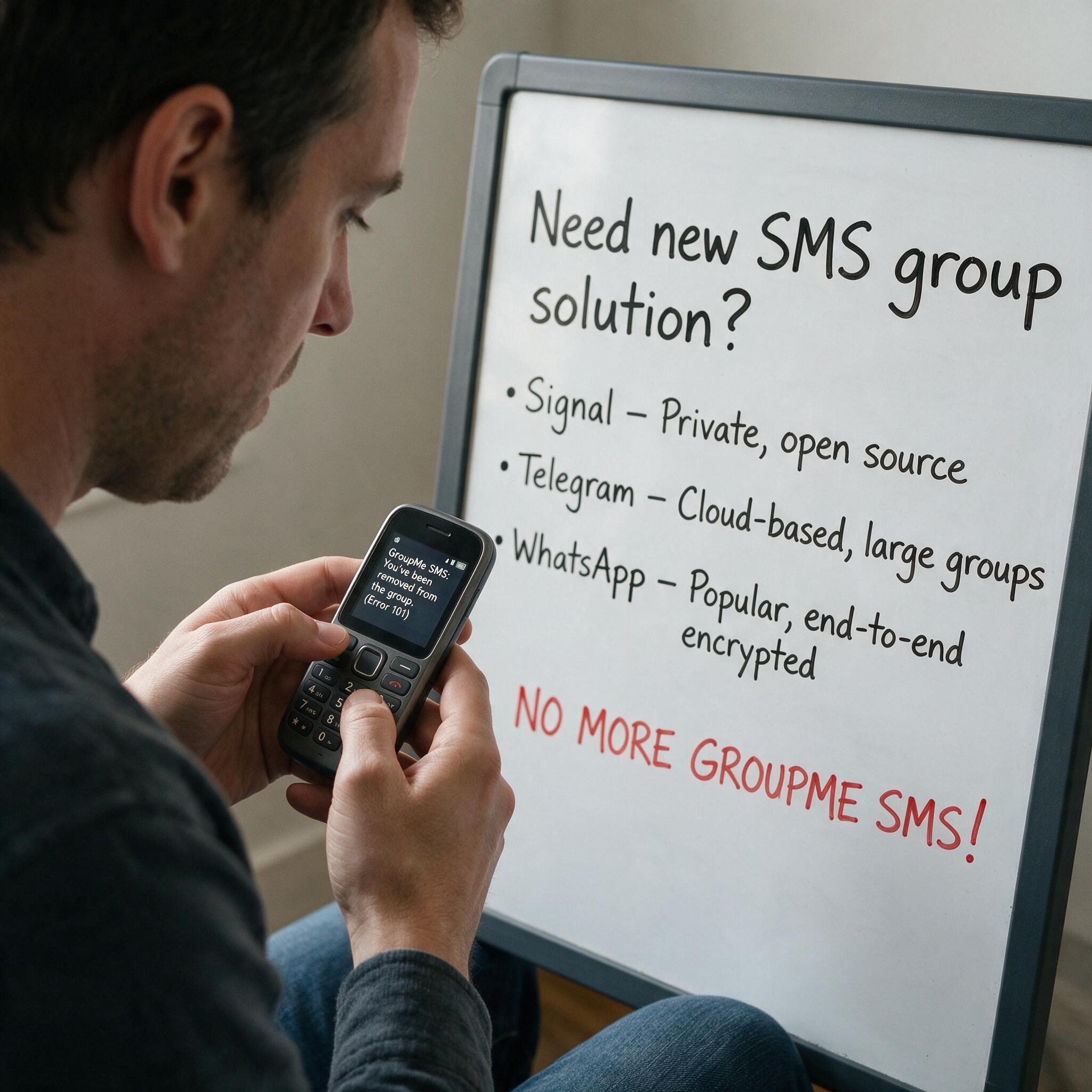

Got Kicked Out of GroupMe? Look to Evant.
Michael PedoeemGot Kicked Out of GroupMe? The Best GroupMe SMS Alternative for Jewish Communities

How to Send Targeted Alerts During Live Events
Michael PedoeemMastering Targeted Event Alerts: Real-Time Communication Strategies for Nonprofits
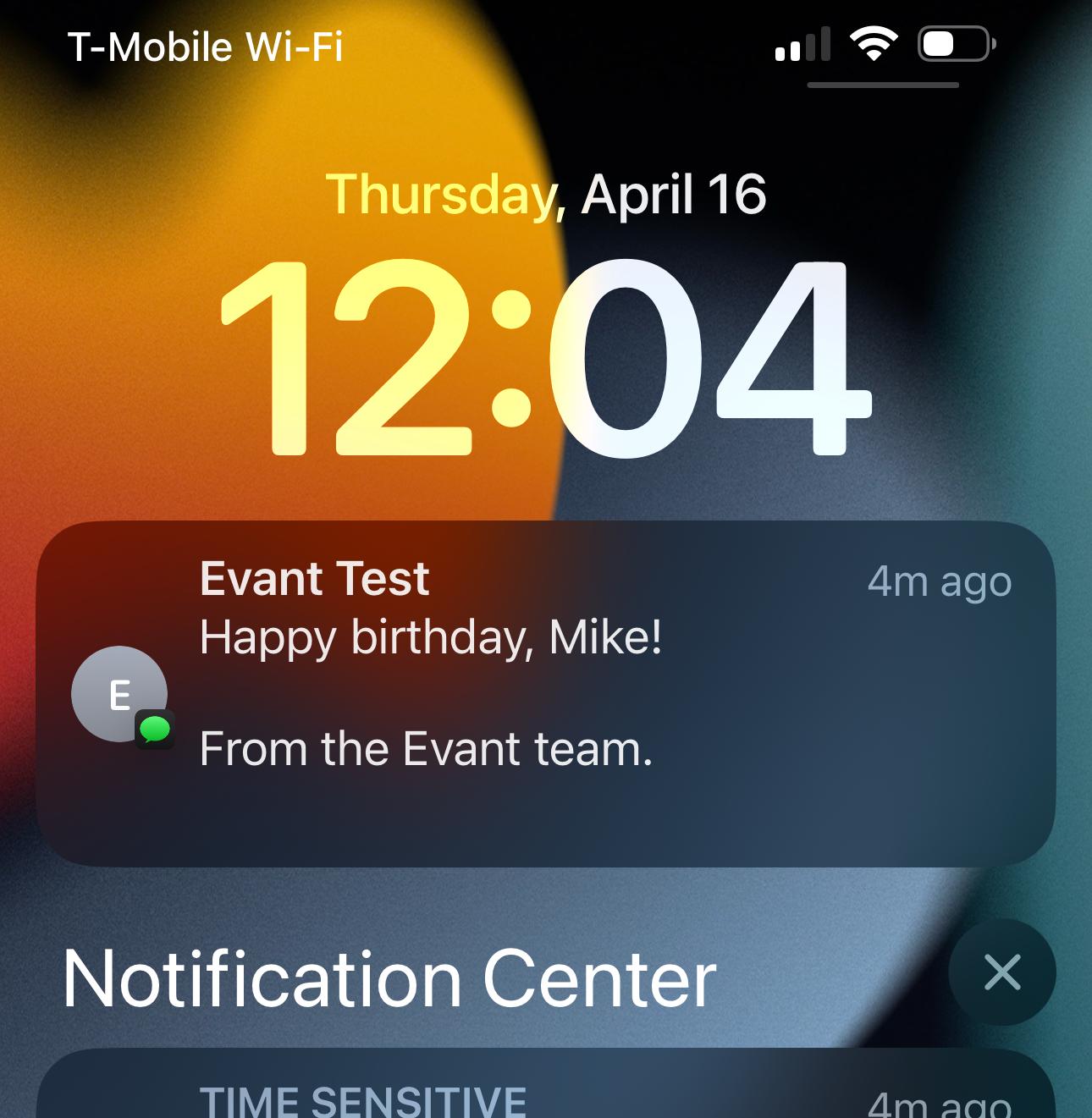
Top 7 SMS Trends for Communities in 2026
Michael PedoeemFrom AI-powered responses to text-to-donate and two-way texting — here are the 7 SMS trends every shul, school, and nonprofit needs to know about in 2026