

Why Custom SMS Matters in Community Engagement
In an increasingly connected world, communities thrive on effective communication channels that foster engagement and participation. SMS messaging, with its unparalleled open rates and immediacy, has emerged as a key tool for reaching diverse community members, from urban centers to rural areas. Customizing SMS messages enhances relevance, inclusivity, and interaction, leading to stronger community bonds and impactful outreach. This article explores strategies, benefits, compliance, and practical examples for maximizing community interaction through personalized SMS campaigns.
Benefits of Customized SMS for Community Outreach
Using customized SMS messages for community outreach and participation offers numerous advantages that make it an effective communication tool. One of the primary benefits is the incredibly high open and response rates, with up to 98% of messages being opened and often read within minutes. This immediacy ensures that vital information reaches residents quickly and effectively, fostering timely engagement. For more details, see SMS marketing statistics 2025 and SMS marketing benefits.
Accessibility and inclusivity are significantly enhanced through features like text-to-speech and support for multiple languages. These options help bridge language barriers and assist people with visual impairments or low literacy, ensuring that messages are accessible to all community members. Learn more about SMS accessibility features and multilingual SMS support.
Personalization plays a crucial role in strengthening community bonds. By segmenting audiences based on demographics, interests, or engagement history, messages can be tailored to individual preferences. This targeted approach encourages greater participation and builds trust, as residents receive relevant and meaningful communication. Explore personalized SMS marketing and personalization tips for more information.
Furthermore, SMS campaigns are highly cost-effective and easy to implement. They require minimal resources to set up and can easily be integrated with other channels such as social media or email. This multi-channel approach ensures a consistent message and broader reach. For integration strategies, see SMS integration with email and social media.
In summary, customized SMS improves community interaction by providing immediate, accessible, and personalized communication. It supports real-time feedback, fosters inclusivity, and maximizes outreach effectiveness—leading to higher participation rates and stronger community involvement. Additional insights on community SMS marketing strategies and effective SMS outreach can further guide successful campaigns.
Core Strategies for Customizing SMS to Boost Community Interaction
What are effective strategies and best practices for customizing SMS messages to improve community interaction?
Effective customization of SMS messages significantly enhances community engagement by making communications more relevant and accessible. One essential strategy is audience segmentation, which involves dividing the community into subgroups based on criteria such as demographics, geographic location, or interests. This targeted approach ensures that messages resonate with recipients' specific needs and preferences.
Personalized content techniques also play a vital role. Incorporating recipients' names, referencing past interactions, or tailoring messages around local events or issues fosters a sense of individual attention and relevance. Clear and concise messaging is crucial; keeping texts brief, typically under 160 characters, with a direct call-to-action encourages prompt responses. For guidance on message length and call-to-actions, see SMS best practices.
To promote inclusivity, SMS campaigns should support multiple languages and accessibility features like text-to-speech for residents with visual impairments or low literacy. Implementing these features broadens reach and ensures all community members can engage effectively.
Monitoring performance through analytics allows organizations to track key metrics such as delivery success, response rates, and click-throughs. This data informs ongoing adjustments in message timing, content, and targeting strategies, helping to optimize engagement.
Encouraging two-way communication—such as responding to inquiries or participating in quick surveys—further strengthens community bonds. These interactions foster trust and provide valuable feedback for tailoring future outreach.
Finally, integrating SMS with other channels like email and social media creates a cohesive communication ecosystem. Adhering to regulations and obtaining proper consent, and respecting privacy build trust and legitimacy in community engagement efforts. Implementing these best practices results in more meaningful interactions, increased participation, and a stronger sense of community.
Personalization Techniques to Deepen Community Engagement
How can SMS communications be personalized to enhance engagement within community settings?
Personalizing SMS messages in community contexts involves tailoring each communication to resonate with individual residents' interests, preferences, and engagement history. Segmentation is a crucial technique, allowing organizations to create targeted groups based on demographic data, involvement levels, or geographic locations. This targeted approach ensures that messages are relevant and meaningful, encouraging higher response rates. For more on Audience Segmentation in SMS and Segmentation for SMS personalization.
Including recognition of personal milestones, such as birthdays, anniversaries, or membership anniversaries, strengthens the community bond. Referencing specific local events or past participation details in messages makes residents feel valued and connected. See tips on Personalized SMS marketing and Recognizing member milestones.
Accessibility and inclusivity are vital. Implementing features like text-to-speech and providing messages in multiple languages cater to diverse populations, including those with visual impairments or language barriers. This ensures that a broad segment of the community can engage actively.
Two-way messaging platforms enable real-time interaction, allowing residents to respond, ask questions, or provide feedback easily. Two-Way SMS Communication and using SMS surveys for feedback can gather valuable community input, fostering a participatory environment.
Best practices include keeping messages concise and clear, offering straightforward opt-out options, and timing messages appropriately—avoiding late or early hours. Continuously analyzing engagement metrics and feedback helps refine strategies, making each interaction more effective and supportive of community cohesion. Learn more about SMS Text Messaging Best Practices and Monitoring SMS Campaign Performance.
Ensuring Compliance and Effectiveness in Community SMS Campaigns
Effective community SMS campaigns hinge on strict adherence to legal and ethical standards. The first step is obtaining explicit opt-in consent from recipients before sending any marketing or informational messages. This consent should be documented, ensuring there's a clear record of the recipient’s agreement, typically through sign-up forms or verified opt-in procedures.
Regulatory frameworks such as the Telephone Consumer Protection Act (TCPA), the General Data Protection Regulation (GDPR), and Canada's Canadian Anti-Spam Legislation (CASL) set strict rules for message content, consent, and privacy. Compliance with these laws involves providing clear disclosures at the point of sign-up, including how messages will be used, and offering straightforward ways to withdraw consent.
All SMS messages must include an easy-to-find opt-out mechanism, commonly a reply with 'STOP' or an unsubscribe link, which organizations must honor immediately. This respects residents' preferences and prevents message fatigue.
Additionally, organizations should steer clear of prohibited content—such as spam, scams, or sensitive material—and instead focus on relevant, community-oriented information. Carrier registration and industry-specific registration processes are necessary, especially when deploying bulk or automated messages, to prevent issues like spam filtering or service interruptions.
Monitoring message frequency and timing is crucial to avoid overwhelming or irritating residents. Messaging should be scheduled during appropriate hours, generally between 8 a.m. and 9 p.m., and the volume of messages should be managed based on engagement and community feedback (optimal sending frequency).
To maximize effectiveness and stay compliant, organizations can leverage SMS compliance tools and platforms, consult legal professionals specialized in telecommunications law, and stay updated with evolving regulations. This approach ensures that community outreach via SMS is both impactful and within legal boundaries, fostering trust and sustained engagement.
Content Creation: Engaging Community Members through SMS
Creating compelling SMS content for community engagement involves delivering messages that are personalized, concise, and highly relevant to the recipients. When community members receive messages tailored to their interests, locations, or participation history, they are more likely to respond and stay involved.
For example, organizations like WWF used SMS during Earth Hour to educate and mobilize millions worldwide, demonstrating how environmental campaigns can leverage message relevance and simplicity. Similarly, UNICEF’s U-Report platform engages youth by sending regular SMS surveys and updates, fostering civic participation and dialogue through SMS surveys for feedback.
Case studies from community-focused organizations highlight effective strategies. Hospitals often send appointment reminders and health tips that are personalized with the recipient’s name and relevant dates, resulting in higher response rates. Retail brands, too, increase sales and customer loyalty through targeted promotional alerts based on previous purchases or preferences, using tailored SMS offers and promotions.
To maximize engagement, organizations should craft messages that include clear calls to action—such as participating in surveys, attending events, or accessing resources—and time them strategically for maximum impact. Integrating SMS with other channels like email and social media provides a unified experience, strengthening trust and familiarity through integrating SMS with email and social media.
Automation tools allow for personalized, timely messages that respond to community needs, while multimedia integration through Rich Communication Services (RCS) enables richer content like images and videos, further engaging residents. Additionally, storytelling elements and exclusivity—such as early access to community events or special content—help build a sense of belonging.
Overall, effective content strategies rooted in personalization, automation, and multimedia features allow community organizations to foster stronger relationships, increase participation, and sustain long-term engagement.
Leveraging SMS to Foster Strong Community Relationships and Participation
How can SMS messaging be leveraged to foster community involvement, strengthen relationships, and increase participation?
SMS messaging is a powerful tool for building community connections because it delivers quick, accessible, and direct communication. Its widespread use means community members, including those with limited internet access or low literacy, can stay informed through simple, text-based updates. Regular messages about upcoming events, safety alerts, or educational content keep residents engaged and aware of community initiatives. See more on SMS Text Messaging for Local Governments and SMS in Communities and Municipalities.
The two-way nature of SMS allows for immediate feedback. Surveys, polls, and open-ended questions enable residents to contribute their opinions easily, making them feel heard and involved. This active participation builds trust and rapport between community leaders and residents. Learn about Two-Way SMS Communication and SMS Surveys for Feedback.
Segmenting communities based on demographics, interests, or engagement levels ensures messages are relevant, which increases response rates and participation. Tracking engagement metrics like response rates, opt-outs, and click-throughs helps organizers refine messaging strategies, making outreach more effective and targeted. Find strategies under Audience Segmentation in SMS and Monitoring SMS Campaign Performance.
Finally, integrating SMS with other channels such as email, social media, or in-person events creates a cohesive communication network. Ensuring privacy and obtaining explicit consent are crucial for maintaining trust. When executed thoughtfully, SMS campaigns deepen community bonds, motivate participation, and foster a more involved, informed citizenry. Explore Integrating SMS with Email and Social Media and TCPA Compliance in SMS Campaigns.
Designing Interactive and Engaging SMS Campaigns for Communities
Effective community-focused SMS campaigns hinge on delivering concise, personalized messages that resonate with the audience. Personalization increases engagement by making residents feel recognized and valued, which can be achieved through segmenting audiences based on demographics, interests, or engagement history.
Incorporating interactive elements such as polls, quizzes, and surveys turns passive recipients into active participants. These features facilitate two-way communication, enabling community members to share feedback, participate in decision-making, or express opinions easily.
Gamification strategies, like contests or challenges, add an element of fun that encourages participation and fosters community spirit. For example, a local organization might run a photo contest or a trivia quiz related to community history, with clear incentives.
Timing and relevance are crucial. Sending targeted messages during significant local events, emergencies, or seasonal occasions ensures content is timely and meaningful. Proper segmentation allows organizations to tailor messages based on residents' preferences or locations, increasing responsiveness (Increase Community Engagement Reach).
For each campaign, include a strong call-to-action (CTA). Whether urging residents to vote in a community poll, join an event, or access exclusive offers, the CTA should create urgency or a sense of exclusivity (SMS marketing best practices).
Monitoring campaign metrics such as response rates, click-through rates, and engagement levels is essential. These insights help refine strategies, making future campaigns more impactful (Monitoring SMS Campaign Performance).
To deepen community bonds, integrate storytelling by sharing behind-the-scenes insights or success stories. Offering exclusive perks, early access, or VIP content via SMS further encourages ongoing involvement and loyalty (Building a Community with Email & SMS).
Tools and Technologies Empowering SMS Personalization and Outreach
Personalized SMS communication relies heavily on advanced tools and platforms that enable targeted, relevant, and timely messages across diverse communities. Segmenting audiences is fundamental, and platforms like Norby and Omnisend provide robust segmentation capabilities that categorize recipients based on demographics, loyalty status, geographic location, and previous interactions. These features allow organizations to craft messages that resonate with specific community groups, increasing engagement.
In addition to segmentation, using merge tags and data fields is essential for high-impact personalization. Tools such as Textedly support including recipient names, birthdays, or purchase history directly in messages, making each interaction feel tailored and authentic. Collecting and managing this data through CRM systems ensures that community outreach is consistent, detailed, and current.
Real-time data integration adds another layer of relevance. For example, weather-triggered campaigns utilizing sources like Tomorrow.io can automatically send alerts or updates based on current environmental conditions—like storm warnings or temperature changes—ensuring messages are both timely and contextually appropriate.
Automation plays a crucial role in maintaining ongoing engagement. Drip campaigns and automated follow-up messages can nurture community relationships, deliver important updates, or respond to specific triggers such as event registrations or feedback submissions.
Multilingual and localized content management systems are vital for inclusive community outreach. Simplified content templates, managed centrally yet accessible to regional teams, allow for content customization in multiple languages and dialects, respecting cultural nuances while maintaining brand consistency. See Multilingual SMS Support for more details.
Among platforms facilitating these advanced capabilities, Textedly provides tools for automated, personalized campaigns; Norby integrates SMS with broader CRM functionalities; and Omnisend offers automation workflows that combine email and SMS data. These platforms enable organizations to scale their outreach effectively while delivering highly relevant, personalized content that deepens community engagement.
Harnessing SMS Surveys and Feedback Tools to Amplify Engagement
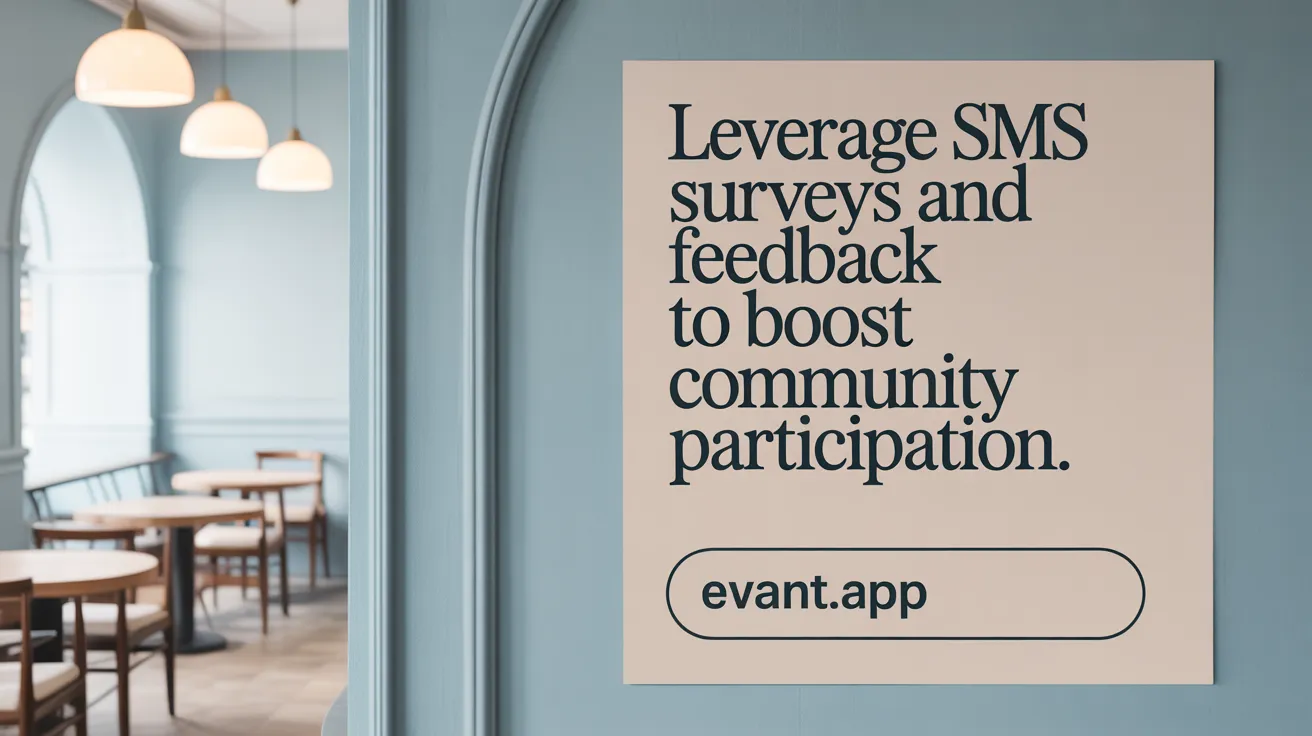
SMS surveys and feedback tools are powerful instruments for increasing community participation. With open rates reaching as high as 98%, these tools ensure that residents see and respond to important surveys quickly and efficiently (SMS marketing statistics 2025).
One of the greatest advantages of SMS surveys is their speed. They can be deployed rapidly, allowing communities to gather immediate feedback on urgent matters like public safety or event planning. Real-time analytics further enable organizers to analyze responses instantly, providing insights that can be acted upon swiftly (Instant Visibility with SMS).
Designing surveys with accessibility in mind is crucial. Multilingual support and simple language make surveys inclusive for diverse communities, including those with low literacy or language barriers. Features like text-to-speech and culturally adapted content help broaden reach and ensure everyone can participate (Increase community engagement reach).
SMS surveys integrate seamlessly with traditional engagement methods such as town hall meetings or online portals. Combining these approaches offers a comprehensive strategy, maximizing overall involvement. Additionally, multimedia options—images, videos, and links—can enrich survey experiences, encouraging higher response rates (SMS integration expands community engagement).
Anonymity is another perk. Residents may feel more comfortable sharing honest opinions when responses are anonymous, fostering trust and transparency. This inclusivity encourages participation from hesitant or marginalized groups, giving them a voice (Reaching Hard-to-Reach Populations via SMS).
Finally, SMS feedback tools support participatory decision-making by providing community members with a straightforward way to contribute to policy and project discussions. This approach fosters a sense of ownership and reassurance that their input influences community development (Community Feedback via SMS).
In summary, SMS surveys and feedback tools significantly enhance community engagement. They offer a quick, accessible, and inclusive platform for residents to share their views, which strengthens democratic participation and leads to better, more responsive community programs (SMS Strategies for Community Engagement).
Maximizing Community Interaction Through Customized SMS
Customized SMS messaging stands as a transformative approach to enhancing community interaction, offering unparalleled immediacy, accessibility, and personalization. By implementing best practices in segmentation, content creation, compliance, and two-way communication, organizations can foster meaningful connections, empower participation, and build trust within their communities. Leveraging advanced tools and engaging survey methodologies further deepens involvement, ensuring that community voices are heard and valued. As SMS technology evolves with features like AI-driven personalization and Rich Communication Services, the potential to create ever more compelling and inclusive communication grows. Embracing these strategies will enable communities and organizations alike to improve engagement, promote inclusivity, and drive impactful participation for years to come.
Related Blogs



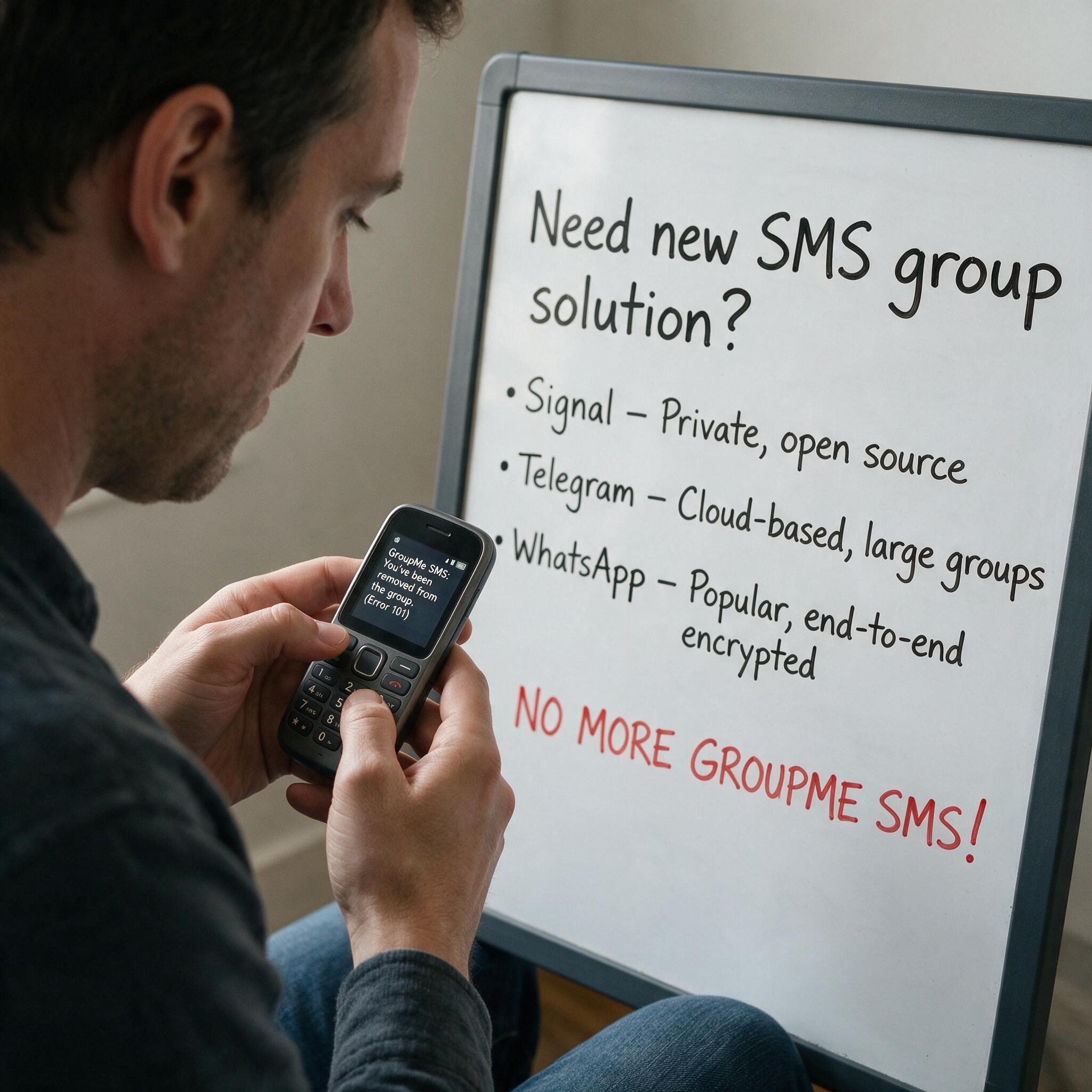
Got Kicked Out of GroupMe? Look to Evant.
Michael PedoeemGot Kicked Out of GroupMe? The Best GroupMe SMS Alternative for Jewish Communities