
Why SMS Matters for Nonprofits and Schools
SMS messaging delivers unparalleled reach for nonprofits and schools because it boasts a 98‑99% open rate and click‑through rates three to five times higher than email. Recipients typically read a text within three minutes, often under a minute for urgent alerts, ensuring time‑sensitive calls‑to‑action are seen instantly. With 97 % of U.S. adults owning a mobile phone and 85 % owning a smartphone, text messages reach virtually every supporter, regardless of internet access. Compliance is straightforward: the TCPA requires explicit opt‑in consent, a clear brand identifier, and an easy “STOP” opt‑out. In the United States, 10DLC registration (or short codes) satisfies carrier rules and provides reliable delivery. Platforms such as Evant, Engage by Cell, and others automate opt‑in capture, embed mandatory opt‑out language, and log consent records, keeping campaigns both effective and legally sound. These capabilities let staff focus on program impact rather than manual follow‑ups.
Fundamentals of SMS Best Practices

SMS best practices for nonprofits revolve around consent, brevity, timing, relevance, and compliance. 1) Obtain explicit, written permission before any outreach and include a clear opt‑out (e.g., "Reply STOP") in every text to meet TCPA and 10DLC requirements. 2) Keep messages under 160 characters, start with your brand name, and deliver value—personalized greetings, event details, or donation links drive higher engagement. 3) Send texts during appropriate windows (typically 8 a.m.–9 p.m. local time) and limit frequency to one‑two per week; let subscribers know the cadence upfront to avoid fatigue. 4) Segment your list by donor history, volunteer role, or demographic and tailor copy with the recipient’s name and a clear CTA (RSVP, ticket purchase, or quick‑reply). 5) Test formats—plain SMS vs. MMS, emojis, or short URLs—track open, click‑through, and response rates, and iterate while maintaining mandatory opt‑out language and record‑keeping for compliance. These steps combine high open rates (≈98%) with real‑time interaction, boosting event attendance, donor conversion, and overall community engagement.
Choosing the Right Text Messaging Service
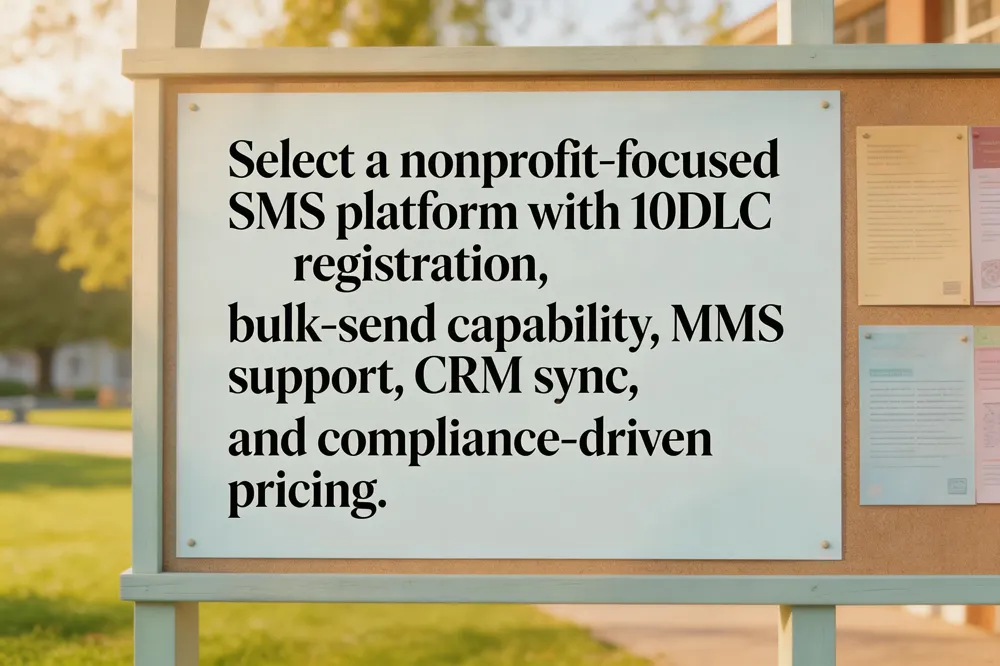
Nonprofits need a dedicated SMS platform that can handle high‑volume outreach while staying compliant with TCPA and 10DLC registration rules. Key features to look for include:
Dedicated SMS platform features for charities – tools like Engage by Cell, Evant, and EZ Texting let verified charities text‑enable existing landlines, VoIP, or toll‑free numbers, embed QR‑code opt‑ins, and automatically add required opt‑out language.
Scalable bulk sending and rich media support – send unlimited blasts, include MMS images, GIFs, or short video thumbnails, and use click‑tracking links to monitor engagement.
List segmentation and real‑time analytics – segment by donor history, volunteer role, or location; track open‑rates (≈98 %), click‑through (≈19‑20 %), and response times (under 90 seconds) to refine timing and urgency cues.
CRM integration and donor‑management sync – platforms sync with Salesforce, HubSpot, Blackbaud, etc., auto‑updating RSVP status, donation records, and volunteer schedules.
Compliance‑focused pricing and discounts – many providers offer reduced rates or free tiers for 501(c)(3) organizations, bundled with 10DLC registration and TCPA‑compliant consent workflows.
What is the text messaging service for nonprofits? A nonprofit‑focused SMS service is a cloud‑based platform that lets charities send personalized, targeted texts at scale—ranging from event reminders and RSVP prompts to real‑time fundraising appeals—while providing segmentation, analytics, CRM sync, and built‑in compliance features. Discounted pricing and easy opt‑in management make it affordable and legally safe, helping organizations boost attendance, donor conversion, and overall community engagement.
Executing Effective SMS Outreach

Clear sender identification is the first step: start every text with your organization’s name so recipients know who is contacting them and can trust the message. Explicit opt‑in compliance (TCPA, 10DLC) mandatory; message only consented contacts, must be secured before any outreach; use QR codes on print and digital media capture opt‑ins for SMS campaigns. or keyword replies (e.g., "TEXT JOIN"CO) to capture consent and then segment your list by donor, volunteer, alumni, or event‑type groups. Personalization and concise copy drive response—insert the recipient’s first name, reference a recent interaction, and keep the message under 160 characters with a single, time‑sensitive CTA such as “Reply YES to RSVP” or a short tracked link. Send messages at appropriate times for each recipient’s time zone and business hours. with higher engagement mid‑morning and early evening; schedule an initial invite weeks out, a reminder 24–48 hours before, and a final nudge 2–4 hours prior, using automated workflows to avoid fatigue. Analytics for continuous improvement are essential: Track delivery, open, click‑through, and conversion rates in a dashboard (e.g., Evant’s real‑time analytics) and A/B test copy, timing, and segmentation to refine future campaigns and maximize attendance, donations, and volunteer engagement.
Proven SMS Marketing Examples
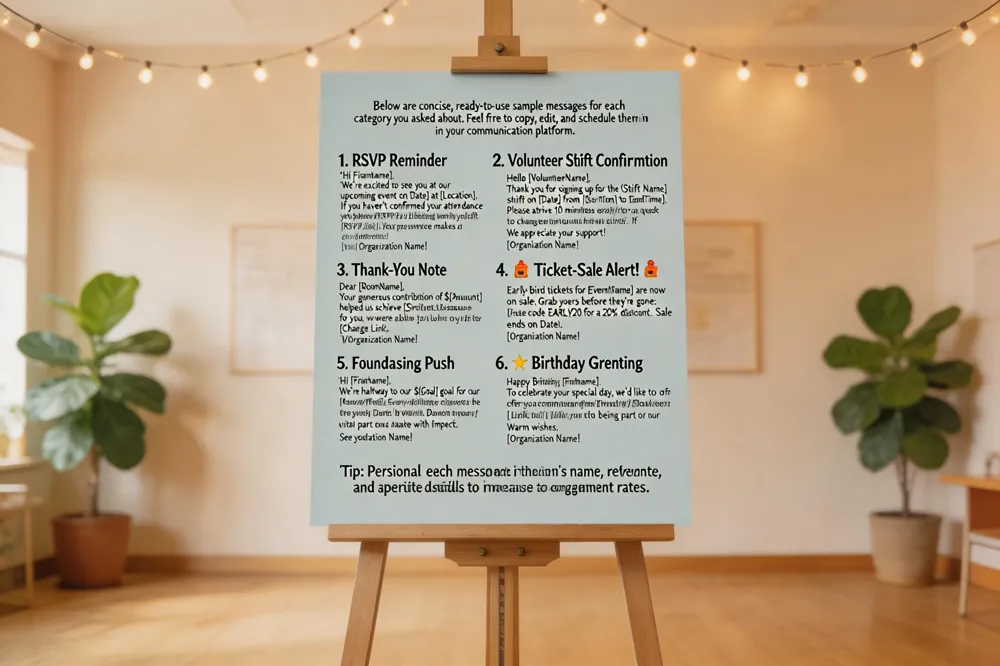
SMS marketing offers a fast, high‑visibility way for nonprofits to keep supporters engaged and drive action. Event RSVP reminders – Send a concise text confirming attendance, include a short link for a map, and follow up with a 24‑hour reminder; open rates exceed 98 % and no‑shows drop by up to 20 %. Volunteer shift confirmations – Text volunteers their schedule and any last‑minute changes; two‑way replies let staff adjust coverage instantly, reducing missed shifts by 30 %. Donation thank‑you messages – After a gift, dispatch a personalized thank‑you with a click‑through link to a receipt or impact story; this reinforces gratitude and can lift repeat giving by 20 %. Ticket‑sale alerts and early‑bird codes – Broadcast limited‑time discount codes to a segmented donor list; the urgency of a 48‑hour window boosts early sales by 15‑25 %. Fundraising push notifications – Share a real‑time progress bar and a simple “REPLY 1 TO DONATE NOW” CTA; response rates reach 45 %, far above email. Birthday/anniversary greetings – Celebrate supporters with a personalized text offering a special perk or discount; this human touch increases loyalty and event attendance by up to 10 %. All examples rely on best‑practice compliance (opt‑in, clear STOP option) and can be automated through platforms like Evant, which integrate RSVP AnalyticsMs and track click‑through metrics for continuous optimization.
Crafting Powerful Marketing Messages

To create an effective and powerful marketing message for nonprofit or educational SMS outreach, start with deep audience research and persona building. Use data that 98‑% of text messages are opened within minutes and that personalization boosts engagement by up to 30 % to craft personas that reflect donors, volunteers, students, and alumni. Next, define a unique value proposition that highlights the speed and reliability of SMS—e.g., "Instant event reminders that cut no‑shows by 25 %"—instead of listing generic features. Keep copy concise, brand‑aligned, and under 160 characters; a clear CTA such as “Reply YES to RSVP” drives immediate action. Personalize each segment with the recipient’s name, past attendance, or giving history, and use urgency language (“Limited seats left”) to trigger FOMO. Finally, run A/B tests on timing, wording, and emojis, then analyze open, click‑through (up to 19 %) and response rates (45 %) to refine the message. By iterating based on real‑time analytics, you ensure higher relevance, lower opt‑out rates, and measurable ROI for your SMS campaign.
Boosting Engagement for Nonprofits via SMS

SMS outreach delivers an eye‑popping 98‑99% open rate and a typical response within minutes, making it the fastest way for nonprofits to connect with supporters. Automated event check‑in confirmations let attendees instantly know they’re registered, receive directions, and can even check‑in by replying a keyword, cutting paper forms and reducing on‑site wait times. Real‑time volunteer schedule updates keep volunteers informed of shift changes or urgent staffing needs, leveraging the 80‑plus daily phone checks per adult to ensure messages are seen instantly. Personalized donation receipts that include the donor’s name, donation amount, and a thank‑you link boost retention by up to 20% and encourage repeat gifts. Post‑program surveys and polls delivered via SMS achieve 30% higher completion rates than email, providing rapid feedback for future event planning. Finally, urgent funding appeals—such as disaster relief or time‑sensitive campaigns—can be broadcast with a concise call‑to‑action and a “text DONATE” link, driving conversion rates 30‑40% higher than email‑only appeals. All messages include mandatory opt‑out language and can be tracked in real‑time analytics dashboards, ensuring compliance and measurable ROI.
Compliance and Legal Considerations
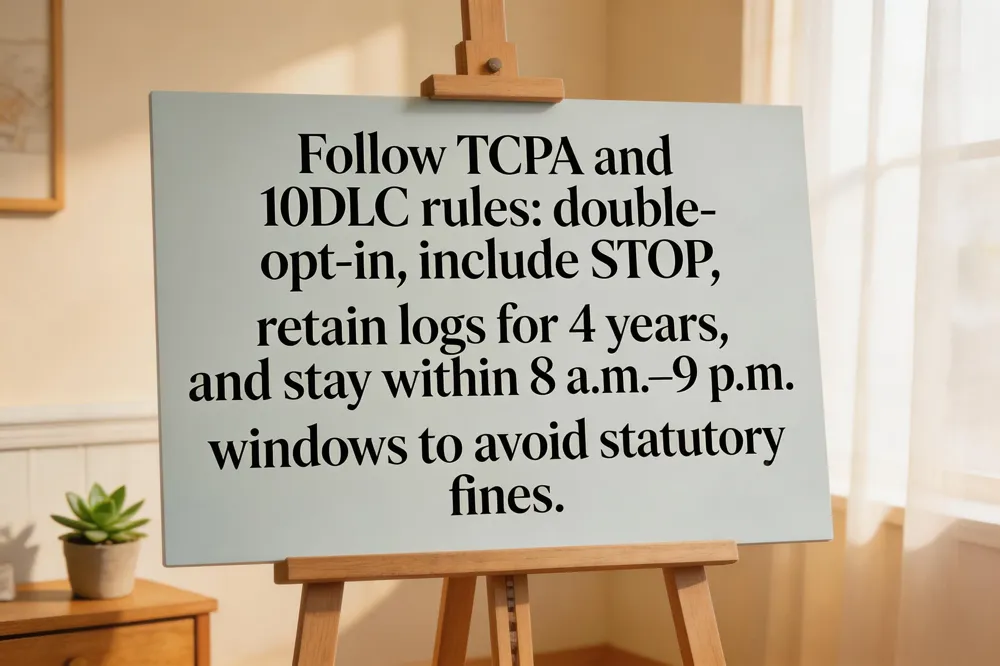
In the U.S., SMS outreach is governed primarily by the Telephone Consumer Protection Act (TCPA) and state‑level rules such as Texas’ 10DLC registration. The TCPA demands prior express written consent (opt‑in) before any promotional text is sent, and many platforms now require a double‑opt‑in flow— a keyword reply followed by a confirmation message—to protect list quality. U.S. compliance requires 10DLC registration with EIN and business details. 10DLC registration further validates a sender by requiring a business EIN and other details, reducing carrier penalties and increasing deliverability. Every outbound message must include a simple opt‑out mechanism (e.g., reply “STOP”) and retain opt‑out logs for at least four years. Violations can trigger statutory damages of $500‑$1,500 per message, plus additional state fines, making compliance essential for nonprofits and schools.
Text message marketing best practices pdf – A concise guide should outline ≤160‑character messages, clear CTAs, frequency limits (2‑6/month), timing windows (8 a.m.–9 p.m. local), opt‑in/opt‑out procedures, double‑opt‑in steps, personalization tips, CRM integration, and benchmark metrics.
Is SMS text blasting illegal? – Yes. Unsolicited bulk texts violate the TCPA and can incur $500‑$1,500 per message fines, plus extra state penalties.
What are the rules for SMS marketing? – Obtain prior written consent, send only between 8 a.m.–9 p.m. local time, include an easy opt‑out, keep consent records, and comply with TCPA, FTC Telemarketing Sales Rule, and any relevant state regulations.
Scaling Campaigns and Driving Event Participation

How to increase event participation? Leverage your existing contact lists—both email and SMS—to send personalized, segmented invitations that make each recipient feel individually valued. Use early‑bird or referral discounts to create urgency, and deploy SMS‑based RSVP and check‑in tools that feed directly into your CRM. Timing strategies that send an initial invite weeks out, a reminder a week before, and a final nudge 24–48 hours prior maximize attendance while avoiding fatigue. Real‑time analytics let you track click‑throughs and conversions, enabling rapid optimization for future events.
How to send 5,000 SMS at once? Import or sync the 5,000 contacts into a bulk‑SMS platform such as Evant, upload a CSV, or pull directly from your CRM. Compose a concise message (under 160 characters) with personalization placeholders, select the full segment, and schedule or send instantly. The platform’s high‑throughput gateway delivers all texts in seconds and provides delivery, open‑rate, and response dashboards for immediate insight.
What strategies are most important for effective workplace texting? Prioritize explicit consent, respect business‑hour windows, keep messages clear and concise, and always include a single CTA and an easy opt‑out (e.g., “STOP”). Limit texts to essential updates, proofread for professionalism, and avoid over‑messaging to maintain trust.
Klaviyo SMS best practices – Obtain double‑opt‑in consent, stay under 155 characters, personalize with the recipient’s name, embed a short tracked link, and always brand the message. Test variations, segment audiences, and provide a clear “STOP” option to stay TCPA‑compliant.
What is SMS marketing? SMS marketing is a consent‑based, direct‑marketing channel that delivers short promotional or informational texts to mobile phones. With open rates around 98 % and response times under 90 seconds, it drives high‑visibility, real‑time engagement for time‑sensitive alerts, donations, and event RSVPs. Integrated with CRM and analytics, SMS enables nonprofits and schools to scale outreach affordably while measuring ROI.
Future‑Ready Outreach with Evant
Evant’s platform lets nonprofits treat every text as a testable asset. By running continuous A/B experiments on copy, timing and CTA wording, teams can instantly see which variants lift click‑through and RSVP rates, then roll out the winner at scale. The rollout of Rich Communication Services (RCS) adds carousel buttons, images and read receipts, turning plain SMS into app‑like experiences that boost engagement and reduce friction for donations or ticket purchases. AI‑driven automation predicts the optimal send window for each segment, adjusting for time‑zone behavior and past response patterns, while predictive triggers fire reminders, thank‑you notes and post‑event surveys at the moment supporters are most receptive. Seamless cross‑channel integration syncs SMS with email and push, delivering a unified journey that reinforces messaging across devices. Real‑time dashboards surface delivery, open, click and conversion metrics, giving leaders a clear ROI view and the data needed to refine future campaigns.
Related Blogs
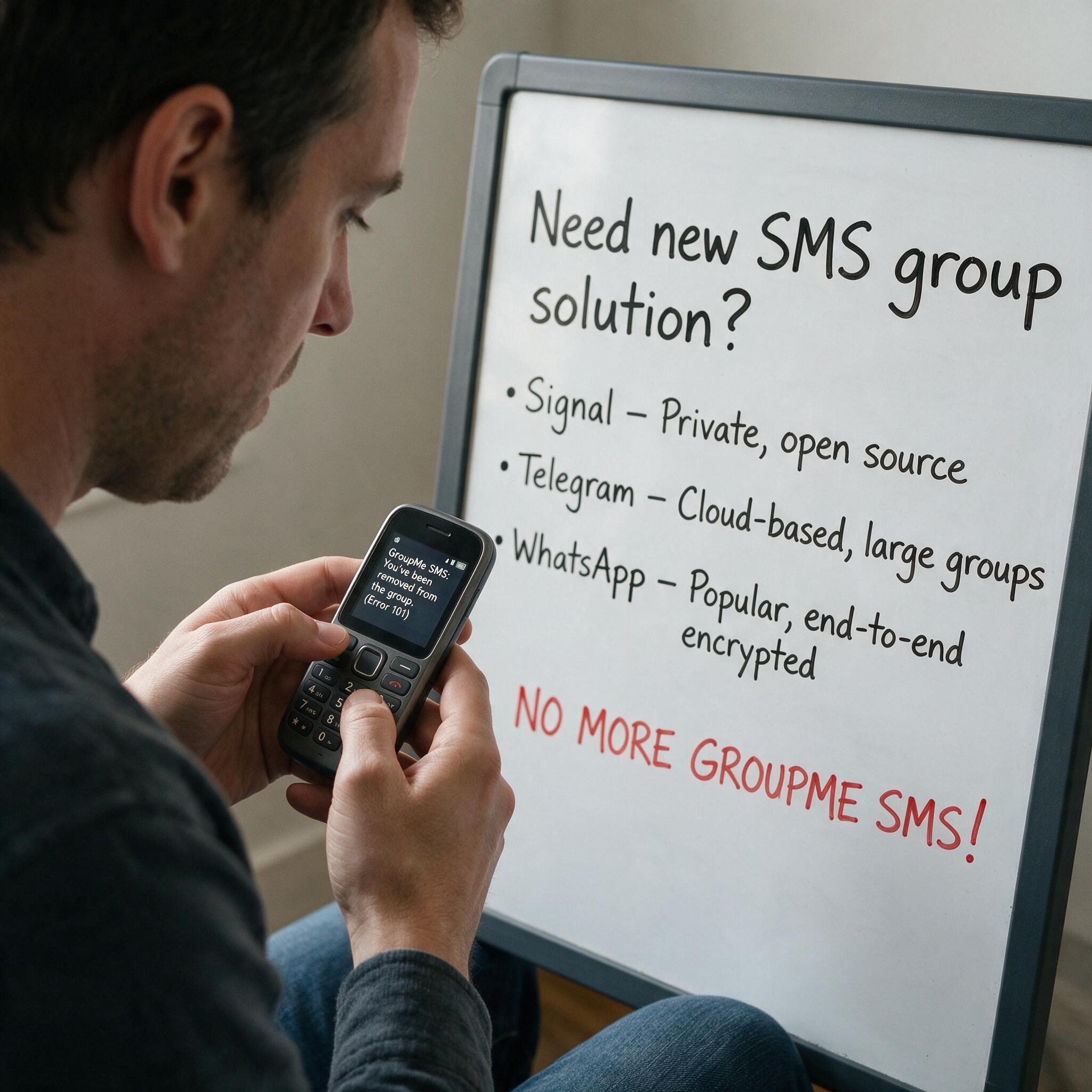

Got Kicked Out of GroupMe? Look to Evant.
Michael PedoeemGot Kicked Out of GroupMe? The Best GroupMe SMS Alternative for Jewish Communities

How to Send Targeted Alerts During Live Events
Michael PedoeemMastering Targeted Event Alerts: Real-Time Communication Strategies for Nonprofits
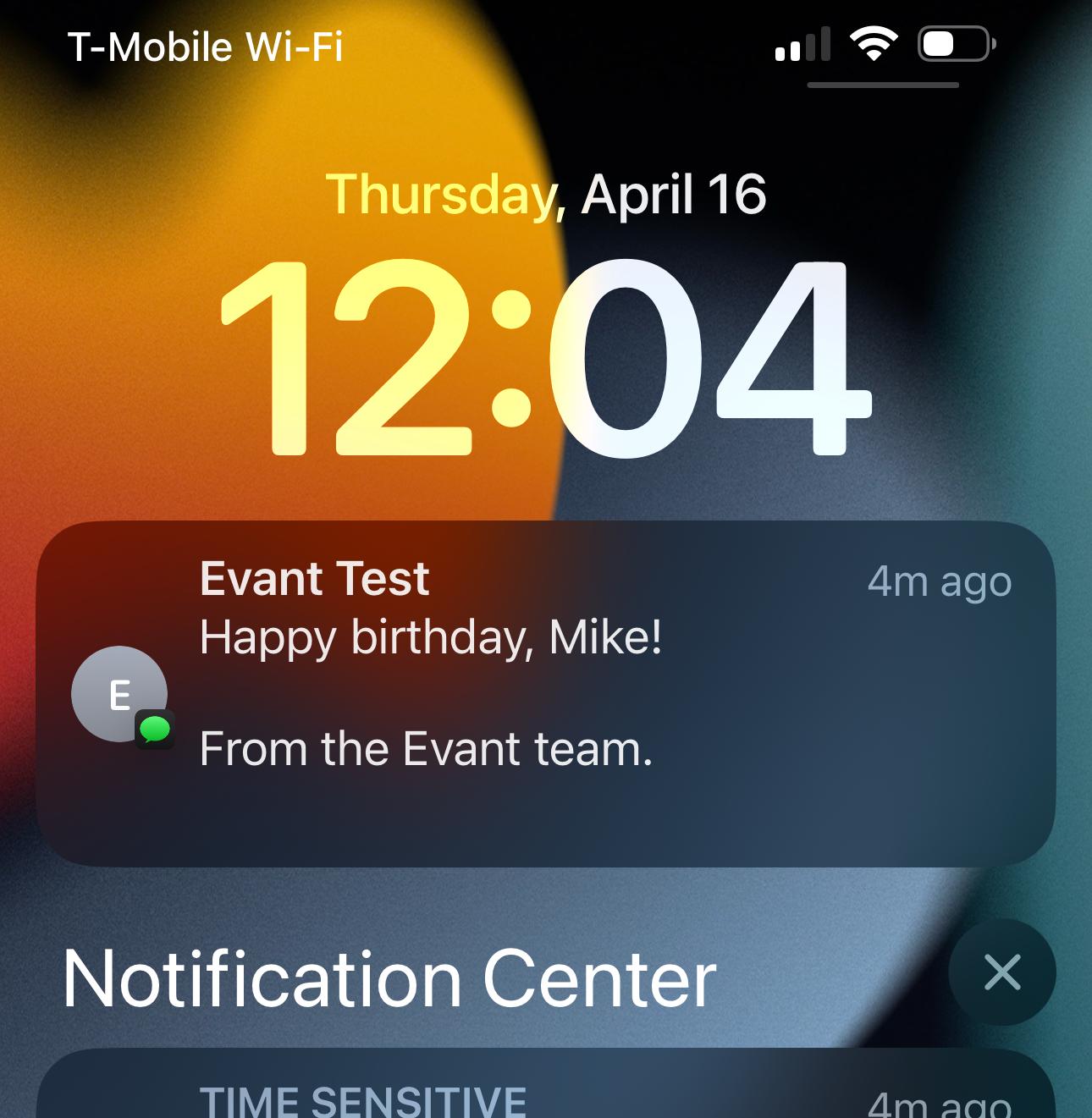
Top 7 SMS Trends for Communities in 2026
Michael PedoeemFrom AI-powered responses to text-to-donate and two-way texting — here are the 7 SMS trends every shul, school, and nonprofit needs to know about in 2026