
Why Membership Matters in Today’s Church Landscape
Attendance isn’t just a head‑count; it’s the pulse of a healthy congregation. When people show up, they bring prayer, ideas, and the energy that fuels mission work and community life. A thriving worship crowd signals that the church is living out its purpose and that members feel connected to something larger than themselves.
Community and mission go hand‑in‑hand. A church that clearly articulates why it exists and then backs that vision with real‑world outreach—food drives, neighborhood clean‑ups, or a simple “Bring a Friend” Sunday—creates a magnetic pull. Digital tools amplify that pull: SMS reminders, one‑click RSVPs, and targeted follow‑up messages keep the conversation alive between services, especially for younger families who live in texts.
The “50 Ways to Increase Worship Attendance” framework bundles these ideas into bite‑size actions—personal invitations, handwritten notes, greeter circles, clean nursery spaces, and data‑driven SMS outreach. By weaving together personal care, visible hospitality, and modern tech, churches turn occasional visitors into engaged members who help the body grow.
Cultivating a Servant Culture

When you tell people that service is a
Celebrating that impact is just as important as the ask. After the service, fire off a quick text: “Thanks for greeting, Sarah! We welcomed 12 new families today—your smile made a difference.” Those real‑time stats turn a simple thank‑you into a measurable story of kingdom work, reinforcing the “Get‑To” mindset.
The final piece is integration. Sync the volunteer list with your church CRM so leaders can match each person’s spiritual gifts and scheduling to the right role. When the data lives in one place, you can track who’s serving, who needs a follow‑up, and how service translates into deeper commitment and membership growth.
In short: frame service as a gift, use personalized SMS invites, celebrate the results with analytics, and keep everything linked in your CRM. That’s a servant culture that fuels both hearts and numbers.
Revitalizing Small Churches
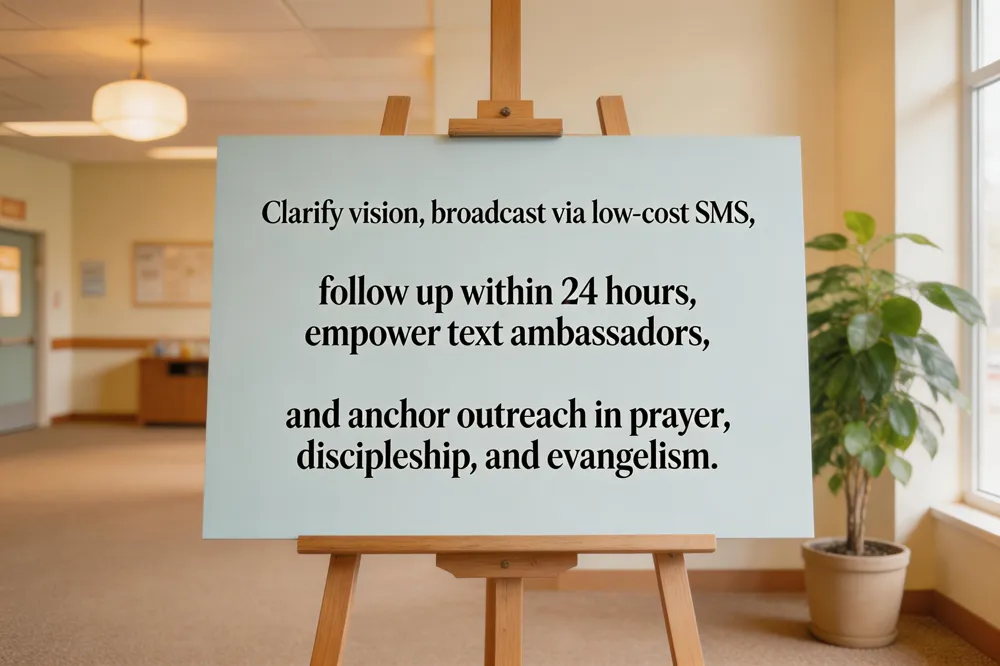
A struggling congregation first needs a crystal‑clear mission and vision. Write a one‑sentence purpose statement and display it on the welcome board, bulletin, and every SMS you send. Low‑cost SMS announcements and newsletters become the megaphone for that vision—short, punchy texts with a single RSVP keyword (YES/NO) let members confirm attendance in seconds and give you real‑time head‑counts.
Follow‑up workflow after services – Within 24 hours send a handwritten‑style text that includes a thank‑you note, a link to a digital devotional, and an invitation to a next‑step gathering (small‑group, coffee, or volunteer training). The same message can be triggered automatically by Evant’s “thank up I rule, ensuring no visitor slips through the cracks.
Empowering “text ambassadors” – Recruit a few regular attendees to become text ambassadors. Their job is to check in with newcomers, share prayer requests, and forward personal invitations via SMS. Because text is read by 98 % of recipients within three minutes, this personal touch dramatically boosts retention.
Three biblical basics – Anchor every outreach effort in prayer, discipleship, and evangelism. Use SMS to send daily prayer prompts, announce discipleship classes, and broadcast evangelism training dates. Analytics from Evant show which messages drive the most RSVPs, allowing you to fine‑tune your approach.
How to grow a small struggling church – Clarify vision, broadcast it via SMS, follow up instantly, enlist text ambassadors, and focus on prayer, discipleship, and evangelism.
Growing from 50 to 100 – Leverage RSVP tracking, targeted follow‑ups, and small‑group pathways to convert visitors into committed members.
From small church to megachurch – Scale the same SMS‑driven model, multiply small‑group leaders, and use data to adjust outreach in real time.
How to make a church grow in numbers – Consistently proclaim the gospel, invite service, provide clear calls‑to‑action, and use personalized SMS invitations to keep people connected and returning.
Understanding Capacity and Growth Metrics

Church leaders often hear the "80 % rule": when average weekly attendance tops about 80 % of a sanctuary’s comfortable seating capacity, the space is deemed too full. At that point crowding can deter newcomers, strain parking, and limit ministries, prompting churches to add services or expand facilities. Planning for this threshold means allocating roughly 30 inches per person and monitoring attendance trends weekly.
Bulk SMS is a cost‑effective way to stay on top of those trends. In the U.S., providers typically charge a few cents per message—around $0.04 for the first 5,000 texts, dropping to $0.03 for 5,001‑10,000, $0.02 for 10,001‑50,000, and $0.015 or less beyond 50,001. Platforms like Evant use a pay‑as‑you‑go model, often offering nonprofit discounts that bring the per‑text price down to $0.01‑$0.02 at high volumes.
Data‑driven attendance tracking ties the two together. By logging RSVPs, check‑ins, and follow‑up notes in a CRM, churches can spot members who have missed three consecutive services and trigger a personalized SMS within 24 hours. Handwritten notes or phone calls still work, but a well‑timed text reminder has a 98 % open rate and can be automated for each segment—new visitors, grieving families, or near‑edge attendees. This feedback loop not only protects against the 80 % ceiling but also fuels steady growth through timely, targeted outreach.
Biblical Foundations of Growth

Biblical church growth begins with a clear, God‑given vision and mission that follows the Great Commission (Matt 28:19‑20). The church must actively reach out to the lost, preaching the gospel even when it causes opposition, just as the early believers in Antioch did (Acts 11:19‑21). Evangelism isn’t limited to clergy; laypeople share the gospel in homes, workplaces, and streets, making the message accessible to the community. Cross‑cultural, relational outreach respects God’s diversity and invites people from all backgrounds into the body of Christ. Ultimately, growth is the work of the Holy Spirit; the church plants and waters, but God gives the increase (1 Cor 3:6‑7), so prayer, reliance on His grace, and faithful obedience are essential.
The core secret is that true, lasting increase comes from God’s work in fertile hearts, not from any human formula. Our role is to obey the biblical pattern: sow the seed of the gospel, trust God to bring the harvest, and repeat the process. Passion for the mission, clear vision, and a healthy relational culture create the environment where God can multiply lives. Removing barriers—using welcoming language, authentic communication, and genuine care—makes it easier for the Spirit to work.
5 key factors for church growth
Modern Tools: SMS and Digital Engagement

Text messages enjoy a 98% open rate and are read within three minutes of receipt, making them the most reliable channel for timely church communication. Because SMS reaches every phone—smart or not—it cuts through email clutter and ensures that service changes, prayer requests, and event reminders land directly in congregants’ hands.
By segmenting members by attendance history, age group, or ministry interest, churches can send hyper‑personalized texts that speak to each audience’s needs. For example, a “Bring a Friend” invitation to families with young children can be paired with a reminder to the’re‑serve team, while a “Volunteer Needed” alert targets those who have previously signed up for outreach. Platforms like Evant allow one‑word RSVP keywords (YES/NO) and automated follow‑ups, turning a simple text into a powerful engagement loop.
Real‑time dashboards track RSVP rates, check‑ins, and post‑event follow‑ups, giving leaders instant insight into which messages drive the most foot traffic. Data on consecutive absences triggers targeted outreach—handwritten notes or phone calls—before members disengage.
SMS in a church context is the use of Short Message Service—standard text messaging—to communicate quickly and directly with congregants. It lets ministries send time‑sensitive announcements, such as service changes, prayer requests, event reminders, and emergency alerts, straight to members’ phones. Because text messages are read within minutes and have near‑100 % open rates, SMS offers a highly effective way to reach all demographics, even those without internet access. Churches typically combine SMS with consent‑based opt‑ins, concise messaging, and clear calls to action to boost attendance, volunteer participation, and overall engagement. Integrated with a church’s CRM or event platform, SMS can also automate RSVPs, check‑ins, and post‑event follow‑ups.
A typical “Church Growth Strategies” PDF outlines core pillars such as a clear God‑given vision with strategic planning, a strong prayer ministry, life‑giving worship services, attractional “Big Day” events, discipleship pathways, and leadership development. It often provides step‑by‑step checklists, measurable metrics for attendance and engagement, and guidance on integrating CRM and communication tools. By using an SMS‑based platform like Evant, churches can automate RSVPs, send targeted reminders, and capture real‑time analytics to assess each growth initiative’s impact. The PDF may also include templates for prayer schedules, event check‑in flows, and post‑event surveys that sync with a church’s database. Implementing these strategies with Evant streamlines coordination, improves outreach, and ultimately boosts attendance and community involvement.
Fresh ideas for church growth
Principles and Factors of Growth

Growth starts with a compelling mission that motivates service, paired with visible pathways like welcome kiosks or “next‑step” guides. Small‑group community and relevant preaching foster maturity and invite others. A culture of personal invitation, amplified by SMS, CRM integration, and analytics, keeps communication timely and tracks engagement. Developing leaders, praying together, and regularly evaluating feedback ensure sustainable, God‑centered expansion.
4 types of church growth
Create intentional spaces for God‑focused practices—regular Bible study, diverse prayer, and obedient service. Offer clear, stepped pathways (e.g., a “first‑step” discipleship track) that guide newcomers into deeper relationships. Small‑group discussions and spiritual friendships help believers process Scripture and hear the Holy Spirit. Use targeted SMS reminders for devotionals and event check‑ins to keep the community accountable and connected. Prioritize genuine formation over activity, ensuring every program is purpose‑driven and rooted in biblical truth.
Effective Evangelism and Invitation Practices
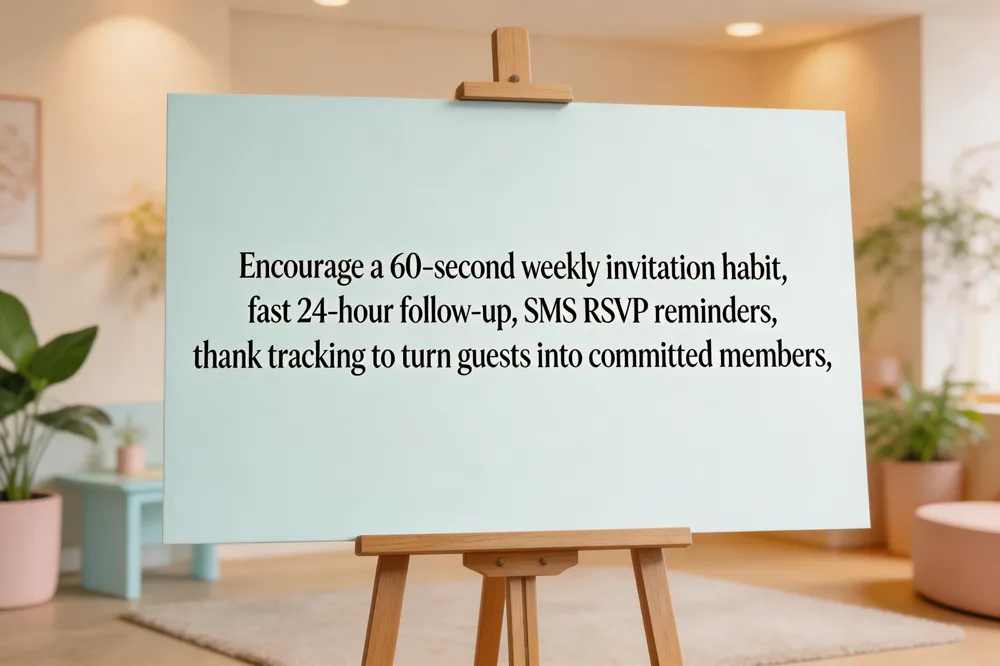
Personal invitations are the most powerful lever for growing a congregation. A brief ask signals genuine care and creates belonging that a flyer can’t. When a member spends 60 seconds each week inviting a friend—after coffee, in the lot, or during a small‑group chat—the effect compounds, turning attendees into ambassadors.
The 60‑second habit: pick a name, share “I’m going this Sunday, would you like to join?” and note the response. Doing this consistently turns invitation into a habit and the habit into a growth engine. The effort is small, the payoff measurable.
After the first visit, follow up within 24 hours with a text or note. If the guest returns a second time, send a reminder of the next service and an invitation to coffee. By the third visit, a call or brief chat seals the connection, dramatically increasing attendance.
What makes churches grow? Turning visitors into passionate, mission‑focused participants through intentional evangelism and easy involvement pathways.
How to encourage members to serve? Frame service as a gift, use reminders to match gifts with needs, and celebrate volunteers.
How to make a church grow in numbers? Combine invitations with fast follow‑up, use SMS for RSVP and reminders, and track engagement to refine process.
These practices, powered by SMS, drive lasting growth.
Community Outreach and Hospitality

Visible Signage and Directional Signs
Clear, eye‑catching signage—permanent roadside signs, temporary yard signs, and bright entrance markers—helps neighbors locate the church and feel welcomed before they even step inside. When signage includes a friendly message or QR code for service times, it turns curiosity into a footfall.
Family‑Friendly Nursery and Kids’‑In
A clean, well‑staffed nursery and Sunday School space removes a major barrier for young families. Parents are far more likely to attend regularly when they know their children are safe, supervised, and engaged in age‑appropriate activities.
Greeters and the Circle of Ten
Greeters stationed in the parking lot and at the doors set the tone for hospitality. Using the Circle of Ten practice—leaders intentionally greeting anyone within ten feet—creates a personal connection that can be reinforced by the “Rule of Three” (welcome, invite, follow‑up) during the first three minutes after the benediction.
“Bring a Friend” Days and Invitation Cards
Designate special “Bring a Friend” Sundays and distribute printed invitation cards during high‑traffic seasons like Christmas and Easter. A 60‑second weekly habit of personal invitations, amplified by SMS RSVP reminders from platforms like Evant, dramatically boosts new‑visitor numbers.
44 Ways to Increase Church Attendance
Enrich the worship experience, track attendance, and respond within 24 hours to absences. Use SMS to send personalized reminders and follow‑ups, host community‑focused events, and empower volunteers with clear, purpose‑driven roles.
Ideas to Increase Church Attendance
Track weekly attendance, reach out personally to those missing three services, and send handwritten notes or calls. Offer printed invitation cards, host themed events, and leverage data analytics to refine outreach tactics.
How to Grow a Small Struggling Church
Clarify mission, communicate via SMS alerts, use RSVP tracking, follow up with thank‑you texts, and invite newcomers to welcome lunches or small groups. Empower members as “text ambassadors” and focus on prayer, discipleship, and evangelism while measuring impact through analytics.
Data‑Driven Congregation Management

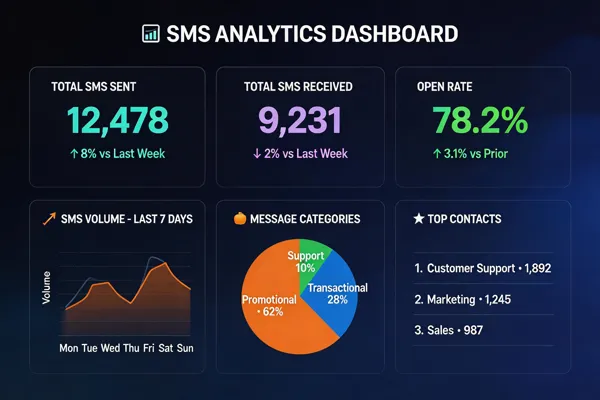
When you pair a solid analytics dashboard with real‑time RSVP tracking, you turn vague gut‑feelings into hard numbers you can act on. A dashboard that pulls attendance, new‑member sign‑ups, and event check‑ins into one view lets leadership spot trends—like a dip after a holiday or a surge when a “Bring a Friend” Sunday lands. From there,
How to grow a church numerically – Proclaim the gospel consistently, then make the visitor journey frictionless with SMS RSVP links, instant check‑ins, and follow‑up texts that guide newcomers to regular attendance. Track weekly attendance, sign‑ups, and volunteer participation in your CRM to spot growth patterns and replicate what works.
How to grow a church from 50 to 100 – Start with a compelling vision and a leadership team that models discipleship. Deploy small‑group ministries and personal follow‑ups, using Evant’s SMS tools for RSVP reminders, targeted follow‑up messages, and real‑time check‑ins. Integrate these data points into your analytics dashboard to identify retention gaps and tailor outreach.
What is SMS in church? – SMS (Short Message Service) is standard text messaging used to send time‑sensitive announcements, prayer requests, event reminders, and emergency alerts directly to members’ phones. With near‑100 % open rates and read‑within‑minutes timing, SMS is a powerful channel for reaching all demographics, especially younger congregants, and can be synced with a church’s CRM to automate RSVPs, check‑ins, and post‑event follow‑ups.
Putting It All Together – A Blueprint for Sustainable Growth
Integrating SMS tools with biblical practices means using the same personal touch Jesus modeled—quick, intentional—in a modern channel. A pastor can set up text invitation each week, echoing scriptural call to ‘go and make disciples.’ Evant lets you segment members, send a “YES” RSVP keyword, and automatically log replies, so the care team knows who needs note or prayer call after three missed services. This bridges outreach with 98 % open‑rate texting, keeping the congregation connected without paperwork.
Continuous measurement and adjustment turn intuition into data. By tracking RSVP rates, check‑in numbers, and follow‑up responses, leaders see which “Bring a Friend” days work and which letters fall flat. The analytics dashboard flags patterns of consecutive absences, prompting phone call or targeted SMS reminder. When numbers shift, you tweak message, timing, or venue—always testing, always learning.
Cultivating a culture of invitation and service starts with the habit: spend 60 seconds each week inviting neighbor, then celebrate every new face with greeting, packet, and text check‑in after the service. When volunteers see invitations translate into measurable growth, they are motivated to serve more, creating virtuous cycle of love, the outreach, and sustained attendance.