
Introducing Evant and the Impact of Modern Event Management
Overview of Evant's SMS-based platform capabilities
Evant specializes in leveraging SMS technology to enhance event management and community engagement. Its platform enables organizations to send targeted messages, reminders, and updates, improving communication efficiency and attendee participation.
SMS messaging helps nonprofits and educational institutions reach their audiences directly, fostering timely communication and increasing event attendance and engagement. This direct approach has proven valuable for organizations aiming to streamline event logistics and maximize community impact.
Importance of community engagement and event success for nonprofits and educational organizations
For nonprofits and schools, events are crucial for building community bonds, delivering educational experiences, and advancing development goals. Efficient communication tools like Evant empower these organizations to engage their communities effectively.
By integrating SMS reminders and updates, groups have observed higher attendance rates, improved program retention, and enhanced volunteer coordination. This boosts overall event success and creates meaningful experiences for all participants.
Brief context of evolving event management trends
Modern event management increasingly relies on hybrid formats, digital tools, and data-driven strategies. Platforms such as vFairs, Eventtia, and Guidebook demonstrate how virtual and mobile technologies improve accessibility, interaction, and operational efficiency.
Trends for the coming years include further adoption of AI automation, immersive experiences, and real-time analytics to optimize event planning and execution. Evant’s SMS platform complements these developments by offering a straightforward, high-impact communication channel that helps organizations adapt to today’s dynamic event landscape.
Driving Attendance and Engagement with Virtual Event Solutions

Examples of significant attendance increases through virtual event platforms
Virtual event platforms have demonstrated remarkable capabilities in boosting event attendance. For instance, Semex Global Conference Results saw a threefold increase in attendees after transitioning to a virtual format using vFairs Success Stories. Similarly, ICTC Career Fair Engagement successfully engaged over 1,100 participants at a virtual career fair, highlighting how digital platforms expand reach beyond physical constraints.
Impact of virtual event technology on engagement metrics
The adoption of virtual event technology has also led to notable improvements in attendee engagement and operational efficiency. Aviagen Check-In Time Reduction, for example, cut check-in times by 50% by utilizing streamlined virtual check-in processes. These technologies facilitate Interactive live networking features that keep participants engaged, such as live chats, networking lounges, and polls, transforming passive attendees into active contributors.
Role of platform features such as analytics and customization in event success
Advanced features like vFairs Event Analytics and Customization and Reporting Features play a pivotal role in the success of virtual events. Platforms like vFairs offer detailed post-event reporting and real-time data tracking, enabling organizers to measure engagement levels, monitor attendee behavior, and tailor content to audience preferences. Custom branding options and flexible event layouts help ensure the event aligns with the host’s goals and identity, driving higher satisfaction and repeat participation.
By leveraging comprehensive Event Management Tools, virtual platforms empower organizations to extend their reach, deepen participant interaction, and gain insights that optimize future events. This blend of technology and strategy makes virtual and hybrid events a powerful avenue for increasing attendance and engagement in today’s digital-first landscape.
Transforming Community Engagement Through Digital Tools
How have local governments and councils used online engagement platforms?
Several local governments and councils worldwide have adopted online engagement platforms to facilitate community participation effectively. For example, Wellington City Council's Balancing Act budgeting tool employed an online simulated budgeting tool called Balancing Act during the COVID-19 lockdown, successfully engaging around 700 residents in planning and budgeting discussions. Similarly, Hunter New England and Central Coast Primary Health Network in Australia launched Peoplebank online engagement platform by Hunter New England and Central Coast PHN, an online platform attracting over 820 participants from varied demographics, including traditionally hard-to-reach groups.
The Inner West Council’s community site, Your Say, Inner West community site, recorded involvement in more than 580 projects, including a storytelling initiative that collected 193 stories in just four weeks. Canadian school districts like Maple Ridge – Pitt Meadows have utilized online platforms like Let’s Talk SD42 platform by Maple Ridge – Pitt Meadows School District to hear from thousands of families quickly for critical planning purposes. This trend extends to other digital engagement efforts such as youth involvement, climate action idea crowdsourcing, and waste management strategies across multiple communities.
What benefits do digital platforms offer in broadening participation and collecting community input?
Digital platforms provide significant advantages in encouraging wide-ranging community participation and simplifying input collection. These tools break geographical and time barriers, enabling more residents to contribute their views conveniently. For instance, Coventry City Council housing engagement platform achieved over five times their usual response rate by using a dedicated housing engagement platform, illustrating the potential to reach and involve broader audiences effectively.
Mapping tools used by Wingecarribee Shire Council's digital engagement mapping tools in Australia helped identify proactive local businesses, adapting engagement strategies from traditional town hall meetings to digital forums. Online platforms also allow continuous engagement, provide real-time data analytics, and create archives for transparency and ongoing dialogue, enhancing trust and collaborative planning.
What strategies have proven effective for fostering sustained engagement during crises?
Sustaining community engagement in challenging times, such as pandemics or social upheavals, requires innovative and adaptive methods. The use of interactive and user-friendly digital tools has been critical. Councils have integrated storytelling projects and facilitated accessible online surveys to keep the public connected despite physical distancing.
Furthermore, offering diverse participation options tailored to various demographics, as seen with Kids Say youth engagement platform by Blue Mountains City Council, ensures inclusivity. Providing timely information, acknowledging community contributions publicly, and maintaining ongoing communication channels also help nurture engagement. These strategies combine to keep communities not only involved but empowered to contribute meaningfully during crises and beyond.
Leveraging Mobile Apps to Enhance Educational and Campus Events
How are mobile apps used to improve student orientation and admitted student event management?
Many universities utilize mobile apps to streamline and energize key student events. These apps provide customized schedules, interactive maps, and real-time updates that make orientation and admitted student events smoother and more engaging. For example, King’s College London Welcome Week app and the University of Memphis Law School orientation app offer tailored event experiences that encourage participation and ease navigation.
What efficiency gains and engagement improvements do app-based solutions provide?
Mobile event apps empower educational institutions by reducing manual coordination efforts and saving staff hours. Indiana Tech student engagement app not only doubled their student yield but also saved staff approximately 375 hours. These apps facilitate higher engagement by delivering personalized content, push notifications, and interactive features that boost attendance and involvement.
Can you provide examples of universities showcasing tailored event technologies?
A range of universities have showcased exceptional use of mobile technology for campus event management. Northeastern University admitted student event management effectively managed large-scale admitted student events with Guidebook, ensuring flawless coordination and attendee satisfaction. American University campus event app helped improve communication, while the University of Manchester green initiative Open Days app incorporated a green initiative via their event app during Open Days, aligning event management with sustainability goals.
Through strategic use of mobile apps, universities enhance event logistics, foster community spirit, and significantly elevate the attendee experience across educational settings.
Success Stories from Nonprofits Using SMS to Boost Event Participation
How nonprofits increased communication efficiency and participation using SMS
Nonprofits have turned to SMS communication to streamline their outreach and boost engagement. For example, CC4C Austin nonprofit SMS success, a nonprofit based in Austin, enhanced their communication efficiency by 50% using a simple texting platform. This approach allowed organizations to connect swiftly with their audiences, ensuring messages were delivered directly and promptly. By integrating SMS into their operations, nonprofits could maintain consistent contact with their communities, improving responsiveness and participation.
Impact of SMS reminders and targeted messaging on event attendance and retention
SMS reminders have proven particularly effective in increasing event attendance and retention among nonprofit beneficiaries. Workforce Solutions employment fair SMS, for instance, increased employment fair attendance by sending timely SMS reminders to interested individuals. Similarly, the Alabama Head Injury Foundation support retention achieved an impressive 88% retention rate for their support groups by leveraging targeted text messaging. These reminders act as gentle prompts that keep events and programs top of mind for participants, helping decrease no-shows and foster ongoing involvement.
Examples illustrating cost-effective engagement through text messaging
Text messaging has also allowed nonprofits to engage their communities without incurring heavy costs. Just Roots SMS efficiency and cost reduction improved their operational efficiency and cut expenses through SMS communications, demonstrating how nonprofits can achieve more with less. Additionally, U.S. Hunger click-through rate boost employed SMS campaigns that yielded an 83% increase in click-through rates, engaging over 20,000 recipients effectively and affordably. Allies For Every Child SMS event reminders successfully recruited nearly 400 families every week for SMS event reminders, highlighting how this method scales well while minimizing resource burdens.
By adopting SMS messaging, nonprofits gain a versatile and cost-efficient tool to enhance participation, communicate efficiently, and strengthen community bonds in their event initiatives.
Innovating School and Educational Events with Clear Planning and Technology
Why is goal setting, stakeholder involvement, and detailed planning essential for school events?
Successful school events begin with clear objectives that guide every aspect of planning. Engaging stakeholders—including students, teachers, and parents—ensures that the event reflects community interests and maximizes participation. Detailed planning covers scheduling, budgeting, vendor coordination, and post-event evaluation, creating a smooth experience from start to finish. For more insights, see Planning successful school events.
What types of impactful school events can communities organize?
School communities can organize a diverse range of events, each targeting different engagement and learning outcomes:
- Educational events: Science fairs, coding competitions, AI workshops, and leadership retreats foster skills and knowledge.
- Cultural and recreational events: Drama plays, choir contests, talent shows, and music festivals celebrate creativity and social interaction.
- Community-centered events: Bake sales, volunteering expos, marathons, and tutoring programs promote community involvement and social responsibility.
Explore detailed ideas in School event ideas.
How can technology enhance the organization and engagement of school events?
Modern technology simplifies key event management tasks and boosts engagement:
- Registration: Platforms like Eventtia Event Management Platform offer seamless registration and attendee management, saving time and reducing errors.
- Promotion: SMS reminders and mobile apps help keep participants informed and motivated to attend. See Nonprofit text messaging success stories for examples of effective SMS engagement.
- Engagement: Interactive apps enable live networking, feedback collection, and activity tracking during events. For more on mobile event platforms, refer to Guidebook platform diverse event use cases.
Incorporating these elements not only ensures well-executed events but also strengthens community bonds and enhances learning experiences.
The Future of Event Management: Hybrid, AI, and Immersive Experiences
What Are the Emerging Trends in Event Management?
Hybrid Events, combining in-person and virtual participation, are shaping the new norm in event formats. These models offer flexibility and greater reach, accommodating diverse audiences from anywhere in the world. Alongside this, AI Automation in Events is increasingly integrated into event management processes, streamlining tasks from registration to personalized attendee engagement.
How Are AR, VR, and Data-Driven Insights Enhancing Events?
Augmented Reality (AR) and Virtual Reality (VR) technologies are opening doors to Immersive AR and VR for Events, enabling participants to interact in visually enriched environments. These tools allow for innovative showcases and networking opportunities beyond traditional settings. Additionally, leveraging Data-driven Event Insights empowers organizers to tailor events dynamically, optimizing content and improving attendee satisfaction through real-time analytics and post-event evaluations.
What Is the Outlook for Event Management Technology?
The Event Management Software Market Growth is projected to grow significantly, expected to reach around $15 billion by 2029. This growth reflects the increasing adoption of sophisticated digital tools that enhance event planning, execution, and follow-up. As technology evolves, event managers will continue to rely on integrated platforms combining hybrid capabilities, AI functionalities, and immersive tech—creating more engaging, efficient, and impactful events for both hosts and attendees.
Key Features Driving Event Success on Modern SaaS Platforms

Seamless registration and check-in improvements
Modern SaaS event management platform prioritize easy and efficient registration processes that save time for both organizers and attendees. For example, companies like Aviagen have cut event check-in times by 50% using such tools, as shown in Aviagen Check-In Time Reduction. Seamless registration reduces wait times and fosters a positive first impression, which is crucial for maintaining high attendance and participant satisfaction.
Interactive networking capabilities and CRM integration
Beyond registration, these platforms offer dynamic interactive live networking features that enable attendees to engage meaningfully during events. Features such as live chat, video calls, and personalized agendas help attendees connect. Integration with CRM integration for events systems enhances follow-up, allowing organizers to track interactions and nurture lasting relationships. This was evident in Career Fairs On vFairs and conferences where over 1,100 engagements were recorded, significantly boosting community involvement.
Analytics and post-event reporting to measure impact
After the event concludes, detailed event analytics and post-event analysis tools provide valuable insights into attendee behavior, engagement levels, and overall event effectiveness. Organizers can access data on sessions attended, participation rates, and feedback to refine future events. Platforms like vFairs Event Analytics and Eventtia Event Management Platform empower event teams to make data-driven decisions by generating comprehensive reports and real-time analytics, thereby maximizing return on investment and stakeholder satisfaction.
Testimonials and User Experiences Highlighting Platform Effectiveness
User feedback on platform usability and professional appearance
Many organizations praise event management platforms like vFairs Success Stories and Guidebook platform diverse event use cases for their user-friendly interfaces and polished, professional designs. These qualities help event organizers deliver seamless and visually appealing experiences that resonate well with attendees.
Support quality and its role in positive event outcomes
Beyond the technology, strong customer support plays a vital role in ensuring successful events. Positive User Testimonials frequently highlight responsive and knowledgeable support teams that assist in troubleshooting and customizing event solutions.
How these factors contribute to stakeholder satisfaction and repeat use
Easy-to-navigate platforms paired with excellent support lead to higher attendee engagement and smoother event execution. This, in turn, builds trust among stakeholders, encouraging organizations to rely repeatedly on these platforms for their community and professional events.
Harnessing Technology to Create Meaningful and Impactful Events
The Role of Platforms Like vFairs and Eventtia
Modern event platforms such as vFairs and Eventtia have transformed how organizations plan and execute events. These tools boost attendance—vFairs helped Semex triple attendance at their global conference—and streamline registration and check-in processes, as seen with Aviagen cutting check-in times by half. Eventtia’s integrated features, from seamless registration to insightful analytics, elevate both physical and virtual experiences, helping organizations like Pierre Fabre Group deliver polished events.
Empowering Nonprofits and Educational Organizations
Nonprofits benefit significantly by adopting SMS communication and mobile apps for event reminders and engagement. Organizations like Workforce Solutions showed improved attendance with SMS event alerts, while youth and community services have increased retention and participation through texting. Educational institutions also see gains; apps at Indiana Tech and King’s College London enhanced student engagement and saved staff time by digitizing event interactions.
Embracing the Technological Evolution
The shift towards hybrid and virtual events aligns with growing trends such as AI-powered automation and immersive AR/VR experiences. Event management strategies now leverage data-driven insights to improve outreach and participation continuously. This evolution invites all organizations, especially nonprofits and schools, to embrace innovative digital tools that increase event impact, foster community interaction, and streamline logistics.
Related Blogs



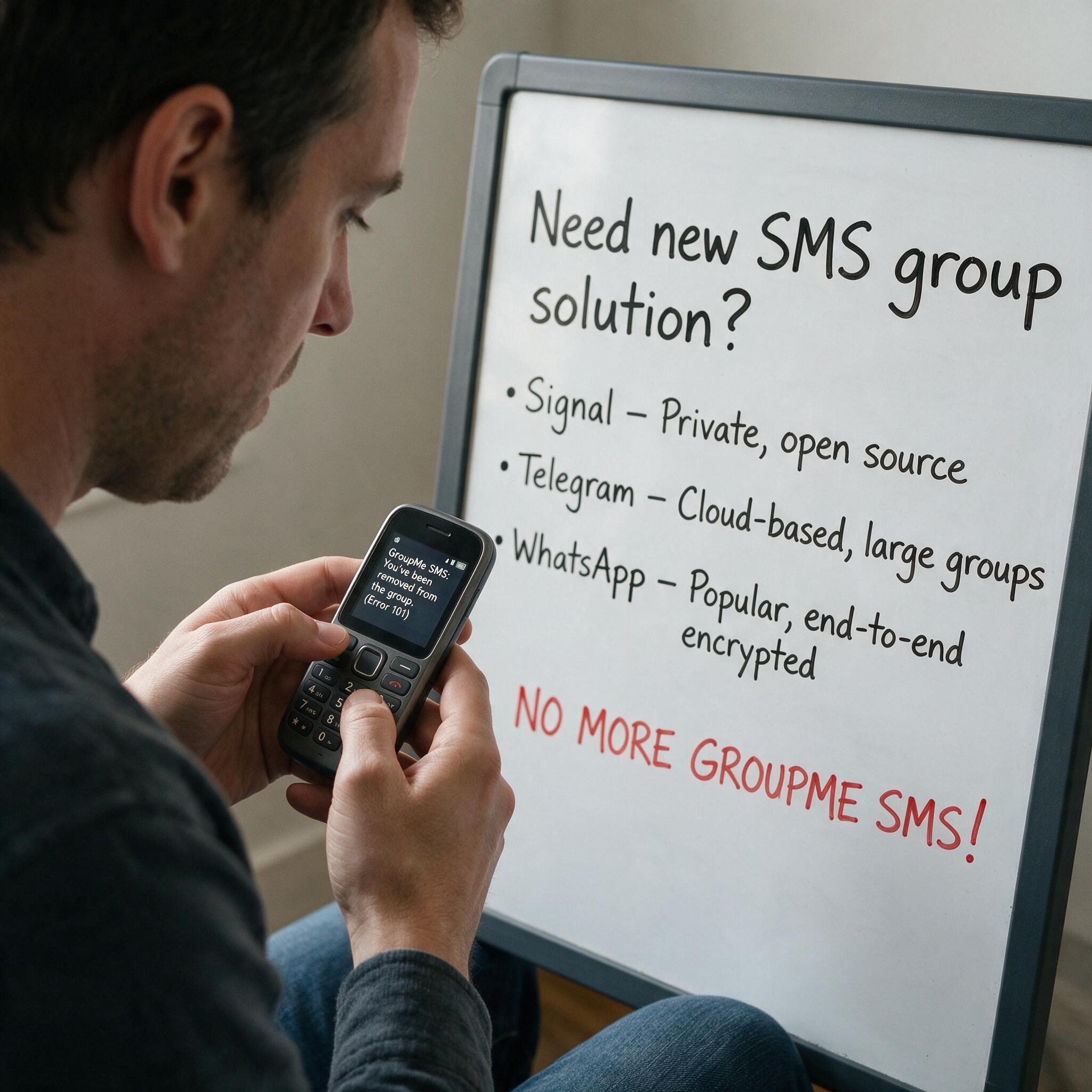
Got Kicked Out of GroupMe? Look to Evant.
Michael PedoeemGot Kicked Out of GroupMe? The Best GroupMe SMS Alternative for Jewish Communities