
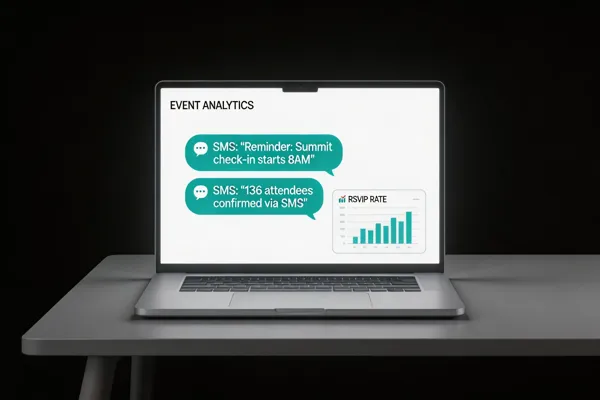
Why Seamless Payment Integration Matters
Today’s attendees expect a single, mobile‑friendly interaction where confirming a spot and paying happen in one flow. When RSVP platforms embed a PCI‑DSS‑compliant gateway such as Stripe, the checkout stays on‑brand and eliminates the extra step of a separate payment page, which research shows can drop conversion by up to 30 %. For nonprofits and schools, this frictionless experience translates into higher ticket sales, more donations, and faster cash flow. Consolidating RSVP responses with real‑time payment status also simplifies reporting, reduces manual reconciliation, and gives organizers a unified view of attendance and revenue.
Understanding Free Payment Gateway APIs
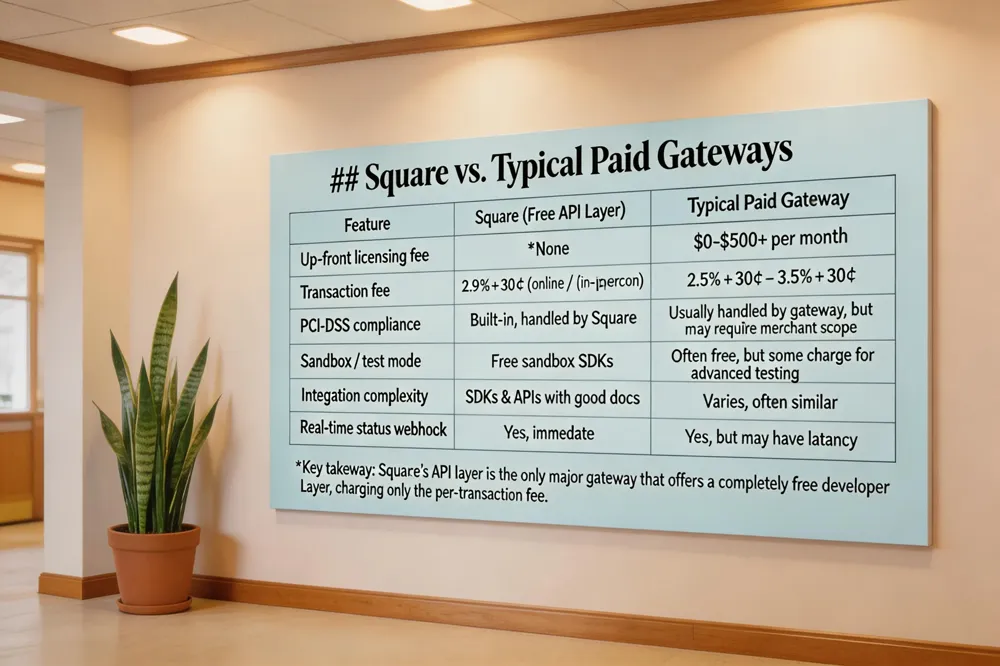 For nonprofits and schools that run events through SMS‑driven RSVP platforms, the cost of the payment gateway can make or break a budget. Square’s suite of payment‑gateway APIs — including the Web Payments SDK, Checkout API, and Payments API — is offered with no upfront licensing fees. Developers can download the SDKs, test in sandbox mode, and launch a live integration without paying a subscription or access charge. The only expense is the per‑transaction processing fee, which is typically 2.9 % + 30 ¢ for online payments (and 1.6 % for in‑person tap‑to‑pay). Because the API layer itself is free, event organizers can embed a seamless checkout link directly into an SMS RSVP, keeping the attendee experience within a single text conversation and preserving brand consistency.
Which payment gateway API is free? Square’s payment‑gateway APIs and SDKs are free to use for developers. You pay only the per‑transaction fee, making Square the only major gateway that provides a completely free API layer while still delivering PCI‑DSS‑compliant, real‑time payment status updates that can be synced back to the RSVP system for instant QR‑code ticket generation and donor receipt delivery.
The Concept of Seamless Payments
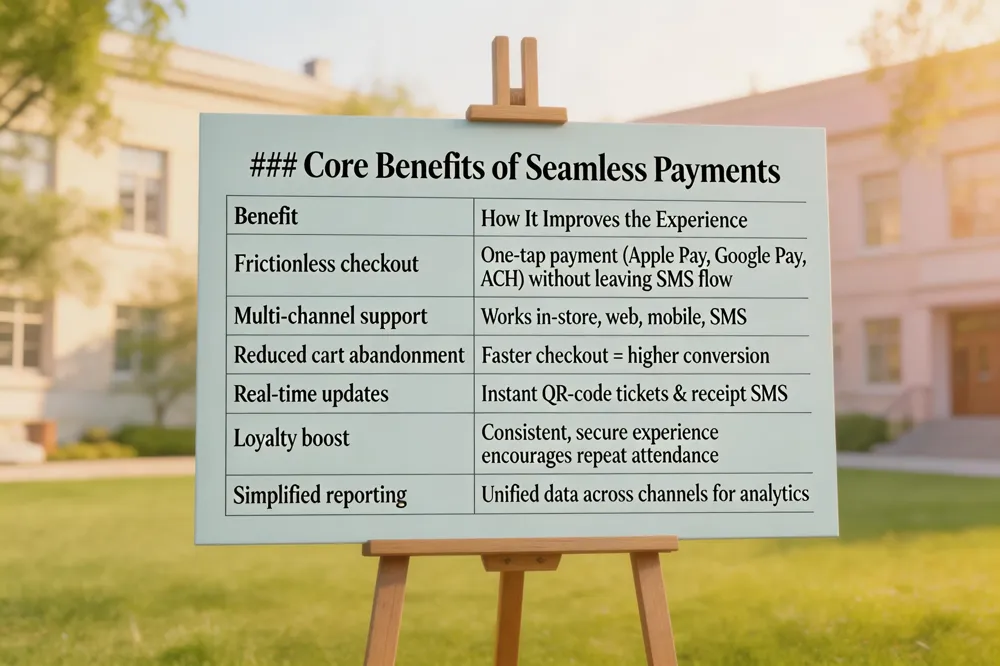 Seamless payments are frictionless transactions that let customers complete purchases instantly—whether in‑store, online, or via mobile devices—without interruptions or extra steps. They rely on integrated payment gateways, providers, and digital wallets that securely transmit and process payment data behind the scenes. By supporting multiple channels such as mobile wallets, recurring billing, and account‑to‑account transfers, seamless payments adapt to diverse consumer preferences. The technology also streamlines checkout, reduces cart abandonment, and boosts satisfaction, ultimately driving higher sales and loyalty.
Frictionless checkout across channels – RSVP platforms like RSVPify and Evant embed Stripe’s PCI‑DSS‑compliant checkout directly into SMS‑based RSVP flows, eliminating the need for separate web pages. Attendees can confirm attendance and pay in a single text interaction, whether they use a credit card, Apple Pay, Google Pay, or ACH.
Integrated digital wallets and recurring billing – Stripe’s support for Apple Pay, Google Pay, and recurring contributions lets nonprofits set up one‑time tickets or ongoing donation plans without leaving the RSVP experience. This flexibility increases conversion rates for fundraisers and subscription‑based events.
Customer experience and loyalty impact – Real‑time payment status updates trigger instant QR‑code tickets and receipt SMS, reinforcing trust. Seamless, secure payments reduce friction, encourage repeat attendance, and strengthen donor loyalty for educational and nonprofit organizations.
Pay‑Via‑SMS: Mechanics and Benefits
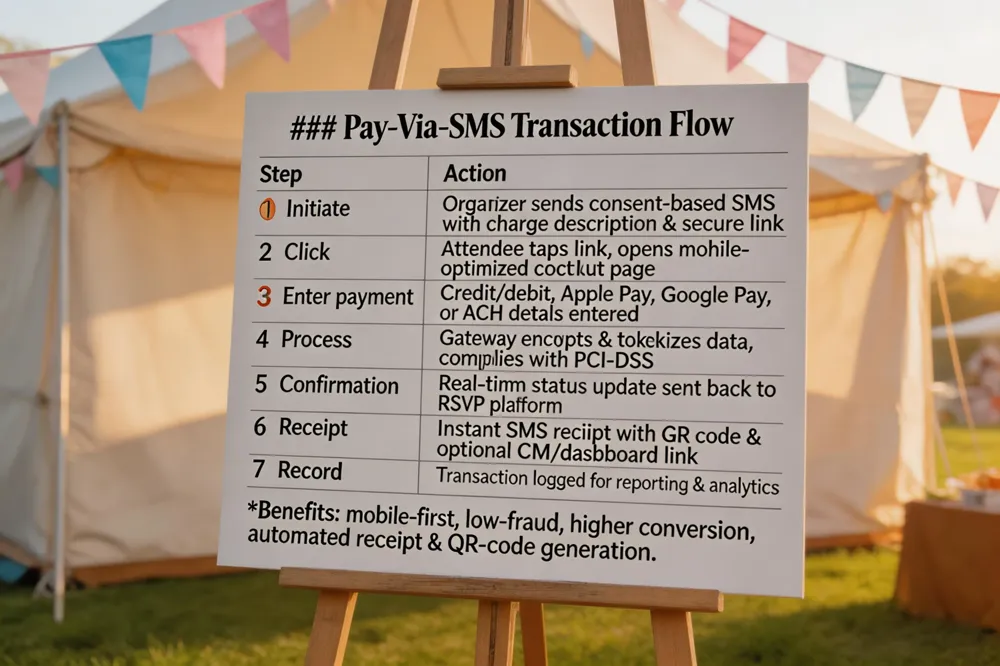 Pay‑via‑SMS works by sending a short, consent‑based text that contains a brief description of the charge and a secure, encrypted payment link. When the participant taps the link, they are taken to a mobile‑optimized checkout page—often hosted on a PCI‑DSS‑compliant gateway such as Stripe—where they can enter credit‑card, debit‑card, digital‑wallet (Apple Pay, Google Pay) or ACH details. The payment page is fully responsive, ensuring a frictionless experience on any smartphone. Once the transaction is approved, the gateway immediately not a real‑time status update back to the RSVP platform, which then triggers an instant confirmation SMS that serves as a digital receipt. This receipt can include a QR code for event check‑in and is logged in the event’s CRM and analytics dashboard for transparent reporting. Because the link is generated by the platform’s payment processor, all data is encrypted, compliance‑checked, and never transmitted via SMS, reducing fraud risk. The entire flow—request, payment, receipt, and record‑keeping—occurs within the SMS‑based event management workflow, streamlining billing, boosting conversion rates, and providing nonprofits with a fast, mobile‑first fundraising tool.
Crafting Effective Debt‑Collector Texts
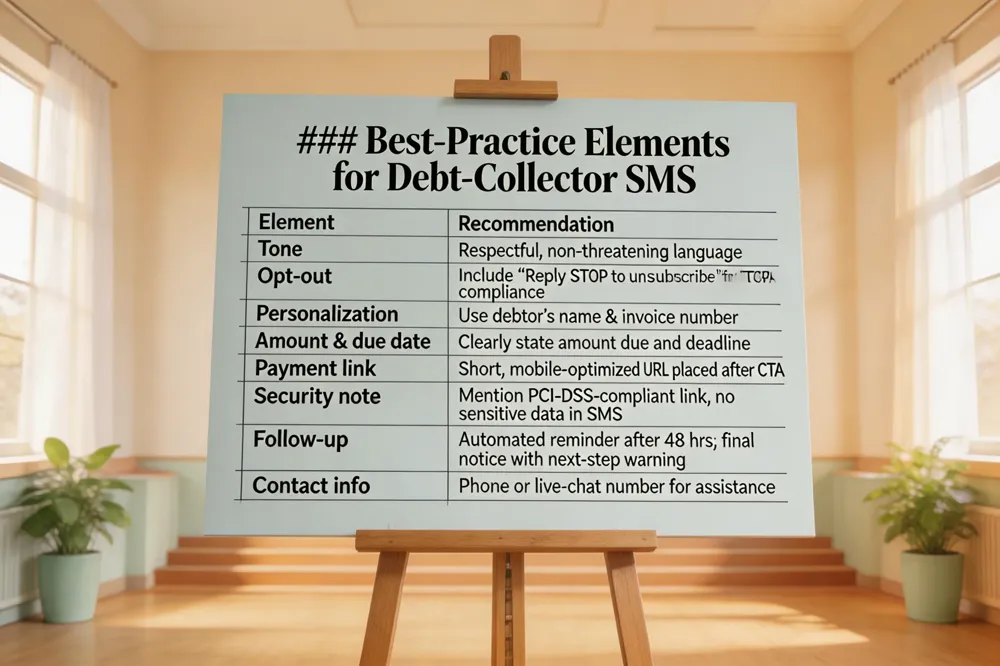 Effective debt‑collector SMS messages balance a courteous tone, strict compliance with TCPA and PCI‑DSS‑compliant payment link, and crystal‑clear payment instructions.
Tone and compliance considerations – Use a respectful, non‑threatening voice and always include an opt‑out option to satisfy TCPA requirements. Avoid disclosing sensitive financial details in the text itself; instead, direct the recipient to a secure, PCI‑DSS‑compliant payment link.
Clear payment details and link placement – State the debtor’s name, invoice number, amount due, and due date, then embed a short, mobile‑optimized payment URL right after the call‑to‑action. The link should open a Stripe‑hosted checkout (or similar) that displays the organizer’s branding, not the processor’s, to keep the focus on the cause.
Follow‑up options for unresolved balances – Schedule an automated reminder 48 hours after the initial message, offering a phone number or live‑chat for assistance. If the balance remains unpaid, send a final polite notice that outlines next steps, such as a possible service interruption, while still providing the same payment link.
Example: “Hi John Doe, this is a friendly reminder from Acme Nonprofit that your invoice #12345 for $150 was due on Mar 5. To avoid service interruption, please pay now at https://pay.acme.org/12345 or call (555) 123‑4567 if you need assistance. If you’ve already paid, thank you! – Acme Nonprofit Collections Team.”
Integrating Payment Platforms with RSVP Systems
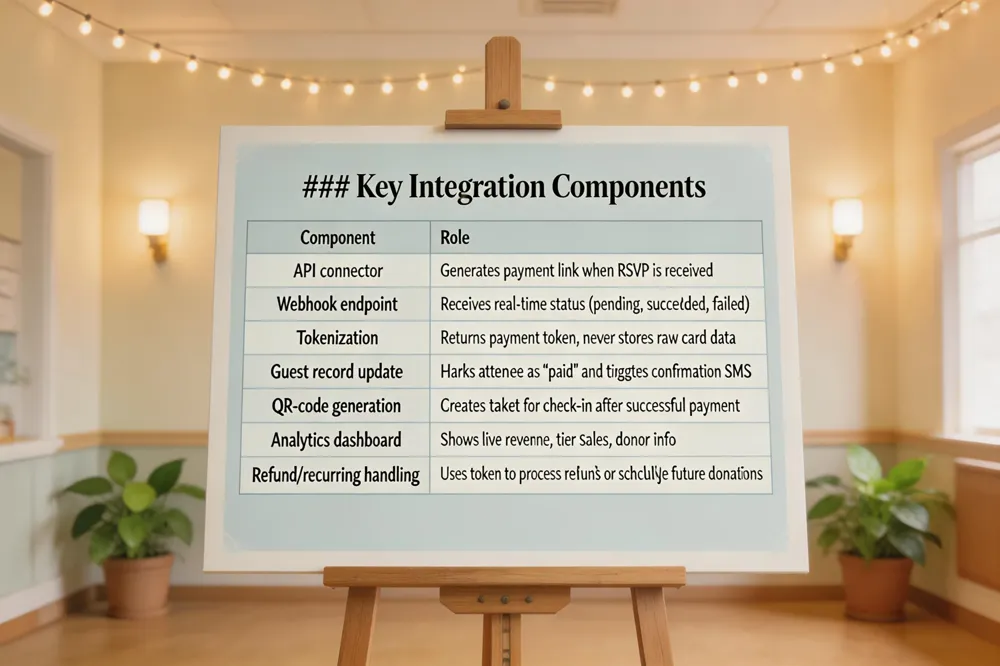 API connectors and webhook flows are the backbone of a seamless RSVP‑payment experience. RSVPify, EvAnt and similar platforms expose endpoints that let a payment gateway such as Stripe or Square create a payment link when an RSVP is received. Once the attendee clicks the link, the gateway processes the transaction and posts a webhook back to the RSVP system with status updates (pending, succeeded, failed). The platform then automatically updates the guest record, triggers a confirmation SMS, and marks the attendee as "paid" for QR‑code check‑in.
Tokenization and PCI‑DSS compliance protect sensitive card data. The gateway never stores raw numbers; instead it returns a token that the RSVP platform can reference for refunds, recurring donations, or reporting. This eliminates the need for the organizer to handle card details, reduces PCI scope, and leverages built‑in fraud tools like Stripe Radar.
Real‑time analytics and automated receipts close the loop. As soon as a webhook is received, the RSVP dashboard shows live revenue totals, tier‑wise sales, and donor information. Simultaneously an SMS or email receipt is dispatched, and the transaction can be exported to accounting software for transparent reporting. This unified flow boosts conversion, simplifies reconciliation, and gives nonprofits and educational groups a single source of truth for attendance and fundraising.
What is integration with payment platforms? Integration connects EvAnt’s event‑management system to a secure gateway, allowing donors or attendees to pay directly through SMS, web, or mobile checkout flows. The gateway encrypts and tokenizes payment data, handles authorization and settlement, and feeds transaction details back into EvAnt’s CRM for real‑time analytics and personalized messaging. It enables automated receipts, refunds, and targeted follow‑up, streamlining fundraising and ticket sales while keeping communication seamless across all channels.
Is it hard to integrate a payment gateway? Integration can be technically demanding—requiring API knowledge, PCI‑DSS compliance, tokenization, error handling, and webhook reliability. EvAnt mitigates these challenges with ready‑made connectors and a developer SDK that handle the heavy lifting. For most nonprofits and schools, adding SMS‑based RSVPs and ticket purchases becomes a low‑risk, low‑code effort.
RSVPify’s Stripe Integration and Payment Methods
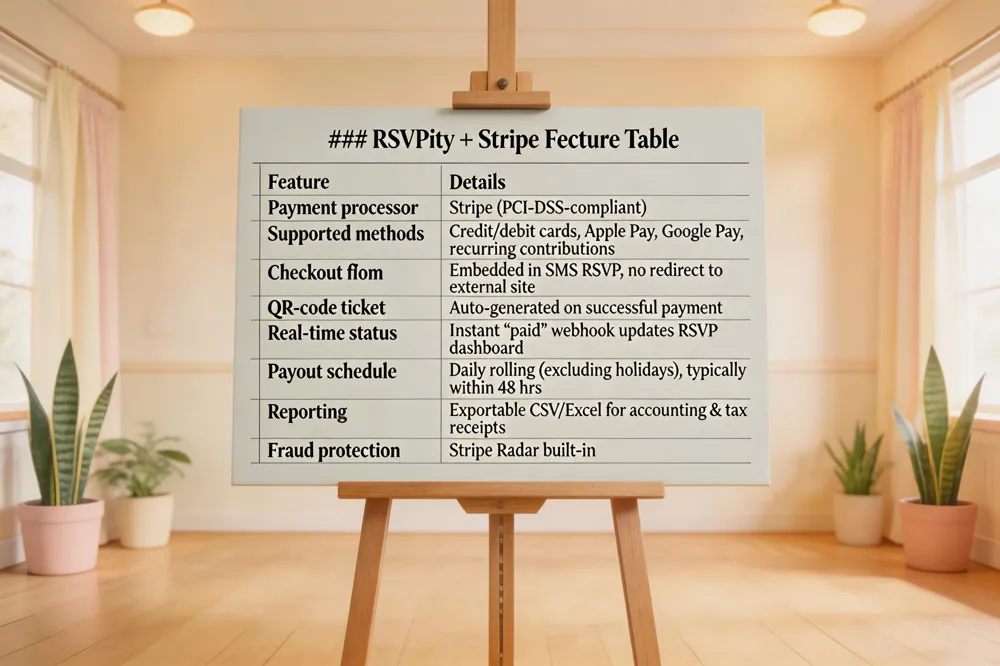 RSVPify relies exclusively on Stripe as its payment processor, giving nonprofits, schools and community groups a PCI‑DSS‑compliant checkout that never touches RSVPify’s servers. Organizers can create multiple ticket tiers, suggested donation levels, or early‑bird discounts directly in the RSVP flow, and once a purchase is confirmed Stripe instantly returns a “paid” status. The platform then generates a QR‑code ticket that can be scanned at check‑in, keeping the admission experience frictionless and fully mobile. All transactions—credit‑card, debit‑card, Apple Pay or Google Pay—are captured by Stripe, which also provides built‑in fraud detection and real‑time analytics. Payouts follow Stripe’s rolling daily schedule (excluding bank holidays), usually arriving in the organizer’s bank account within 48 business hours. Both RSVPify and Stripe dashboards show revenue, donor information and ticket‑tier performance, and the data can be exported as CSV or Excel for accounting, tax receipts or stakeholder reporting.
Does RSVPify accept payments? Yes. RSVPify processes ticket sales and donations through Stripe, allowing organizers to collect credit‑card payments without leaving the RSVP experience.
What is the payment method for RSVPify? All payments are routed through Stripe’s secure gateway, supporting credit/debit cards, Apple Pay, Google Pay and recurring contributions, with payouts typically available within two business days.
SMS Payments in Practice: Workflow and Security
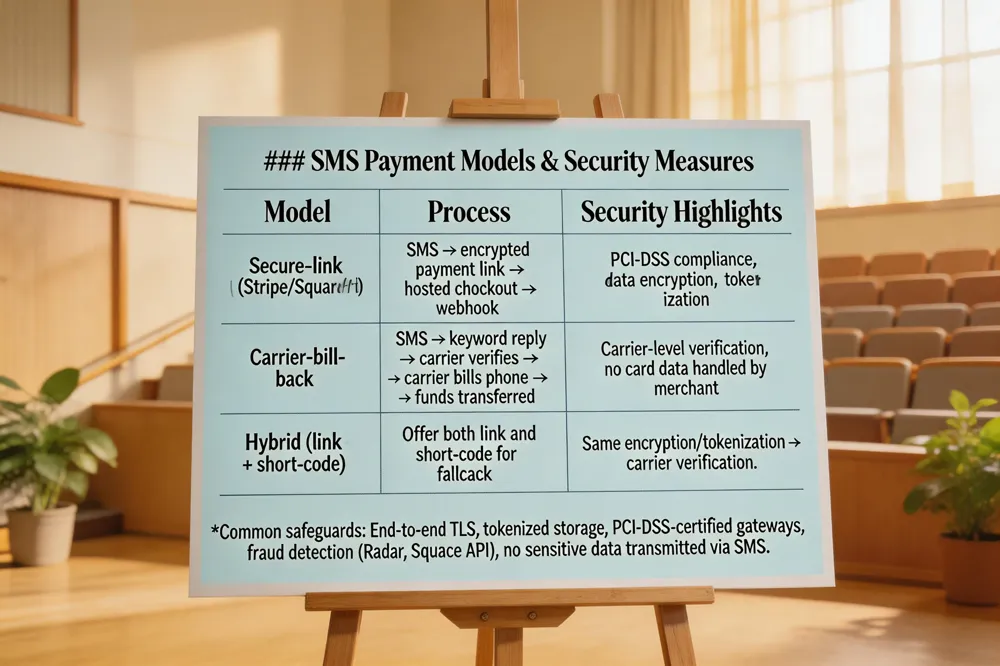 SMS payments begin when an organizer sends a text that either includes a secure link or a short‑code prompt. The recipient taps the link, opening a hosted checkout page, or replies with a keyword that triggers a carrier‑bill‑back verification code. In the secure‑link model the payment gateway (e.g., Stripe, Square, PayPal) encrypts the card data, tokenizes it, and complies with PCI‑DSS, while the carrier‑bill‑back model relies on the mobile carrier to bill the user’s phone and then routes the funds to the merchant after fee deduction. Both approaches log the transaction in the RSVP platform, giving real‑time visibility of RSVP status, QR‑code check‑ins, and revenue. Encryption and tokenization protect sensitive data; Stripe’s Radar fraud‑detection and Square’s hardened APIs further reduce risk. Common event‑payment platforms include Stripe, Square, PayPal (and Braintree), and Eventbrite, each offering APIs for ticket tiers, donation levels, and instant payout schedules, making them ideal for nonprofits, schools, and political campaigns that need secure, mobile‑first payment flows.
Future‑Ready Event Finance with Evant
Evant’s SMS‑first payment flow lets nonprofits embed Stripe‑powered checkout links directly into text invitations, so donors and ticket buyers complete transactions without leaving the messaging thread. Because payment status updates sync in real time, the same data set populates donor, attendee, and staff dashboards, eliminating manual imports and enabling instant reporting. The platform continuously adopts PCI‑DSS‑validated tokenization, Radar fraud detection, and automated webhook monitoring, ensuring compliance and security while the organization scales its fundraising and event logistics.
Related Blogs


Got Kicked Out of GroupMe? Look to Evant.
Michael PedoeemGot Kicked Out of GroupMe? The Best GroupMe SMS Alternative for Jewish Communities

How to Send Targeted Alerts During Live Events
Michael PedoeemMastering Targeted Event Alerts: Real-Time Communication Strategies for Nonprofits
Top 7 SMS Trends for Communities in 2026
Michael PedoeemFrom AI-powered responses to text-to-donate and two-way texting — here are the 7 SMS trends every shul, school, and nonprofit needs to know about in 2026