
Introduction to SMS Event Invitations and Their Impact
The Power of SMS in Event Marketing
SMS has revolutionized how organizers connect with their audiences. With an astounding open rate of around 98%, SMS messages are typically read within minutes, ensuring that event information reaches recipients promptly and effectively.
Exceptional Engagement Rates
Unlike email, which tends to have open rates hovering around 20-27%, SMS offers unmatched visibility and response. This immediacy allows organizers to send invitations, reminders, and last-minute updates that actually get noticed, resulting in higher RSVPs and attendance.
Cost-Effective Communication
SMS is a budget-friendly alternative to traditional marketing. It eliminates postal expenses and reduces the need for multi-channel outreach. Platforms supporting SMS streamline campaign management, offering automation, segmentation, and personalization at a fraction of typical costs.
Advanced Features to Boost Attendance
Modern SMS tools integrate with CRM and registration systems to tailor communications based on attendee status. Features like scheduling, two-way messaging, and analytics empower organizers to maintain engagement throughout the event lifecycle—before, during, and after—fostering community participation and event success.
Why SMS Outperforms Traditional Event Invitations
SMS Open Rates Versus Email
SMS messages boast an outstanding open rate of around 98%, significantly outpacing email open rates which often hover near 20-27%. This huge difference means text invitations have a far greater chance of being noticed and acted upon.
Immediate Visibility of SMS Messages
Most SMS messages are read within minutes of receipt — often within three minutes. This immediacy enables event organizers to convey time-sensitive information swiftly, from invites and updates to last-minute changes, ensuring the audience stays well-informed.
High Engagement and Quick Response Times
SMS invites generate rapid responses thanks to their direct nature. Users tend to reply or RSVP promptly, often enabled by embedded links or keywords facilitating quick confirmation. Two-way texting further enhances engagement by allowing recipients to ask questions or interact directly.
Mobile-First Nature of SMS Making It Universally Accessible
Since nearly everyone carries a mobile phone, SMS is inherently mobile-first. No downloads or app installations are needed — only a cellular-connected phone. This universal accessibility removes barriers, making SMS invitations more effective across diverse demographics compared to traditional email or printed invitations.
In sum, SMS combines high visibility, immediate delivery, and ease of use to surpass traditional event invitation channels, helping organizations boost attendance and engagement effortlessly.
Crafting Strategic SMS Event Invitations That Drive Attendance
Essential Details to Include in SMS Invitations
Effective SMS invitation advantages should be concise yet comprehensive, providing all necessary event details upfront. These include the event name, date, time, location or virtual meeting link, and importantly, an RSVP or ticketing link. Including these elements ensures recipients have the information they need to decide and act quickly.
Personalization Techniques such as Using Recipient Names and Segmenting Audiences
Personalizing invitations by addressing recipients by name significantly boosts engagement. Segmenting the audience—such as based on registration status, VIP level, or past attendance—allows tailored messaging that resonates better with each group. This targeted approach increases relevance and encourages higher response rates.
Incorporating Clear Calls to Action Like RSVP or Ticket Links
Every invitation should have a clear, compelling call to action (CTA). A direct RSVP button or a clickable ticket purchase link guides recipients smoothly towards confirming attendance. Including CTAs reduces friction in the registration process and drives quicker responses.
Timing Best Practices for Sending Invites and Reminders
Timing plays a crucial role in the success of SMS invitations. Initial invites are ideally sent 2-3 weeks before formal events and about one week ahead for casual ones. Strategically schedule follow-up reminders a week prior and final reminders 24-48 hours before the event. Mid-morning to mid-afternoon sends tend to garner better engagement. Automated SMS scheduling tools can help deliver these messages punctually without overwhelming your audience.
Leveraging Automation and Segmentation to Maximize Engagement
Scheduling SMS campaigns across event timelines
Effective SMS marketing for events relies on strategically scheduling messages at various stages: pre-event, day-of, and post-event. Pre-event texts can serve as sending pre-event SMS invitations or SMS reminders to improve attendance sent weeks or days ahead to build anticipation and confirm attendance. Day-of messages provide day-of event SMS updates, directions, or schedule changes to ensure attendees are informed in real time. Post-event SMS follow-ups, such as thank-yous or post-event SMS follow-ups, foster ongoing engagement and promote future participation.
Using segmentation by registration status, VIP classification, or attendee interest
Segmenting your SMS recipient list enhances messaging relevance and engagement. By grouping contacts based on registration status (e.g., registered, waitlisted), VIP classification, or specific interests, organizers can send targeted SMS campaigns. For instance, VIP guests might receive exclusive offers or early access, while undecided registrants get personalized SMS for attendees. This approach increases the likelihood of responding positively to invitations and reduces message fatigue.
Automation tools that facilitate personalized mass messaging
Automation platforms enable seamless scaling of SMS campaigns while maintaining personalization. Tools like Textellent, Mailchimp, and Voxie support scheduling, dynamic content insertion (such as recipient names), and multi-path messaging flows. These technologies automate invites, reminders, and event updates ensuring messages reach the right audience at optimal times without manual effort. Automation also supports two-way SMS messaging for RSVPs and inquiries, improving attendee experience.
Managing opt-ins and opt-outs for compliance and list hygiene
Maintaining compliance with regulations like the TCPA is essential when using SMS marketing. This requires collecting explicit opt-in SMS marketing consent before sending messages and providing recipients easy opt-out options. Platforms typically handle SMS compliance and opt-in management, frequency controls, and opt-out processing to keep lists clean and respectful of subscriber preferences. This compliance not only avoids legal penalties but also builds trust and increases engagement rates by contacting only willing participants.
Enhancing Event Communication Through Two-Way and Multimedia Messaging
What are the benefits of two-way texting for RSVPs and real-time questions?
Two-way texting for RSVPs transforms event communication from a one-sided broadcast into an interactive dialogue. It allows attendees to easily RSVP via text, ask last-minute questions, and share preferences instantly. This immediacy leads to quicker confirmations and reduces no-shows by keeping guests engaged. Additionally, organizers can respond in real time, addressing concerns or providing clarifications promptly, enhancing overall attendee satisfaction.
How can MMS with images or GIFs capture attention?
Incorporating multimedia such as images, GIFs, or short videos within SMS messages (via MMS with images and GIFs) significantly boosts engagement rates. Visual content makes invitations and reminders more eye-catching and memorable. For example, sending event flyers, countdown animations, or venue maps as MMS messages helps highlight important details and encourages recipients to take action. Multimedia enriches the message experience, making it stand out amidst the daily text clutter.
What is the role of interactive elements like polls and surveys for engagement?
Interactive features like SMS polls and surveys for event engagement invite attendees to participate actively before, during, and after events. These tools can gauge interest, collect feedback, and tailor the event experience to audience preferences. For instance, organizers can use pre-event surveys to select session topics and post-event polls to measure satisfaction. This engagement fosters a sense of community and involvement, increasing loyalty and making attendees feel valued.
How do these tactics improve attendee experience and attendance?
Combining two-way SMS communication, multimedia, and interactivity creates a dynamic communication stream that enhances attendee experience. Immediate responses and personalized content keep participants informed and connected. Visual cues via MMS improve message visibility and comprehension. Interactive feedback tools empower attendees to influence event elements. Together, these approaches reduce uncertainty, build excitement, and lead to higher attendance rates and more successful events.
Integrating SMS with CRM and Analytics for Informed Campaign Management
CRM integration benefits for contact and attendee management
Integrating SMS with CRM systems streamlines contact and attendee management by centralizing communication data alongside event and registration details. This integration allows event organizers to maintain up-to-date attendee profiles, automate personalized messages, and segment audiences effectively, ensuring that invitations, reminders, and updates reach the right people at the right time.
Tracking key engagement metrics like open, click-through, and conversion rates
Using SMS platforms connected to CRM, organizers can track vital engagement metrics such as SMS marketing open rates, click-through rates (CTR), and conversion rates. These analytics provide insight into how recipients interact with SMS communication, revealing which messages drive registrations or actions and which fail to engage effectively.
Using analytics to refine messaging and maximize attendance
Continuous monitoring of tracking SMS engagement metrics enables event managers to refine their messaging strategies. For example, analyzing which message types or send times generate the highest response can guide future outreach planning. Targeted segmentation combined with performance data maximizes attendance by delivering relevant, timely, and personalized communication.
Examples of platforms supporting these capabilities
Several SMS platforms offer CRM integration and robust analytics for event marketing:
- Blackthorn: A Salesforce-native platform providing centralized message management, automation, and real-time engagement metrics within the CRM.
- Textellent: Supports automation, personalization, compliance, and analytics integration for streamlined campaign management.
- Mailchimp: Enables coordinated SMS and email campaigns with scheduling and audience segmentation, along with detailed performance tracking.
- Voxie: Offers AI-powered conversational SMS, localized messaging, and multi-path sequences with engagement tracking to optimize campaigns.
- CrowdPass: Integrates ticketing and attendee data with SMS communication, providing analytics on message success rates.
By leveraging SMS-CRM integration and analytics tools, event organizers can execute more informed and effective SMS marketing campaigns that boost attendance and engagement.
SMS Event Invitations in Nonprofit and Educational Contexts
Why SMS Is Especially Effective for Nonprofits and Schools
SMS messaging stands out with a 98% open rate, far surpassing email rates, making it a powerful channel for nonprofits and educational institutions to communicate urgent event details and updates. Its immediacy—texts are typically read within minutes—ensures that messages reach supporters quickly, fostering timely engagement. For schools and nonprofits, SMS provides a mobile-first, highly accessible way to connect supporters, volunteers, donors, and community members on their preferred device without requiring app downloads.Benefits of SMS Marketing for Nonprofits
Ethical and Legal Approaches to Collecting Opt-Ins
Collecting SMS opt-ins is crucial to ensure compliance with legal frameworks like the TCPA. Nonprofits and schools can ethically gather opt-ins via online forms, flyers with QR codes, keywords with shortcodes, and during events.Double opt-in strategies for SMS compliance SMS opt-in strategies Double opt-in strategies, such as confirmation texts, reinforce subscriber consent and promote trust.Collecting SMS opt-ins This permission-based approach not only respects privacy but also increases the likelihood of recipient engagement.
Engaging Volunteers, Donors, and Communities with SMS
SMS enables nonprofits and schools to send personalized invitations, reminders, and last-minute updates that activate their networks efficiently. For volunteers, automated schedule reminders and emergency alerts streamline management.Volunteer management via SMS Donors receive tailored messages with impact stories and donation links, enhancing stewardship.Fundraising with SMS Communities benefit from accessible alerts promoting events, volunteer opportunities, and advocacy campaigns.Advocacy campaigns with texts Interactive features like two-way messaging and surveys further deepen supporter participation.Interactive polls and surveys
Boosting Event Turnout and Sustaining Supporter Relationships
By integrating SMS invitations with clear calls to action—such as RSVP links—and scheduling messages at optimal times, organizations improve attendance rates substantially.SMS invitation advantages Optimal SMS timing Post-event SMS follow-ups with thank-you messages and feedback surveys sustain long-term engagement, fostering ongoing relationships.post-event SMS follow-ups The rapid and personal nature of SMS, combined with segmented, targeted communication, helps nonprofits and schools activate their supporters effectively, increasing event success and overall mission impact.Using SMS to boost alumni event attendance
Future-Proofing Event Attendance with Scalable SMS Solutions
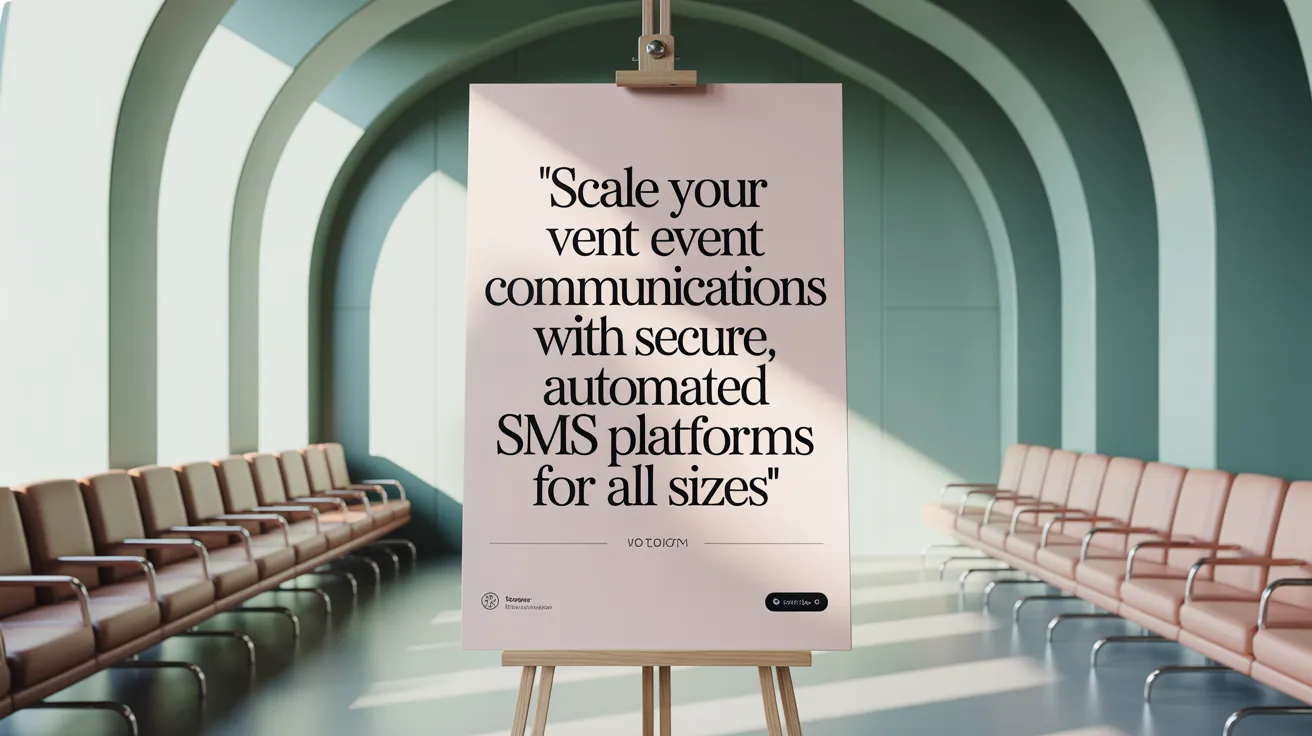
Scalability of SMS Platforms for Events of All Sizes
Scalable event management platform can efficiently manage communication for events ranging from small gatherings to large conferences. These systems support bulk SMS messaging for events to reach thousands of attendees instantly, and offer automated SMS scheduling and triggering of personalized messages to maintain relevance. This flexibility allows organizers to streamline outreach without compromising quality, ensuring real-time SMS delivery for event updates regardless of event size.
Compliance with Legal Regulations and Data Privacy
Leading SMS solutions prioritize compliance with regulations such as the TCPA compliance for SMS messaging and broader data privacy standards including PCI and HIPAA compliance. They offer features for managing opt-in and opt-out SMS rules, audit trails, and data security. Ensuring legal adherence helps organizations maintain trust with their audience and avoid penalties.
Enterprise-Grade Platforms Offering Automation and Security
Enterprise SMS platforms integrate deeply with CRM integration for event management systems to unify event data and automate communication workflows like reminders, confirmations, and last-minute updates based on real-time SMS delivery. With robust security measures, including encrypted messaging and secure administration controls, they cater to regulated sectors such as nonprofits, healthcare, finance, and education.
Emerging Trends: AI-Powered Responses and Localized Messaging
Modern SMS tools include AI-driven conversational capabilities that handle inquiries automatically, enhancing engaging attendees with SMS without additional staff effort. Local area code messaging increases recipient trust and response rates. These innovations contribute to smarter, more personalized event communication that adapts to evolving participant expectations.
Conclusion: Driving Success with Strategic SMS Invitations
Harnessing the Power of SMS for Event Success
Strategic SMS invitations are proven to dramatically improve event attendance with open rates soaring up to 98%. Their immediacy and directness cut through digital clutter, ensuring your message is seen quickly.
Essential Insights for SMS Messaging
Successful SMS campaigns focus on precise content—clear event details with strong call-to-actions, personalized touches, and segmented audience targeting. Timing is crucial; well-planned sequences of invites, reminders, and last-minute updates maximize impact.
Embrace SMS as Your Event Communication Backbone
Leveraging modern SMS management tools not only streamlines communication but also enhances engagement and reduces no-shows. Making SMS a core communication pillar is a smart move for any organizer aiming to boost participation and streamline event logistics effectively.
Related Blogs



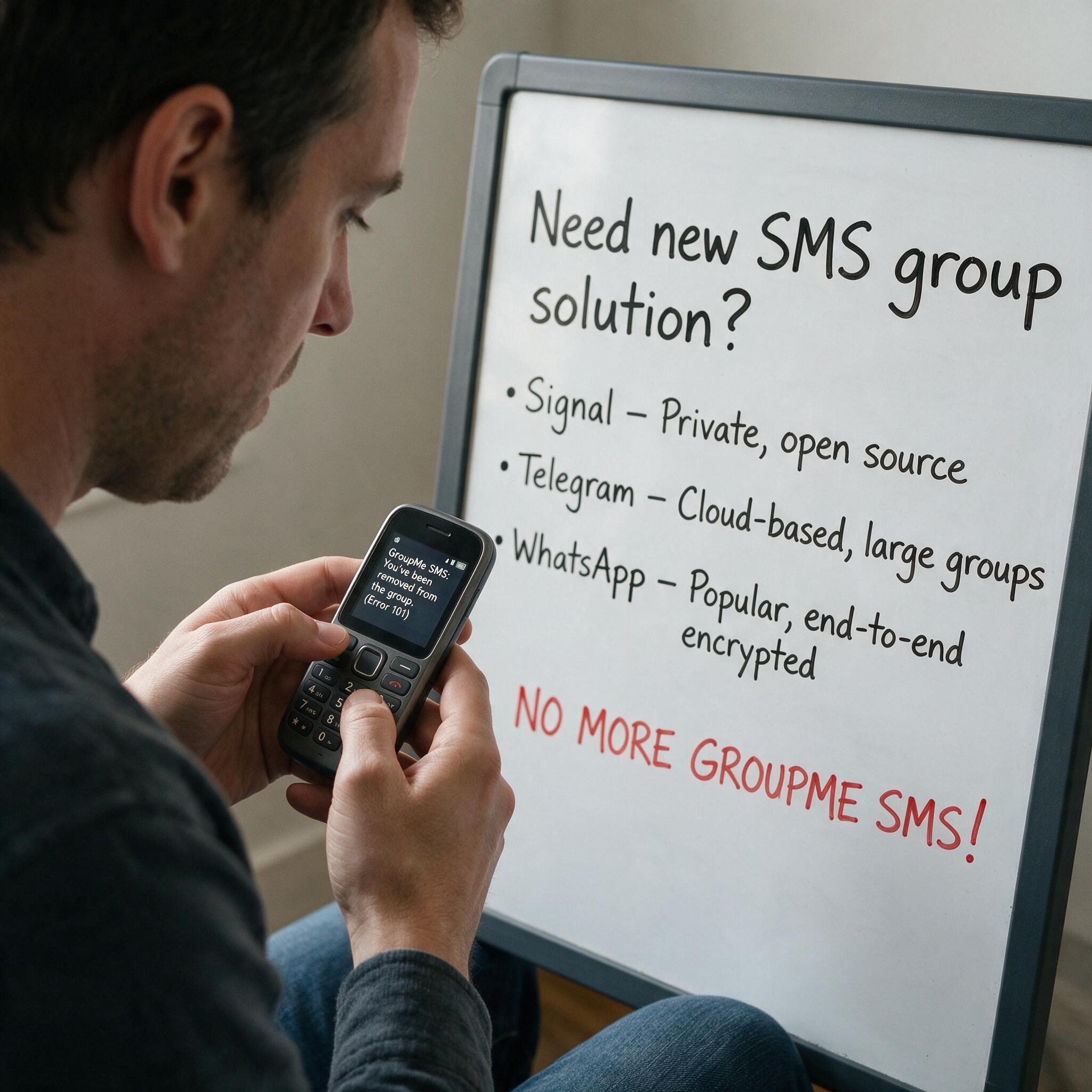
Got Kicked Out of GroupMe? Look to Evant.
Michael PedoeemGot Kicked Out of GroupMe? The Best GroupMe SMS Alternative for Jewish Communities