
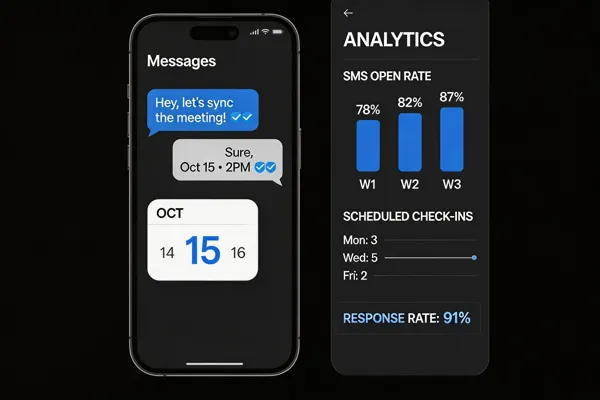
Why SMS Engagement Matters
SMS remains the most reliable channel for reaching community members because it delivers an eye‑catching open rate of 98‑99 %—far above the typical 20‑30 % for email. In practice, a text is read within minutes, often before any other notification, which means urgent updates, event reminders, or fundraising appeals are seen almost instantly. For nonprofits and educational institutions, this immediacy translates into higher attendance, faster volunteer sign‑ups, and quicker donation responses.
The speed of SMS also supports two‑way conversations, allowing supporters to RSVP, ask questions, or provide feedback in real time. This conversational loop reduces friction, cuts down on paperwork, and creates a personal relationship at scale. When a text includes a short keyword reply, event check‑ins can be completed in seconds, slashing on‑site wait times and improving data accuracy for reporting.
Because every adult in the United States owns a cell phone, SMS reaches the broadest possible audience, including those without smartphones or reliable internet access. The combination of ultra‑high open rates, instant delivery, and direct two‑way interaction makes SMS a cornerstone of modern nonprofit and education outreach, driving higher engagement, stronger donor loyalty, and smoother event logistics—all while keeping costs predictable and compliance straightforward.
Foundations of Community Engagement

The 3 C’s of Community Engagement
The three Cs of community engagement are clarity, consistency, and connection. Clarity means communicating your mission, goals, and expectations in a transparent, easy‑to‑understand way so members know why they matter and how to get involved. Consistency involves delivering messages, experiences, and follow‑ups on a regular schedule, building trust and reinforcing the organization’s brand. Connection is about fostering genuine relationships, encouraging two‑way dialogue, and creating opportunities for members to interact and collaborate. Together, these pillars help nonprofits and educational groups sustain meaningful participation and grow their communities.
The 5 C’s of Community Engagement
The 5 C’s of community engagement are Connection, Conversation, Commitment, Collaboration, and Contribution. Connection builds an emotional bond between members and the cause, helping people feel welcomed and valued. Conversation creates a two‑way dialogue, ensuring voices are heard and feedback shapes future actions. Commitment encourages long‑term involvement by offering clear next steps and recognition for ongoing participation. Collaboration turns members into co‑creators, letting them work together on shared goals and projects. Contribution measures the tangible impact each participant makes, from hours volunteered to outcomes achieved.
Building Clarity, Consistency, Connection, Conversation, Commitment, Collaboration, and Contribution
A robust community SMS platform like Evant.app turns these C’s into daily practice. By using personalized two‑way messaging, organizations can deliver clear, consistent updates (e.g., event RSVPs and check‑ins) that instantly reach supporters’ phones—an channel with a 98‑99% open rate. Targeted messaging lets you segment audiences by interests, past attendance, or donor tier, fostering meaningful connection and conversation without overwhelming the list. Automation tools schedule reminders, thank‑you notes, and post‑event surveys, reinforcing commitment and reducing manual workload.
CRM integration synchronizes SMS interactions with donor or member records, creating a single source of truth that supports collaboration across fundraising, volunteer coordination, and education teams. Real‑time analytics dashboards provide metrics on delivery, response, and attendance, giving insight into how each C is performing and where adjustments are needed.
Finally, compliance features—opt‑in verification, STOP keyword handling, and audit trails—protect privacy and maintain trust, ensuring that the community feels safe to contribute and engage. When clarity, consistency, connection, conversation, commitment, collaboration, and contribution are embedded into the SMS workflow, nonprofits and schools can boost participation, streamline event logistics, and build lasting relationships with their audiences.
Compliance and Legal Landscape
What are the legal requirements for SMS marketing? In the United States, SMS marketing is permissible only when the recipient has given explicit, written consent (opt‑in) to receive promotional texts. The consent must be clear about the type and frequency of messages, and each outbound text must include a free, easy‑to‑use opt‑out keyword such as “STOP.” Marketers must comply with the federal Telephone Consumer Protection Act (TCPA and the CTIA’s Best Practices, which prohibit sending messages to numbers obtained without permission, using purchased lists, or contacting recipients outside allowed hours (generally 9 a.m.–9 p.m. local time). Certain states, for example Texas, impose additional registration, security‑deposit, and quiet‑hour restrictions. Organizations must retain records of opt‑in consent and opt‑out requests, and any compliance actions to demonstrate good faith in the event of an audit.
Is SMS spamming illegal? Yes. Unsolicited marketing texts—commonly referred to as SMS spam—are illegal under the TCPA and CTIA guidelines. Sending promotional messages without prior express consent can trigger statutory damages of up to $500 per message, rising to $1,500 for willful violations, in addition to potential state penalties and carrier blacklisting. Many carriers will block numbers that repeatedly violate these rules, effectively cutting off the organization’s ability to reach its audience. Therefore, any campaign that targets individuals who have not explicitly opted in is a clear breach of law and can expose nonprofits, schools, and other entities to substantial financial risk.
What are the most important legal things to keep in mind when doing SMS marketing? Key compliance checkpoints for any SMS outreach include:
- Explicit opt‑in consent – capture clear, documented permission before the first message.
- Transparent messaging – inform subscribers about content type and expected frequency.
- Easy opt‑out handling – provide a “STOP” keyword and honor requests promptly.
- Relevant, non‑deceptive content – avoid misleading offers or prohibited material.
- Time‑zone awareness – respect local sending windows (9 a.m.–9 p.m.) and any state‑specific quiet‑hour rules.
- Message volume limits – avoid overwhelming recipients with excessive texts.
- Privacy compliance for non‑U.S. contacts – adhere to GDPR, CCPA, or other regional regulations where applicable.
By embedding these practices into the platform workflow—such as using built‑in consent capture, automated opt‑out handling, and audit‑ready logs—nonprofits and educational organizations can safely leverage SMS for high‑open‑rate engagement while remaining fully compliant with TCPA, CTIA, and broader privacy standards.
Core SMS Capabilities
What are the main features of SMS?
SMS (Short Message Service)[https://www.rallycorp.com/blog/42-examples-text-messaging-nonprofits] delivers text messages up to 160 characters directly over cellular networks, requiring no internet connection. It works on any mobile phone, so there is no need for app downloads or special hardware. The platform stores messages in a Short Message Service Center (SMSC) and retries delivery if a device is offline, guaranteeing high reliability. Because every carrier supports SMS, the channel offers near‑global reach and instant delivery, making it ideal for alerts, RSVPs, and time‑sensitive communications.
Speed, reliability, and global reach
Messages are typically delivered within seconds and read within minutes, giving SMS the fastest response loop among digital channels. The SMSC’s built‑in retry logic ensures that even if a phone is temporarily unavailable, the message is resent until it reaches the recipient. Since SMS is baked into the mobile network, it works on feature phones, smartphones, and even devices without data plans, providing universal accessibility across the United States and worldwide.
Open and response rates
Industry benchmarks show an average open rate of 98‑99% for SMS, far exceeding email’s 20‑25% and push‑notification rates. Response rates hover around 45‑48%, with many recipients replying within three minutes. This high engagement is driven by the immediacy of text alerts and the fact that SMS requires no extra steps—just a simple reply. For nonprofits and educational organizations, these metrics translate into higher event attendance, faster volunteer confirmations, and more effective fundraising outreach.
Must‑Have Platform Features for Nonprofits

What is the community SMS marketing platform?
The Community SMS Marketing Platform is a cloud‑based conversational solution that lets nonprofits, schools, and other community‑focused organizations engage members through text messaging. It supports two‑way texting at scale, allowing hyper‑targeted messages based on age, location, interests or other criteria, and includes RSVP and event check‑in capabilities. Platforms such as Evant.app demonstrate how a SaaS service can deliver a 98 % open rate, real‑time analytics, and seamless CRM sync, turning every text into a data point for better outreach.
What are the key features of a community app?
A community app must provide robust messaging—private chats, group discussions, and media sharing—so members can converse instantly without downloading additional software. Gamification (points, badges, challenges) drives participation, while seamless integrations with CRM, email, and payment tools keep data flowing freely. Personalized notifications, powered by zero‑party (user‑provided) and first‑party (behavioral) data, ensure each member receives relevant updates. Built‑in analytics reveal engagement trends, enabling organizers to refine strategies and demonstrate impact to stakeholders.
What are key features of community platforms?
Customizable profiles capture detailed interests, feeding dynamic segmentation for targeted SMS outreach. Flexible discussion spaces—including threaded forums, group chats, and sub‑communities—support rich, real‑time conversation. Event tools that handle creation, RSVP tracking, calendar sync, and hybrid attendance keep members engaged from invitation to check‑in. Gamification and reputation systems, paired with integrated analytics, incentivize participation and provide measurable ROI. Seamless integrations with existing tech stacks, mobile‑responsive design, and advanced moderation tools ensure scalability, accessibility, and a safe community environment.
Must‑Have Platform Features for Nonprofits
- SMS RSVPs and Event Check‑Ins – Simple “reply YES” texts confirm attendance, while QR‑code or keyword check‑ins eliminate paperwork and cut on‑site wait times by up to 50 %. Real‑time headcounts feed directly into dashboards, preventing over‑booking.
- Targeted Two‑Way Messaging – Segmentation by donor tier, volunteer role, or past behavior lets organizations send hyper‑personalized texts. Two‑way replies enable instant feedback, surveys, and support, fostering a conversational, human‑centric experience.
- CRM Integration and Analytics – Automatic syncing with Salesforce, HubSpot, or Blackbaud creates a single source of truth. Analytics dashboards track delivery, open (≈98 %), click‑through (≈45 %), response, and conversion rates, empowering data‑driven decisions.
- Automation and Scalability – Drip campaigns, scheduled reminders, and AI‑powered auto‑replies handle thousands to millions of messages without manual effort. Predictable pricing (e.g., $199 / month) and cloud‑native infrastructure ensure reliable delivery even during high‑volume fundraising drives.
Event Management via SMS
SMS has become the backbone of modern community event logistics for nonprofits and schools because it combines instant reach with a conversational, two‑way experience.
RSVP tracking and automated confirmations – With a simple text reply, participants can confirm attendance, and the platform instantly logs the response in a live roster. Automated confirmation messages—personalized with the attendee’s name and event details—reinforce commitment and reduce manual data entry.
Event check‑in and QR code integration – On‑site, guests text a short keyword or scan a QR code sent via SMS to check in. This contact‑less process cuts wait times by up to 50 % and updates attendance metrics in real time, eliminating paper lists and manual headcounts.
Reminder sequences and attendance analytics – Scheduled reminder texts (e.g., 24‑hour, 2‑hour, and day‑of alerts) boost attendance by 20‑30 % and keep opt‑outs low. Real‑time analytics dashboards display delivery, open, response, and conversion rates, allowing organizers to tweak timing and content for future events.
Automation triggered by event actions – When a donor registers, pays, or checks in, the system can automatically fire thank‑you messages, post‑event surveys, or follow‑up donation prompts without human intervention. This workflow automation frees staff to focus on relationship‑building rather than repetitive tasks.
What are the most important legal things to keep in mind when doing SMS marketing? Key compliance rules include: 1) Acquire explicit opt‑in consent; 2) Clearly explain the type and frequency of messages; 3) Provide an easy, automated opt‑out mechanism; 4) Send only relevant, engaging content; 5) Avoid deceptive or prohibited content; 6) Respect recipients’ time zones; 7) Do not overwhelm customers with too many messages; 8) For EU recipients, follow GDPR requirements. Adhering to these guidelines protects the organization from TCPA penalties and maintains donor trust.
Segmentation, Personalization, and Automation

Effective community engagement relies on three pillars—audience segmentation, personalized two‑way messaging, and intelligent automation.
Audience segmentation and dynamic lists – Modern SMS platforms let you create granular segments by interest, donor tier, location, past attendance, or any custom field. Dynamic lists update in real time as contacts meet new criteria, ensuring that each broadcast reaches the right people. This capability drives higher response rates—up to 40 % improvement versus blanket sends—and reduces opt‑out rates by keeping messages relevant.
Personalized two‑way messaging at scale – By merging zero‑party data (user‑provided preferences) with first‑party behavior (clicks, RSVPs, donations), you can inject merge tags such as {{FirstName}} or {{EventDate}} into every text, making mass outreach feel one‑to‑one. Two‑way SMS lets supporters reply instantly, opening a conversational loop that captures feedback, answers questions, and confirms attendance without leaving the SMS thread.
Automation tools: drip campaigns, auto‑replies, journey flows – Automated drip sequences schedule reminders (7‑day, 24‑hour, and hour‑before) and post‑event thank‑you texts, freeing staff from manual follow‑ups. Auto‑replies acknowledge receipt of a reply, while journey flows trigger conditional messages based on user actions—e.g., sending a volunteer shift confirmation only after a volunteer texts “YES” to an RSVP prompt.
Intelligent message clustering and keyword‑triggered responses – Platforms group similar inbound replies, allowing a single bulk response to address dozens of identical questions. Keyword triggers (e.g., texting “INFO” for event details) launch predefined replies or add the user to a targeted list, streamlining support and expanding the audience base.
What are the key features of a community app? A community app should provide robust messaging and discussion boards so members can chat, share media, and collaborate in real time. Gamification features such as points, badges, and challenges keep users motivated and reward active participation. Seamless integrations with existing tools—CRM, email, analytics, and payment systems—allow data to flow freely and simplify administration. Personalized content and notification controls let each member receive relevant updates and offers. Finally, built‑in analytics and reporting give organizers insight into engagement trends, helping them refine strategies and grow the community.
Analytics and ROI Measurement
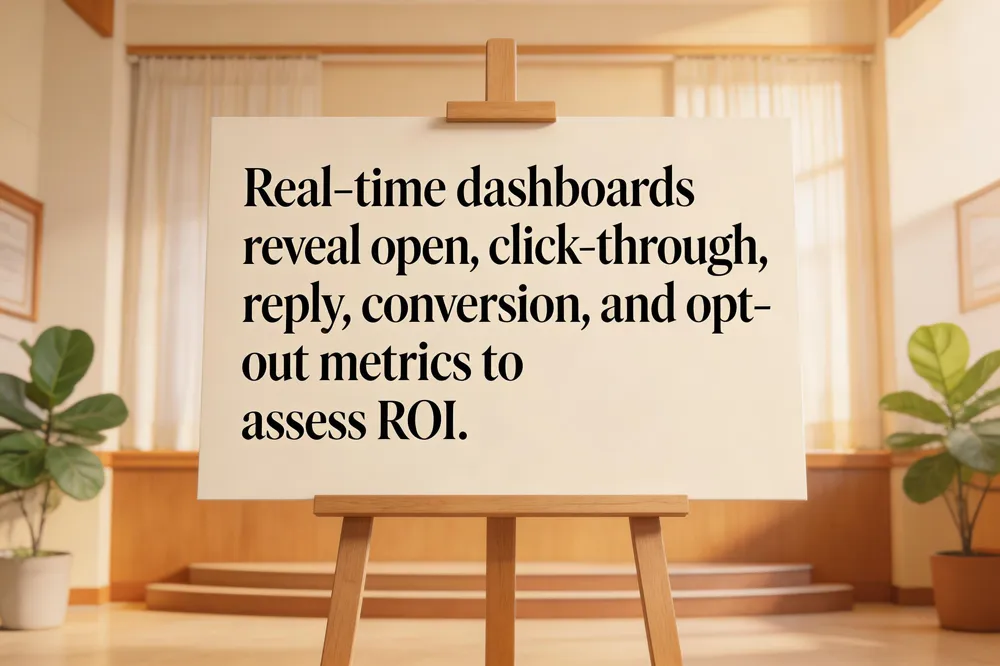
Real‑time dashboards are the backbone of modern SMS community platforms such as Evant.app, allowing nonprofit and educational teams to see instantly how many messages have been delivered, opened, and acted upon. The dashboards display core metrics—open rates (often 98‑99 %), click‑through rates (average 45 %), reply rates, conversion rates (e.g., donations or event sign‑ups), and opt‑out rates (typically under 1 %). Because SMS is read within minutes, these figures update live, enabling staff to adjust reminders, tweak copy, or re‑segment audiences on the fly.
When measuring the impact of fundraising and event campaigns, the same analytics serve two purposes. First, they quantify direct outcomes: RSVP confirmations, check‑in counts, donation totals, and post‑event survey responses. Second, they provide strategic insight by comparing campaign performance over time—identifying which segments (donors, volunteers, alumni) respond best to personalized messaging, which send times yield the highest attendance, and which content formats (plain text vs. MMS) drive the most clicks. Platforms that integrate with CRMs (Salesforce, HubSpot, Blackbaud) automatically sync these SMS interactions with donor records, creating a unified view that ties communication effort to revenue and participation metrics.
Linking these performance indicators to the nonprofit efficiency benchmarks is straightforward. The 80/20 rule for nonprofits states that at least 80 % of total expenses should flow directly to charitable programs, while the remaining 20 % covers overhead. By using SMS analytics to track the cost per message, conversion rate, and resulting donation amount, organizations can calculate the exact ROI of each text campaign. If a $199/month plan generates $5,000 in new donations and reduces event no‑shows by 30 %, the programmatic cost of engagement is well within the 20 % overhead ceiling, reinforcing donor confidence and supporting the 80/20 target.
The 33 % rule—an IRS public‑support test—requires that at least one‑third of an organization’s revenue come from a broad base of small donors. SMS analytics help nonprofits monitor this metric by identifying the number of unique donors acquired through text‑to‑give flows and the average contribution size. Segmented, two‑way messaging can nurture these small donors, encouraging repeat gifts and helping the organization meet the 33 % public‑support threshold.
In practice, a nonprofit might set up an automated SMS drip: an initial invitation (open rate ≈ 98 %), a reminder (click‑through ≈ 45 %), a thank‑you note (reply rate ≈ 30 %), and a post‑event survey (opt‑out < 1 %). The Real‑time dashboards aggregate these data points, allowing the team to calculate total cost per acquisition, total revenue generated, and the percentage of expenses devoted to program delivery. By aligning these analytics with the 80/20 and 33 % rules, organizations turn raw SMS metrics into concrete evidence of fiscal responsibility and mission impact.
Financial Sustainability and Best Practices

Scalable architecture is equally critical. Modern SaaS platforms run on cloud‑based services that automatically allocate bandwidth and processing power, allowing a campaign that starts with a few dozen texts to expand to tens of thousands without latency or delivery failures. Real‑time delivery receipts and auto‑retry logic keep high‑volume sends reliable while preserving the 98‑99% open‑rate advantage of SMS.
Effective budgeting combines these two pillars. Teams should map out campaign cadence—welcome flows, RSVP reminders, post‑event thank‑yous, and fundraising drives—assigning a cost per message to each touchpoint. By aligning spend with expected ROI (e.g., 54% higher gifts when cultivation texts precede fundraising), organizations can justify the budget and adjust allocations based on analytics dashboards that show open, click‑through, and conversion rates.
Integration with fundraising and payment platforms (Stripe, PayPal, Blackbaud, etc.) streamlines the donor journey. When a donor clicks a link in an SMS, the transaction is recorded instantly in the CRM, reducing manual entry and improving reporting accuracy. Seamless CRM sync also enriches contact records with SMS interaction history, enabling smarter segmentation for future outreach.
Key features of community platforms include customizable user profiles that capture detailed interests, flexible discussion spaces (forums, group chats, private messaging), robust event tools (creation, RSVP,,), and and sophisticated, and gam andme personalization engagement reputation supported by analytics. Integrations with existing tech stacks, mobile‑responsive design, and advanced moderation ensure scalability, accessibility, and a safe environment for members.
Driving Community Success with SMS
Unified communication via SMS turns every supporter into a direct, app‑free channel. By using standard 10‑digit numbers or short codes, platforms like Evant.app let nonprofits and schools send RSVP invitations, event check‑ins, and real‑time alerts without requiring downloads. Two‑way messaging lets recipients reply instantly, turning a broadcast into a conversation and reducing friction for volunteer sign‑ups, donation questions, or last‑minute schedule changes.
Data‑driven decision making is built into the analytics dashboards of modern SMS tools. Metrics such as delivery rates, open rates (often 98%+), click‑throughs, RSVP conversion, and attendance counts are displayed in real time, enabling staff to spot trends, test message copy, and allocate resources where they generate the highest ROI. Integration with CRMs (Salesforce, HubSpot, or likebaud) syncs every text interaction to donor or member records, creating a single source of truth for future segmentation and reporting.
Future‑proof engagement strategies combine automation, compliance, and scalability. Automated drip campaigns, reminder sequences, and AI‑driven personalization keep audiences informed without manual effort while adhering to TCPA, GDPR, and 10DLC regulations. Scalable cloud infrastructure supports everything from a handful of volunteers to tens of thousands of alumni, ensuring that as organizations grow, their SMS platform remains reliable, secure, and ready for emerging channels such as RCS or multimedia messaging.
Related Blogs



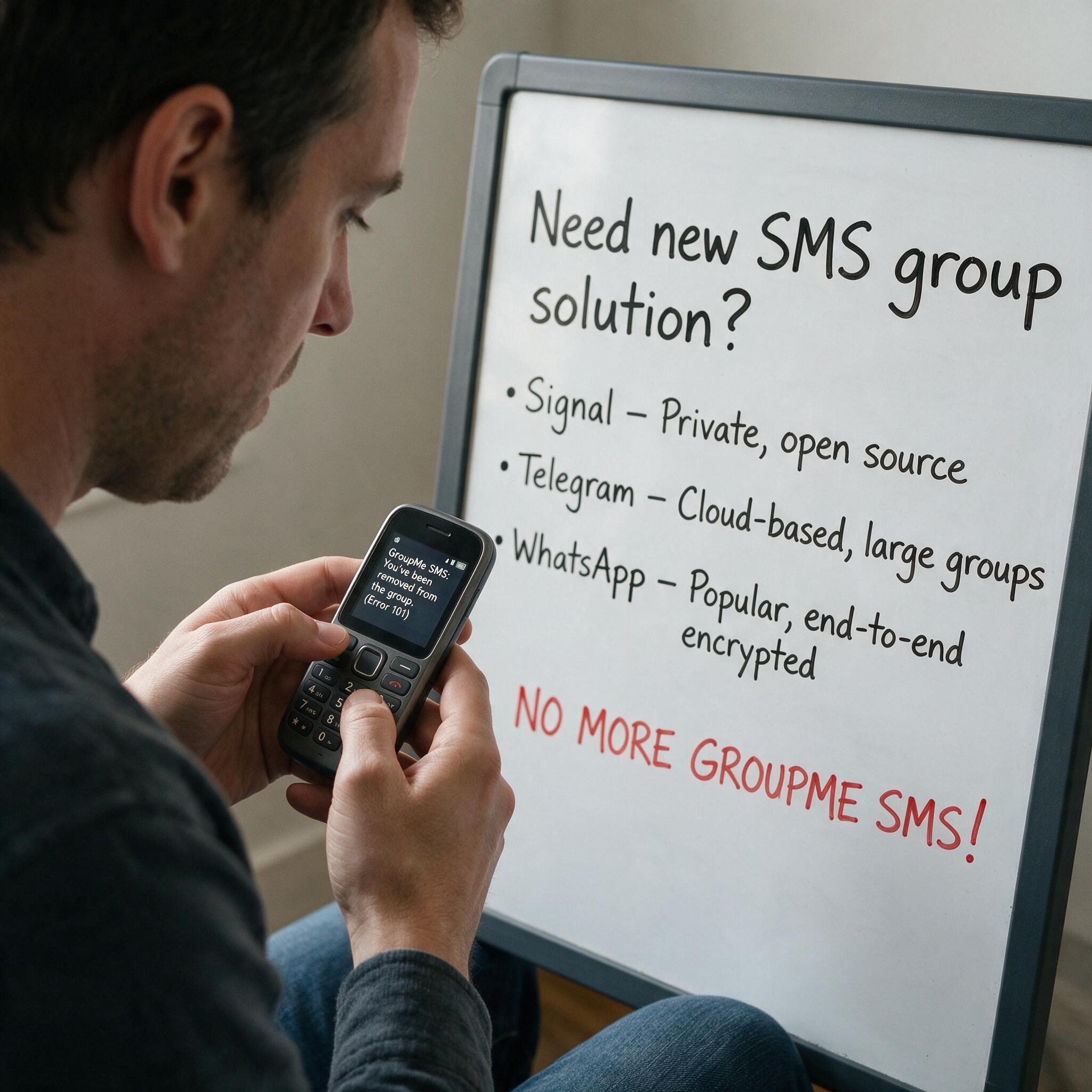
Got Kicked Out of GroupMe? Look to Evant.
Michael PedoeemGot Kicked Out of GroupMe? The Best GroupMe SMS Alternative for Jewish Communities