

Setting the Stage for Modern RSVP Methods
Overview of RSVP Methods
RSVP, meaning "Répondez s'il vous plaît" or "Please respond," is essential for event hosts to confirm attendee numbers. Traditional RSVP methods include mailed cards and email responses, while modern approaches embrace texting and digital platforms.
Importance of Effective RSVP in Event Planning
Ensuring timely and accurate RSVPs helps organizers manage logistics, such as seating, catering, and materials. Prompt responses reduce uncertainty and allow for smoother event execution, improving attendee experiences.
Role of Technology in RSVP
Technology has transformed RSVP management with SMS and digital tools. SMS RSVP methods offer fast delivery, broad accessibility—working on both smartphones and basic phones—and high open rates, promoting quick responses. These tech-enabled RSVP systems streamline communication, reduce costs, and support eco-friendly event planning practices.
By engaging guests through reliable text messaging, event organizers can efficiently track attendance, send reminders, and update participants, leveraging platforms that specialize in scaling and managing invitations through SMS.
Key Facts on SMS RSVP and Community Engagement
- SMS RSVP provides rapid, accessible response management across nearly all mobile devices.
- SMS RSVPs have an open rate of up to 98%, with responses typically within three minutes.
- Unlike email, SMS does not rely on internet access, making it effective in areas with poor connectivity.
- Switching to SMS RSVPs reduces costs and supports Eco-Friendly practices by eliminating printing and postage.
- SMS engagement tools benefit nonprofits and educational organizations by increasing participation, reducing costs, and enhancing communication.
- Platforms like 'Save This Date' and Mozeo support response tracking, personalization, and multimedia invitations.
- CRM integration enhances SMS platforms through audience segmentation, personalized messaging, and detailed analytics.
- Key analytics metrics include delivery rates, response tracking, link engagement, and geographic response analysis.
- Targeted SMS messaging significantly boosts event participation by delivering personalized, relevant content to specific segments.
- SMS enables real-time updates, reminders, and check-ins that improve event management, reduce wait times, and increase engagement.
1. SMS RSVP: The Fast Track to Seamless Event Engagement
How does SMS RSVP enhance speed and accessibility for event hosts?
SMS RSVP advantages provide rapid and convenient response management. Text messages are delivered quickly across nearly all mobile devices, from smartphones to basic phones, making accessibility of SMS RSVPs for event attendees regardless of their technology level. This immediate delivery allows event hosts to receive responses within minutes, facilitating efficient event planning with SMS and coordination.
Why do SMS RSVPs have higher open and response rates compared to email?
One of the biggest advantages of SMS RSVP is its exceptionally high open rate SMS RSVP, reaching up to 98%, much higher than typical email open rates. SMS messages tend to be read within three minutes of receipt, which leads to faster confirmations and more timely communication. This responsiveness significantly enhances event management efficiency and reduces no-shows.
Is internet access necessary for sending SMS RSVPs?
Unlike many digital RSVP methods, SMS without internet technology does not depend on internet connections. Text messages travel over cellular networks, which means they can be delivered even in areas with poor or no internet access. This feature is especially beneficial for events hosted in or attended by people from diverse regions, including rural or underserved locations.
How do SMS RSVPs offer cost-effectiveness and environmental benefits?
Switching to SMS RSVPs can substantially cut costs associated with printing and mailing traditional invitations and RSVP cards. Since text messages eliminate paper usage, they support Eco-Friendly RSVP Methods by minimizing paper waste. For nonprofits and educational organizations often working with limited budgets, these savings and sustainability benefits are particularly valuable.
Are SMS RSVPs suitable for nonprofit and educational organizations?
Absolutely. The speed, accessibility, and cost savings align well with the goals and resource constraints typical of nonprofits and educational institutions. SMS communication helps these organizations engage their communities efficiently, boost participation rates for workshops, fundraisers, and meetings, and manage large guest lists without complexity.
What practical platforms and features support SMS RSVP management?
Several platforms provide comprehensive event guest list management tools designed for SMS and WhatsApp invitations and RSVPs. For example, 'Save This Date platform' offers capabilities to send invitations via SMS or WhatsApp, track responses in real-time, and manage guest lists seamlessly. Other professional services like Messente SMS service and Mozeo SMS Platform enhance functionality by adding contact management, message scheduling, personalization options, and analytics to ensure messages hit their target audience effectively.
These platforms often include ready-to-use templates and multimedia options to personalize invitations for various event types, from casual gatherings to formal occasions. Their scalability supports sending bulk messages swiftly, making them suited for events of any size.
| Aspect | SMS RSVP Benefit | Practical Impact |
|---|---|---|
| Speed and Accessibility | Rapid delivery to all mobile devices | Immediate responses, better planning |
| High Open Rates | 98% open rate, faster reading | Increased engagement and fewer no-shows |
| No Internet Needed | Works on cellular network without internet | Reliable delivery even in remote areas |
| Cost and Eco-effectiveness | Eliminates printing and postage, reduces waste | Budget-friendly and environmentally conscious |
| Organizational Fit | Ideal for nonprofits and educational groups | Efficient community engagement |
| Platform Features | SMS/WhatsApp invites, tracking, personalization | Simplified event management |
2. Traditional and Digital RSVP Alternatives: Strengths and Limitations
What Are Conventional RSVP Methods?
Traditional RSVP methods include mailed invitations with reply cards, phone calls, and email responses. Mailed invitations remain popular for formal events like weddings or high-profile gatherings, where the physical invitation sets the tone and formality. Phone RSVPs provide a personal touch but can be time-consuming and rely on hosts to manually track responses. Email RSVPs strike a balance by offering quicker communication than mail, but they can suffer from deliverability issues such as ending up in spam folders or being overlooked.
Digital Invite Platforms: Modern Tools for RSVP Management
Several digital platforms have emerged to simplify RSVP tracking and event coordination. Joy is one notable example, especially favored in the U.S. wedding market, offering free services including customizable invitation templates, smart RSVP tracking, unlimited photo storage, and wedding website creation. Other alternatives like Evite, Punchbowl, GreenEnvelope, and Paperless Post cater to diverse event types, providing eco-friendly digital designs, guest list management, and even group gifts. These tools optimize for personalization and reduce administrative burdens on event organizers. See Best Paperless Post Alternatives 2025 for more information.
When Are Formal RSVP Methods Preferred?
Despite digital advancements, formal events still lean towards traditional RSVPs. Weddings, gala dinners, and high-profile corporate events often specify mailed or email responses to preserve etiquette and allow for more personalized communication. These contexts value the tangible and ceremonious nature of physical invitations or the formality conveyed through well-crafted emails.
How Do Delivery Reliability and Response Rates Compare?
Mail invitations, while classic, can encounter delays or be lost entirely. Emails are subject to spam filtering and lower open rates. In contrast, SMS and digital invite platforms see higher open and response rates. SMS messages boast a 98% open rate and are typically read within three minutes, making text RSVPs highly reliable for timely reactions. Digital platforms often integrate SMS invitation analytics alongside email to maximize reach and engagement. Learn more about SMS RSVP advantages.
What Are the Cost, Personalization, and Event Type Considerations?
Traditional mailing involves printing and postage costs, which can be substantial for large guest lists. Digital platforms reduce costs significantly by eliminating paper and mail expenses. They also enable rich multimedia invitations, enhancing personalization and appeal. However, casual events and last-minute plans benefit most from SMS RSVP delivery speed, whereas formal occasions often require the gravitas of traditional methods. Budget-friendly and eco-friendly considerations increasingly motivate the choice of digital formats.
What Are the Reliability and Limitations of Email RSVPs?
Email RSVPs, while cost-effective and widely used, face reliability challenges such as delivery to spam folders, technical glitches, or being ignored amid crowded inboxes. Their open rates and response times are generally lower compared to SMS, potentially impacting event planning efficiency. Organizers using email should consider follow-up reminders and complementary communication channels to ensure full engagement. For guidance, see Best Practices for Text RSVPs.
| RSVP Method | Reliability | Cost | Personalization | Best For |
|---|---|---|---|---|
| Mailed Invitations | Subject to delay | High (printing, postage) | High (physical design, stationery) | Formal events, weddings |
| Phone Calls | Variable | Moderate | Moderate (voice tone) | Small, personal events |
| Email RSVPs | Moderate | Low | Moderate (HTML, attachments) | Semi-formal events, business |
| SMS RSVPs | Very high | Low | High (templates, media, quick replies) | Casual events, last-minute plans; see How to RSVP via Text |
| Digital Platforms | High | Low | Very high (custom templates, tracking) | Diverse events, weddings, parties; see Event Text Messaging |
Key Benefits of SMS-Based Community Engagement for Nonprofits and Educational Organizations
What are the key benefits of using SMS-based community engagement tools for nonprofit and educational organizations?
SMS-based engagement tools provide several practical advantages that help nonprofits and educational organizations connect more efficiently and effectively with their communities.
First, SMS messages have exceptionally high open and response rates, often surpassing email and social media. This ensures that communications, such as event invitations or updates, are read promptly—typically within minutes—boosting timely engagement. Learn more about High open rate SMS RSVP.
Second, SMS enables real-time interactions. Organizations can send immediate reminders for events, provide last-minute alerts, and share follow-up messages to keep their audience informed and involved, which helps increase attendance and participation. Explore benefits of Event Text Messaging.
Third, SMS is a powerful tool for donation drives. Personalized donation requests sent via text can prompt quick responses, while confirmation messages build donor trust and reinforce support. SMS campaigns can be targeted and managed efficiently, nurturing stronger relationships with supporters. Check out Managing SMS invitations for related approaches.
Fourth, by using opt-in mechanisms, organizations can grow their audience while collecting valuable first-party data. This direct connection allows for personalized outreach and better understanding of supporter needs, leading to more meaningful engagement. See guidance on Opt-In Compliance for SMS.
Finally, SMS communication is highly accessible. It works across various mobile devices—from smartphones to basic phones—and does not require internet access. This inclusivity ensures messages reach diverse demographics, regardless of technological limitations or geographic challenges. Discover the accessibility of SMS RSVPs.
In summary, SMS community engagement tools help nonprofits and educational institutions increase responsiveness, streamline communication, and foster loyalty, making them essential for modern outreach and event strategies.
How SMS RSVPs and Event Check-Ins Streamline Nonprofit Event Management

How can SMS RSVP advantages and event check-ins improve event management for nonprofits?
SMS RSVPs and event check-ins offer nonprofits a fast and practical solution to manage attendees efficiently. With a 98% open rate and most messages read within three minutes, text communication ensures that invitations and updates quickly reach the guests, prompting timely responses.
Convenience and speed of SMS RSVPs and check-ins
Text messages reach attendees on nearly all mobile devices without requiring internet access, making it easier for diverse groups to respond. This accessibility of SMS RSVPs encourages higher engagement and allows nonprofits to manage guest lists rapidly, even for large events.
Reduction of wait times and streamlined attendance tracking
Allowing attendees to check in via SMS event check-in systems minimizes queues at event entrances. Real-time response tracking enables staff to anticipate attendance numbers accurately and adjust logistics accordingly.
Automated reminders and updates
Nonprofits can schedule automated SMS reminders and send last-minute updates or emergency alerts effectively. This helps reduce no-shows and keeps participants informed throughout the event lifecycle.
Enhanced engagement and operational cost reduction
Using SMS minimizes printing and postage expenses by replacing paper invitations and RSVP cards. The personalized messaging capabilities of SMS platforms also foster community connections and improve overall participant experience.
Use of local/toll-free numbers
Deploying local or toll-free phone numbers adds familiarity and trust for community members. It also supports handling high volumes of incoming and outgoing messages seamlessly.
Compliance and personalization via integrated platforms
Modern SMS platforms integrate features ensuring legal compliance, such as opt-in management, while offering customizable message templates. These tools empower nonprofits to maintain professionalism and personalize communications to suit various event types.
In summary, SMS RSVPs and check-ins empower nonprofits with a reliable RSVP methods communication channel that streamlines event management, reduces costs, and strengthens community engagement.
Essential Features in SMS-Based Event Management Platforms for Organizations
What features should nonprofits and educational organizations look for in an SMS-based event management platform?
Nonprofits and educational organizations aiming to enhance their event communication and management should seek platforms offering several critical features.
Automated SMS Invitations and Reminders streamline outreach by sending timely invitations and follow-ups without manual effort, ensuring higher engagement and reducing the risk of no-shows. Learn more about Event Text Messaging.
Real-time RSVP Tracking and Check-in Options enable organizers to monitor responses as they come in and facilitate smooth event day check-ins, which helps manage attendance efficiently. Discover the advantages of tracking RSVP responses.
Targeted Messaging and Audience Segmentation allow messages to be customized and sent to specific groups within the audience, making communication more relevant and increasing participation. See how to use SMS and WhatsApp invitations and learn about audience segmentation in SMS campaigns.
Integration capabilities with CRM systems ensure that participant data stays synchronized. This supports personalized communication, fostering stronger connections with attendees. Check out Professional SMS services.
Finally, robust Analytics and Reporting Capabilities provide valuable insights into message delivery, open rates, and attendee behavior. These insights empower organizations to measure success and improve future event strategies. Explore SMS Analytics for Events.
By prioritizing these features, nonprofits and educational institutions can leverage SMS technology to maximize event turnout, engagement, and overall effectiveness.
CRM Integration: Amplifying SMS Community Engagement Effectiveness
How does CRM integration enhance the capabilities of SMS community engagement platforms?
CRM integration brings a powerful advantage to SMS community engagement by linking contact management with messaging tools. This direct connection enables organizations to better organize and segment their audiences. For instance, groups can be formed based on previous event attendance, donation history, or demographic information. This precise segmentation supports sending targeted messages that resonate more personally with each recipient, boosting engagement effectively.
Connection of contact management with messaging
By integrating a CRM system, contact data is synchronized with SMS platforms, eliminating the need for manual entry or importing lists repeatedly. This seamless connection ensures up-to-date information is always used, reducing errors and saving time.
Audience segmentation
Segmented messaging ensures that communications are relevant to each subgroup’s interests or needs. Whether targeting active volunteers, donors, or event attendees, tailored messages create a stronger sense of relevance and encourage quicker responses. See more on audience segmentation in SMS campaigns.
Personalized communication benefits
Personalization goes beyond using names—it involves delivering event details, reminders, or invitations that reflect recipient preferences and past interactions. This increases satisfaction and encourages prompt RSVPs or participation. For more on personalized messaging and efficient event planning, see Efficient event planning with SMS and Personalizing SMS invitations.
Comprehensive tracking and analytics
CRM-linked SMS platforms provide detailed analytics on message delivery, open rates, and responses. This real-time data allows organizations to evaluate their outreach success and refine strategies for future events or campaigns. Learn more about tracking RSVP responses and SMS invitation analytics.
Improved workflow and follow-up processes
Automation enabled by CRM integration streamlines workflows. Follow-ups can be scheduled and personalized automatically based on recipient actions, ensuring timely engagement without overwhelming staff. Explore how to use Scheduling SMS messages and Automating Event SMS to enhance your workflow.
In summary, CRM integration transforms SMS community engagement platforms into smarter, more responsive tools that enhance communication efficiency, deepen community ties, and drive better event participation and support outcomes. For further insights, check out resources on SMS RSVP advantages, Event Text Messaging, and Managing SMS invitations.
Top Analytics Metrics for Optimizing SMS Event Management
What analytics metrics are most useful for organizations using SMS event management tools?
In SMS event management, analytics play a crucial role in enhancing communication strategies and improving event attendance. One of the most important metrics is delivery rate, which confirms that messages successfully reach the intended recipients, ensuring the foundation of effective communication. High delivery rates boost confidence that SMS is a reliable channel for distributing event information.
Equally vital is response and RSVP tracking. This metric measures how many recipients reply to invitations or confirm attendance via SMS. Tracking RSVPs in real-time helps event planners adjust logistics quickly and forecast attendee numbers accurately.
Monitoring opt-in and opt-out trends is essential for keeping the SMS audience engaged and compliant with regulations. Tracking these trends shows whether the audience remains interested or if the contact list needs refining, improving message relevance and minimizing spam complaints.
For events involving links, such as digital invitations or ticketing platforms, click-through rates and link engagement offer insights into how recipients interact with embedded URLs. This metric helps gauge content effectiveness and can drive enhancements in message design and call-to-action placement.
Location-based performance tracking enables organizers to analyze engagement and response rates across different geographic areas. This is particularly valuable for events spanning diverse regions or when testing targeted campaigns to boost local participation.
Finally, incorporating real-time feedback and A/B testing into SMS campaigns empowers organizers to dynamically refine messaging. By comparing different message versions or segmenting audiences, organizers can identify the most effective approaches and optimize future outreach.
By leveraging these detailed analytics metrics, organizations can streamline event communication, boost participant engagement, and achieve better event outcomes through data-driven decision-making.
Maximizing Event Participation through Targeted SMS Messaging
How can targeted messaging through SMS improve event participation?
Targeted Event Text Messaging greatly boosts event participation by delivering personalized and relevant content directly to the right audience segments. By tailoring messages based on guest interests, location, or past attendance, organizers can increase engagement and ensure recipients receive information that resonates with them.
Personalized and Relevant Communication
SMS allows event hosts to craft messages that speak directly to the specific needs or preferences of their guests. Personalized invites, reminders, and updates foster a sense of connection, motivating recipients to respond quickly and attend events.
High Open and Immediate Delivery Rates
With an impressive 98% open rate and the fact that messages are read within minutes, SMS is one of the most effective ways to reach attendees swiftly. Unlike emails or traditional mail, texts bypass cluttered inboxes and delivery delays, making SMS ideal for last-minute notifications or urgent updates. See High open rates of SMS and SMS RSVP Open Rates.
Audience Segmentation Benefits
Segmenting your guest list enables you to send targeted messages, such as exclusive discounts for local attendees or reminders to frequent participants. This strategic approach not only improves response rates but also enhances the overall attendee experience through relevant communication. Learn more about audience segmentation in SMS campaigns, event guest list management, and Guest List Management with Joy.
Real-Time Event Updates and Engagement
SMS supports sending real-time alerts, check-in details, contests, and feedback requests during events. These timely messages help keep attendees informed and engaged, while also enabling organizers to address any issues swiftly. See Real-Time Event Updates and SMS event check-in systems.
Cost-Effective Outreach and Turnout Boost
By reducing the need for printed materials and postage, SMS invitations and reminders offer a budget-friendly solution for nonprofits and event planners. The ability to reach large groups instantly also minimizes no-shows, maximizing event turnout efficiently. Explore Cost Savings with Digital Invitations, Affordable Paperless Post Alternatives, and SMS RSVP advantages.
In summary, leveraging targeted SMS messaging combines personalization, speed, and cost savings to enhance event participation and attendee satisfaction more effectively than many other communication channels.
Choosing the Right RSVP Method for Your Event Needs
Evaluating RSVP Methods: SMS Versus Traditional Options
SMS RSVPs offer fast, reliable, and convenient responses that suit a broad range of events. Their benefits include rapid delivery, high open rates (up to 98%), and accessibility even without internet access. This method works especially well for informal gatherings, last-minute events, and workplace or networking functions due to ease of use and quick engagement.
However, traditional methods such as email or mailed invitations remain preferred for formal occasions like weddings or high-profile events, where a polished presentation matters. These methods can offer a more suitable tone of professionalism and formality expected by certain audiences.
Tailoring Your Approach to Event Type and Audience
Consider the nature of your event and the preferences of your guests. Casual events benefit from text-based invitations that increase response rates and lower costs, while formal events call for traditional replies ensuring clarity and respect.
Leveraging Technology and Personalization
Modern platforms, including SMS services like Save This Date or Mozeo, enable personalized messages, scheduling, and guest list management to simplify event planning. Utilizing these tools enhances attendee engagement and streamlines communication.
Enhancing Engagement and Success
To maximize participation, use quick, clear, and polite RSVP requests via the channel that best fits your audience and event style. Combining efficiency with personalization creates a welcoming experience that promotes timely responses and smooth event logistics.
Related Blogs



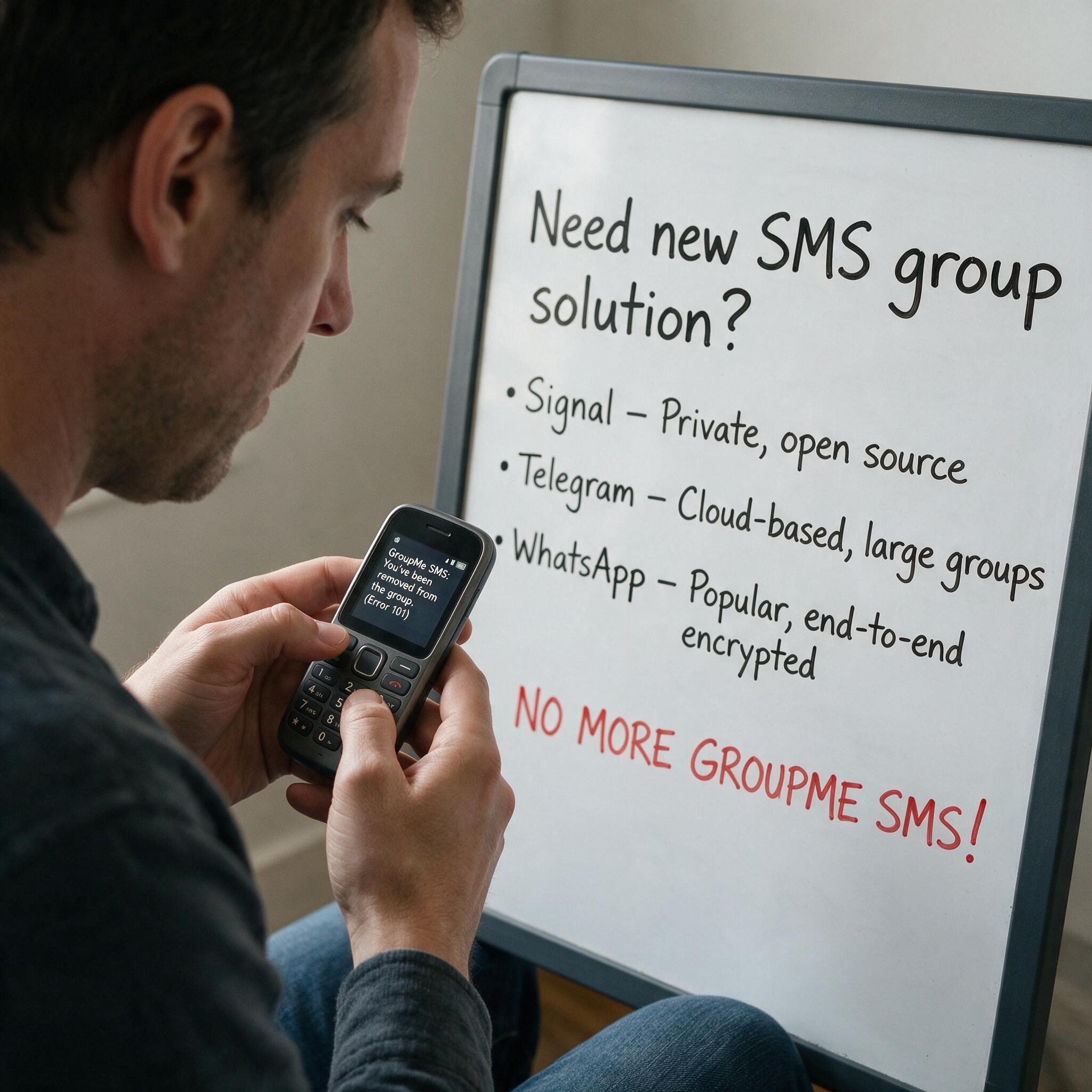
Got Kicked Out of GroupMe? Look to Evant.
Michael PedoeemGot Kicked Out of GroupMe? The Best GroupMe SMS Alternative for Jewish Communities