
The Benefits of SMS RSVP for Nonprofits and Community-Based Events
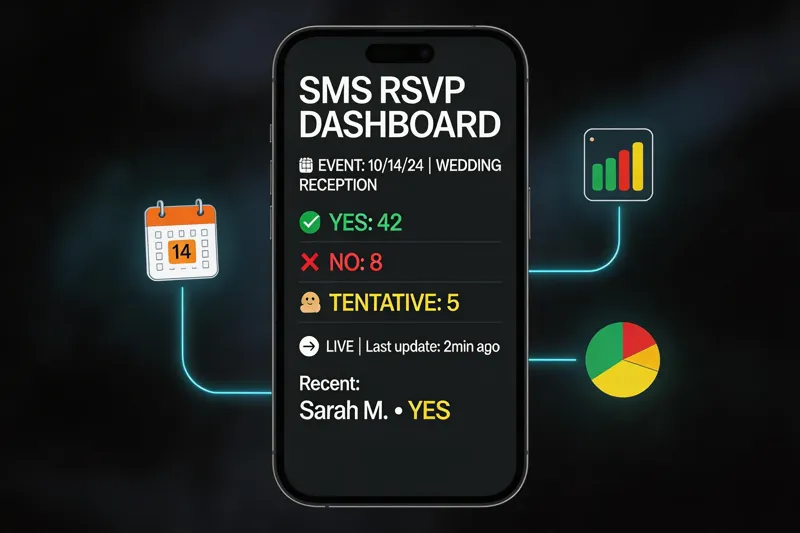
Why SMS RSVP is Essential for Modern Event Management
High Open and Read Rates
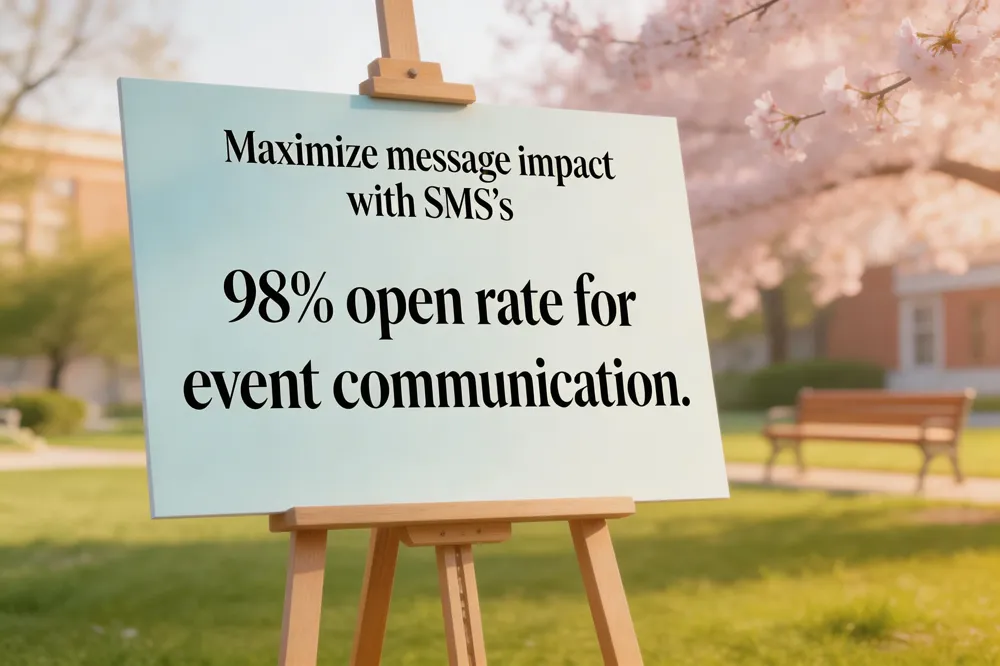
SMS (Short Message Service) messaging offers high open and read rates, making it a powerful tool for nonprofit organizations. Text messages have an open rate of around 98% with approximately half of these messages being read within three minutes. This immediacy allows nonprofits to communicate urgent information effectively, whether it's event reminders, last-minute updates, or time-sensitive donation appeals. The high open rate also means that messages are more likely to be seen and acted upon, significantly increasing their chances of achieving the desired response or action.
Cost-Effectiveness and Scalability
For organizations with limited resources, SMS campaigns are both cost-effective and scalable. Nonprofits can send out messages for as little as a few cents per text, ensuring that they can reach large audiences without incurring significant costs. This affordability allows for more frequent communication, which is essential for maintaining donor relationships and engagement. Furthermore, SMS platforms are designed to handle high volumes of messages, making it easier for nonprofits to scale their communication efforts as needed without additional infrastructure investment.
Enhanced Engagement and Personalization
Nonprofits can harness the power of SMS to create personalized and engaging communication with their audiences. By allowing for targeted messages based on donor behavior and interests, SMS supports a more personalized approach to donor communication. This personalization not only makes donors feel valued but also increases the likelihood of them responding to calls to action, such as making a donation or participating in an event. Additionally, the ability to include multimedia elements, such as images and videos, in SMS messages enhances the overall engagement experience, making it more compelling for recipients.
Real-Time Communication for Urgent Needs
The rapid delivery and read rates of SMS messages are crucial for nonprofit organizations needing to mobilize support quickly. Whether it's for emergency fundraising, recruiting volunteers, or disseminating vital event updates, SMS provides a direct line of communication that can be leveraged effectively in real time. The immediacy of SMS ensures that supporters receive updates as soon as they are sent, enabling them to act on urgent needs promptly. This capability is particularly important for nonprofits dealing with time-sensitive issues, as it allows them to engage their supporters proactively and effectively.
Compliance and Trust
Nonprofits must comply with regulations such as the Telephone Consumer Protection Act (TCPA) when utilizing SMS. This means ensuring that all messages are sent with proper opt-in consent and include clear opt-out instructions. Maintaining compliance not only helps avoid legal issues but also builds trust with supporters. Nonprofits that handle SMS communication responsibly and transparently can enhance their reputation and foster long-term relationships with their donors and supporters.
Unmatched Open Rates for Event Communication
High Readability of SMS
SMS stands out for its unparalleled open rates, with 98% of text messages read within minutes of being received. This immediacy ensures critical information—whether it's an event reminder, a last-minute schedule update, or an urgent donation appeal—reaches supporters before it's even noticed in other communication channels. (Note: "98% open rate with SMS for nonprofits" is linked below based on resource match)
98% open rate with SMS for nonprofits
Comparison with Email
Unlike email, which may sit unnoticed in crowded inboxes, SMS messages are read on average within 90 seconds. For nonprofits, this means event reminders, volunteer coordination updates, and donor appeals have a much higher chance of prompting action—increasing attendance, response rates, and engagement. (Note: "SMS vs. email performance" is linked below based on resource match)
SMS vs. email performance
Real-World Nonprofit Use Cases
Organizations like Cedar Run Wildlife Center use SMS to notify donors of emergency updates during their annual giving campaigns. Others, such as MN350, have leveraged SMS to gather RSVPs during community events, with over 2,900 supporters opting in just by receiving a message during an in-person gathering. (Note: "successful SMS opt-in case study at MN350 climate strike" is linked below based on resource match)
successful SMS opt-in case study at MN350 climate strike
Urgent Communication and Event Logistics
The high open rate of SMS is a game-changer for urgent communication. Event organizers can use it for real-time updates about weather disruptions, venue changes, or volunteer shifts. Nonprofits also benefit from instant confirmation of donations and volunteer sign-ups, ensuring fewer no-shows and smoother logistics. (Note: "Real-Time SMS Updates for Event Coordination" is linked below based on resource match)
Real-Time SMS Updates for Event Coordination
| Channel | Open Rate | Read Time |
|---|---|---|
| SMS | 98% | Within 3–5 minutes |
| 20–30% | Hours to days | |
| Social Media | Varies | Minutes to hours |
(Note: "SMS" open rate data in table is linked below based on resource match)
98% open rate with SMS for nonprofits
Enhanced Engagement Through Personalized Communication

How SMS Facilitates Two-Way Conversations
SMS allows nonprofits and organizations to engage in real-time, two-way conversations with attendees, donors, and volunteers. Unlike one-sided communication channels such as email, SMS enables recipients to reply directly, ask questions, and confirm participation. This direct engagement increases transparency and fosters stronger, more immediate relationships. Event organizers can respond to RSVP confirmations, address event-related queries, and even adjust logistics based on live feedback. Real-time interaction via SMS builds trust and makes event participants feel valued and involved in the planning process.
The Role of Personalization in Building Loyalty
Personalized messaging plays a critical role in donor and attendee retention. SMS allows nonprofits to send tailored messages based on past contributions, event attendance, or interest in specific programs. For example, a donor who has supported a wildlife conservation cause might receive targeted updates about new conservation efforts, reinforcing their emotional connection to the organization. Personalized thank-you messages also increase appreciation and encourage repeat engagement. Event attendees may receive messages with their names and specific session details, making them feel individually acknowledged and enhancing the overall event experience.
Examples of Targeted SMS Messaging
Nonprofits leverage SMS to deliver targeted messages across multiple scenarios. For example, SMS can be used to send time-sensitive event updates such as last-minute venue changes or speaker updates. Automated RSVP reminders based on recipient interests can reduce no-show rates, while donation requests customized with the supporter's name and past contributions can increase giving. Other targeted uses include peer-to-peer advocacy drives, volunteer recruitment based on zip code or availability, and post-event surveys linked to a donor's engagement history. These targeted efforts create a sense of relevance and urgency, ultimately improving both participation and long-term supporter loyalty.
Streamlining Event Logistics and Volunteer Coordination

What are the benefits of SMS?
SMS offers significant advantages in event management due to its high open rates of SMS and immediate delivery. Integration with SMS APIs allows nonprofits to connect CRMs and event platforms efficiently, streamlining tasks like RSVP tracking, volunteer assignments, and real-time updates. This integration reduces the need for additional software and automates time-consuming processes, resulting in substantial time and cost savings. Automated tools also ensure that information is disseminated quickly and accurately, contributing to smooth event execution.
How is SMS used in event management?
SMS is a powerful tool for managing event logistics. Automated systems handle RSVP confirmations and send reminders for event dates and times, ensuring fewer no-shows. Volunteer scheduling is simplified through scheduled alerts and shift updates, enabling prompt response to last-minute changes. Additionally, SMS allows for real-time emergency notifications, which help address unforeseen issues swiftly and safely. These capabilities enhance efficiency, reduce administrative burdens, and ensure better attendee and volunteer experiences.
By leveraging SMS for event management, nonprofits save time and resources. Automated reminders and alerts eliminate the need for manual follow-ups, and the streamlined communication fosters a well-coordinated team and informed attendees. The cost-effectiveness and scalability of SMS further enable organizations with limited resources to run successful and impactful events.
Cost-Effective Engagement with SMS RSVP
What are the benefits of text messaging?
Text messaging is a powerful tool for nonprofits due to its cost-effectiveness 1. Each SMS message costs just a few cents, making it an affordable solution for budget-conscious organizations. This low cost extends to full SMS marketing campaigns, which often yield a significant return on investment (ROI) by driving donations, volunteer sign-ups, and community engagement 2.
SMS vs. Other Communication Channels
Compared to email and traditional mail, SMS stands out for its high engagement and low cost. While emails may sit in crowded inboxes, SMS messages have a [98% open rate]3 with 90% read within three minutes. Email marketing typically sees open rates of less than 30% 4, and traditional mail can cost anywhere from $0.10 to over $1 per piece. SMS platforms also allow nonprofits to [scale their communication efficiently]5, with pricing structures that accommodate growing contact lists without a proportional rise in cost 6.
Scalability for Smaller Organizations
Small nonprofits particularly benefit from SMS’s scalability7. Whether managing a modest group of supporters or growing to large-scale outreach, SMS platforms adapt to different sizes. Automated tools handle bulk messaging, list segmentation, and campaign tracking without additional manual effort, saving time and resources8. This makes SMS a practical, accessible solution for organizations of all budgets and sizes9.
Ensuring Compliance and Building Trust with SMS
Outline TCPA Compliance Requirements for SMS Marketing
To legally use SMS for nonprofit communication, organizations must adhere to the Telephone Consumer Protection Act (TCPA) (TCPA). This act requires prior express written consent from recipients before any marketing or promotional texts are sent. Consent must be explicitly obtained, typically through opt-in mechanisms where users disclose they agree to receive messages. Clear opt-out instructions, like replying 'STOP', must be provided in every SMS, and these requests must be honored swiftly. Nonprofits should maintain accurate records of consent and avoid sending messages to those who have unsubscribed or are on the National Do Not Call Registry. Additionally, all automated messages must include sender identification and purpose transparency, preventing unexpected or intrusive communication.
Discuss How Transparency and Opt-In Processes Enhance Donor Trust
Transparency in SMS campaigns is vital for maintaining a donor’s trust. When recipients know the purpose of the messages they receive—whether for event updates, donation appeals, or volunteer alerts—it builds a foundation of trust. For example, clearly stating that a text message is for "event reminders and impact updates" ensures that donors understand how their information is used. Similarly, allowing donors to customize message preferences (e.g., selecting message frequency or interests) demonstrates respect for their communication needs. This level of transparency not only fosters trust but also encourages long-term engagement with the nonprofit's cause.
Explain the Importance of Respecting Message Frequency and Preferences
Respecting message frequency and donor preferences is essential to avoid overwhelming recipients and to maintain a positive relationship. Donors who feel bombarded by frequent texts are more likely to opt-out or develop a negative perception of the nonprofit. Best practices recommend sending SMS 2–4 times per month at most, avoiding non-essential messages, and adjusting cadence based on user preferences or campaign urgency. Nonprofits should allow users to manage preferences via keyword (e.g., 'UPDATE' for frequency choices), ensuring message relevance and reducing fatigue. This approach sustains engagement by delivering timely, valued communication without intruding on personal time.
Leveraging SMS for Post-Event Follow-Up and Feedback
Discuss post-event strategies using SMS
SMS plays a vital role in post-event communication by enabling swift, scalable outreach to attendees. Immediately following events, nonprofits can deploy SMS to send out thank-you messages, which acknowledge participants' contributions and reinforce their value to the organization. Automated follow-up systems can also distribute feedback surveys directly to RSVP'd guests, simplifying the process for busy participants. These surveys, when designed with clear, concise questions, can provide actionable insights into event performance, guest satisfaction, and logistical improvements for future events. Post-event surveys for SMS further streamline this process, leveraging SMS to ensure real-time data collection and analysis.
Highlight how SMS enhances donor stewardship through thank-you messages and surveys
Personalized SMS thank-you notes go beyond generic post-event emails—text messaging allows for quick, warm, and individualized communication. For example, a supporter who attended a fundraising gala might receive a message thanking them by name, referencing their specific contributions, and linking to impact reports or future event invitations. This fosters long-term donor trust and reinforces emotional connections. SMS-driven surveys for donor feedback enable nonprofits to collect real-time feedback on event content, accessibility, and overall experience without relying on cumbersome email forms or in-person checks. By integrating SMS with CRM tools for donor tracking, organizations ensure seamless follow-up and relationship-building.
Explain the importance of follow-up for future event planning
Post-event SMS strategies inform data-driven improvements. Feedback gathered via text allows nonprofits to analyze what worked and what needs adjustment in terms of logistics, content, and participant satisfaction. By tracking engagement metrics like response times and survey completion rates, organizations can refine their event planning cycles. SMS campaign performance tracking for nonprofits highlights the importance of measuring such interactions. Additionally, post-event communication serves as a soft pitch for future events. By sharing highlights and upcoming opportunities to engage, nonprofits can maintain consistent interest and attendance growth from their core supporter base. SMS for event RSVPs and post-event follow-ups using texting illustrate the scalability of these strategies in driving future engagement.
SMS RSVP: A Strategic Tool for Community and Nonprofit Growth
Key Benefits of SMS RSVP
SMS RSVP systems offer unmatched communication efficiency for community events and nonprofit activities. These high-engagement platforms boast a 98% open rate and 45% response rate, far surpassing traditional email. By leveraging mobile users' habitual accessibility, SMS RSVPs ensure messages are seen in real time. They streamline event logistics for nonprofit organizers by enabling automated reminders, instant updates, and seamless RSVP tracking, reducing manual work while boosting attendee participation and donor retention.
Encouraging SMS Adoption for Effective Communication
Adopting SMS RSVP systems allows organizations to maintain high event attendance and foster direct engagement with supporters. These systems provide a personalized and efficient way to manage RSVPs, with features like automated confirmations and timely reminders that improve the user experience. Nonprofits can benefit from the high engagement rates of SMS by integrating these tools into their event management strategies, ensuring their community-based initiatives are accessible and impactful.
Evant’s Role in Empowering Nonprofits with SMS Tools
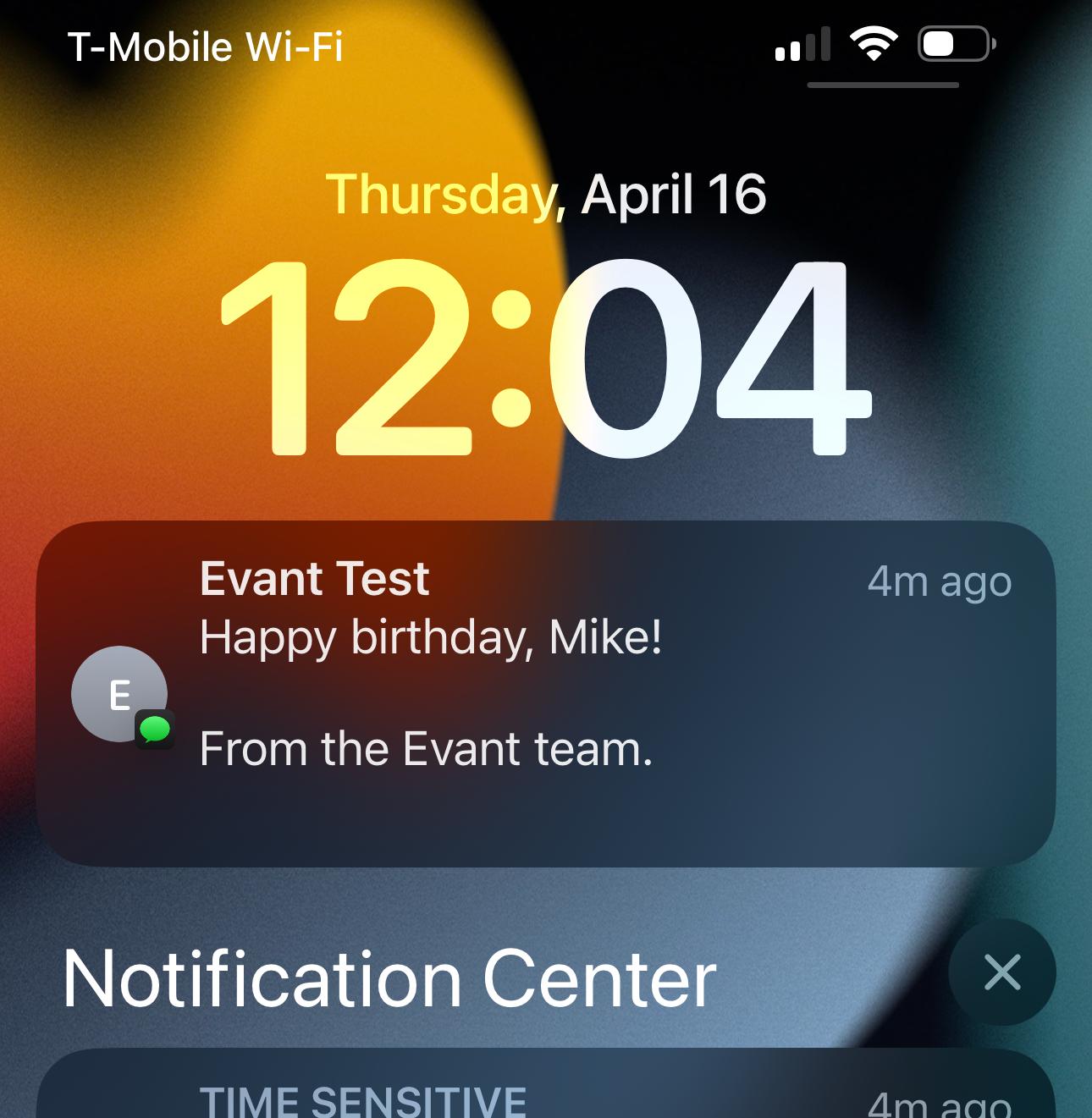
Evant is a mobile engagement platform offering SMS RSVP solutions tailored for nonprofits and community organizations. By enabling direct communication with supporters through personalized messages and easy opt-ins, Evant helps streamline event registration and donor engagement. Its tools support automation, tracking, and real-time interactions, making SMS a core component in building sustainable, data-driven community engagement strategies for organizations of all sizes.
Related Blogs

Got Kicked Out of GroupMe? Look to Evant.
Michael PedoeemGot Kicked Out of GroupMe? The Best GroupMe SMS Alternative for Jewish Communities

How to Send Targeted Alerts During Live Events
Michael PedoeemMastering Targeted Event Alerts: Real-Time Communication Strategies for Nonprofits
Top 7 SMS Trends for Communities in 2026
Michael PedoeemFrom AI-powered responses to text-to-donate and two-way texting — here are the 7 SMS trends every shul, school, and nonprofit needs to know about in 2026