
Using SMS Platforms to Streamline Every Aspect of Event Operations
Introduction: The Power of Text Messaging
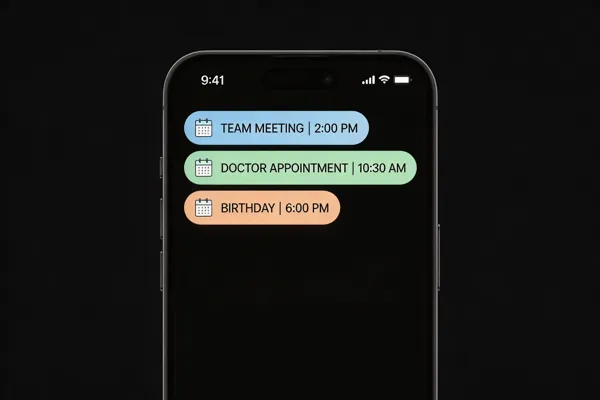
SMS instantly reaches attendees wherever they are, because virtually every adult in the United States carries a mobile phone and reads texts within minutes. Open rates consistently sit at 95‑98 %, dwarfing email’s 20 % average, ensuring that reminders, RSVP prompts and last‑minute updates are seen. By centering communication on text, organizers create a mobile‑first workflow that requires no app download or internet connection, allowing volunteers, donors and participants of all ages to respond with a single reply. This immediacy cuts no‑shows, accelerates check‑ins and streamlines data entry, making event logistics faster and more reliable and improves overall attendee satisfaction and ROI.
From Planning to Execution: SMS Across Event Stages

What are the four stages of event operations? The four stages are Plan, Organize, Execute, and Evaluate. In the Planning stage you set goals, define the target audience, establish a budget, and choose a venue and technology—such as Evant’s SMS RSVP system—to capture attendee intent instantly. Organizing moves into detailed scheduling, vendor coordination, and building registration workflows; here you draft SMS templates for targeted reminders and two‑way messaging. Execution is the day‑of‑day procedures,, contact‑in, making real‑time adjustments, and sending timely SMS alerts for schedule changes or emergency notices. Finally, Evaluation gathers post‑event analytics, survey responses, and performance metrics—delivery, open, and response rates—to measure attendance, engagement, and ROI, informing future improvements.
What does streamline operations mean? Streamlining operations means removing unnecessary steps, cutting redundancies, and automating repetitive tasks to make workflows faster, cheaper, and error‑free. By leveraging SMS‑based tools, CRM integrations, and analytics dashboards, organizations can automate RSVPs, check‑ins, and targeted messaging, freeing staff to focus on higher‑value activities. The result is a smoother, more predictable flow of work that boosts productivity, enhances participant experience, and supports scalable growth.
Boosting Attendance and Engagement with SMS Features

SMS drives event success by delivering instant, universal messages that reach any mobile phone without apps or internet. Over 98% of texts are opened within minutes, ensuring RSVPs, reminders, and critical alerts are seen. Two‑way SMS RSVPs let attendees confirm with a single reply, cutting manual entry errors and boosting response rates by up to 30%. On‑site check‑ins use short codes or QR codes linked to a text, cutting queue times by 40% and providing real‑time attendance data. Targeted messaging lets organizers segment volunteers, speakers, donors, or parents, sending personalized updates that increase relevance and drive higher engagement. Integrated analytics dashboards track delivery, open, click‑through, and response metrics, giving planners actionable insights to refine outreach.
What are the benefits of using SMS? Instant, high‑open‑rate communication that is low‑cost, scalable, and compliant, with built‑in analytics and multilingual support.
What are the 5 C’s of community engagement? Connection, Conversation, Commitment, Collaboration, Contribution.
What are the 3 C’s of community engagement? Communication, Collaboration, Commitment.
Cost‑Effective Communication: Pricing and Value
How much does SMS marketing cost?
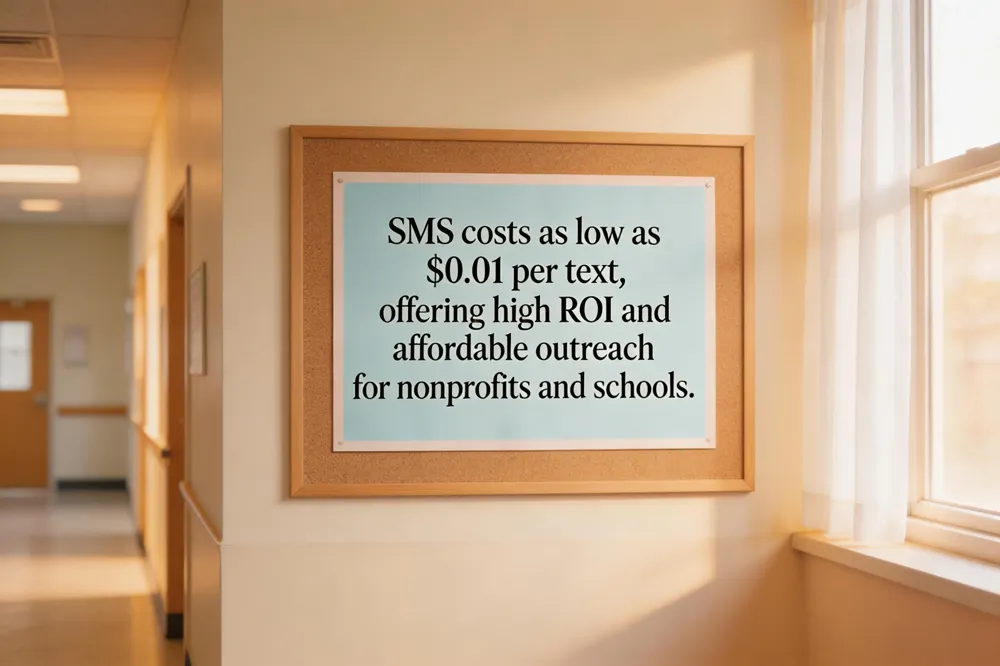
In the United States, the average cost of an outbound SMS in 2026 ranges from $0.01 to $0.05 per text, while MMS messages run between $0.03 and $0.30 each. Pricing is tier‑based: a 1,000‑message plan may cost about $25, whereas a 10,000‑message plan can drop the rate to $0.02 or less per text. Short‑code or toll‑free numbers, dedicated keywords, and premium features such as analytics or CRM integrations add extra fees. Nonprofits and educational groups often secure discounts or bundled packages that include unlimited contacts, shared inboxes, and automation tools, helping keep budgets tight while maintaining high engagement (98% open rates, 45% response).
Is SMS blasting expensive?
Generally, SMS blasting is affordable. Domestic SMS rates typically range from $0.01 to $0.05 per message, MMS $ $0.03 to $0.10 per message. Bulk‑volume discounts and subscription bundles push per‑message prices lower, especially for nonprofits sending frequent RSVPs and reminders. While hidden fees for automation or CRM integration can add cost, many platforms bundle these into a flat monthly fee. Compared with email (≈6% response), SMS delivers a far higher ROI, making it a cost‑effective way to boost event participation and community engagement.
Integrations, Automation, and Data: The Technical Edge
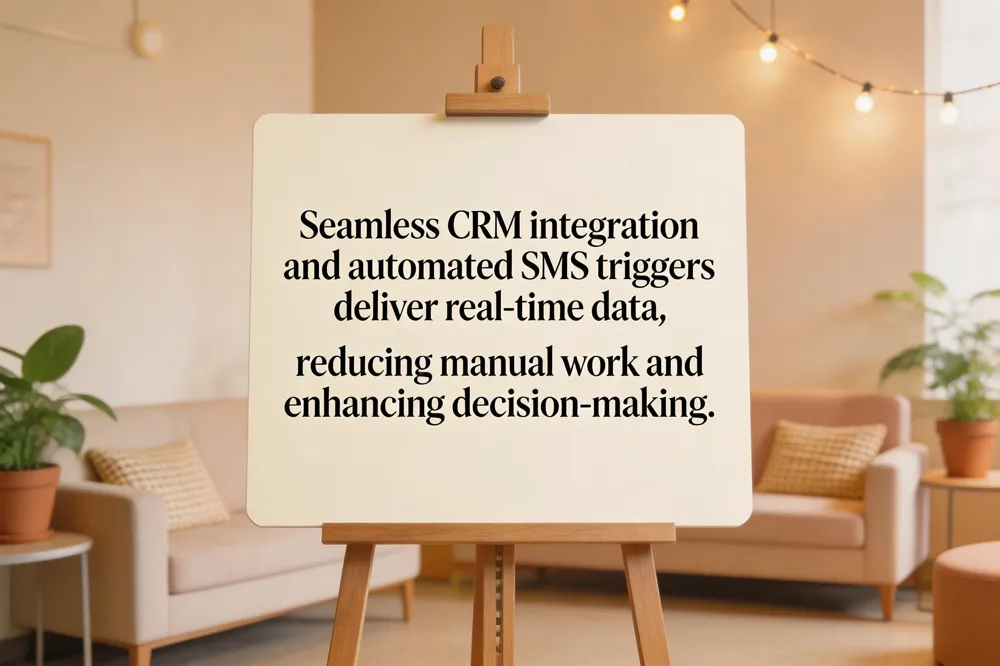
CRM integration is the backbone of modern event workflows: every SMS RSVP , check‑in , or payment reminder is automatically logged in the central contact record, eliminating duplicate entry and giving staff a 360° view of each participant. Automation takes this a step further—scheduled reminder texts , drip campaigns , and two‑way keywords trigger instant actions such as ticket confirmation or volunteer shift updates, reducing manual labor by up to 25 %. An SMS event is a real‑time webhook that captures each outbound or inbound message with details like ID, timestamp, direction, and delivery status; these events feed directly into analytics dashboards and CRM systems for instant monitoring of RSVP rates, check‑in times, and engagement trends. An SMS strategy is a documented plan that defines objectives, metrics, audience segmentation , timing, and automation workflows, turning casual texts into a measurable participation driver. While richer RCS messaging is emerging, SMS remains the universal fallback for reaching all mobile users.
Getting Started with Evant: Access and Free Tools

Evant login
To log in to Evant, visit https://app.evant.app/login. Sign in with your email and password, use the “Login via Magic Link,” or select SSO if supported. Forgot your password? Click “Forgot your password?” to reset. New users can create an account via “Sign up.” A new dashboard will be fully active after December 1.
Free event management software
Evant’s free tier lets nonprofits and schools run SMS‑based RSVPs, real‑time check‑ins, targeted messaging, basic CRM integration, and simple analytics at no cost. The SMS‑first workflow delivers instant confirmations and reminders to phones, reducing friction compared with web forms or email. Built‑in reporting tracks response rates and attendance, helping measure impact. This low‑maintenance, mobile‑centric solution boosts participation and streamlines community event logistics.
Conclusion: SMS as the Future of Event Operations
SMS communication delivers unmatched reach—over 98% open rates and near‑instant reading—making it the most reliable channel for RSVPs, reminders, real‑time updates, and post‑event surveys. Two‑way texting and audience segmentation boost engagement, while CRM integration automates data sync, cuts manual labor, and provides actionable analytics. For nonprofits and educational groups, SMS reduces no‑shows by 15‑30%, speeds check‑ins, and lowers costs compared with paper or email workflows.
Next steps: 1) Choose a compliant SMS platform (e.g., Evant) that offers RSVP, check‑in, and CRM hooks. 2) Build an opt‑in list during registration and segment contacts by role or interest. 3) Design automated drip campaigns—save date, reminder, day‑of, thank‑you, and survey. 4) Monitor delivery, response, and conversion metrics to refine timing and content. 5) Scale by adding short codes or toll‑free numbers for broader credibility. Implementing these practices positions any organization to run smoother, more engaging events with measurable ROI.
Related Blogs
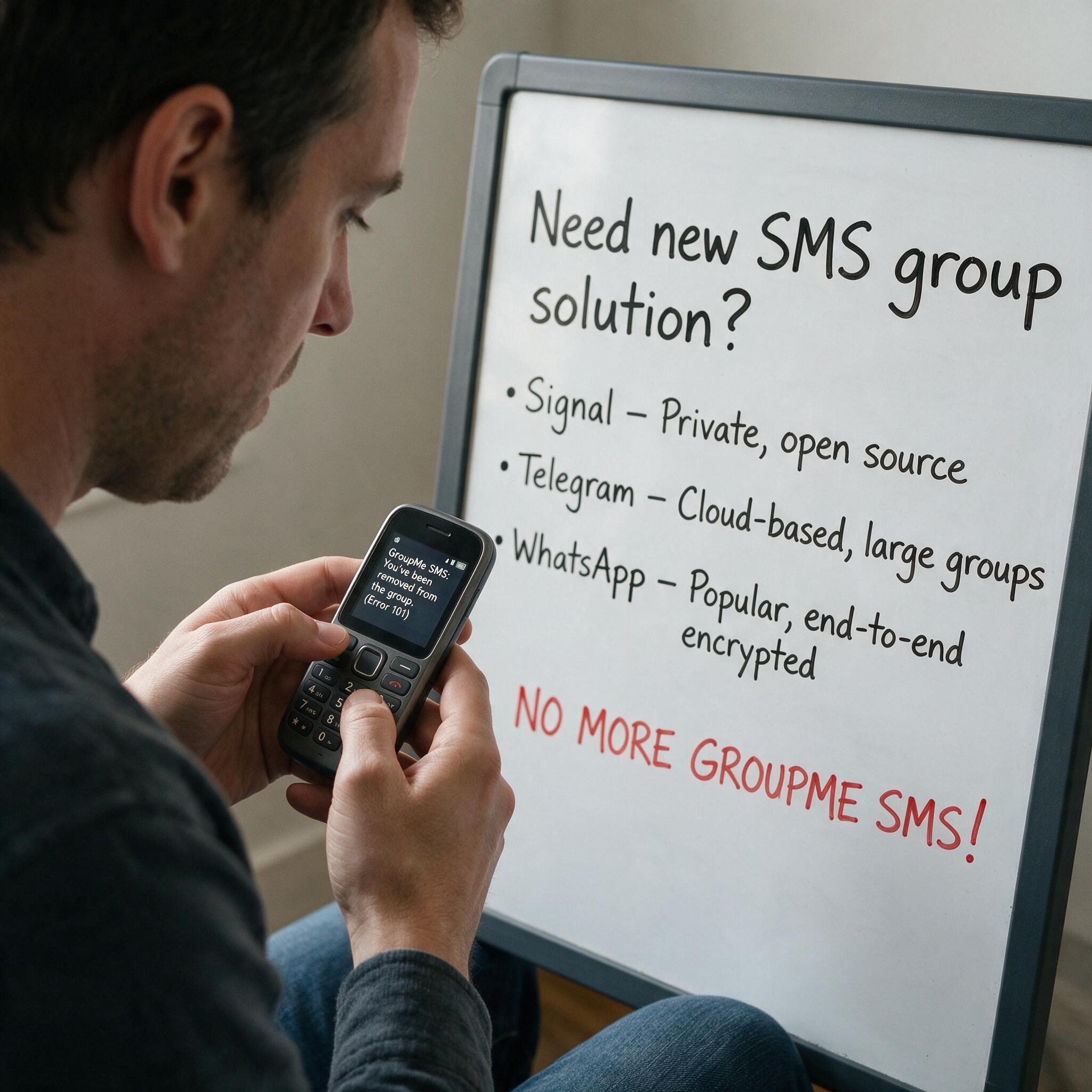

Got Kicked Out of GroupMe? Look to Evant.
Michael PedoeemGot Kicked Out of GroupMe? The Best GroupMe SMS Alternative for Jewish Communities

How to Send Targeted Alerts During Live Events
Michael PedoeemMastering Targeted Event Alerts: Real-Time Communication Strategies for Nonprofits
Top 7 SMS Trends for Communities in 2026
Michael PedoeemFrom AI-powered responses to text-to-donate and two-way texting — here are the 7 SMS trends every shul, school, and nonprofit needs to know about in 2026