
Why Community Engagement Matters More Than Ever
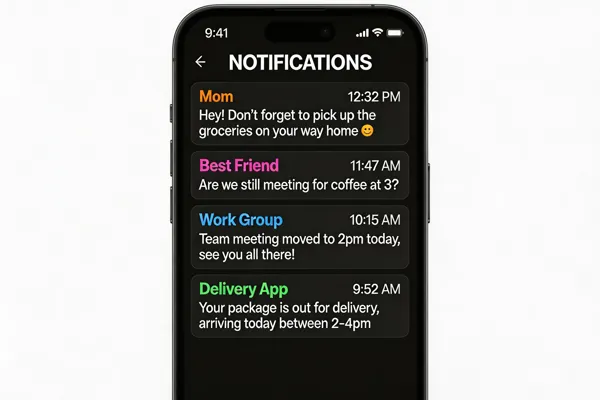
COVID‑19 left a permanent scar on how Americans gather. Only 53 % of adult churchgoers now talk with neighbors before, during, or after service, and many still prefer to worship from a screen. That shift isn’t a loss—it’s a signal. Barna’s 2026 Discipleship report shows “belonging” and “deep relational connection” drive engagement, and intentional small‑group ministries make members 40 % more likely to feel that community. Digital habits have accelerated: 95 % of U.S. adults own a cell phone, 98 % open a text within minutes, and online giving portals boost trust. The smartest churches pair that data with tools like One Church Software’s contacts feature and Evant’s SMS RSVP/check‑in, letting leaders track families, send targeted reminders, and measure attendance in real time. When outreach is data‑informed and purposeful, congregations move from “just existing” to actively serving the neighborhood—and that, more than ever, is the lifeblood of a thriving church.
Leverage SMS for Nonprofit and Church Outreach

Text messaging isn’t just a quick note—it’s a powerhouse for churches and nonprofits. SMS enjoys a 98‑99% open rate and 90% of recipients read a message within three minutes, dwarfing email’s 20‑30% open rate. When you pair that immediacy with a CRM (like Planning Center, Breeze, or Salesforce), every reply becomes a data point: segment by age, donation history, or volunteer status, then trigger personalized follow‑ups in real time.
Real‑time RSVP and check‑in tools turn a simple “YES” into a live attendance dashboard, cutting manual entry by up to 80% and freeing staff to welcome guests instead of tallying numbers. The same platform can automate text‑to‑give prompts—links that open a secure donation page in seconds—so a 5‑minute reminder can lift fundraising by 15‑30% without the cost of direct mail or paid ads (each SMS costs less than two cents).
Evant is a cloud‑based SMS suite built for charities, churches, and schools. It lets you craft targeted campaigns, collect one‑word RSVPs, schedule reminders, and launch text‑to‑donate drives. Seamless CRM integration delivers real‑time analytics and event‑tracking dashboards, and pricing is pay‑as‑you‑go—so you only pay for the messages you actually send.
SMS engagement means sending consent‑based, timely texts that spark interaction—event alerts, check‑ins, prayer requests, or thank‑you notes. Because most phones are within arm’s reach, messages are read in seconds, creating a two‑way dialogue that boosts participation, gathers feedback, and deepens community ties. For churches seeking deeper belonging and nonprofits craving efficient outreach, SMS is the fastest, most trusted channel on the planet.
Craft a Holistic Church Engagement Strategy

When you pull all the pieces together—small‑group ministries, targeted SMS, volunteer drives, and data‑driven tweaks—you get a living, breathing engagement plan that feels less like a checklist and more like a community‑building engine.
Barna’s 2026 Discipleship in Community report shows that
Text messages have a 98 % open rate and are read in under three minutes. Use an SMS platform (
Combine the data from your small‑group attendance with SMS alerts to mobilize volunteers for a food‑bank night, a “Love Your Neighbor Kit” distribution, or a local school partnership. Targeted texts to those who have already shown up for similar projects cut no‑show rates by 25 % and keep the momentum rolling.
Track who opens, clicks, and RSVPs. The average church that integrates SMS with a CRM sees a 12 % higher giving rate during campaigns. Analyze which groups respond best to which messages, then iterate—just like the
It is a coordinated plan that creates a welcoming, relational environment where members grow spiritually and socially, weaving small‑group life, volunteer opportunities, and community‑impact programs together with personalized, data‑backed SMS communication.
It suggests roughly 80 % of expenses should go directly to program services, with the remaining 20 % covering admin and fundraising. While useful, modern nonprofits pair it with outcome‑based metrics to capture true impact.
Implement Six Effective Evangelism Approaches
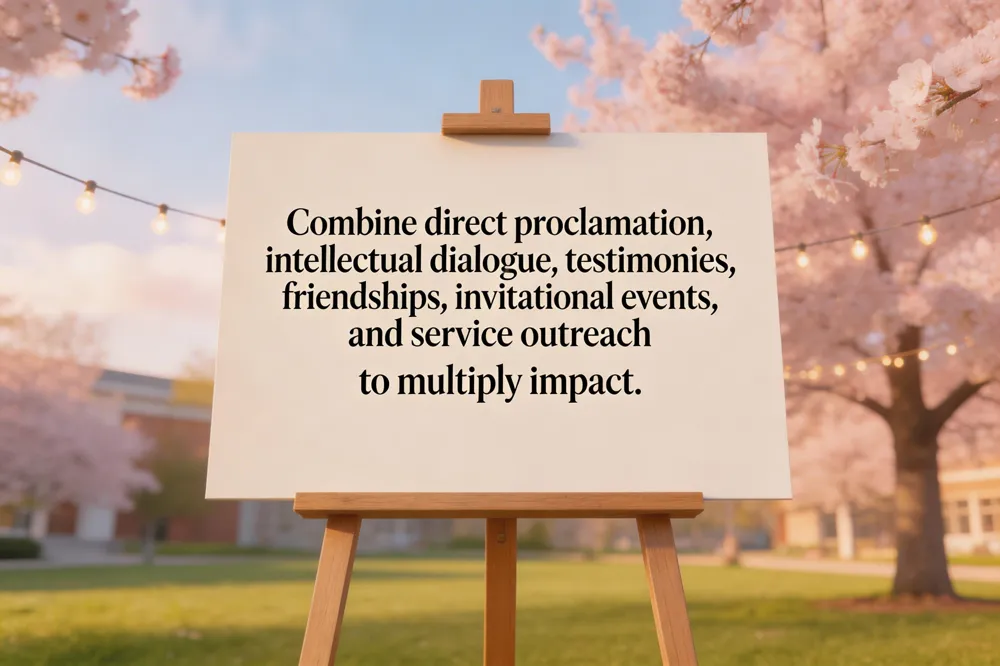
When it comes to sharing the gospel in today’s fast‑moving U.S. context, churches can’t rely on a one‑size‑fits‑all playbook. The research from Barna, Carey Nieuwhof, and Lifeway shows that belonging, deep relational connection, and clear communication are the engines of engagement. That’s why a six‑pronged evangelism strategy works so well:
By weaving these approaches together—using SMS RSVPs (98 % open rate) to remind people, CRM tools to track relationships, and transparent giving portals to build trust—churches can create a thriving, missional community that both welcomes newcomers and deepens the faith of existing members.
Optimize Attendance with Data‑Driven Practices

Personal invitations still reign supreme. A 60‑second weekly ask—whether it’s a quick text, a coffee‑shop chat, or a handwritten note—outperforms any flyer because it carries a face‑to‑face promise. Pair that with a "Bring a Friend" or "F.R.A.N." day tied to a high‑energy event (Christmas Eve, VBS, a summer concert) and you’ll see a noticeable bump in the headcount.
But the first visit is only the opening act. A systematic follow‑up plan—door‑step visit, phone call, and newsletter inclusion after the first, second, and third attendances—boosts retention. When someone misses three consecutive Sundays, a hand‑written note from a greeter or pastor shows you’re watching and caring, turning a lapse into a comeback.
Visibility matters, too. Simple roadside signs, yard‑board flyers, and a clean website with a map and service times meet the expectation that most people research churches online before stepping inside. A well‑maintained nursery and uniformed greeters further lower the barrier for families.
Enter SMS. With open rates near 99 % and 90 % read within three minutes, a reminder the night before an event can double or even quadruple attendance. RSVP analytics feed real‑time data into your CRM, letting you see who’s coming, send last‑minute updates, and follow up with those who didn’t show—all without lifting a paper form.
The 33 % rule is the IRS public‑support test that requires at least one‑third of a 501(c)(3)’s total support over a rolling five‑year period to come from the public—individuals, corporations, other charities, or government entities. This threshold preserves public‑charity status, signals broad community backing, and strengthens donor confidence.
Build Sustainable Community Involvement with the Six C’s

What are the six C’s needed to successfully engage a community? The answer is simple: Capability, Commitment, Contribution, Continuity, Collaboration, and Conscience – together they create a sustainable, ethical engine for church‑wide involvement.
Capability – Modern tools like Evant’s SMS RSVP, check‑in, and CRM integration turn a modest staff into a high‑tech outreach machine. With open rates of 98‑99% and response times under three minutes, text messaging outperforms email and phone calls, letting churches instantly confirm volunteers, send reminder texts, and log attendance in real time.
Commitment – Consistency builds trust. Barna’s 2026 report shows only 53% of adults talk to fellow attendees before or after services, so a regular cadence of personal texts, weekly “invite a friend” prompts, and transparent giving dashboards keeps the conversation alive and the congregation feeling seen.
Contribution – People stay when they serve. Personal invitations, a “Bring a Friend Day,” and short‑term service projects (e.g., coffee giveaways, senior visits) turn a single act into a habit, boosting retention by up to 15% for small‑group participants.
Continuity – Follow‑up matters. Hand‑written notes after three missed Sundays, automated post‑event thank‑you texts, and a 24‑hour attendance check‑in team ensure nobody falls through the cracks.
Collaboration – Partner with local nonprofits, schools, and Upward Sports to expand reach. Joint “bridge events” like free concerts or food‑co‑op drives demonstrate the church’s presence in the neighborhood and create shared purpose.
Conscience – Ethical outreach starts with transparency. Financial‑visibility portals, clear opt‑in consent for SMS, and public reporting on how donations are used reinforce trust, aligning with the biblical call to “spur one another on toward love and good deeds.”
By weaving these six C’s together, churches can move from occasional gatherings to a thriving, life‑changing community.
Putting It All Together for Lasting Impact
Combine the six proven tactics—personal invitations, follow‑up outreach, small‑group depth, digital outreach, transparent giving, and community‑service events—using SMS as the connective tissue. Leverage data‑driven insights for relational outreach, then start Evant’s free trial today to boost attendance, deepen relationships, and sustain growth across congregation.