

Why Text Messaging Matters for Communities
SMS delivers an almost guaranteed eyeball: open rates hover around 98‑99% and 90% of texts are read within three minutes, dwarfing the 20‑30% email benchmarks. Response rates follow suit—48% of recipients reply, versus the 2‑4% typical of email—making texting a high‑engagement channel for nonprofits. Because messages are delivered instantly, they enable real‑time communication for time‑sensitive alerts, event updates, and volunteer shift changes, ensuring supporters act while the information is fresh. This immediacy forms the backbone of modern nonprofit outreach: cultivation texts raise average gift size by 54%, automated reminders lift event attendance by 15‑25%, and two‑way conversations collect donor data for personalized segmentation. Integrated with CRMs, SMS logs sync automatically, reducing manual entry and sharpening analytics. When combined with concise copy, clear CTAs, and TCPA‑compliant opt‑in/out mechanisms, text messaging becomes a reliable, scalable tool that drives participation, deepens community bonds, and streamlines event logistics.
Legal Landscape: Staying Compliant While Messaging
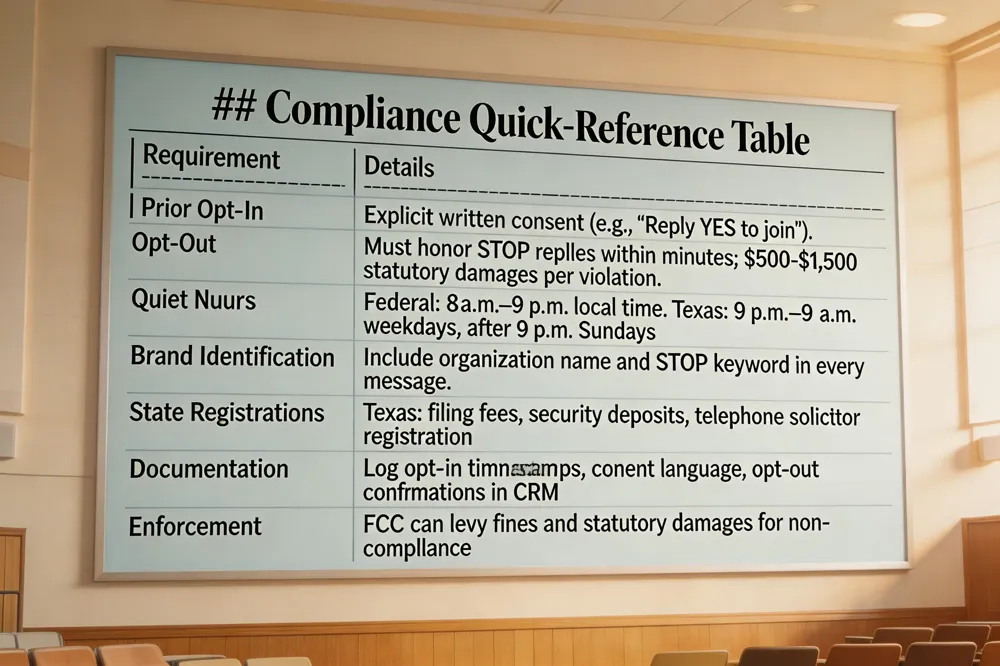 In the United States, the Telephone Consumer Protection Act (TCPA) governs all commercial SMS outreach, including nonprofit and educational campaigns. The law requires explicit opt‑in consent before any marketing text is sent and mandates an easy, universal opt‑out—typically replying “STOP.” Failure to honor opt‑out requests within minutes can trigger statutory damages of $500‑$1,500 per message (FCC, TCPA).
State‑level restrictions add another layer of compliance. For example, Texas treats marketing texts as “telephone solicitation,” requiring registration with the Secretary of State, a $200 filing fee, a $10,000 security deposit (or bond), and quiet‑hour limits (no messages 9 p.m.–9 a.m. on weekdays and after 9 p.m. on Sundays). Other states impose similar quiet‑hour or branding rules, so organizations must review local statutes in addition to federal law.
Is SMS text blasting illegal? Yes. Bulk, unsolicited marketing texts—often called text blasting—are illegal under the TCPA because they lack prior express consent. The same applies to SMS spamming: any text sent without consent, especially using autodialers, violates FCC rules and can lead to fines, enforcement actions, and reputational damage.
What are the rules for SMS marketing? Summarized, they require:
- Prior written opt‑in.
- Messages sent only between 8 a.m. and 9 p.m. local time.
- Immediate compliance with opt‑out requests.
- Clear brand identification and a simple STOP keyword in every message.
Nonprofits can still use SMS for fundraising, event reminders, and volunteer coordination, but they must embed the opt‑in confirmation (e.g., “Reply YES to join”) and always include a STOP option. Integrating the SMS platform with a CRM ensures that opt‑in status and opt‑out are automatically synced, reducing manual errors and protecting the organization from legal risk. By adhering to these federal and state guidelines, nonprofits can leverage SMS’s 98% open‑rate without jeopardizing compliance.
Cost & Pricing: What Community Texting Really Costs
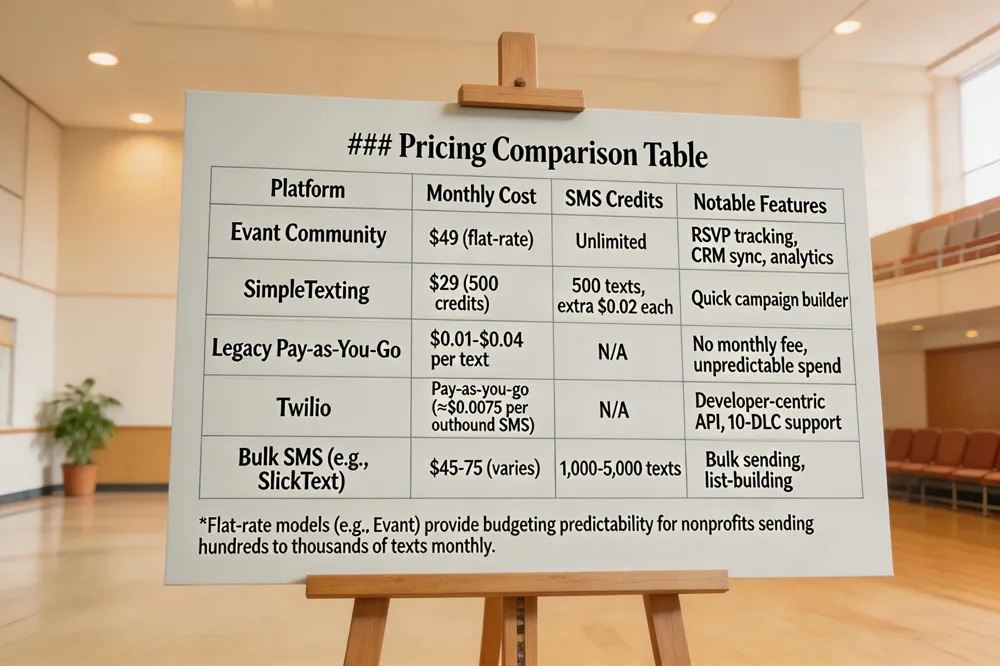 Flat‑rate SaaS pricing has become the norm for modern community‑texting platforms. Evant’s Community app, for example, starts at $49 per month and includes unlimited SMS credits, RSVP tracking, and CRM integration. This eliminates the per‑message fees that legacy systems charge—often $0.01‑$0.04 per text—making budgeting far more predictable for nonprofits that send hundreds or thousands of messages each month.
Per‑message legacy costs can quickly balloon: a small campaign of 500 texts may cost $5‑$20 on a pay‑as‑you‑go plan, but a larger outreach (5,000‑10,000 texts) can exceed $100‑$400, forcing organizations to guess expenses ahead of time.
Budget predictability is crucial for mission‑driven groups. With a flat‑rate model, nonprofits know exactly what they will spend each month, avoiding surprise charges and allowing funds to be allocated to program impact rather than communication overhead.
How much does community texting cost? Evant’s Community app starts at $49 per month, which includes unlimited SMS credits, RSVP tracking, and CRM integration. This flat‑rate model eliminates the per‑message fees that many legacy platforms charge, making budgeting straightforward. For organizations that need only a few hundred messages, some competitors offer lower‑priced tiers—e.g., SimpleTexting begins at $29 per month for 500 credits—but additional credits quickly increase the cost. Because Evant’s pricing is unlimited‑contact and unlimited‑message, it typically ends up cheaper for nonprofits and schools that run regular events and outreach campaigns. Overall, you can expect a predictable monthly expense of $49 for full community‑texting functionality with Evant.
Crafting Compelling SMS Messages
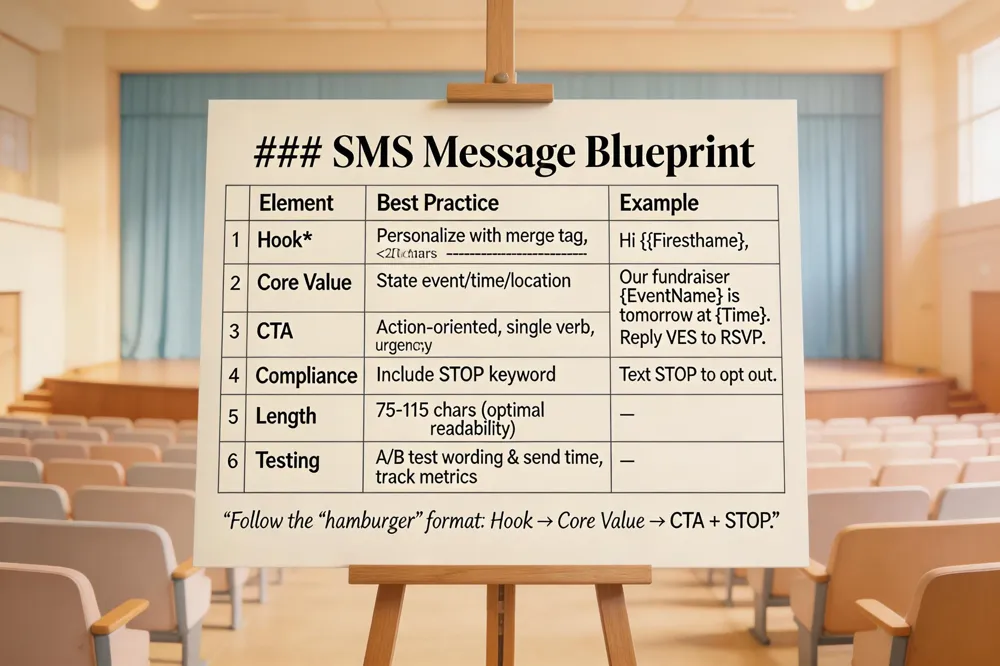 SMS is the fastest‑acting channel for nonprofits, with 98% of texts opened within minutes and response rates that dwarf email. To turn that immediacy into action, follow a disciplined structure: start with a single, crystal‑clear idea, keep the copy under 160 characters, and end with a concise call‑to‑action (CTA).
Message structure and brevity – Use a three‑part “hamburger” format: a brief hook (e.g., “Hi {{FirstName}}”), the core value (event name, time, why it matters), and a single CTA (“Reply YES to RSVP”). Limit the text to 75‑115 characters for optimal readability and to avoid multi‑segment costs.
Personalization tactics – Merge tags for names, event dates, or past involvement create an instant connection and can lift click‑through rates by 20% or more. Reference a recent activity (“Thanks for volunteering last month”) and tailor the tone to the audience (formal for donors, casual for volunteers).
Clear calls‑to‑action – A CTA should be action‑oriented, specific, and time‑bound. Use verbs (“Reply YES”, “Text DONATE + amount”) and add urgency (“Spots are limited, reply by 5 PM”). Include the required STOP keyword for compliance.
Testing and optimization – A/B test subject lines, wording, and send times (mid‑day and early evening perform best). Track delivery, open, reply, and conversion rates in your SMS platform (e.g., Evant, SuperPhone) and iterate based on the data.
How to craft a compelling SMS message? Start with a crystal‑clear idea, keep language concise and action‑oriented, add a personalized hook, and finish with a strong, urgent CTA. Test and refine based on response metrics.
Crafting SMS messages for free – best practices – Use a template under 160 characters, personalize with merge tags, include a STOP opt‑out and leverage free AI refiners or trial accounts to polish copy and test variants.
Text message marketing best practices – Obtain explicit opt‑in, respect quiet hours (8 a.m.–8 p.m.), segment by interest or role, send one clear CTA per message, and continuously monitor key metrics to improve performance.
Examples of effective SMS messages:
1️⃣ “Hi {{FirstName}}, thanks for joining {{Organization}}! Reply YES for updates & volunteer ops. Text STOP to unsubscribe.”
2️⃣ “Reminder: {{EventName}} tomorrow at {{Time}} {{Location}}. Reply YES to confirm or NO to cancel. Text STOP to stop.”
3️⃣ “{{FirstName}}, your donation matches every $1 for 24 hrs. Reply DONATE + amt now. Text STOP to opt‑out.”
4️⃣ “Volunteer shift {{ShiftDate}} at {{ShiftTime}} needs help. Reply JOIN or HELP for details. Text STOP to stop alerts.”
5️⃣ “Survey: Rate {{EventName}} 1‑5. Reply 1‑5 to help us improve. Text STOP to end messages.”
Tools, Platforms & Free Options
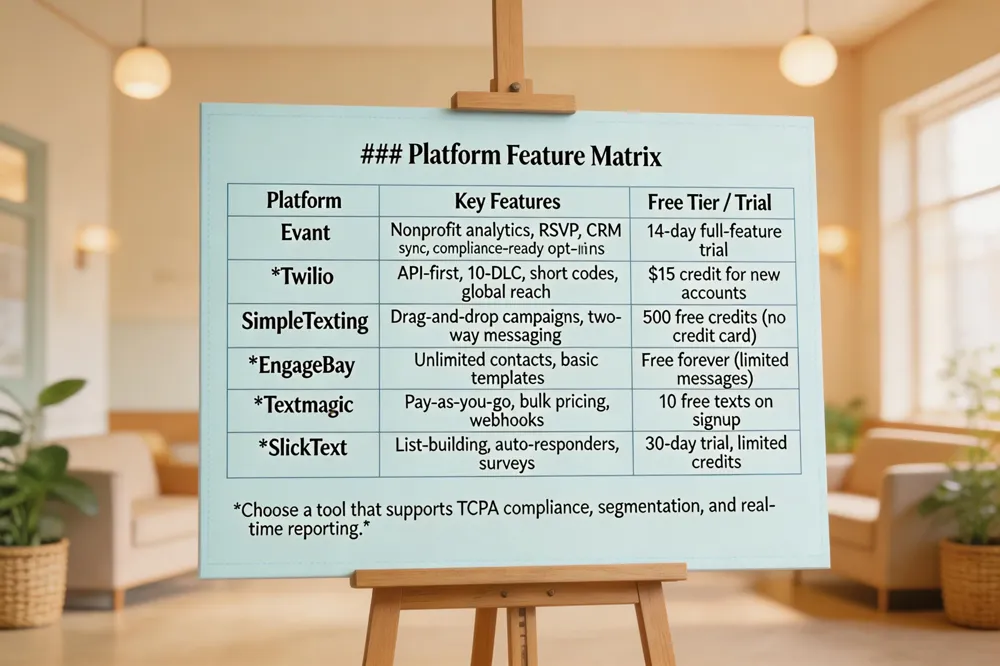 SMS marketing tools to consider When selecting an SMS solution, prioritize platforms that blend ease of use with powerful automation and analytics. For nonprofits and schools, Evant stands out because it offers nonprofit‑focused analytics, RSVP tracking, event check‑ins, and seamless CRM integration—all built for community engagement. Other strong contenders include Twilio (deep developer customization), SimpleTexting (quick campaign creation), andText Texting (user‑friendly interface and two‑way messaging). SMSBump excels for e‑commerce, while Textmagic and SlickText provide affordable bulk‑sending and list‑building features. Choose a tool that supports TCPA compliance, segmentation, and real‑time reporting to maximize participation.
Free SMS marketing options Many SaaS providers give a limited free tier—often a few hundred messages per month—so you can trial core functionality at no cost. EngageBay offers a free account with no credit‑card requirement, granting access to basic messaging, templates, and analytics. Some services provide a free consultation and custom plan after a short questionnaire, like the Free SMS Marketing Plan. Evant differentiates itself with a 14‑day free trial that unlocks full features, including RSVP, check‑ins, targeted messaging, CRM sync, and analytics. After the trial, you can scale to a paid plan that matches your messaging volume.
Best SMS marketing platform for nonprofits Evant is the top choice for mission‑driven organizations. Its intuitive, no‑code interface pairs with a dedicated SMS‑based RSVP system that streamlines event check‑ins and real‑time attendance tracking. Pay‑as‑you‑go pricing and built‑in analytics keep costs low while delivering measurable engagement. Seamless CRM integrations keep donor and volunteer data synchronized, and two‑way messaging enables instant confirmations, reminders, or surveys. Compared with general‑purpose tools like SimpleTexting or SlickText, Evant’s nonprofit‑focused features—bulk RSVP handling, targeted outreach, and compliance‑ready opt‑ins—make it a more efficient and cost‑effective solution for community‑centric groups.
Use Cases, Campaign Ideas & Emerging Trends
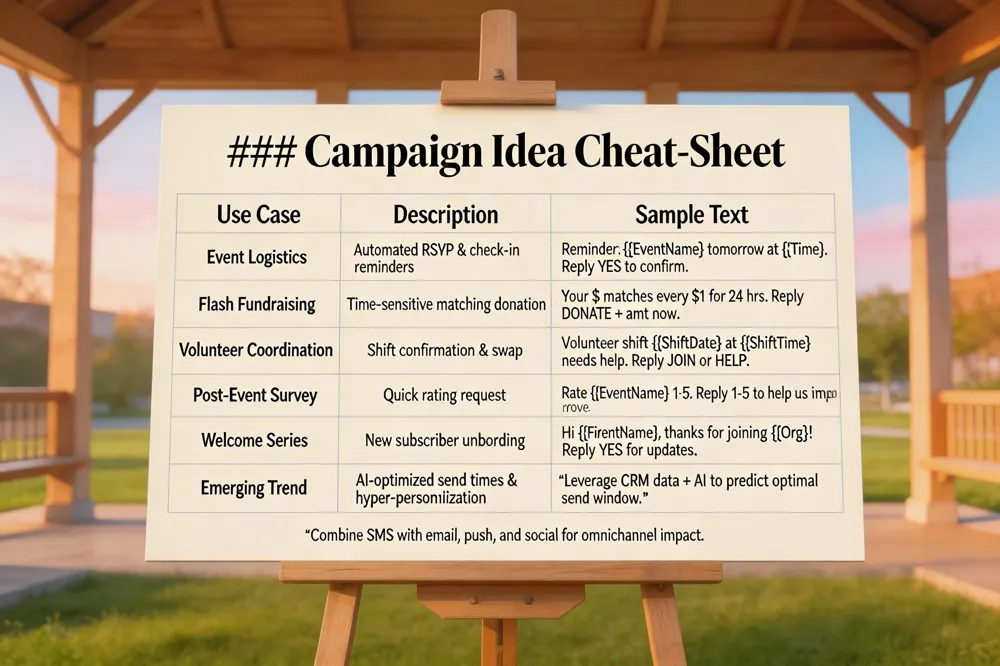 SMS marketing offers nonprofits and schools a fast‑acting, high‑visibility channel for community engagement. Event logistics benefit from automated RSVP confirmations, real‑time check‑in reminders and emergency alerts that keep participants informed and boost attendance for fundraisers, school plays, and workshops. Fundraising and donor cultivation are amplified by flash‑donation‑matching texts with urgency cues and short links, delivering average gifts of $135—three times higher than email. Volunteer coordination thrives on two‑way messaging that lets supporters reply “YES” to confirm shifts or “NO” to reschedule, reducing no‑shows and improving logistical efficiency. Integrated with a CRM, SMS data feeds into analytics dashboards, providing insights on response rates, attendance, and donation trends for continuous optimization.
SMS marketing campaign ideas include a welcome text that thanks new subscribers and offers an instant RSVP link, a time‑sensitive matching drive with a short donation URL, targeted reminder series for volunteer shifts, post‑event thank‑you messages with quick survey links, and a “text‑to‑join” drive using a memorable keyword (e.g., TEXT CAUSE to 555‑1234) to grow the list.
Current trends show hyper‑personalization driven by CRM data and AI‑optimized send times, two‑way chat for real‑time engagement, and strict compliance automation for TCPA and 10DLC requirements. Organizations are creating seamless omnichannel experiences by linking SMS with email, push notifications, social media, and loyalty programs, while transactional texts and VIP rewards deepen retention and demonstrate measurable ROI.
Building a Bulk SMS Service & Driving Outreach
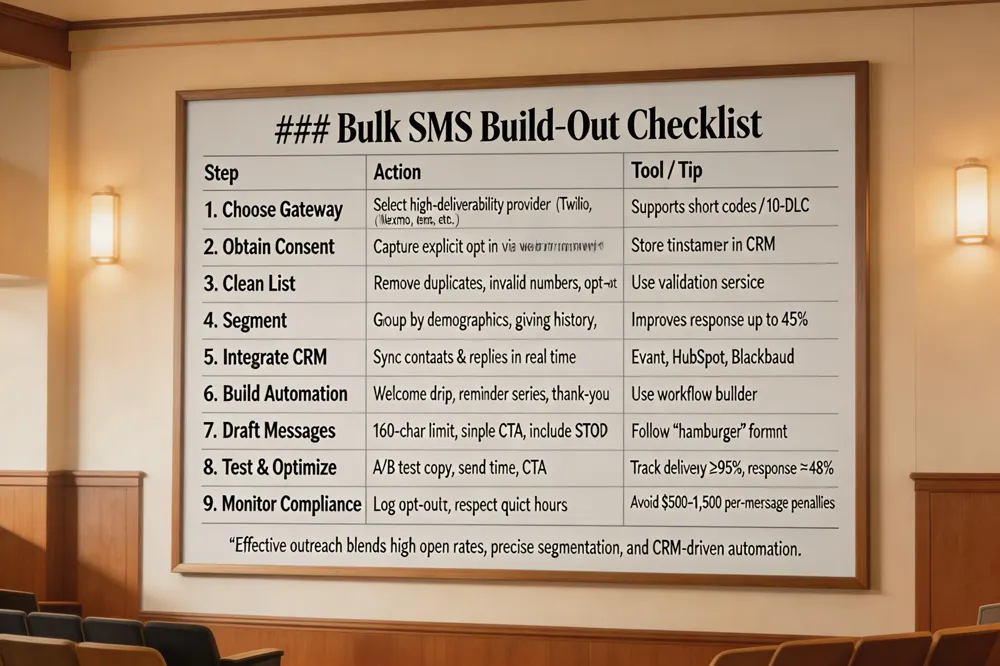
How to build a bulk SMS service
Begin by choosing a high‑deliverability gateway (e.g., Twilio, Nexmo, or a dedicated bulk‑messaging platform) that offers API access and supports short codes or 10‑DLC numbers for compliance. Create a consent‑based contact list—U.S. TCPA rules demand explicit opt‑in and a clear “STOP” keyword—then clean the database and segment it by demographics, interests, or past engagement. Segmentation boosts response rates (up to 45% for SMS vs. 2‑4% for email) and enables personalized copy (name, location, giving history). Integrate the gateway with a CRM such as Evant, HubSpot, or Blackbaud so that each reply (RSVP, donation, survey) updates supporter profiles in real time. Build automation workflows: welcome drips, event reminder series (2‑3 weeks out, 2‑3 days before, day‑of), birthday/holiday greetings, and post‑event surveys. Keep messages under 160 characters, use a single, strong CTA (“Reply YES to RSVP”), and include the opt‑out option in every text.
How to do effective SMS outreach
Start every message with a brand identifier and a concise value proposition—SMS open rates average 98% and 90% read within three minutes—so immediacy matters. Personalize with the recipient’s first name and reference prior interactions; personalization can lift click‑through rates by up to 20%. Send texts during high‑engagement windows (mid‑morning or early evening) and limit frequency to 2‑6 messages per month to avoid fatigue. Use aTwo‑way texting for real‑time feedback, polls, or shift confirmations, which can increase attendance by 15‑25% and boost volunteer reliability. Track key metrics—delivery ≥95%, response rates (≈48% for SMS vs. 2‑4% for email), opt‑out rates, and conversion actions (RSVPs, donations). A/B test copy, send times, and CTAs, then refine workflows based on analytics. By combining high open rates, precise segmentation, automated reminders, and robust CRM integration, nonprofits can drive higher participation, streamline event logistics, and grow sustainable donor and volunteer communities.
Resources, PDFs & Ongoing Learning
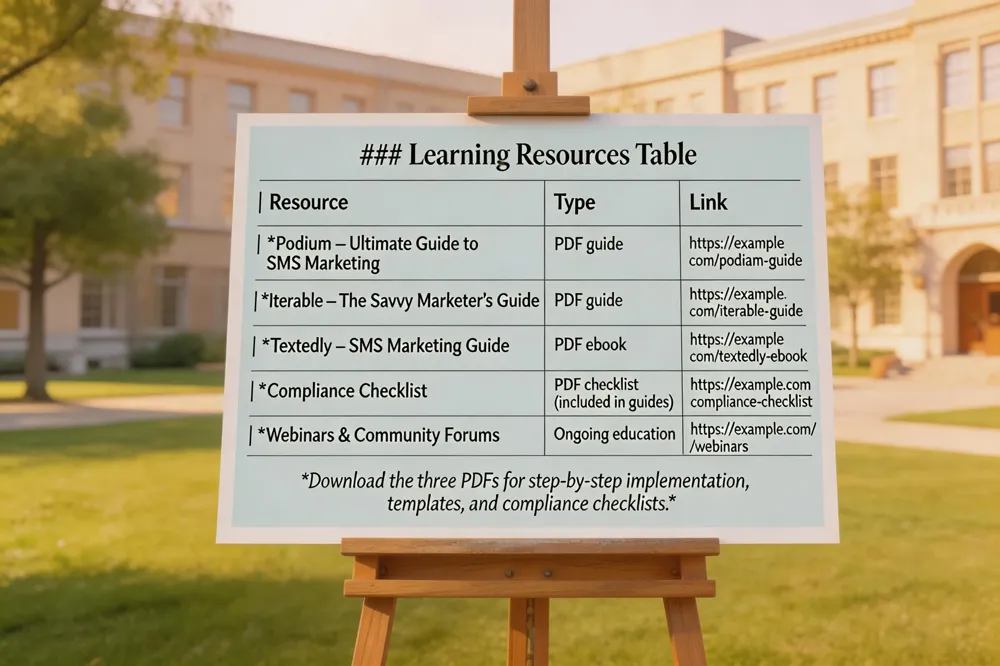 Guides and templates – Nonprofits can jump‑start texting with three PDF guides: Podium’s “Ultimate Guide to SMS Marketing”, Iterable’s “The Savvy Marketer’s Guide to Building a Stellar SMS Strategy”, and Textedly’s “SMS Marketing Guide”. Each guide walks users through consent, concise copy, segmentation, timing, and reporting, and provides ready‑made templates for welcome messages, donation prompts, event reminders and surveys.
Compliance checklists – The PDFs include a step‑by‑step checklist covering explicit opt‑in, double‑opt‑in confirmation, clear STOP instructions, and quiet‑hour rules to meet TCPA and GDPR requirements and avoid penalties.
Continuous education – Ongoing learning is encouraged through A/B testing, monitoring open rates (open rates (≈98 %)), click‑through (5‑30 %) and response metrics, and updating segments based on donor history or volunteer role. The guides also point to webinars and community forums for deeper insights.
Answer – You can download three comprehensive PDF guides that cover every stage of an SMS‑marketing program: the “Ultimate Guide to SMS Marketing” from Podium, “The Savvy Marketer’s Guide to Building a Stellar SMS Strategy” from Iterable, and the “SMS Marketing Guide” ebook from Textedly. Each resource offers best‑practice steps, compliance checklists, templates and creative use‑case ideas to launch a data‑driven SMS strategy for increased community participation and growth.
Putting It All Together
SMS’s near‑100% open rate and minute‑level read time give nonprofits a reliable shortcut to supporters. By timing messages during peak windows (mid‑day and early evening) and keeping copy under 160 characters, organizations can capture attention instantly and drive actions such as RSVPs, donations, or volunteer sign‑ups. Compliance is non‑negotiable: secure explicit TCPA opt‑in, embed a clear “STOP” keyword, respect quiet‑hour rules, and use short codes or 10DLC numbers to maintain deliverability. Evant’s unified platform stitches these best practices together—its SMS engine integrates directly with leading CRMs, automates welcome flows, segment‑based RSVP reminders, and two‑way polls, while logging every interaction for real‑time analytics. The result is a seamless, compliant workflow that turns high‑open‑rate texts into measurable event attendance and donor growth, all without manual data entry or fragmented tools.
Related Blogs
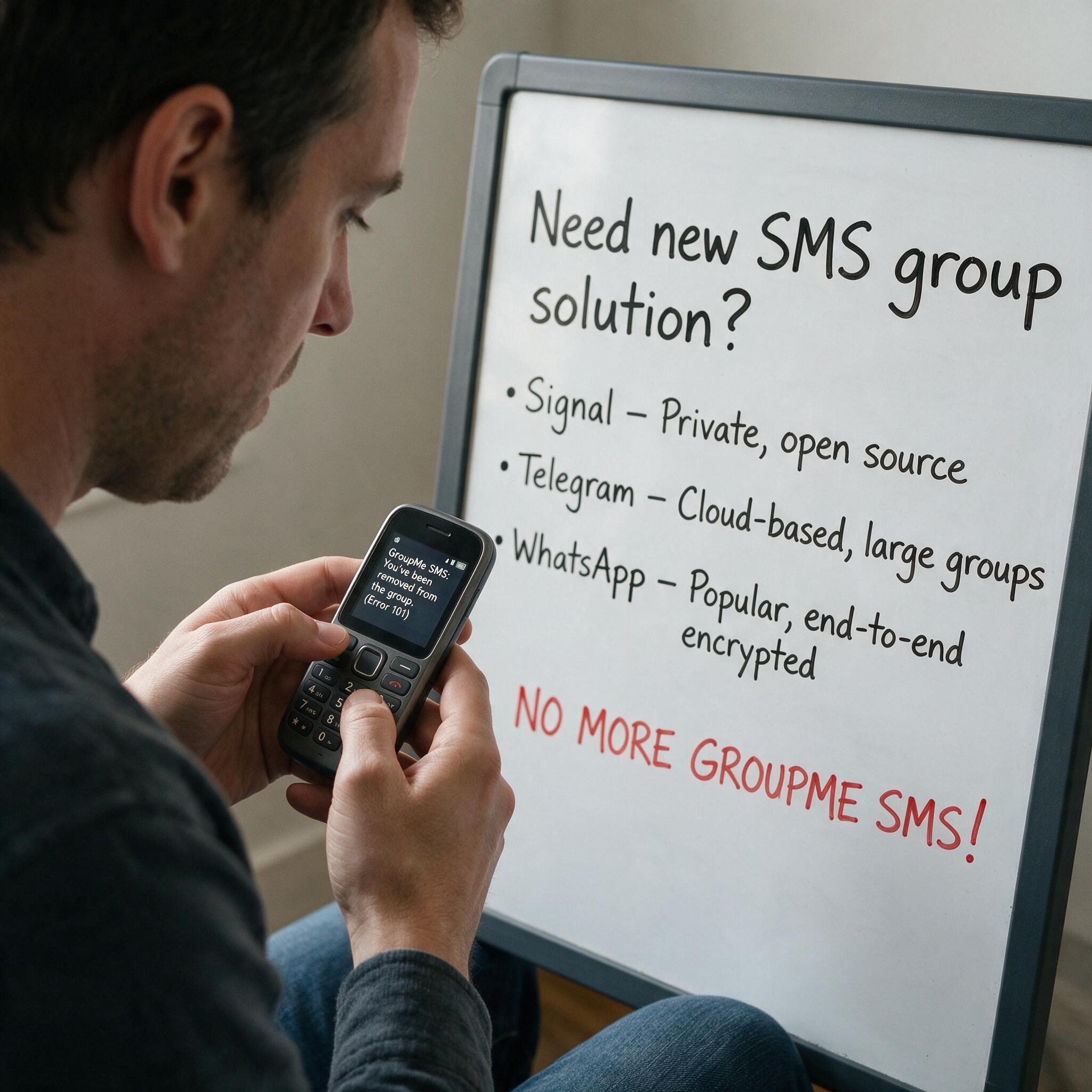

Got Kicked Out of GroupMe? Look to Evant.
Michael PedoeemGot Kicked Out of GroupMe? The Best GroupMe SMS Alternative for Jewish Communities

How to Send Targeted Alerts During Live Events
Michael PedoeemMastering Targeted Event Alerts: Real-Time Communication Strategies for Nonprofits
Top 7 SMS Trends for Communities in 2026
Michael PedoeemFrom AI-powered responses to text-to-donate and two-way texting — here are the 7 SMS trends every shul, school, and nonprofit needs to know about in 2026