
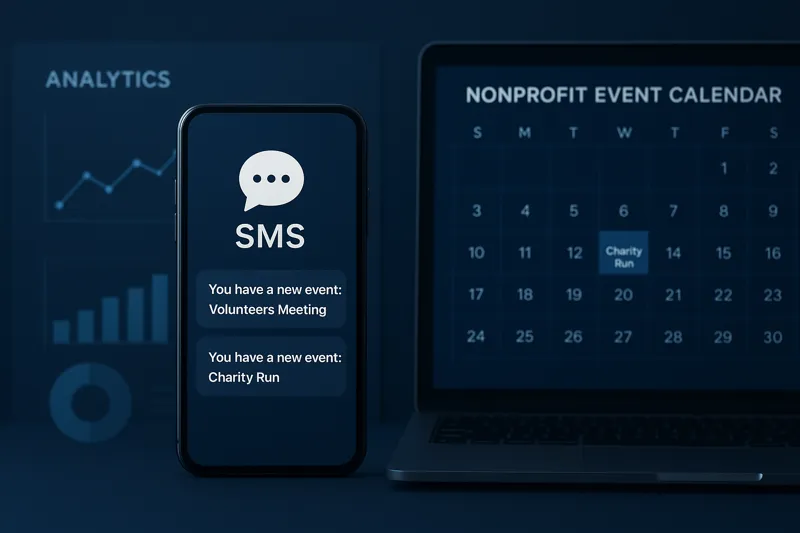
The Growing Impact of SMS in Nonprofit Engagement
A Vital Communication Channel for Nonprofits
Text messaging has rapidly become a cornerstone of nonprofit communication strategies in the United States. With about four out of five nonprofits already incorporating or planning to incorporate texting into their outreach programs, it is clear that SMS is transforming how organizations connect with supporters. This shift is fueled by the growing ubiquity of mobile phones and the immediacy SMS offers, enabling nonprofits to reach audiences quickly and personally.
Exceptional Engagement Rates
One of the most compelling reasons nonprofits turn to SMS is the exceptionally high engagement rates. Across various studies and industry reports, text messages boast a 98-99% open rate, with 90% of messages being read within just three minutes. This immediate visibility is unparalleled compared to emails, which average around a 20% open rate. Moreover, nearly half of SMS recipients actively respond to messages, a rate far exceeding typical email response rates. These strong interaction figures make texting ideal for urgent appeals, event reminders, and donor engagement.
Emerging Trends in Nonprofit SMS Use
Nonprofits are leveraging SMS in diverse and innovative ways beyond basic fundraising announcements. Multimedia content such as pictures and videos accompanies more than half of the texts sent, enhancing emotional connection and storytelling. Organizations increasingly utilize SMS for advocacy campaigns, volunteer coordination, real-time event updates, and post-event follow-ups. Automation tools and platforms allow for personalized segmentation, scheduled sending, and compliance management, helping nonprofits maximize outreach effectiveness and maintain supporter trust. As these trends continue, SMS stands out as a highly effective, cost-efficient, and indispensable channel in nonprofit engagement.
The Critical Role of Texting in Nonprofit Event Success
What role does texting play in nonprofit communication and event management?
Text messaging serves as a crucial communication tool that empowers nonprofits to connect directly and instantly with their supporters. With Text messaging open rate 98% and most messages being read within three minutes, SMS emerges far superior to traditional email, which lags significantly behind in engagement metrics.
Text messaging as a direct and timely communication channel
SMS allows nonprofits to send urgent updates, last-minute event changes, and critical fundraising appeals with immediacy that other channels can't match. This real-time communication is especially valuable for coordinating events where timing and rapid response are essential.
High open and response rates compared to email
Compared to email's modest open and response rates, SMS campaigns achieve an average 45% response and nearly universal message views. This ensures nonprofits maximize reach and participation, supporting higher event attendance, volunteer engagement, and giving. See more on SMS marketing open rate and Text messaging effectiveness for nonprofits.
Use of SMS for personalized and targeted messaging
Nonprofits benefit from Segmenting audiences for tailored messaging, enabling personalized texts tailored to donation history, location, or interest areas. Such targeted messaging fosters deeper supporter relationships and improves the effectiveness of calls to action. Learn more about Contact List Segmentation for SMS.
SMS for volunteer coordination, event reminders, and donation prompts
Texting streamlines volunteer management through schedule confirmations, role assignments, and emergency alerts. Regular Event reminders and RSVP requests help reduce no-shows at events. Combined with Text-to-donate campaigns, SMS also boosts fundraising directly at events.
Regulatory compliance and best practices
To safeguard supporters’ privacy and uphold legal standards, nonprofits must secure express consent before sending texts, provide clear opt-out instructions, and manage subscriptions responsibly. Using SMS Compliance Basics and Texting for nonprofits - legal guide, compliant SMS tools automate these processes, helping organizations maintain trust and avoid fines.
By leveraging texting as a powerful, personal, and compliant channel, nonprofits significantly enhance event success—from attendance and volunteer coordination to fundraising and post-event engagement. For more on Nonprofit Event Management and Nonprofit SMS strategies.
Choosing the Best SMS Event Management Tools for Nonprofits
What are the best SMS event management tools for nonprofits?
Nonprofits seeking to enhance event engagement and streamline communication can greatly benefit from specialized Nonprofit Event Management platforms. One standout is Evant, a SaaS solution tailored specifically for nonprofit needs. Evant offers comprehensive SMS-based features such as RSVP management, event check-ins, targeted group messaging, and detailed analytics. These tools help nonprofits boost attendance, improve volunteer coordination, and efficiently track event performance.
Evant’s ability to send automated SMS reminders and manage RSVP responses reduces administrative workload and increases supporter participation. Additionally, its analytics dashboard provides real-time insights on campaign effectiveness, aiding strategic decision-making.
Other popular tools include Eventbrite, known for its event ticketing and messaging capabilities, and PlusThis, which focuses on SMS automation and multi-channel communication. While these platforms offer robust features, they often serve broader audiences and may lack nonprofit-specific customization.
Choosing the best tool involves looking for seamless CRM integration for nonprofits and functionalities tailored to nonprofit operations, such as donor data syncing and supporter segmentation. Platforms that centralize event communication and data management empower nonprofits to run more efficient campaigns and build stronger community relationships.
In summary, the best SMS event management tools for nonprofits provide specialized nonprofit features, streamline communication with supporters, and integrate well with existing fundraising and CRM systems to maximize event success.
Maximizing Event Engagement Through SMS Strategies
How can nonprofits use SMS for event engagement effectively?
Nonprofits harness the power of SMS marketing for nonprofits to significantly enhance event engagement by capitalizing on its exceptional open rate of approximately 98% (text messages open rate 98%). Sending SMS invitations and countdown reminders builds excitement and ensures attendees are well-informed and prepared (Text Messaging for Nonprofits).
Using SMS for event invitations, countdowns, and reminders
SMS enables nonprofits to send personalized invitations, timely countdowns, and last-minute reminders directly to supporters’ phones (3 strategies for engaging event guests with text messages. This method ensures messages are instantly seen and read, increasing RSVP rates and reducing no-shows. Engagement rises when texts include multimedia content such as images or videos that highlight event details or beneficiary stories (Multimedia in nonprofit texts).
Real-time engagement via polls, Q&A, and donation prompts during events
During events, SMS promotes active participation by facilitating live polls, Q&A sessions, and donation prompts (SMS polls and surveys). Text-based interaction drives higher involvement and can boost fundraising by encouraging instant donations via text-to-give platforms. Real-time messaging also allows organizers to send urgent updates or emergency alerts smoothly and quickly (Emergency alert messaging.
Post-event surveys and feedback collection
Collecting attendee feedback through SMS surveys is simple and effective (Post-event measurement). It increases response rates compared to email and helps nonprofits gather insights on attendee satisfaction and event experience, driving continuous improvement in future events (Simplify feedback collection.
Segmented and personalized messaging to enhance supporter experience
Segmenting supporters by location, donation history, or volunteer status enables highly relevant and engaging SMS outreach (Segmenting audiences for tailored messaging). Personalization strengthens relationships by delivering content tailored to individual supporter interests and event roles (Donor Engagement Strategies.
Integration with broader event marketing channels
Combining SMS with email, social media, and direct mail creates a multi-channel marketing strategy that maximizes event awareness and participation (Multi-Channel Event Marketing. Integration with CRM systems ensures supporter data is centralized, enabling seamless coordination across all platforms (CRM integration for nonprofits).
By leveraging these Nonprofit SMS strategies, nonprofits can create dynamic, interactive, and efficient event experiences that build community engagement and strengthen donor loyalty.
Affordable and Accessible SMS Tools for Nonprofit Events
Are there free SMS event management tools available for nonprofits?
While completely free SMS-based event management tools tailored specifically for nonprofits are rare, there are several platforms that offer cost-efficient plans and free trials with essential features suitable for small to mid-size organizations.
For instance, Eventify is a nonprofit-friendly SaaS platform offering real-time collaboration, multi-channel promotion, and seamless integration with third-party tools. It supports digital invitations and engagement tools, helping nonprofits manage events affordably without commission fees on ticket sales.
Other popular platforms such as Eventbrite, NeonCRM, and Doubleknot provide free trials or tiered pricing, allowing nonprofits to test SMS functionalities along with event planning and marketing capabilities. However, some SMS features may require additional integration or add-ons.
Nonprofits should carefully evaluate features like automation, segmentation, attendee management, and CRM integration for nonprofits against the cost. These factors greatly affect event success, supporter engagement, and administrative efficiency.
In summary, while no fully free SMS event management solution may exist, affordable and accessible tools with robust features are available to nonprofits. The best choice depends on the organization's size, budget, and specific event needs. For detailed strategies and resources, refer to the Nonprofit Event Management Guide.
Choosing Essential Features in Event Management Software
What features should nonprofits look for in event management software?
Nonprofits aiming to enhance their event management can benefit greatly from software equipped with automated registration and check-in features. These capabilities streamline attendee processing, reduce manual errors, and create a welcoming experience from the start.
Effective communication tools are vital. Look for software that supports Text Messaging for Nonprofits and email campaigns, as these channels enable timely reminders, updates, and personalized invitations that boost participation and engagement.
CRM integration for nonprofits plays a pivotal role by unifying supporter data across events and fundraising efforts. This connection allows nonprofits to analyze relationships, segment audiences for tailored messaging, and customize outreach for stronger donor retention and event success.
Analytics features help measure key performance indicators such as attendance rates, donation levels, and participant feedback. Nonprofit Event Management tools expand inclusivity by facilitating remote involvement, essential for hybrid or online events.
Customization options allow organizations to tailor event workflows and branding, while reliable customer support ensures smooth operation and quick issue resolution. Platforms like Cvent demonstrate the value of these qualities in Best event management software for non-profits maximizing nonprofit event efficiency and impact.
Leveraging Checklists and Free Resources for Fundraising Event Planning
What are some recommended checklists or templates for planning a fundraising event or gala?
Planning a successful fundraising event involves many moving parts, but comprehensive checklists and templates can greatly simplify the process. Effective tools cover essential areas such as goal setting, budgeting, venue and vendor bookings, and marketing outreach. A well-structured event timeline template ensures ticket sales, invitations, and volunteer coordination for events happen on time.
Registration and check-in checklists help create a seamless experience for attendees, while donation tracking sheets support precise fundraising efforts. Digital tools like Evant offer integrated SMS communication for sending reminders, updates, and RSVP confirmations, streamlining management and improving participation rates. For more on Nonprofit Event Management, these resources provide excellent event planning aid.
What free resources are available to help plan nonprofit fundraising events?
Nonprofits can tap into a wealth of free resources to support their fundraising event planning. Many websites provide downloadable templates, guides, and checklists tailored specifically for nonprofit needs, covering budgeting, marketing, volunteer coordination, and more.
Online platforms like Google Forms offer free RSVP and survey creation to simplify attendee tracking and post-event feedback. Social media serves as a no-cost channel for event promotion and supporter engagement, complementing Text message marketing for nonprofits strategies.
Local nonprofits can also benefit from free workshops and webinars often hosted by community centers, libraries, or nonprofit associations, which offer practical insights and networking opportunities.
By combining these free resources with SMS platforms such as Evant, which specialize in Nonprofit Event Management, organizations can conduct more efficient, well-organized fundraising events that boost donor engagement and community participation.
Harnessing Text-to-Give Platforms for Boosted Fundraising
What are text-to-give platforms and how can nonprofits use them for fundraising?
Text-to-give platforms allow nonprofits to accept donations easily via SMS, simplifying the giving process for supporters. Donors just send a text to a specified number, often a short code, to make a contribution instantly.
Growing trend and statistics of SMS donations
The use of SMS for fundraising has surged, with donations increasing by over 200% in recent years. Text-to-donate campaigns average donations of approximately $107, reflecting both convenience and generosity. Nearly all SMS messages are read within three minutes, ensuring that nonprofits’ appeals have immediate visibility and impact.
Integration during events and digital campaigns
Nonprofits commonly integrate text-to-give tools at events through live donation prompts and real-time updates that maximize fundraising during gatherings. These platforms also tie into digital campaigns, linking SMS appeals with social media, email, and websites to broaden reach and facilitate donor engagement.
Demographic insights and donor retention challenges
Millennials and Generation X are particularly responsive to SMS fundraising, appreciating its mobile-friendly, quick-donate format. However, sustaining ongoing support requires careful follow-up and stewardship, as many first-time SMS donors may not return without personalized engagement.
| Feature | Benefit | Notes |
|---|---|---|
| Easy mobile donations | Quick giving process | Supports impulse donations |
| High open rate (99%) | Immediate supporter attention | Promotes timely responses |
| Event integration | Boosts live fundraising | Enhances event engagement (Boost Event Attendance with SMS) |
| Demographic appeal | Targets key supporter groups | Millennials, Gen X responsive (Donor engagement via text |
| Donor retention focus | Ensures sustained giving | Personalized follow-ups needed (Using SMS for donor stewardship |
Best Practices and Legal Compliance for Nonprofit SMS Campaigns
Obtaining Explicit Opt-In Consent
To respect supporter privacy and comply with the Telephone Consumer Protection Act (TCPA), nonprofits must obtain explicit opt-in consent before sending automated texts. This ensures recipients have willingly agreed to receive messages, often collected through website forms, event sign-ups, or text-to-join keywords.
Compliance with TCPA and CAN-SPAM Regulations
Nonprofits must follow FCC rules under TCPA and CAN-SPAM, which require clear identification in texts and honoring opt-out requests promptly. Although nonprofits have some exemptions, adhering to these regulations avoids significant fines and builds trust with supporters.
Clear Opt-Out Mechanisms and Double Opt-In Procedures
Every SMS campaign must include simple opt-out instructions (e.g., reply ‘STOP’) and honor such requests immediately. Implementing a double opt-in process adds an extra confirmation step, reinforcing consent and reducing risks of sending unwanted texts.
Effective Messaging Frequency and Timing
Avoid overwhelming supporters by limiting texts to about 3-4 per month. Timing messages between 8 a.m. and 9 p.m., preferably mid-morning or early evening, increases engagement and reduces opt-outs. For more on best SMS messaging frequency, see related resources.
Personalization and Multimedia Use
Segmenting supporters for targeted messaging by location, donation history, or interests allows targeted, relevant messaging. Incorporating multimedia in nonprofit texts—such as photos, videos, or GIFs—can boost connection and response rates, making communications more impactful and memorable.
SMS: A Strategic Asset for Nonprofit Event Triumphs
Leveraging SMS for Nonprofit Event Success
SMS offers nonprofits a powerful communication tool with exceptional reach — boasting open rates around 98-99% and messages typically read within three minutes. This immediacy is crucial for event-related updates, last-minute reminders, and urgent appeals, ensuring timely supporter engagement.
Strategic SMS Implementation
Successful SMS use requires thoughtful planning, including segmentation of supporters to send personalized invites and updates, integration with event management technologies, and use of multimedia content to enhance message appeal. Compliance with regulations like TCPA is essential, necessitating explicit opt-in consent and easy opt-out options, which protect supporter trust and avoid costly penalties.
The Road Ahead for SMS in Nonprofit Engagement
As nonprofits increasingly adopt texting strategies, combining SMS with social media, email, and direct mail creates a comprehensive, multi-touch approach that maximizes attendance and fundraising. Automation tools and real-time analytics further optimize campaign effectiveness. Moving forward, SMS will remain a vital channel, empowering nonprofits to build lasting supporter relationships and elevate event participation with efficiency and immediacy.