
Enhancing Community Engagement Through Personalized SMS Messaging

The Power of SMS in Modern Community Engagement
Why SMS Excels in Community Communication
SMS has emerged as a vital tool for community engagement, especially for organizations aiming to connect swiftly and effectively with diverse populations. Its ability to deliver messages instantly and directly to almost any mobile phone makes it invaluable where internet access is limited or unreliable.
Impressive Open and Read Rates
The effectiveness of SMS is demonstrated by its outstanding open rates, averaging around 98% within minutes of delivery. This high visibility ensures that critical information — from event reminders to emergency updates — reaches the intended recipients promptly, maximizing participation and responsiveness.
Broad Accessibility for All Demographics
SMS’s universal compatibility with virtually all mobile devices removes barriers commonly seen with app-based or internet-dependent communications. It supports accessibility features like text-to-speech and multilingual messaging, making it inclusive for users with different language needs and abilities. This accessibility fosters stronger community ties and ensures no member is left out of important conversations.
Why SMS Messaging Excels in Community Outreach
What are the benefits of using SMS for community engagement?
SMS messaging offers several advantages that make it exceptionally effective for community outreach. One of the primary benefits is its universal accessibility; SMS works on nearly all mobile phones without requiring app downloads or internet access, making it inclusive for all age groups and technical backgrounds (SMS Accessibility Features, SMS accessibility across ages, Improving Accessibility and Inclusivity).
Multilingual support is another strength of SMS, allowing messages to be sent in multiple languages to break down communication barriers within diverse communities (Multilingual SMS Outreach). Additionally, SMS technology embraces accessibility features like text-to-speech, which assist individuals with visual impairments or low literacy, further expanding its reach (SMS Accessibility Features.
The rapid dissemination of information via SMS is vital for both emergency situations and general community updates. SMS enables organizations and government entities to quickly share urgent alerts, changes, or important news with residents, ensuring timely awareness and action (Rapid Emergency SMS Notifications, immediate SMS communication, Urgent Communication via SMS).
Overall, SMS enhances community engagement by combining wide accessibility, inclusivity, and speed, making it a cornerstone communication tool for impactful outreach strategies (Increase Community Engagement with SMS, SMS for community engagement).
Building Personal Connections with Customized SMS Campaigns
How does personalization improve SMS engagement in community efforts?
Personalization enhances SMS engagement by tailoring messages to individual recipients using supporter data such as interests, giving history, or past participation. This relevance increases open and response rates, making messages feel timely and meaningful. Personalized communication fosters a stronger sense of connection and support, which builds trust and deepens community loyalty. For more on this, see Personalized text messages.
Personalization strategies using supporter data
Organizations can utilize donor or supporter insights to customize SMS campaigns. For example, messages can be tailored to:
- Acknowledge past donations
- Promote events aligned with interests
- Send birthday or anniversary greetings
- Deliver targeted appeals based on giving patterns
This data-driven approach makes supporters feel valued and understood. Related strategies are discussed in SMS for Nonprofits.
Segmenting communities for targeted messaging
Segmenting audiences into groups based on demographics, roles, activity levels, or location allows crafting relevant content for each segment. For instance, volunteers might receive shift reminders, while donors get fundraising updates. This precision ensures that messages resonate with each subgroup, increasing engagement and minimizing fatigue. Learn more about Audience segmentation in SMS.
Examples of personalized messages that increase engagement
- Event reminders customized by previous attendance
- Donation thank-you messages with impact reports
- Exclusive volunteer opportunities based on past involvement
- Follow-up texts triggered by supporter responses or behaviors
Such targeted messaging encourages interaction and sustained participation. Explore examples in Donation Requests through SMS.
Tools that enable automation and personalization at scale
Modern SMS platforms like Infobip's Moments and Tatango provide automation combined with CRM integration. These tools help:
- Manage segmentation and tagging
- Automate triggered campaigns
- Personalize message templates
- Track engagement metrics for continuous optimization
They allow nonprofits and community groups to efficiently scale personalized outreach.
Impact of personalization on trust and loyalty
Personalized SMS strengthens trust by making supporters feel seen and appreciated. This reduces support inquiries and fosters brand loyalty. Ultimately, it drives higher conversion rates, encourages ongoing community involvement, and builds long-term relationships vital to mission success. For insights, see Building trust with personalized SMS.
Maximizing Event Participation Through SMS Marketing
How can SMS be used to boost community event attendance?
SMS marketing is a powerful tool to increase attendance at community events due to its impressive SMS read rate of up to 98%, often read within minutes. Organizations can send well-timed messages such as "SMS Save the Date notices", reminders 24 to 48 hours before the event, and last-minute updates that keep attendees informed and excited.
Strategies to increase event attendance using SMS
Strategic scheduling of reminders helps keep events top-of-mind. Sending consistent, concise texts encourages participants to commit and follow through. Automation supports effortless outreach, reducing the workload on organizers. These approaches align with Smarter SMS event marketing best practices.
Reminder scheduling and last-minute updates
Automated SMS reminders ensure no one misses essential information or schedule shifts. Real-time updates can quickly convey venue changes or emergent announcements, enhancing the attendee experience and reducing no-shows. This echoes benefits from Instant SMS communication for events and Automated text reminders.
RSVP and check-in automation
Platforms like Evant.app SMS-first event engagement and Textdrip communication automation specialize in SMS event engagement by offering seamless RSVP and check-in via text messages. These automations drastically reduce friction by simplifying attendee communication and powering smooth event logistics.
Examples of successful SMS event engagement platforms
- Evant: An SMS-first event platform providing automated reminders, customized chat flows, live attendee tracking, and CRM integration to boost engagement and reduce no-shows. Learn more about these Smart scheduling features and Connected event experiences.
- Textdrip: Offers features like automated RSVP, check-ins, drip campaigns, multi-profile management, and detailed analytics tailored for nonprofits. Discover Bulk texting for nonprofits and Nonprofit SMS analytics.
Segmentation to target specific attendee groups
Segmenting attendees by registration status, VIP levels, or past attendance makes messages more relevant and effective. This personalized approach improves response rates and builds stronger community connections. Implement Audience segmentation with SMS and Personalized SMS systems to optimize your messaging.
Using these strategies, nonprofits and community groups can leverage SMS to significantly boost event participation while streamlining communication and management tasks. For more, explore SMS event promotion and SMS RSVPs and event reminders.
Two-Way SMS Communication: Enhancing Community Interaction and Feedback
What role does two-way SMS communication play in community engagement?
Two-way SMS communication is vital for building dynamic and responsive community relationships. Unlike one-way broadcasts, it allows community members to reply directly, ask questions, and share their opinions.
This interactive messaging fosters a conversational environment that enhances trust and loyalty. Community members feel heard and valued, which encourages ongoing participation and better engagement outcomes.
Enabling community members to ask questions and provide input
Two-way SMS empowers individuals to engage on their terms — whether responding to an event reminder, requesting information, or giving feedback on community initiatives. This open channel is especially important for reaching diverse populations who may prefer texting over other communication modes.
Feedback collection via SMS surveys or polls
Organizations can deploy quick polls or short surveys via SMS to gather real-time community input. These tools facilitate inclusive and accessible participation, helping organizations tailor programs and measure community sentiment efficiently. See Community Input via SMS Surveys.
Building trust and relationships through dialogue
Maintaining an open dialogue through SMS helps organizations demonstrate responsiveness and accountability. Regular engagement nurtures a strong sense of community and encourages active involvement over time. Explore more on SMS communication benefits.
Software features supporting two-way SMS
Modern SMS platforms designed for community engagement incorporate key features such as automated replies, contact segmentation, and conversation management dashboards. These tools help organizations handle volume efficiently and personalize interactions, maximizing the benefits of two-way SMS communication.
Leveraging Segmentation and Analytics to Optimize SMS Campaigns
How do segmentation and analytics enhance the effectiveness of SMS for community engagement?
Audience segmentation enables organizations to tailor messages to specific groups based on demographics, interests, location, and engagement level. This targeted approach ensures that the messages resonate with recipients’ preferences and past interactions, resulting in higher response rates and more meaningful community involvement. Platforms like SuperPhone SMS software, Tatango Texting Service for Nonprofits, and Textedly SMS and MMS services offer advanced segmentation tools and detailed analytics dashboards that simplify managing large supporter bases.
Tracking engagement metrics such as open rates, reply counts, opt-out frequencies, and conversion rates provides actionable data. These insights allow event managers and nonprofit teams to understand which messages perform best and identify areas needing adjustment. By analyzing this data, organizations can refine the content, timing, and frequency of their SMS campaigns to better meet the community’s needs while avoiding engagement fatigue.
Platforms include features such as contact tagging, automated drip campaigns, real-time engagement tracking, and CRM integration in SMS platforms. Compliance and consent management are critical components. Platforms provide opt-in and opt-out controls, ensure adherence to regulations like TCPA, and facilitate transparent consent records. This fosters trust and legal confidence, keeping communication respectful and secure.
In summary, combining precise segmentation with robust analytics transforms SMS campaigns into powerful, data-driven community engagement tools that enhance connection, participation, and operational efficiency. For detailed strategies, see SMS Text Messaging Best Practices.
Streamlining Volunteer Coordination via SMS Messaging
How does SMS improve volunteer coordination in community organizations?
SMS provides a faster and more reliable way to communicate with volunteers than traditional email. Text messages are read almost immediately, allowing organizers to send shift confirmations and schedule changes that volunteers receive in real time. This rapid communication reduces missed shifts and helps fill open spots quickly by enabling prompt replacement requests. For more on Volunteer coordination via SMS and Volunteer Communication with SMS.
Advantages of SMS over email for volunteer communication
- Speed: Texts have a 98% read rate within minutes compared to slower email responses. Learn about the SMS read rate and SMS Open Rates in 2024.
- Accessibility: SMS works on all mobile phones without requiring app downloads. Explore SMS accessibility across ages and SMS Accessibility Features.
- Two-way communication: Volunteers can easily respond or ask questions directly via SMS. See details on Two-way SMS communication and Two-Way SMS Communication.
- Segmentation: Organizers can target specific groups, such as shift teams or skill sets, ensuring relevant messaging. Read more about Audience segmentation with SMS and Audience Segmentation Strategies.
Using SMS for shift confirmations, schedule changes, and emergency alerts
Coordinators use SMS to confirm volunteer shifts, send reminders 24–48 hours before events, and alert volunteers instantly about last-minute changes or emergencies. This reduces confusion and makes volunteer management more agile. Relevant topics include Event Reminders via SMS, Rapid Emergency SMS Notifications, and Last-minute schedule change alerts.
Examples of practical volunteer management through texting
- Confirming scheduled shifts via automated text reminders. Check Automated text reminders.
- Sending quick messages to find replacements when volunteers cancel. See Volunteer outreach via text.
- Notifying teams simultaneously about location or timing changes. Learn about Smarter SMS event marketing and Targeted SMS Messaging for Residents.
- Dispatching urgent alerts for safety or weather-related adjustments. Explore immediate SMS communication and Rapid SMS Delivery for Fundraising.
Effect of SMS on improving coordination efficiency and volunteer retention
Implementing SMS reduces communication delays, making volunteer coordination smoother and less stressful. Volunteers feel more connected and informed, which increases their engagement and likelihood of returning. Reliable texting helps build trust and simplifies maintaining a committed volunteer base. See insights on SMS communication benefits, Volunteer management SMS, and Boost Community Engagement via SMS.
Integrating SMS Platforms with CRM and Automation for Seamless Engagement
What is the role of CRM integration and automation in SMS community engagement?
Integrating SMS platforms with Customer Relationship Management (CRM) systems is essential for nonprofits and community organizations aiming to streamline communication and build personalized connections. CRM integration centralizes contact details, donor histories, event participation, and engagement metrics, allowing organizations to send targeted messages tailored to individual supporter interests and past involvement.
Automation enhances this process by enabling scheduled messaging, drip campaigns, and workflow management that reduce manual effort. These systems can automatically send reminders, follow-ups, and personalized updates, making messaging timely and relevant without constant manual intervention.
AI-enabled tools in SMS platforms assist in composing dynamic message content quickly, improving engagement quality and consistency across large contact lists.
Examples of SMS platforms supporting CRM integration and automation
Several SMS platforms are built with strong CRM and automation capabilities to support community engagement effectively:
Tatango: Offers segmentation based on donor history and interests, automation for personalized campaigns, and compliance features. It powers rapid messaging with analytics, fostering targeted outreach and fundraising. See more about Texting Service for Nonprofits.
EZ Texting: Provides easy campaign setup with CRM integration in SMS platforms, automated workflows, opt-in/opt-out management, and AI-powered messaging tools, especially designed for nonprofits to boost giving and drive impact. Learn about SMS for Nonprofits.
SuperPhone: Combines mass texting, audience segmentation in SMS marketing, two-way communication, automation, and CRM integration in SMS platforms to maintain personalized, ongoing conversations with community members. Discover more on SMS for community engagement.
Benefits of CRM and automation integration
- Enables continuous and personalized communication that nurtures relationships and increases engagement.
- Automates routine communications to save time and consistently deliver messages at optimal moments.
- Enhances donor and volunteer coordination by leveraging historical data and behavioral insights.
- Supports compliance with messaging regulations through managed consent workflows.
Integrating CRM and automation with SMS platforms elevates community engagement into a well-organized, interactive, and highly personalized dialogue, which is crucial for maximizing event attendance, fundraising, and volunteer involvement.
Best Practices and Legal Considerations for SMS Campaigns in Community Engagement
What best practices and legal requirements should organizations follow for SMS engagement?
Effective SMS campaigns for community engagement hinge on respecting legal frameworks and recipient preferences to foster positive interactions.
Organizations must obtain explicit opt-in consent from recipients before sending messages—written consent is preferred to ensure compliance with regulations such as the Telephone Consumer Protection Act (TCPA). This foundational step helps protect both the organization and its community members as highlighted in SMS Text Messaging Best Practices.
Messaging should be thoughtfully crafted: concise, sent at appropriate times (avoiding late-night hours), and always include clear opt-out instructions. This transparency empowers recipients to control their engagement and helps maintain trust, following guidelines from Text Marketing for Nonprofits.
To prevent engagement fatigue, it's advisable to limit message frequency, commonly to around 2–3 messages per week. Regular but moderate communication supports sustained interest without overwhelming the audience, explained in Increase Community Engagement with SMS.
Inclusivity and accessibility are paramount. Implementing multilingual messaging broadens reach across diverse communities, while accessibility features like text-to-speech support ensure that those with visual impairments or low literacy can participate fully, as detailed in SMS Accessibility Features.
By integrating these best practices, organizations can build effective, respectful SMS communication strategies that enhance community connection and comply with legal obligations, as supported by resources like SMS communication effectiveness.
The Future of Community Engagement Lies in Personalized SMS Messaging
SMS Benefits Elevate Nonprofits and Educational Groups
SMS messaging boasts a remarkable 98% open rate and near-instant readership, making it indispensable for nonprofits and educational organizations seeking to communicate effectively. Its wide accessibility, requiring no app downloads and functioning on virtually all mobile phones, ensures messages reach diverse populations, including those with limited internet access or visual impairments.
Embracing Personalization, Automation, and Dialogue
Personalized SMS messages tailored to the recipient’s interests and past interactions enhance engagement, fostering stronger emotional connections and loyalty. Automation tools enable organizations to send timely reminders, updates, and motivational content with minimal effort while two-way communication invites feedback, supports inquiries, and nurtures trust.
Why CRM Integration and Analytics Are Vital
Modern SMS platforms integrate seamlessly with CRM systems, allowing organizations to segment and target audiences precisely, schedule campaigns intelligently, and track important metrics like click-through rates, responses, and opt-outs. This data-driven approach optimizes outreach efficiency and enhances overall engagement strategy.
Building Stronger, Inclusive Communities
By leveraging SMS’s immediacy and personalization, organizations create bridges across language and accessibility barriers. This inclusivity, combined with ongoing dialogue through two-way SMS, helps cultivate community trust, boosts participation in events and initiatives, and supports sustained involvement.
Adopting SMS communication solutions that offer automation, personalization, CRM integration, and robust analytics empowers nonprofits and educational institutions to nurture vibrant, engaged communities, ensuring their future relevance and impact.
Related Blogs



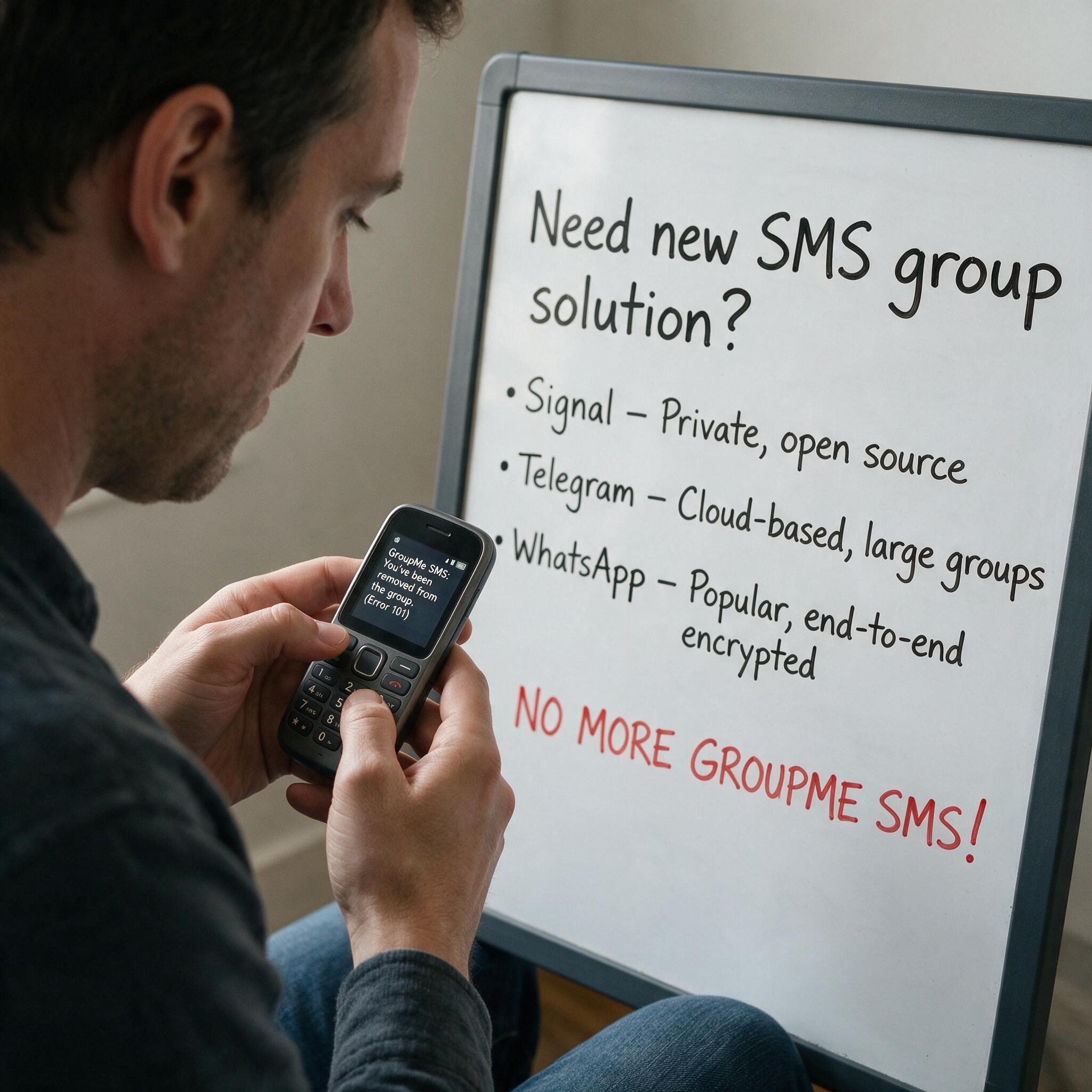
Got Kicked Out of GroupMe? Look to Evant.
Michael PedoeemGot Kicked Out of GroupMe? The Best GroupMe SMS Alternative for Jewish Communities