
Harnessing Technology for Smarter Event Management
Role of SMS and Tech Solutions in Event Success
SMS stands out as a powerhouse tool for event communication, boasting a 99% open rate that ensures messages reach attendees effectively. Nonprofits and educational groups leverage SMS for timely reminders, instant updates, and real-time engagement during events, significantly reducing no-shows by up to 38%. Moreover, two-way SMS enables interactive experiences such as live polls, Q&A sessions, and networking, enhancing attendee participation.
Integrations like Salesforce with Twilio automate SMS processes, streamlining communication workflows and providing comprehensive tracking and engagement metrics. Platforms such as CommunityConnect offer secure, scalable SMS and IVR solutions tailored to diverse communities, including underserved populations, making outreach both effective and equitable.
Overview of Eventtia’s Value Proposition for Nonprofits and Educational Organizations
Eventtia is a versatile event management platform designed to simplify planning and boost engagement for nonprofits and educational institutions. It features flexible registration systems and customizable event pages, adapting seamlessly to various event sizes and formats, including hybrid and virtual setups.
The platform centralizes operations, consolidating attendee management, sponsor engagement, and marketing in one place. Eventtia’s remarketing tools help increase attendance, while its hybrid event capabilities foster networking and real-time interactions among stakeholders. Trusted by organizations across sectors, Eventtia emphasizes personalized experiences, integration with existing IT systems, and strong customer support to maximize event success and community engagement.
Driving Event Engagement with SMS: The Power of Direct Communication
How does SMS enhance event communication and engagement?
SMS boasts an impressive 99% open rate, making it one of the most effective tools for event marketing and management. It enables organizers to send timely reminders that reduce no-shows by up to 38%. Alongside reminders, SMS delivers instant updates regarding schedule changes, weather cancellations, or last-minute modifications during live events.
Beyond one-way communication, SMS supports two-way SMS communication, including live polls, Q&A sessions, and networking opportunities. These features encourage real-time attendee engagement, improving event coordination and overall experience. For instance, Morning Brew used SMS to communicate schedule changes and engage attendees effectively, elevating their summit's success.
Why choose SMS over traditional event apps?
SMS communication is notably accessible since it doesn't depend on internet connectivity, working seamlessly on all mobile devices. This universal reach ensures no attendee feels left out due to technical barriers.
Additionally, SMS is highly cost-effectiveness of SMS marketing. It eliminates the expense and complexity of event app development and maintenance, saving on staff hours and printing costs. The platform's simplicity encourages more participation due to ease of use.
Case example: Moto Idea Conference using SMS instead of event apps
The Moto Idea Conference, with 250 participants, chose SMS as their sole communication channel, sending over 2,000 messages throughout the event. About every other participant engaged by replying via SMS, demonstrating strong Participant engagement via SMS.
Organizers utilized a dedicated receiving number and automated workflows to integrate messages with their SharePoint system, streamlining coordination. Participants received essential event information, session reminders, and engaged in live Q&A over SMS.
This approach proved cost-efficient; receiving number rental cost only 100 PLN and was included in the event budget. The success exemplifies how SMS can replace traditional event apps while enhancing interaction and accessibility.
Cost-effectiveness and accessibility of SMS communications
SMS is a budget-friendly tool that maximizes return on investment by reducing no-shows and operational overhead. It works universally without requiring app downloads or stable internet.
Moreover, two-way SMS enables immediate feedback, community building, and better volunteer coordination than email. Event organizers benefit from automated messaging, segmentation, and tracking features offered by modern Easy-to-use SMS platform to optimize communications.
Leveraging SMS as a direct communication tool empowers nonprofits, businesses, and community groups alike to boost event participation, simplify event logistics, and strengthen connections with their audiences.
Showcasing Real Event Success: Case Studies Utilizing Integrated Platforms
What are some real-world examples of event management platforms improving event outcomes?
Several organizations have leveraged integrated event management platforms to achieve impressive results across various sectors. AMVO in Mexico, utilizing Eventtia Testimonials, boosted their event attendance by 50%, demonstrating the platform's effectiveness in expanding reach. LifeWave employed InEvent Wine Tasting @Home to enhance scalable registration and check-in services, including the customization of badges and lanyards, streamlining participant management.
Educational and corporate sectors have also benefited; Villanova University used Stova platform client stories for educational and executive events, effectively managing large-scale assemblies and simplifying event operations. The PGA Show and leading financial institutions further illustrate successful adoption for client relationship building and networking.
How have these platforms impacted event experiences and operations?
These platforms have enabled organizations to streamline processes such as registration, session scheduling, and attendee engagement. Features like hybrid event capabilities and real-time networking tools have facilitated inclusive participation both virtually and in person. Sponsorship revenue generation has improved through integrated tools that manage sponsor relationships and promote visibility effectively.
Which sectors benefit from these event platform solutions?
From nonprofits and education institutions to corporate and community organizations, these platforms serve a wide array of event types. Examples include webinars, international conferences, athletic association events, and accessibility-focused gatherings. This diversity underscores the flexibility and value of event management solutions by Stova in managing, promoting, and delivering quality event experiences.
Table: Highlights of Successful Platform Deployments
| Platform | Client/Organization | Sector | Outcome |
|---|---|---|---|
| Eventtia | AMVO (Mexico) | Nonprofit | +50% attendance |
| InEvent | LifeWave | Corporate | Scalable registration & check-in |
| Stova | Villanova University | Education | Efficient executive event management |
| InEvent | SWATA | Athletic | Enhanced engagement & professional growth |
| Eventtia | France Renouvelables | Renewable Energy | Managed 20 events with 3,200+ participants |
These Stova case studies on events demonstrate how integrated event platforms contribute to improved event logistics, higher attendance, and stronger community and stakeholder engagement.
Leveraging AI to Amplify Event Planning and Personalization
How can AI be integrated into event planning to improve attendee experience?
Artificial intelligence is transforming event planning by streamlining complex tasks and tailoring experiences to individual attendees. Platforms like ChatGPT aid organizers by generating creative content such as engaging bios, personalized messaging, and insightful event narratives, saving time and boosting creativity. This aligns with how Generative AI for creative event suggestions supports event professionals.
AI-driven matchmaking tools such as Grip and Brella enhance networking opportunities by analyzing attendees’ professional profiles and preferences to schedule meaningful meetings and connections automatically. This targeted approach increases engagement and satisfaction, illustrating the power of AI-driven networking tools.
Inclusivity and personalization benefit from AI's data analysis capabilities as well. By monitoring dietary preferences, cultural sensitivities, and neurodiverse needs, AI supports event planners in crafting menus and activities that appeal to a broad range of participants, an example of AI for event inclusivity in action.
After events conclude, AI-powered platforms like CLIPr facilitate swift transcription and content repurposing for highlight reels and sponsorship materials. Social listening tools track online conversations and sentiment, providing insights to refine future event themes and communication strategies. This is part of AI transcription and content repurposing and AI-powered social listening.
Integrating AI throughout the event lifecycle not only enhances attendee experience through personalization and seamless interactions but also equips event organizers with actionable insights to continuously improve their offerings, reflecting the broader theme of AI automation for event professionals.
SMS Strategies for Building and Sustaining Community Engagement
What are effective SMS strategies to engage and sustain a community?
Using SMS as a communication tool offers tremendous benefits for community engagement due to its high SMS read rates and immediacy. To build and sustain a vibrant community, organizations should implement regular Weekly SMS updates. These can include Inspirational SMS quotes, SMS impact reports, Volunteer opportunities SMS, and important Community announcements SMS. This steady stream of relevant content helps maintain active participation and trust among members.
Two-way SMS communication is another powerful strategy, allowing community members to ask questions, provide feedback, or make requests. This interactive approach strengthens the sense of connection and support within the community.
Segmenting the audience based on interests, age, roles, or previous activity ensures messages are tailored and more effective. Proper Contact segmentation in SMS leads to higher response rates and engagement, as members receive content that is meaningful to them.
How can engagement metrics be tracked and optimized?
Tracking key engagement metrics such as click-through rates, number of replies, opt-outs, and overall conversions is essential. Analyzing these Engagement metrics helps organizations fine-tune their messaging strategies for better results. For example, tracking reply rates can reveal how well Two-way SMS communication conversations are fostering meaningful dialogue, while opt-out rates indicate the message frequency and relevance.
What SMS platform features and examples support these strategies?
Successful SMS strategies rely on robust platform features including:
- Mass texting capabilities from desktops or mobiles
- Efficient Contact segmentation in SMS and automatic tagging
- Two-way messaging functionality
- Automation tools to schedule and send messages
- Integration with Customer Relationship Management (CRM) systems for streamlined data management
Platforms like SuperPhone stand out by offering an easy-to-use interface, scalability, and features tailored for nonprofits, churches, and community organizations. SuperPhone supports segmentation, automation, and two-way conversations, making it an excellent choice to enhance community engagement through SMS.
By combining these strategies and utilizing advanced SMS platforms, organizations can create more meaningful, personalized, and efficient communications that foster a connected, engaged community.
Post-Event Case Studies: Measuring Success and Informing Future Strategies

What components make up a comprehensive post-event case study?
A thorough post-event case study for nonprofits includes detailed data on event planning details, budget tracking, event marketing efforts, event attendance metrics, engagement metrics, and sponsorship data. Incorporating stakeholder testimonials from various stakeholders adds valuable perspectives, allowing a well-rounded evaluation of the event through multiple viewpoints evaluation.
How should the storytelling in a case study be structured?
Effective case studies tell a clear story with a beginning, middle, and end, following a solid case study structure while focusing on objective reporting. This approach maintains credibility and helps readers understand what was planned, what occurred during the event, and the outcomes observed through the use of storytelling in case studies.
How can insights from case studies refine future events and fundraising?
Analyzing event results and collected data and feedback reveals identifying improvement areas. These insights enable nonprofits to optimize future event strategies, improve fundraising efforts, and fine-tune marketing and engagement techniques for better results.
What benefits do specialized event software tools provide?
Using event software like Greater Giving Event Software streamlines data tracking tools and sponsor management while generating comprehensive event report generation. These features improve the quality and depth of case studies, making post-event analysis more efficient and actionable.
Integrating SMS with CRM and Event Platforms for Seamless Communication
How does integrating SMS within CRM platforms benefit event management?
Integrating SMS capabilities directly into CRM platforms, such as Salesforce combined with Twilio, transforms event communication by creating a centralized and automated messaging system. This setup allows event managers to send timely updates, reminders, and real-time announcements to attendees, sponsors, and stakeholders without leaving the CRM interface.
Automation through custom triggers and workflows streamlines the communication process, reducing manual tasks and minimizing errors. Real-time tracking tools within the platform provide immediate insights into message delivery status and engagement rates, enabling teams to adjust strategies promptly.
Additionally, SMS template management within CRM systems makes it easy to maintain consistent messaging across all communications while saving valuable time. This integration allows for a cohesive and efficient outreach that enhances the overall event experience by ensuring participants receive relevant, timely information.
By leveraging these integrated systems, event organizers achieve smoother coordination, improved stakeholder relationships, and cost savings through reduced manual labor and optimized message delivery. For more details, see Salesforce and Twilio integration.
Cost-Effective and Scalable SMS Solutions for Nonprofits and Educational Organizations
Why are SMS solutions especially valuable for nonprofits and educational organizations?
SMS stands out as a vital communication tool for nonprofits and educational organizations because it offers an accessible, direct channel to engage with diverse communities. With read rates between 98% and 99%, SMS messages reach recipients almost instantly, making it ideal for timely updates.
For nonprofits, SMS supports critical functions like fundraising efforts by enabling straightforward donation appeals via text. It also serves during crises, delivering SMS for Emergency Alerts by Nonprofits swiftly to mobilize support when it’s most needed. Educational organizations use SMS to boost event attendance metrics, share updates, and encourage ongoing community organization SMS outreach efficiently.
Accessibility is a significant advantage: many underserved populations lack reliable internet but have access to mobile phones. SMS bridges this gap, ensuring inclusivity with a Multilingual SMS platform.
Security and compliance are integral features of modern SMS platforms. These tools support multiple languages and adhere to data protection standards such as HIPAA-compliant SMS technology, making them trustworthy for handling sensitive information and extending outreach across linguistic boundaries.
Moreover, the low overhead costs—compared to traditional marketing materials or apps—and simple usability make SMS a scalable solution that nonprofits and educational organizations can deploy without significant technical barriers. The Cost-effectiveness of SMS marketing underscores this benefit.
In summary, SMS empowers these organizations to communicate rapidly, cost-effectively, and securely, fostering deeper community engagement and enhancing event and program success.
Evant’s Role in Empowering Event Organizers Through SMS and Technology
How Evant’s SMS-based Platform Aligns with Event Management Needs
Evant leverages the powerful advantages of SMS communication to enhance event organization. With its platform, organizers benefit from rapid, two-way SMS engagement that boasts near-instant read rates, reducing no-shows and improving real-time coordination. By integrating functionalities like automated reminders, live polls, and attendee feedback, Evant mirrors the best practices found in leading SMS-driven campaigns for nonprofits and educational events.
Boosting Participation and Streamlining Communication
Evant’s messaging system efficiently reaches segmented audience groups, allowing personalized invitations and follow-ups that increase attendance. Event updates, schedule changes, and vital information are disseminated instantly, enhancing the event experience for participants. This real-time communication alleviates logistical challenges and supports seamless networking.
Supporting Nonprofit and Educational Event Success
Evant’s platform empowers nonprofits and educational institutions to cultivate community trust through consistent SMS engagement, including impact reports and volunteer coordination. Its cost-effective, scalable solution ensures maximum outreach and operational efficiency, aligning perfectly with fundraising and educational goals.
Through these features, Evant significantly amplifies event impact, participant involvement, and smooth interaction, making it a valuable tool in modern event management.
Related Blogs



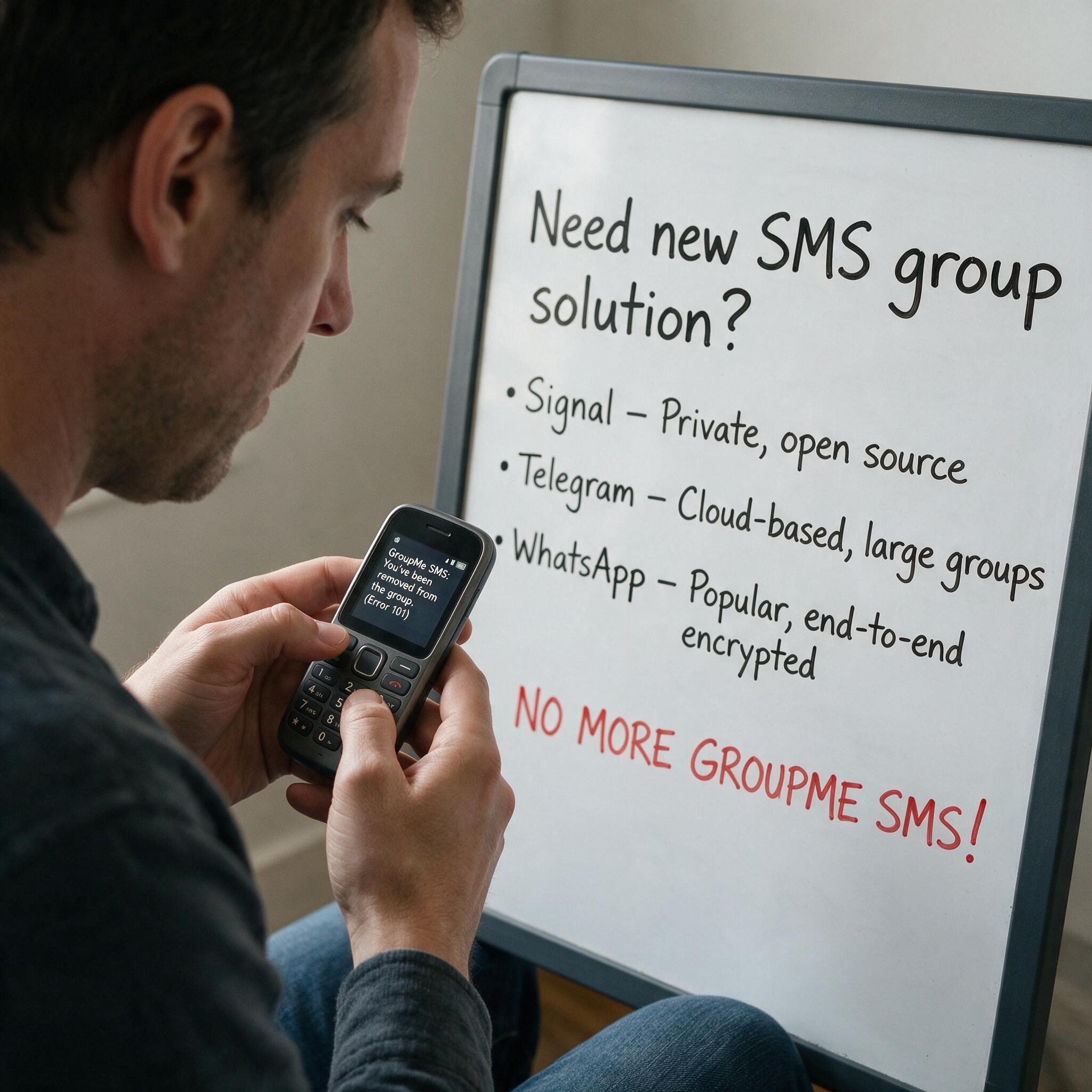
Got Kicked Out of GroupMe? Look to Evant.
Michael PedoeemGot Kicked Out of GroupMe? The Best GroupMe SMS Alternative for Jewish Communities