
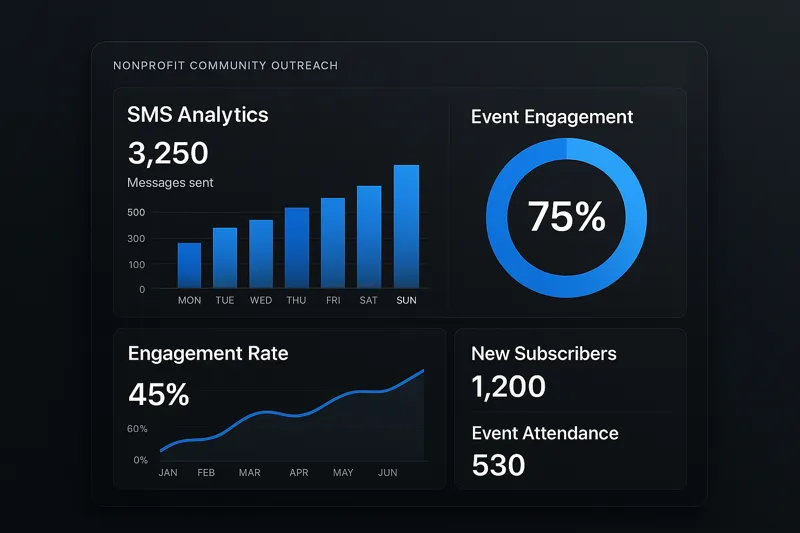
Introduction: The Revolution of SMS in Nonprofit Engagement
The Power of SMS Marketing for Nonprofits
SMS marketing has transformed how nonprofits engage with their supporters. With open rates soaring above 98%, a vast majority of text messages are read within just minutes of receipt. This level of immediacy outperforms traditional channels like email, which typically sees open rates around 20-28%.
Supporters increasingly prefer receiving important updates, event reminders, and donation requests via text. SMS offers nonprofits a direct line to their audience's phones, making communication personal and timely. This rapid connection allows organizations to scale engagement, recruit volunteers, boost event attendance, and drive donations effectively.
Today, many nonprofits are adopting SMS marketing as a cornerstone of their outreach strategies. The integration of SMS with email and social media enhances multi-channel campaigns, delivering messages where supporters are most likely to respond. As a result, text messaging is revolutionizing community engagement and fundraising success for nonprofits nationwide.
Why SMS Outperforms Traditional Communication Channels for Nonprofits
SMS Open and Response Rates
SMS messages have an exceptionally high open rate of approximately 98%, with 90% of texts being read within just three minutes of receipt. This rapid visibility enables nonprofits to connect instantly with supporters, making SMS one of the most effective communication channels in real-time engagement. For more details, see High Open Rate of Text Messaging.
Comparison with Email and Social Media
In contrast, email open rates average around 20%, significantly lower than SMS. Social media posts often struggle with algorithmic visibility, leading to many messages being missed by followers. SMS bypasses these issues by delivering a personal, direct message into the recipient's own phone, which increases both the chance of reading and timely response. Learn more about SMS open rates vs email.
Immediate Message Visibility and Engagement
Recipients typically respond to SMS within minutes, with over half replying quickly, which is far more prompt than email or social media interactions. This immediacy makes SMS invaluable for nonprofit activities such as event reminders, donation appeals, and volunteer management. Platforms like Evant highlight how SMS can boost RSVP rates up to 95%, saving staff hours and enhancing overall event management efficiency.
| Communication Channel | Typical Open Rate | Response Time | Engagement Benefit |
|---|---|---|---|
| SMS | ~98% | Within 3 mins | Immediate visibility and high response |
| ~20% | Hours to days | Lower visibility, easily overlooked | |
| Social Media | Varies, low reach | Varies | Algorithm-dependent, less direct |
Overall, SMS stands out as a powerful tool for nonprofits to increase supporter engagement, deliver timely information, and improve event turnout efficiently. For comprehensive insights, check out 6 Ways Nonprofits Can Use Text Fundraising.
Understanding SMS Analytics: Key Metrics and Their Impact on Nonprofits
What is SMS analytics and how can it help nonprofits?
SMS analytics involves analyzing data from nonprofit text message campaigns to evaluate how supporters respond to each message. It tracks essential metrics such as delivery rates, open rates, response rates, click-throughs, opt-ins, and opt-outs. These data points provide insights into the effectiveness of communications and reveal supporter engagement patterns. For more on SMS analytics for nonprofits, see this detailed guide.
Metrics to track in nonprofit SMS campaigns
Nonprofits should focus on several key performance indicators to optimize their SMS efforts:
- Delivery Rate: Measures the percentage of messages successfully received.
- Open Rate: Typically over 98%, shows how many messages are read.
- Response Rate: How many recipients reply or act on the message.
- Click-through Rate: Especially important for MMS and links within texts.
- Opt-in/Opt-out Trends: Indicates growth or decline in subscriber lists.
These metrics help nonprofits gauge message reach, engagement, and audience preferences. Learn more about track marketing ROI with SMS and SMS campaign performance metrics for nonprofits.
How analytics improve messaging effectiveness
By continuously monitoring these metrics, nonprofits can perform A/B testing and segment their audience to personalize messages. Analytics enable organizations to refine content, timing, and frequency of messages, avoiding supporter fatigue while boosting responsiveness. Data-driven adjustments increase the relevance and impact of campaigns. See how optimizing SMS messaging with A/B testing and audience segmentation in SMS marketing improve campaign results.
Role of analytics in optimizing fundraising and engagement
SMS analytics also allow nonprofits to track fundraising success by linking message engagement to donation rates and volunteer sign-ups. Integration with CRM and event tools can automate attendee tracking and follow-up communications, improving event turnout and donor retention. Transparent reporting on analytics supports accountability and strategic resource allocation. For insights on donor engagement through SMS, check out this resource.
| Metric | Purpose | Benefit for Nonprofits |
|---|---|---|
| Delivery Rate | Ensure message receipt | Maximize audience reach |
| Open Rate | Confirm message engagement | Gauge message visibility |
| Response Rate | Measure immediate supporter action | Enhance interactivity and feedback |
| Click-through Rate | Track link or multimedia engagement | Increase donation and event sign-ups |
| Opt-in/Opt-out Trends | Monitor list growth and attrition | Maintain compliant, engaged lists |
Leveraging SMS analytics for nonprofits is essential for nonprofits to create impactful, efficient, and supporter-centered communication strategies that build strong community connections.
Essential Features for Nonprofits to Look for in an SMS Platform
What features should nonprofits look for in a texting service?
Nonprofits seeking an SMS platform should prioritize several key features to maximize engagement and streamline communication. First, the platform must guarantee high open rates of SMS messages (often above 98%) and instant message delivery, enabling nonprofits to reach supporters rapidly and effectively.
Two-way communication is crucial, allowing personalized conversations and real-time responses. Automation capabilities—such as scheduled messaging, auto-responders, and triggered follow-ups—reduce staff workload and improve campaign efficiency.
Event management tools are vital: features like SMS RSVPs, event check-ins, and targeted messaging increase attendance and simplify volunteer coordination. Integration with CRM systems helps personalize outreach and maintain detailed supporter profiles, boosting donor loyalty and segmentation.
Compliance is non-negotiable; platforms should provide tools to ensure adherence to regulations like TCPA, enabling secure opt-in processes and easy opt-out options.
Robust analytics dashboards offer insights on delivery rates, engagement, click-throughs, and donations, empowering nonprofits to optimize campaigns and demonstrate impact to stakeholders.
Finally, nonprofits benefit from platforms supporting mass texting with keyword opt-ins, multimedia messaging (MMS), and scalable pricing accompanied by responsive customer support. These features together drive effective, compliant, and measurable SMS fundraising and community engagement.
Effective SMS Engagement Strategies for Nonprofit Organizations
What Are Effective SMS Engagement Strategies for Nonprofit Organizations?
Nonprofits can harness the power of SMS to build stronger relationships and increase supporter participation by employing several effective strategies. Personalized and targeted messaging stands at the core of impactful SMS for nonprofits. By segmenting supporter lists and tailoring messages based on interests, donation history, or volunteer status, organizations can send relevant content that resonates more deeply, resulting in higher open and response rates.
Event reminders and follow-ups by SMS are another crucial tactic. Sending pre-event alerts, last-minute updates, and post-event thank you or feedback requests via SMS significantly boosts attendance and makes supporters feel valued. Incorporating multimedia elements like images, videos, and GIFs enhances message appeal and engagement, driving responses up to 300% more than text-only messages.
Balancing message frequency and timing is key to maintaining supporter interest without causing fatigue. Research suggests sending 3-5 messages monthly, ideally timing messages during late afternoons or early evenings (8-9 p.m.), when engagement peaks. This ensures messages are read promptly, leveraging SMS's Text Messaging Engagement Rates within minutes.
Building donor and volunteer relationships via SMS involves more than just fundraising appeals. Personalized acknowledgments, impact updates, and exclusive VIP content help nurture ongoing connections. Integrating CRM systems empowers nonprofits to automate responsiveness, streamline donation confirmations, and handle volunteer scheduling efficiently.
Overall, combining targeted SMS campaigns, multimedia content, timely communication, and relationship-building practices makes SMS a powerful tool for nonprofits to increase support, boost event participation, and cultivate loyal communities in today's digital landscape.
Leveraging AI and Automation to Enhance SMS Community Engagement and Event Management
How can nonprofits leverage technology like AI for community engagement and event management?
Nonprofits can significantly boost their community engagement and streamline event management by integrating AI-driven personalization and segmentation into their SMS communication strategies. AI tools enable organizations to create targeted messages based on supporter preferences and behaviors, ensuring more relevant and effective outreach.
Automation plays a vital role by managing reminders and follow-up messages for events and volunteer activities. This reduces staff workload and ensures timely and consistent communication with supporters as described in Volunteer management with SMS and Post-event follow-ups by SMS.
Enhancing message creativity through multimedia content such as images, videos, and GIFs captures attention and increases engagement rates. AI-powered design platforms help nonprofits craft visually compelling materials that resonate with their audience, aligning with Benefits of MMS messages and RCS rich media content.
Data-driven decision making is empowered by AI analytics that track campaign performance metrics like open rates, click-throughs, and donor interactions. This insight allows organizations to optimize future campaigns based on real-time supporter behavior, as detailed in SMS analytics for nonprofits and Optimize nonprofit SMS campaigns.
Importantly, nonprofits should prioritize ethical AI use, including upholding data privacy standards and developing policies to prevent bias. Ensuring transparent, responsible usage builds trust and respects supporters’ rights in line with Legal SMS Marketing Compliance in the US and Cost-Effective SMS Strategies.
By adopting these advanced technologies, nonprofits in the U.S. can operate smarter, foster stronger community bonds, and maximize their impact with efficient, personalized communication and effective event management as outlined in How Text Messaging Improves Multichannel Engagement and community text messaging.
SMS Compliance and The 33% Rule: What Nonprofits Need to Know
What is the 33% rule for nonprofits?
The 33% rule refers to a public support requirement essential for certain nonprofits to qualify as public charities under U.S. tax law. Specifically, organizations under IRS sections 509(a)(1) and 170(b)(1)(A)(vi) must demonstrate that roughly one-third (33%) of their financial support comes from public sources such as individual donors, government grants, or community funding over a five-year span. Meeting this threshold classifies these entities as public charities rather than private foundations, affecting their tax status and eligibility for funding.
Why is SMS compliance important for nonprofits?
Nonprofits using SMS marketing must comply with regulations like the Telephone Consumer Protection Act (TCPA) and Federal Communications Commission (FCC) rules. Compliance ensures that communications respect supporter privacy, prevent unsolicited messages, and maintain the organization’s legal standing. Without adherence, nonprofits risk penalties, loss of funding opportunities, and damage to their reputation. Learn more about Nonprofit text messaging insights and TCPA compliance for nonprofits.
What are the ethical and legal considerations in SMS outreach?
Ethical SMS outreach requires nonprofits to obtain explicit consent before texting supporters, provide easy opt-out options, and avoid over-messaging to prevent fatigue. Legally, nonprofits must properly register SMS campaigns and use compliant messaging platforms, especially given the rise of A2P (application-to-person) messaging regulations in the U.S. Ensuring transparency and honoring recipient preferences builds trust and improves engagement. For detailed guidance on Legal SMS marketing compliance in the US and best practices for SMS marketing for nonprofits, explore these resources.
How can nonprofits build and maintain compliant opt-in contact lists?
Growing opt-in lists involves multiple channels: digital web forms, in-person sign-ups at events, and text-to-join keywords promoted across websites and social media. Offering incentives such as exclusive content or updates encourages sign-ups. Maintaining the list requires regularly updating records and respecting opt-outs, which supports compliance and fosters strong, engaged supporter relationships. Accurate list management is crucial for effective and lawful SMS communication. For more on Growing SMS subscriber lists and Promoting SMS keywords, see these insights.
The Transformative Effect of SMS Analytics on Fundraising and Volunteer Engagement
Tracking Donation Campaign Success and Timed Appeals
SMS analytics for nonprofits offer nonprofits real-time insights into delivery rates, response patterns, and opt-in/opt-out trends. This data enables precise tracking of SMS fundraising campaigns, including timely donation appeals. For example, nonprofits can measure which timed messages generate the highest conversions and adjust future outreach accordingly to maximize donations with SMS.
Volunteer Recruitment and Schedule Management via SMS
By integrating SMS with volunteer management systems, organizations can use analytics to monitor volunteer engagement, confirm schedule commitments, and manage emergency alerts efficiently. This streamlines communication while reducing staff workload, ultimately boosting volunteer retention and responsiveness. Volunteer management with SMS solutions help improve scheduling and communication efficiency.
Real-World Examples of Increased Attendance and Donation Rates
Platforms like Evant SMS community platform report a remarkable 95% RSVP rate for events managed via SMS, significantly increasing participation levels. Case studies at institutions such as UC Berkeley Hillel and Ohio University Chabad highlight how SMS campaigns have driven notable rises in attendance and donation frequency, surpassing traditional email and phone outreach.
Using Data to Personalize Donor Stewardship and Enhance Loyalty
Analytic tools enable segmentation based on donor behavior, allowing nonprofits to tailor messages with personalized ask amounts and targeted follow-ups. This strategic personalization enhances emotional connection, fosters trust, and encourages repeat giving. For instance, campaigns that incorporate Nonprofit Text Messaging Insights Report 2024 data have seen up to a 142% increase in gift amounts.
These analytic-driven approaches equip nonprofits to optimize both fundraising and volunteer engagement, creating stronger, data-informed supporter relationships while improving operational efficiency.
Conclusion: Harnessing SMS Analytics for Stronger Nonprofit Communities
Understanding SMS Analytics to Boost Impact
SMS analytics empower nonprofits by providing real-time data on delivery success, response rates, and opt-in trends. This insight helps organizations refine messaging, segment their audience effectively, and improve overall campaign performance.
Driving Smarter Engagement With Technology
By adopting advanced texting platforms with integrated analytics, nonprofits can save staff time, tailor communications, and elevate donor and volunteer interactions. Features such as automated follow-ups, personalized messages, and event management integration make reaching supporters more efficient and impactful.
The Future: SMS and AI in Nonprofit Outreach
Looking ahead, the blend of SMS with artificial intelligence promises even more precise targeting and engagement automation. AI-driven segmentation and predictive analytics will allow nonprofits to deepen relationships, increase donations, and streamline event logistics, fortifying community connections in increasingly digital environments.