
Increasing Nonprofit Event Participation Through SMS Invitations
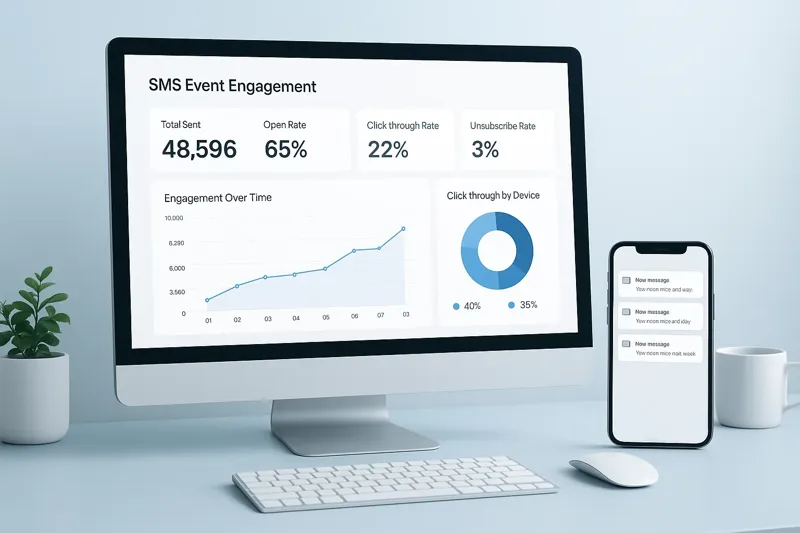
Introduction to SMS for Nonprofit Event Engagement
What is SMS?
SMS (Short Message Service) is a text messaging system used to send brief messages, typically limited to 160 characters, via cellular networks directly to mobile devices. It is a fast, direct, and widely accessible communication channel.
Advantages of Using SMS for Nonprofits
SMS has an exceptional open rate of about 98%, with most messages read within minutes. This immediacy makes it highly effective for sharing urgent updates and reminders. Additionally, SMS enables two-way interaction through replies, supporting RSVP collection, feedback, and donation campaigns. Its cost-effectiveness beats traditional mail and even some email campaigns, making it ideal for nonprofits managing tight budgets.
Considerations and Limitations
While SMS is powerful, it has a character limit and requires recipient consent to comply with legal regulations, such as TCPA in the U.S. Over-messaging or sending texts at inappropriate times can lead to opt-outs.
Why SMS is a Vital Tool for Nonprofit Events
Nonprofits benefit from SMS’s real-time communication abilities to boost event attendance, streamline volunteer coordination, solicit donations, and maintain ongoing supporter engagement. SMS messages appear on the most-used devices of supporters, ensuring higher visibility compared to emails or social media. Integrations with CRM systems enhance personalization and targeting, increasing participation and support for nonprofit events.
Understanding SMS and Its Unique Advantages for Nonprofits

What is SMS and what are its advantages and disadvantages?
SMS, or Short Message Service, is a text messaging system that enables communication through short text messages sent directly to mobile devices. Its widespread compatibility means most phones can receive SMS without needing internet access, making it a reliable channel for fast and direct outreach. For nonprofits, this accessibility ensures messages can reach a broad audience quickly, even those in areas with limited connectivity.
While SMS messages are limited to about 160 characters, this brevity encourages concise, impactful communication ideal for reminders, alerts, or quick updates. However, this limitation also poses challenges when detailed information is necessary. SMS lacks built-in multimedia support, unless coupled with MMS, which can restrict how visually engaging messages can be.
Explore more about the SMS messaging importance in event management.
High open and response rates in nonprofit settings
One of the most remarkable advantages of SMS is its exceptional engagement metrics. Nonprofits experience open rates as high as 98%, meaning almost all recipients see the message shortly after delivery. Response rates can be around 45%, a striking contrast to traditional email approaches where open rates often fall below 25%.
This immediacy allows nonprofit organizations to communicate time-sensitive information effectively, such as event reminders, donation appeals, or volunteer coordination, resulting in higher event attendance and improved participation. Learn about Nonprofit text messaging and how to Engage supporters with SMS.
Cost-effectiveness and accessibility of SMS
SMS marketing offers nonprofits an affordable communication channel, with many platforms priced competitively and often providing nonprofit discounts. Unlike postal mailings or phone campaigns, SMS reduces administrative and operational overhead.
The ability to send bulk messages or segmented campaigns tailored to donors, volunteers, or event attendees enhances outreach efficiency without escalating costs. Additionally, SMS's compatibility with CRM systems ensures streamlined contact management and tracking, helping nonprofits maximize their engagement and fundraising efforts while minimizing expenses. For insights on CRM and donation system integration, see the linked resource.
Overall, SMS represents a powerful, accessible, and cost-effective communication tool that enables nonprofits to connect with their communities in a timely and impactful manner. For more information on Text Message Marketing for Nonprofits, check out this resource.
The Strategic Benefits of SMS in Nonprofit Event Communication

What are the main advantages of using SMS for communication and event management?
SMS communication stands out in nonprofit event management primarily because of its remarkably high open rate—around 98%. This ensures that messages such as event invitations, reminders, and urgent updates are seen almost immediately by recipients, often within minutes. Unlike emails or social media posts, SMS does not require an internet connection, allowing organizers to reach attendees regardless of their connectivity.
Cost-effectiveness is another major advantage. With affordable monthly plans and bulk messaging options, nonprofits can efficiently scale campaigns for events of any size without breaking the budget. Additionally, SMS platforms often include helpful tools—such as segmentation in SMS marketing, scheduling, and analytics—that enable personalized and targeted outreach, thereby increasing participation rates.
Integration with Customer Relationship Management (CRM) systems and specialized event platforms further enhances SMS communication by automatically syncing contact data and responses. This streamlines workflows and allows nonprofits to track engagement and tailor follow-ups effectively. Platforms like SimpleTexting, EZ Texting, and CrowdPass exemplify these integrations, improving both event coordination and participant experience.
Moreover, SMS offers advantages over email and social media by cutting through clutter with direct, on-screen delivery to the most-used device — the mobile phone. This immediacy and reliability make SMS an indispensable channel for nonprofits aiming to maximize attendance, facilitate interaction, and maintain ongoing supporter engagement throughout the event lifecycle.
Legal and Ethical Foundations: Consent and Compliance in SMS Outreach
Why is it necessary to obtain consent before sending promotional SMS messages to an audience?
Obtaining explicit consent prior to sending promotional SMS messages is crucial to comply with regulations such as the Telephone Consumer Protection Act (TCPA) in the United States. This legal framework protects recipients from unsolicited texts and ensures respectful communication.
Importance of obtaining explicit consent
Consent must be clear and verifiable, often established through a double opt-in process where the recipient confirms their willingness to receive messages. This measure ensures that audiences have full control over their engagement, aligning with ethical communication standards.
Regulatory landscape including TCPA
The TCPA mandates that organizations provide detailed information about message frequency, content, and potential data rates. It also requires immediate honoring of opt-out requests, typically handled by replying STOP.
Best practices for opt-in and opt-out processes
Clear opt-in procedures using keywords or online forms, combined with straightforward opt-out instructions, help build subscriber confidence and facilitate lawful communication. Automation tools integrated with SMS platforms can manage these processes efficiently. Learn more about SMS marketing for nonprofits and Legal best practices for SMS campaigns.
Building trust through compliance
Respecting legal and ethical standards not only prevents costly penalties but also fosters trust and positive engagement with community members. Nonprofits that prioritize compliance can enhance supporter loyalty and improve event participation through transparent and respectful SMS communication. For strategies on Engage supporters with SMS and SafeSTOP feature for compliance, see related resources.
Crafting Impactful SMS Invitations: Essential Elements and Techniques
What elements should be included when writing an SMS invitation for an event?
When crafting an text message invitations clarity and brevity are crucial. Include essential details such as the event date, time, and precise location. Providing additional information like parking instructions or dress code helps attendees prepare better and reduces confusion.
Personalization elevates the message's impact. Use recipients' names and tailor messages with unique keywords linked to your event. Incorporate trackable links directing to event pages, registration forms, or maps, offering immediate access to important info.
Two-way messaging capabilities allow guests to RSVP, ask questions, or request assistance, promoting direct engagement and making participation seamless.
Automation tools and audience segmentation enable you to send timely, relevant messages based on recipient interests or past attendance, maximizing the invitation's effectiveness.
How do you create and send an event invitation via text message including calendar invites?
Begin by using an SMS platform that integrates with calendar and customer relationship management (CRM) tools. Create the event in your calendar app (Google Calendar, Outlook, etc.) and extract the shareable invite link.
Personalize your text message invitations by adding the recipient's name, event specifics, and the clickable calendar invite link. This allows guests to effortlessly add the event to their mobile or desktop calendars, lowering no-show rates.
Ensure you have opt-in consent before messaging to comply with privacy laws. Schedule automated reminders, such as 24 hours and one hour before the event, to keep the event top-of-mind.
Using automation also facilitates follow-ups to confirm RSVPs and handle last-minute updates, streamlining event logistics and improving overall attendance.
| Strategy Component | Description | Benefit |
|---|---|---|
| Event Details | Date, time, location, parking, dress code | Provides clarity and aids planning |
| Personalization | Names, unique keywords, tailored messages | Increases engagement and relevance |
| Calendar Invites | Clickable event links compatible with calendars | Reduces no-shows and improves attendance |
| Two-Way Messaging | Enables responses, questions, RSVP confirmations | Enhances communication and participation |
| Automation & Segmentation | Timed messaging, target groups based on interest | Improves efficiency and message impact |
For more detailed strategies on using SMS for your event, see 3 strategies for engaging event guests with text messages and SMS messaging importance in event management.
Leveraging SMS Tools and Platforms to Boost Nonprofit Event Success

What are some of the best free or low-cost bulk SMS services suitable for nonprofits?
Nonprofits looking for cost-effective SMS solutions can explore several popular platforms designed to maximize engagement and streamline communication. Services like Twilio.org, EZ Texting, Textmarks, MobileCause, and Mobile Commons offer affordable bulk SMS options with features tailored to the nonprofit sector.
These platforms provide:
- High engagement: SMS boasts a 98% SMS open rate, with most messages read within 90 seconds, enabling nonprofits to reach supporters instantly.
- CRM integration: Seamless connection with tools like Salesforce and DonorPerfect helps automate messaging, track responses, and personalize communication (CRM and donation system integration).
- Event management features: Capabilities such as RSVP tracking, automated reminders, two-way messaging for attendee interaction, and calendar link inclusion reduce no-shows and improve event coordination (SMS for Event Management).
Several nonprofits successfully using SMS include No Kid Hungry, Planned Parenthood, and Crisis Text Line. These organizations utilize SMS not only to promote events but also to provide essential services, manage volunteers, and foster community engagement effectively (Engage supporters with SMS.
Integration with CRM and donation systems
Integrating SMS platforms with CRM and donation management systems empowers nonprofits to build and maintain detailed supporter profiles. This integration enables personalized messaging that aligns with supporter interests and donation history, enhancing engagement and giving rates. Learn more about CRM and donation system integration.
Features that enhance event management
Top SMS platforms offer:
- Interactive RSVPs via SMS replies
- Multi-touch campaigns with SMS countdowns and reminders
- Mobile ticket delivery and contactless check-in options
- Post-event feedback surveys linked to analytic dashboards
These tools support event planners in reducing workloads and increasing attendee satisfaction, ultimately driving higher participation and fundraising success. Explore SMS for Event Management for detailed features.
Examples of successful nonprofit SMS campaigns
Many nonprofits leverage SMS for campaigns that boost donor engagement and event turnout. Planned Parenthood uses SMS for appointment reminders and health alerts, while No Kid Hungry sends urgent calls-to-action during food drives. Crisis Text Line relies on text messages for rapid crisis response.
These campaigns demonstrate how combining affordable SMS technology with thoughtful engagement strategies can transform nonprofit event success. For best practices on nonprofit SMS campaigns, see Text Message Marketing for Nonprofits.
| Platform | Cost Effectiveness | Key Features | Notable Use Cases |
|---|---|---|---|
| Twilio.org | Free credits, low-cost | Bulk messaging, API integration | Crisis Text Line |
| EZ Texting | Affordable tiers | Two-way texting, CRM sync | No Kid Hungry |
| Textmarks | Competitive pricing | Targeted campaigns, analytics | Multiple fundraising events |
| MobileCause | Nonprofit-focused | Donation links, event reminders | Community health fundraisers |
| Mobile Commons | Scalable pricing | SMS plus multimedia messaging | Political campaigns, advocacy groups |
Innovative Strategies to Maximize Event Participation and Engagement via SMS
What strategies can organizations use to increase participation and engagement at their events?
Organizations can boost event participation and engagement by leveraging interactive two-way SMS messaging and real-time polls via SMS. These tools promote inclusivity by allowing attendees and remote participants, including those with disabilities or conflicting schedules, to vote and provide feedback instantly through their mobile devices. This broadens involvement and ensures diverse voices are heard.
Clear communication through SMS about the event’s purpose and encouraging attendees to ask questions fosters a welcoming and open atmosphere. Polling features not only help organizers gauge audience interests but also enable sharing of poll results with the community, building transparency and engagement. This aligns with strategies described in 3 strategies for engaging event guests with text messages.
Audience segmentation and personalization
Targeted SMS campaigns tailored to specific groups—such as donors, volunteers, or past attendees—enhance engagement by delivering relevant content. Personalization through segmentation improves response rates by catering messages to recipients’ interests and prior involvement as outlined in Text Message Marketing for Nonprofits and segmentation in SMS marketing.
Pre-event to post-event SMS engagement techniques
Starting before the event, pre-event SMS strategies such as reminders, countdowns, and teasers ramp up excitement and attendance. During the event, SMS can welcome participants, facilitate Q&A sessions, and encourage donations through text-to-give features. Post-event texts help gather feedback through post-event SMS surveys and keep the community engaged for future activities.
Volunteer coordination and donation drives through SMS
SMS is instrumental in managing volunteers by confirming shifts, sending emergency alerts, and recruiting new helpers swiftly as discussed in Volunteer coordination and Recruiting Event Staff through SMS. For fundraising, text campaigns with personalized appeals and instant donation confirmations strengthen supporter relationships and boost contributions.
By integrating these modern SMS strategies, nonprofits create dynamic, inclusive, and well-coordinated events that maximize participation and foster sustained community engagement, as highlighted in 6 ways to increase participation at your fundraising events.
Final Thoughts on Elevating Nonprofit Events with SMS
Unlocking the Power of SMS for Nonprofit Events
SMS messaging offers a remarkable opportunity for nonprofit organizations to increase event attendance, boost donations, and improve volunteer coordination. With open rates around 98% and rapid engagement—most texts are read within minutes—SMS ensures your messages reach supporters effectively and nearly instantly.
By incorporating SMS-driven strategies like personalized invitations, real-time updates, and post-event feedback requests, nonprofits create a more connected and engaged community. Tools for interactive RSVP management, calendar integration, and two-way communication simplify event logistics.
Adopting SMS marketing not only streamlines communications but also expands reach by leveraging accessible texting technology familiar to most supporters. Combining SMS with CRM and fundraising platforms maximizes impact, making every event effort more efficient and measurable.
Nonprofits eager to grow their event participation and donor relationships should prioritize SMS integration. Its cost effectiveness, immediacy, and personalization will significantly enhance your event success and long-term community engagement.
Related Blogs



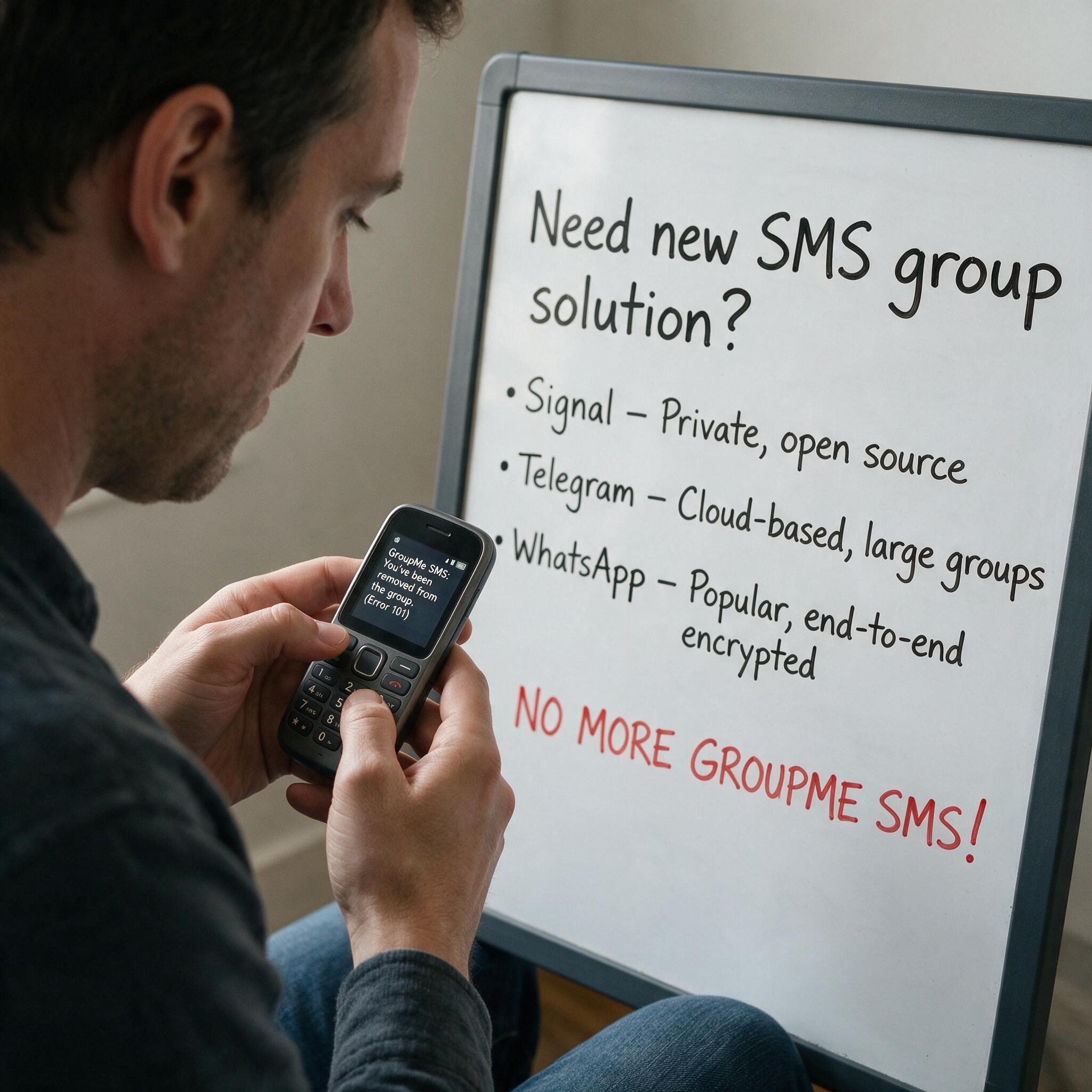
Got Kicked Out of GroupMe? Look to Evant.
Michael PedoeemGot Kicked Out of GroupMe? The Best GroupMe SMS Alternative for Jewish Communities