
Why SMS Remains Critical for Community Engagement
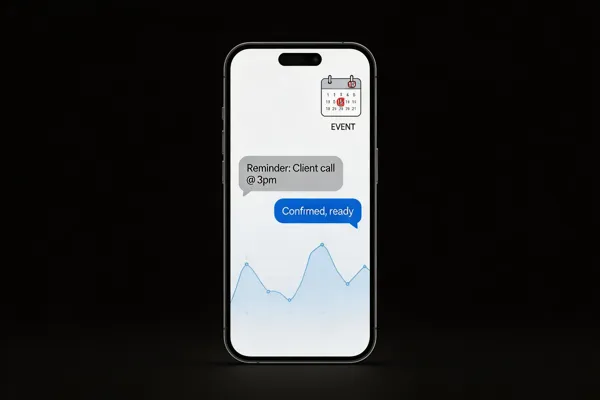
SMS boasts the highest open rates of any digital channel—often exceeding 95%—so messages are seen almost immediately. Because text messaging works on every mobile device, from basic phones to the latest smartphones, it reaches audiences that email or apps miss, ensuring universal accessibility. Delivery is instant, with most recipients reading a text within minutes, which is essential for time‑sensitive event alerts, reminders, and RSVP confirmations. Crucially, SMS does not require an internet connection; a simple cellular signal is enough, making it reliable in low‑bandwidth or rural areas. Together, these attributes make SMS an unrivaled tool for nonprofits seeking rapid, inclusive, and cost‑effective community engagement.
Core Messaging Features

Two‑way texting lets volunteers, donors and students reply instantly, turning announcements into real‑time conversations and enabling RSVPs, check‑ins, and quick Q&A. Bulk messaging lets nonprofits broadcast to thousands of contacts with a single click, essential for event reminders, fundraising drives and emergency alerts. Because SMS is limited to 160 characters, messages must be concise 160‑character texts, high‑impact, and easy to read on any device, which drives the famously high open rates (≈98%). Delivery confirmations from the Short Message Service Center (SMSC) guarantee that each text is queued and delivered, providing reliable receipt data for analytics and compliance.
What are the main features of SMS? SMS offers universal reach, instant delivery, concise 160‑character texts, and built‑in delivery receipts, making it a trusted channel for nonprofits.
What is an SMS feature? An SMS feature is a capability—such as two‑way messaging, automated delivery reports, keyword triggers, CRM integration, or analytics—that enhances how texts are sent, received, and managed, enabling data‑driven, personalized communication.
Event Management Tools
SMS RSVP collection lets attendees reply to a short code or dedicated number with a simple keyword (e.g., "YES") and optional details such as name, guest count, or dietary needs. Event check‑in via text works by sending a unique code or QR link that participants text at the venue, instantly confirming arrival and updating the organizer’s dashboard. Automated reminder texts are scheduled in advance—24 hours, 2 hours, and on the day of the event—to reduce no‑shows and keep guests informed. Capacity controls and wait‑list handling automatically disable RSVP keywords when the max attendance is reached, while a wait‑list trigger notifies the next person in line to fill any cancellations.
How to RSVP via SMS? Text the invitation’s keyword (often "YES," "NO," or "RSVP") to the event’s short code, include your name and guest count (e.g., "John Doe, 2 guests"), and you’ll receive an instant confirmation.
How to confirm an RSVP by text? Start with a greeting, state your name, reply "Yes" or "No" (or "Maybe" with a note), and include the attendee count (e.g., "Just me" or "Two of us"). The platform logs the response automatically.
Targeted Outreach & Segmentation

What are key features of community platforms? They include customizable user profiles that capture interests, flexible discussion spaces (forums, chat, private messaging), robust event tools (RSVP tracking, check‑ins), real‑time analytics, and seamless CRM integrations. Mobile‑responsive design and SMS capabilities provide instant, on‑the‑go communication—essential for nonprofits and schools that need quick, accessible outreach.
CRM Integration & Data Analytics
The platform’s real‑time dashboards visualize open rates, response rates, attendance conversion and click‑through metrics on a single screen, letting staff spot trends instantly and adjust campaigns on the fly. Analytics go beyond raw numbers, offering cohort analysis, segment performance, and predictive insights that inform future event planning and fundraising strategies.
All data is encrypted in transit and at rest, with role‑based access controls and regular security audits ensuring compliance with TCPA, GDPR and industry‑specific regulations.
What is the community SMS marketing platform?
It is a cloud‑based conversational solution that lets nonprofits and educational groups engage audiences via two‑way SMS, mass texting and automated workflows. Integrated CRM sync, analytics dashboards, and compliance tools streamline RSVPs, check‑ins, and event communication while safeguarding data.
Compliance, Consent & Legal Safeguards
A community SMS platform must first meet TCPA requirements by capturing a clear, documented opt‑in before any message is sent and by tracking consent timestamps. Easy STOP/UNSUBSCRIBE handling—showing a simple “Reply STOP” option in every text—protects both the organization and the recipient. Data security is ensured through encryption in transit and at rest, while audit logs and role‑based access controls give administrators visibility into who sent what and when, supporting accountability and regulatory reporting.
What are the most important legal things to keep in mind when doing SMS marketing? Legal best practices include obtaining explicit opt‑in consent, disclosing message frequency, providing a simple opt‑out method, respecting time‑zone windows, avoiding prohibited content, and limiting message volume.
What are the essential SMS etiquette rules? 1️⃣ Obtain explicit consent and retain records. 2️⃣ Keep texts concise with a clear call‑to‑action. 3️⃣ Send during appropriate hours unless urgent. 4️⃣ Do not share sensitive data via text. 5️⃣ Respond promptly, include easy unsubscribe, and maintain a professional tone.
Pricing, Free Options & Nonprofit Discounts
Free SMS tiers let charities start without upfront costs; platforms such as Text‑Em‑All give 25 starter credits and two‑way messaging at no charge, while Twilio.org offers a $500 grant and rates as low as $0.0075 per message for qualified nonprofits. Discounted per‑message pricing is common—Textedly, Textline, and Evant.app provide nonprofit‑specific price breaks after verification. Annual subscription plans further reduce unit costs; Evant’s premium service begins at $199/month with unlimited texting, and many vendors offer multi‑year discounts for steady donors. Integration with fundraising tools (e.g., Bloomerang, Givebutter, Classy, Salesforce) syncs RSVP, donation, and attendance data, creating a unified donor view and automating thank‑you texts. Answers to key questions: free texting services exist (Text‑Em‑All, Twilio.org grants), DialMyCalls offers a free app (credits still needed), ChatGPT isn’t free but OpenAI’s nonprofit discount lowers Business pricing, and churches can use Txt2Give, Tithe.ly, or GiveLively for secure text‑to‑give.
Future‑Ready Features & AI Enhancements
What features or improvements would you want to see in a digital community platform?
I’d love to see richer real‑time communication tools, such as threaded SMS discussions, instant push notifications, and automated nudges that keep members engaged daily. Stronger security and flexible access controls—including AI‑powered spam filtering, role‑based permissions, and easy moderation tools—would make the platform safer for volunteers and donors. More customizable branding and deeper CRM/ticketing integrations, and enhanced member profiles with interest tags would foster stronger connections and enable targeted outreach.
Putting It All Together
When selecting a community‑SMS platform, start by matching its core features to your organization’s mission—choose tools that prioritize two‑way texting, RSVP collection, and targeted outreach to the audiences you serve. Once the platform is in place, leverage built‑in analytics dashboards to track open, response, and conversion rates, turning raw numbers into clear impact reports that demonstrate ROI to donors and board members. Finally, verify that the solution meets U.S. TCPA and opt‑in/opt‑out requirements, offers role‑based access controls, and can scale from a handful of volunteers to thousands of participants without service degradation. Aligning technology with purpose, measuring outcomes, and maintaining compliance ensures sustainable, mission‑driven engagement.
Related Blogs
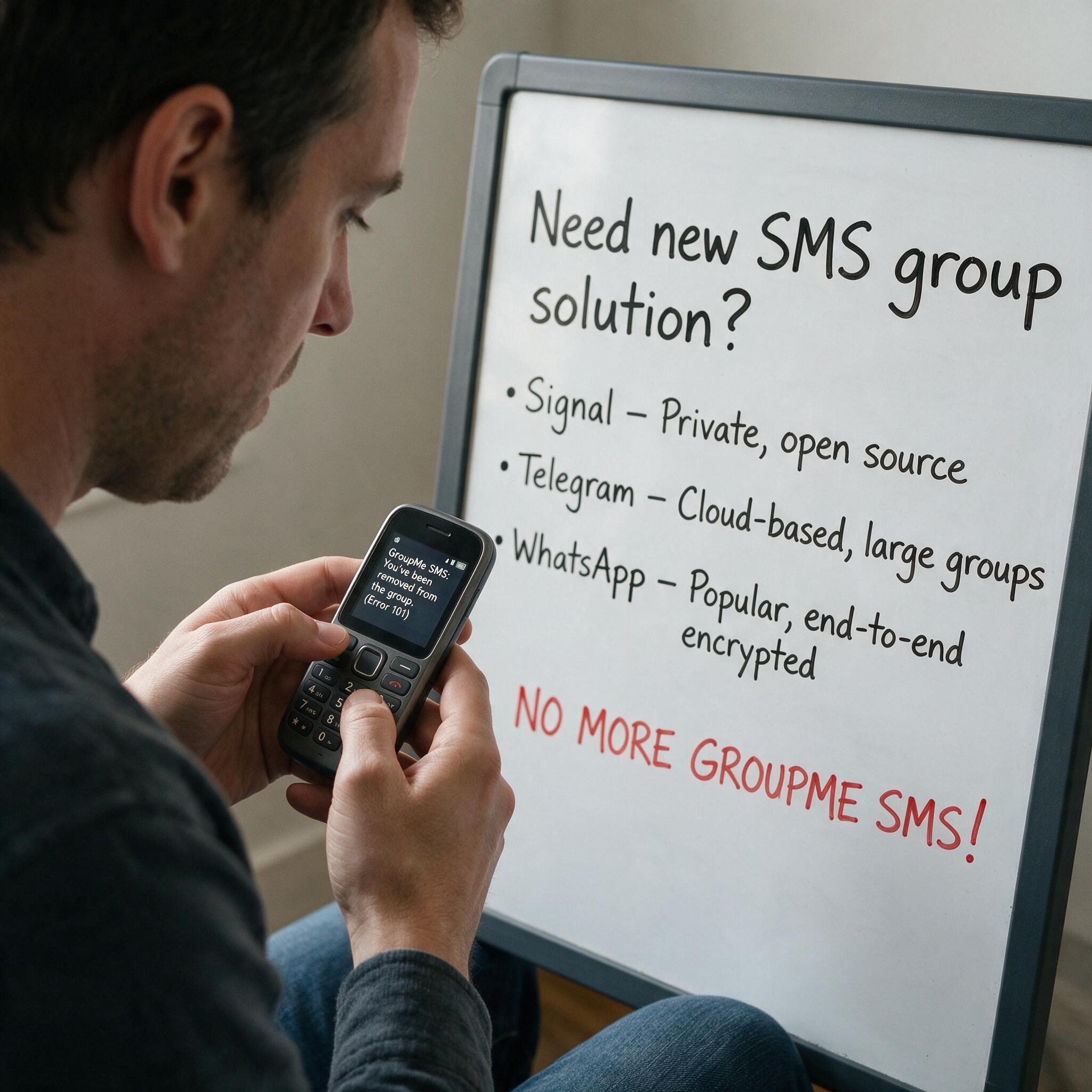

Got Kicked Out of GroupMe? Look to Evant.
Michael PedoeemGot Kicked Out of GroupMe? The Best GroupMe SMS Alternative for Jewish Communities

How to Send Targeted Alerts During Live Events
Michael PedoeemMastering Targeted Event Alerts: Real-Time Communication Strategies for Nonprofits
Top 7 SMS Trends for Communities in 2026
Michael PedoeemFrom AI-powered responses to text-to-donate and two-way texting — here are the 7 SMS trends every shul, school, and nonprofit needs to know about in 2026