
Keep Every Session Connected
A conference, fundraiser, or school program may include a main gathering plus workshops, meals, and smaller activities. One yes-or-no RSVP for the whole event leaves a basic question unanswered: which parts does each person actually plan to attend?
For nonprofits and educational organizations, session-specific SMS RSVP lists offer a practical way to make that choice easy. A brief text can name the session and invite a simple reply or link tap. Evant supports SMS RSVPs, targeted messaging, event check-ins, CRM integration, and analytics, bringing communication and event coordination into the same toolkit.
The goal is not to send more messages. It is to contact the right people about the sessions they selected, and to keep each response useful for planning. A clear workflow starts with an invitation to eligible attendees, records a response for every session, and sends reminders only when they apply.
On event day, check-ins show who arrived, not just who intended to attend. Comparing those records helps teams plan room sizes, improve future schedules, and follow up thoughtfully. The sections ahead walk through this process, from building session lists to learning from gaps between RSVPs and attendance.
Make Text RSVPs Easy to Answer
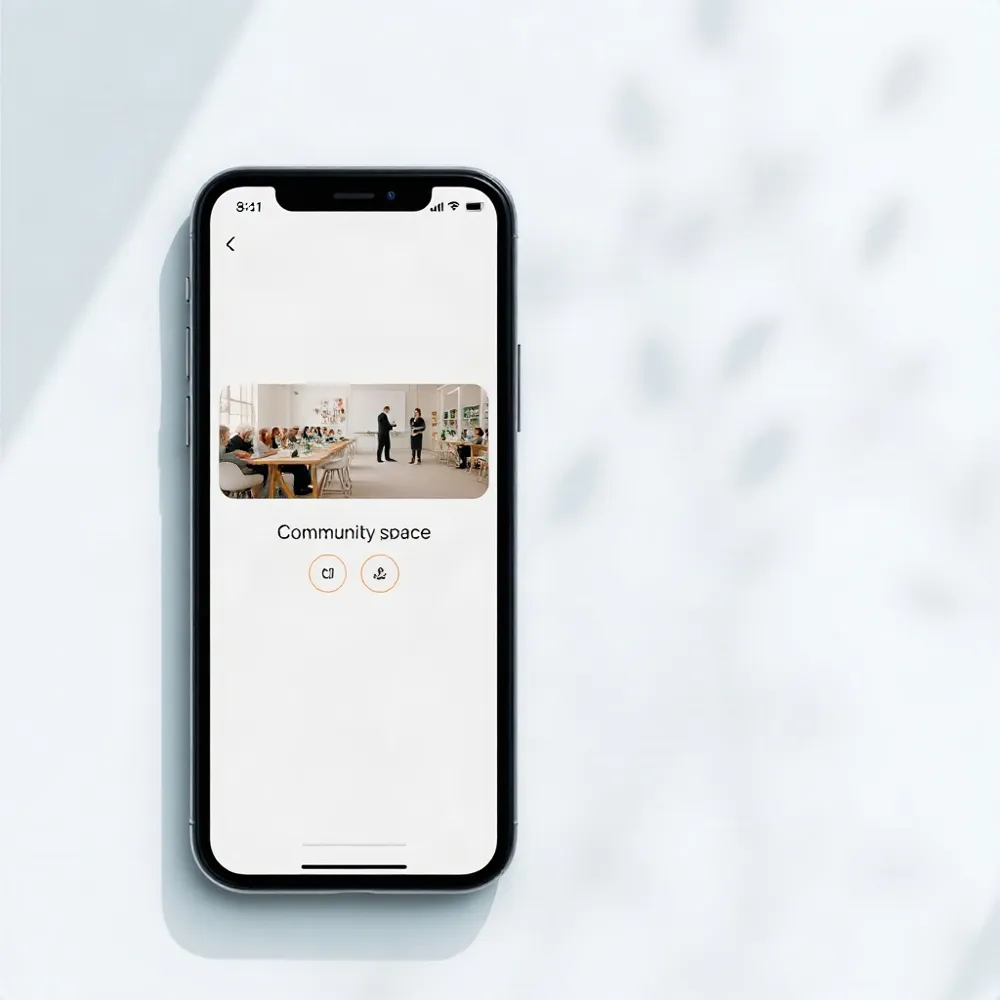
An RSVP message should make the next step obvious. Ask attendees to reply YES or NO, or tap a short RSVP link. Include the event or session name, date, start and end times, location or access details, and a clear deadline. Explain how to report the total number attending, including any approved guests.
For example: “Community dinner, Friday, June 14, 6-8 p.m. at the Main Hall. Reply YES or NO by June 10. If yes, include the number in your party.” A concise prompt like this gives guests the details they need and helps organizers plan. If you need meal choices, attendee names, or accessibility information, ask for them through the RSVP link or give clear reply instructions.
For a program with several activities, ask for a separate response to each session. A YES to the main gathering should not automatically count as a YES to a workshop or meal. Naming each activity in its invitation and recording each reply separately makes it easier to see who plans to attend what. See how to make text RSVPs easy to act on with a clear response and a current list.
A centralized response list helps staff check who has replied and follow up with people who have not. Evant’s SMS RSVPs and targeted messaging support this kind of event communication for nonprofits and educational organizations. After someone responds, send a confirmation with the relevant session details, directions or access link, and any next step.
Build Lists Around Each Session

A guest may register for the main event but attend only the keynote, a workshop, or dinner. Track each activity separately so an overall yes does not get mistaken for a commitment to every session.
Create a response list for each session, then segment it by details that affect access or follow-up, such as role, interest, RSVP status, or invitation eligibility. In Evant, SMS RSVPs, targeted messaging, and CRM integration support organized event communication, so session choices can inform who receives relevant updates.
Make Each Choice Explicit
Name each session plainly and give guests a distinct yes or no choice for each one. A short form with only the details needed for planning is easier to answer and leaves less room for assumptions. Collect extra information only when it affects logistics, such as a meal preference or accessibility need.
Keep responses, contact details, and later edits together in a centralized platform or CRM-connected workflow. That gives staff one attendee record to check instead of reconciling duplicate entries across spreadsheets. Evant’s CRM integration and event-management tools can keep communication and attendee information connected.
Before launch, test the workflow with sample guests. Confirm that people can choose multiple sessions, edits update the right record, capacity limits behave as intended, and staff can filter and export the lists they need. Check permissions too, so coordinators can access relevant information without making unwanted changes. A short trial can reveal gaps before guests begin replying.
For a deeper look at keeping session commitments distinct from overall registration, see efficient multi-day RSVP and check-in management.
Turn Responses Into Planning Decisions

A confirmed RSVP is more than a headcount. It gives nonprofit teams a working estimate for room size, food, supplies, attendee materials, and volunteer coverage. Responses about accessibility needs can also help staff prepare before guests arrive.
A shared, current RSVP view makes the next steps clearer: staff can see who is confirmed, who declined, who has not replied, and where plans have changed. Session-level counts help organizers spot capacity pressures and adjust arrangements instead of reconciling scattered messages and spreadsheets. Evant’s SMS RSVPs, targeted messaging, event check-ins, and analytics support communication and event coordination in nonprofit and educational settings.
Keep registration separate from attendance in your planning. Signing up for the main event does not confirm that someone attended a particular workshop or session. Comparing session registrations with check-ins gives teams a more accurate picture of participation and a better basis for future room and staffing decisions. This distinction matters when comparing registration data with session attendance.
A centralized RSVP or event platform can record confirmations and updates, filter guest records, and prepare lists for check-in. Confirm that the system handles session choices, edits, capacity, and exports as your event requires. Evant’s event check-ins and CRM integration can connect participation workflows with attendee records, while SMS confirmations and targeted follow-ups reduce repetitive list work. Personal outreach still matters for guests who have questions or need help responding.
For a practical guide to turning response counts into decisions about space, supplies, and staffing, see how SMS RSVPs help nonprofits forecast attendance.
Schedule Reminders With Relevance
A reminder is useful when it reaches the right person with the right session details. Before sending texts, collect explicit consent, explain what kinds of messages attendees will receive, and honor opt-outs promptly. Evant’s SMS-based event tools support targeted messaging, so organizers can shape communication around their event audiences rather than treating every contact as a general announcement list.
What are effective best practices for SMS event reminders?
Keep each text concise and give it one purpose. A reminder a few days before a session and a brief event-day prompt may be enough for many programs. Schedule messages for reasonable local hours, respect quiet hours, and avoid sending repeated reminders that add no new information.
Name the session and include its date, time, location or access link, plus one clear action, such as confirming attendance or checking directions. Tailor the message to the recipient’s selected session and RSVP status. Send a response prompt to people who have not replied, and direct room or schedule changes only to attendees affected by them.
Review replies, check-ins, and opt-outs after each event to see whether the timing and frequency made sense. Evant combines SMS RSVPs and event check-ins with analytics, giving nonprofit and education teams information to guide future outreach. Use email when attendees need a fuller schedule or longer instructions, and reserve texts for relevant prompts and timely logistics. For practical guidance on consent and opt-outs, see SMS engagement campaign best practices.
Separate Signups From Attendance
A person who signs up for a workshop has not necessarily attended it. Registration records show what someone planned to do; session attendance records show where they actually arrived. Keeping those measures separate gives organizers a clearer view of participation.
Record attendance at every session, not just at the main event entrance. Use the same method throughout the program, such as scanning a QR code or checking names against a roster. Link each scan or sign-in to the attendee’s record when possible, so you can compare their session choices with their actual attendance. This distinction is useful when comparing registration records with session attendance.
A simple check-in process still needs preparation. Place a check-in point at each session entrance, show staff how to record arrivals, and test the process before guests arrive. Keep a manual roster or paper sign-in sheet ready in case a scanner, phone, or network connection stops working.
After the event, compare each session’s RSVP list with its attendance record. A popular event-wide check-in does not prove that every attendee joined every workshop. These gaps can help a nonprofit or school plan room sizes, adjust session capacity, and decide which topics merit another place on the schedule.
For organizations coordinating event check-ins alongside SMS RSVPs and targeted messages, Evant brings those tools together with CRM integration and analytics. Session-level records make the resulting follow-up more useful than relying on a single event-wide headcount.
Use the Five Cs as a Planning Guide
A nonprofit event can be planned as a sequence of five Cs: Concept, Coordination, Control, Culmination, and Closeout. Each stage answers a different question, from why the event matters to what the team should change next time.
Concept sets the purpose, audience, and intended impact. A church might want to welcome new families, while a nonprofit fundraiser may focus on bringing supporters together around a cause. A clear purpose helps organizers decide which sessions belong in the program and what participation should look like.
Coordination turns that idea into a workable plan for budget, venue, schedule, volunteers, promotion, and communication. For a multi-session event, invitations should make each session choice clear. Evant’s SMS RSVPs and targeted messaging support this part of the process by giving organizations tools to manage event responses and reach relevant audiences by text.
Control means keeping track of logistics and preparing for problems before they disrupt the event. Teams can use targeted SMS updates to share a room change or revised schedule with the people affected. Evant also includes event check-ins, helping staff record arrivals as the program unfolds.
Culmination is the event itself: delivering a welcoming, well-coordinated experience across sessions. Clear directions and timely updates help attendees get where they need to be, while volunteers can focus on supporting people rather than sorting out conflicting lists.
Closeout begins after the final session. Thank attendees, reconcile expenses, and review RSVP responses alongside check-in records. Those records show the difference between a planned visit and actual participation. Evant’s analytics can help teams review engagement and use what they learn to shape the next program.
The Five Cs keep communication connected to the work: session choices support coordination, timely texts support control, and participation records inform closeout. For a deeper planning lens, see the Five Cs of event management.
Learn From RSVP and Check-In Gaps
A confirmed RSVP shows intent, not presence. Compare confirmed responses with actual check-ins for each session to see where attendance matched expectations and where no-shows were common. Session attendance tracking distinguishes registration records from who actually attended.
Look beyond the final headcount. Review when people responded, whether they later cancelled, and how attendance varied by audience segment or event type. A popular topic may draw strong turnout, while a particular invitation or session format may need a different approach. Evant’s event check-ins and analytics can help nonprofits connect participation records with follow-up planning.
Use those patterns to make practical changes. If replies arrive late, adjust when invitations go out. If guests misunderstand a session’s time or location, make those details clearer in the RSVP. Send reminders to the relevant confirmed attendees, then use expected turnout to plan staff coverage, entry flow, room capacity, and the schedule. SMS can support targeted communication, but it cannot guarantee attendance.
Review results across events alongside costs and intended outcomes, such as participation or fundraising. A fuller record helps teams assess whether a format is worth repeating, not just whether registration numbers looked strong. Evant combines SMS-based event management with CRM integration and analytics, giving organizations tools to relate event activity to their broader engagement work.
Finally, ask people why they missed a session. Check-in data shows what happened; attendee feedback can reveal whether timing, competing activities, access, or unclear information played a part. Use what you learn to refine the next event rather than treating every absence as a messaging problem.
Make Every Response Useful
A useful RSVP tells guests exactly which session they are answering about, and gives organizers information they can act on. Set out session choices clearly, collect consent-based text responses, and keep each reply connected to the right activity.
Then send reminders only when they fit the guest’s response, record attendance at each activity, and review the gaps afterward. Evant brings SMS RSVPs, targeted messaging, event check-ins, and analytics into a toolkit for nonprofits and educational organizations, helping teams connect communication with the event record.
SMS is one part of the process, not a substitute for sound planning. Keep records current, send messages that matter to their recipients, and follow up in ways that reflect what people attended or missed. When each response has a clear purpose, organizers can make better decisions and guests feel considered rather than simply counted.
Related Blogs
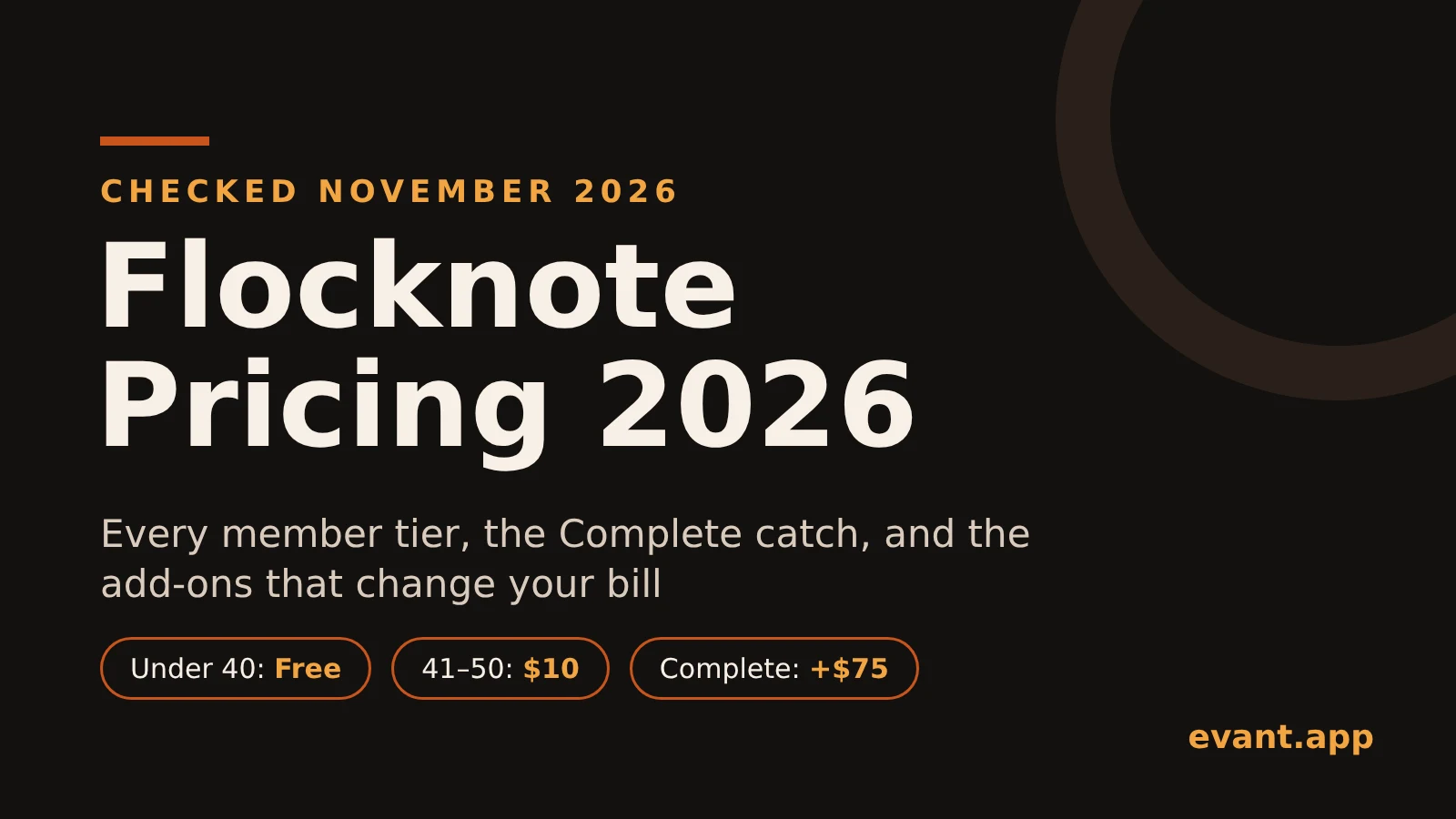

Flocknote Pricing 2026: Every Tier, the Complete Catch and the Add-Ons
Michael PedoeemFlocknote is free under 40 members and priced by member count after that. Here's what Starter, Complete and the add-ons really cost in 2026.
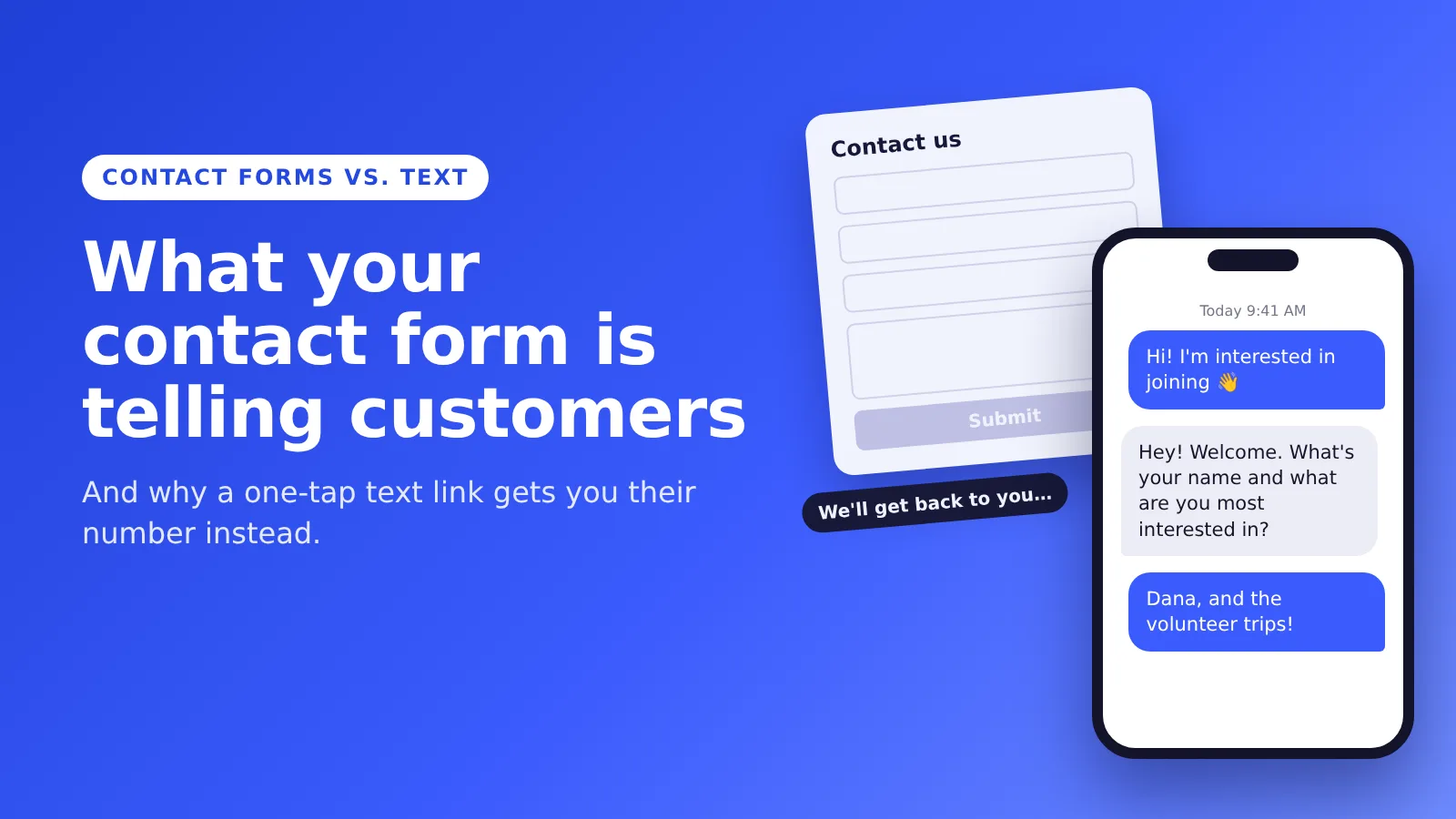
What Your Contact Form Is Telling Customers
Michael PedoeemA contact form tells people to fill out boxes and wait. A text link opens their messages app with your number ready, and gets you their number in one tap.

Best Texting App for Church Youth Groups in 2026: GroupMe, Remind, Flocknote and Two Others Compared
Michael PedoeemGroupMe, Remind, Flocknote, SimpleTexting and Evant compared for youth groups: price, parent contacts, safe-environment rules and texts without an app.





Get the Evant app



