

Why SMS Analytics Matter for Event Success
Most event organizers plan their next event based on gut feel: "That session felt lively" or "People seemed engaged." But guesswork is a lousy foundation for a $1,200-per-ticket conference or a fundraising gala that needs to hit a six-figure goal. SMS analytics turn that uncertainty into measurable data, showing exactly which messages drove registrations, which reminders cut no-shows, and which follow-ups sparked post-event donations.
Text messages already deliver a 98% average open rate, often read within minutes of receipt. That near-instant feedback loop means organizers can see responses, clicks, and opt-outs in real time. A platform like Evant.app surfaces those signals in a dashboard so you can spot a lagging campaign before the event doors open, not after. The result is a shift from retrospective guessing to proactive, data-driven decisions that boost attendance and deepen engagement.
What follows walks through the essential metrics every event organizer should track, how to segment audiences for smarter targeting, tactics for making real-time adjustments on event day, using SMS data to predict future behavior, and how to pick a tool that makes all of this manageable.
The Power of SMS for Nonprofits and Events

The case for SMS starts with a simple fact: people read text messages. According to the MPI, SMS messages have an average 98% open rate and a 19% click-through rate, numbers that email and social media can't match. Attendees read SMS communications 45% more of the time than email, making it the most reliable channel for event organizers.
That immediacy is especially valuable for time-sensitive updates. Venue changes, schedule tweaks, or urgent volunteer needs reach attendees within minutes rather than sitting unread in an inbox. As a result, well-timed SMS reminders can reduce event no-show rates by 38%, meaning more of the people who said they'd come actually show up.
SMS is not just a broadcast tool. It enables real two-way conversations, letting organizers answer questions, build personal bonds, and simplify logistics like RSVPs and check-ins. For nonprofits managing events or volunteer coordination this translates into operational efficiency. Evant.app provides a platform that turns these capabilities into a streamlined workflow, letting you send targeted messages, manage opt-ins, and track engagement without juggling separate tools.
The bottom line: SMS meets supporters on their most-used device and delivers information when it matters most. That combination of reach, speed, and personalization makes it a foundational tool for any modern event strategy.
Key SMS Metrics to Transform Your Events
Without tracking metrics, sending event texts is like throwing darts in the dark. Three numbers form the foundation: delivery rate, response rate, and opt-in/opt-out trends. Delivery rate tells you if your messages actually reached recipient phones. Response rate shows whether the content connects with your audience. And opt-in/opt-out trends let you gauge list health — growing opt-ins mean your content strategy is working.
For nonprofits, these benchmarks come alive in real scenarios. A text campaign for an emergency appeal might see a 15% response rate, while a general update may only hit 3%. That gap offers actionable intelligence: high-urgency messages work for your audience, but routine blasts need a rewrite. Similarly, high opt-out rates after a specific send suggest you are over-messaging or delivering irrelevant content, a signal to adjust frequency and targeting.
Go deeper with event-specific tracking. Measure how many recipients confirm attendance for RSVP campaigns, how many check in day-of, and whether post-event follow-ups drive further action. SMS analytics platforms like Text-Em-All tie these metrics together, letting you track the full attendee journey from invite to thank-you without manual data gathering. Understanding what drives the greatest turnout ensures your messaging budget is spent where it matters.
Finally, track click-through rate (CTR) and conversion rate. CTR measures how many people click links in your texts; conversion tracks those who actually register or donate after clicking. These numbers distinguish interest from action. Tools like Evant.app connect SMS engagement directly to event check-ins and donation data, giving a complete view of what works. Build these metrics into every campaign and you stop guessing about what attracts attendance.
Define Success with Event KPIs
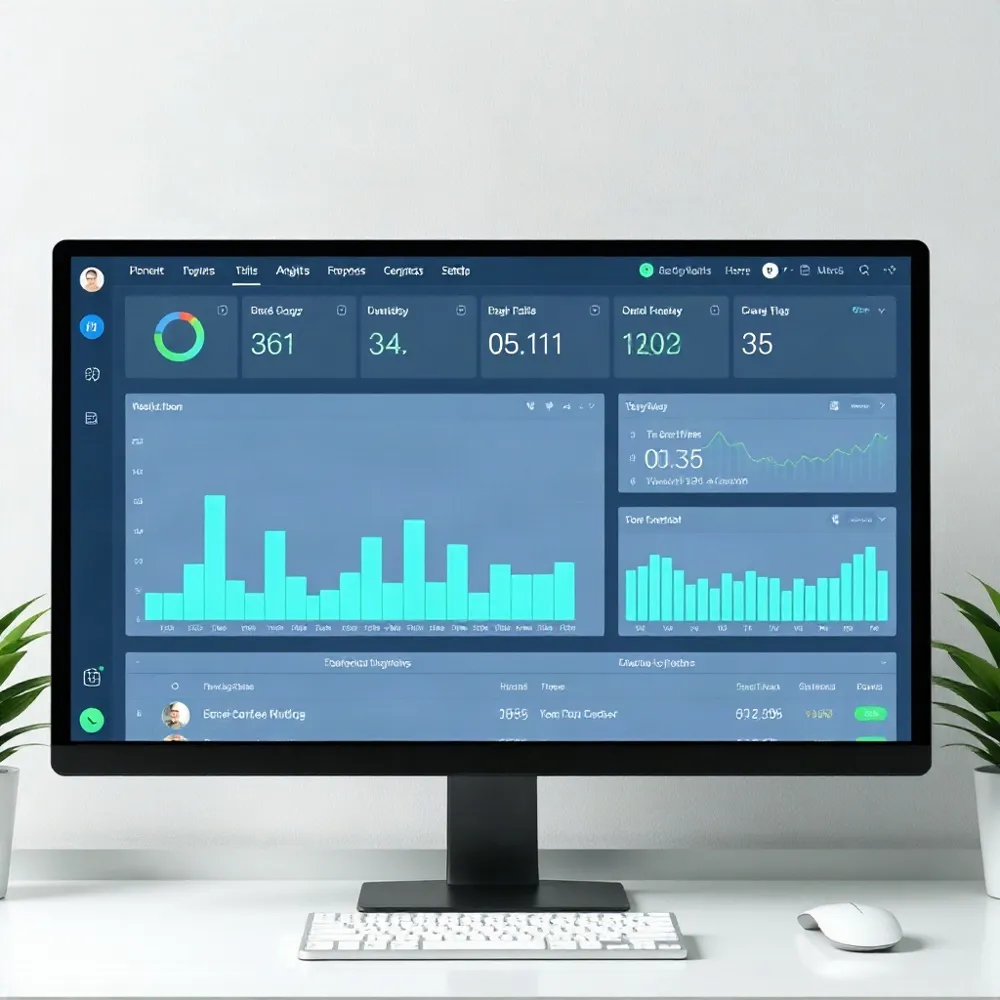
Event KPIs are measurable values that show how well your event is achieving its goals. Instead of relying on post-event surveys or anecdotal feedback, organizers can track KPIs like attendance rate, no-show rate, and engagement metrics such as session check-ins and polling participation to get a concrete picture of performance.
For nonprofits and educational organizations, the most telling metrics often extend beyond the event itself. The post-event conversion rate reveals how many attendees become donors, members, or repeat participants. Financial KPIs, including cost per attendee and fundraising dollars raised per event, help determine overall ROI. On the tactical side, SMS RSVP response rates, link click-through rates, and volunteer sign-ups via text give immediate feedback on your communication channels and community interest.
Focusing on a few well-chosen KPIs turns event data into a roadmap for improvement. When you track attendance, engagement, and financial performance side by side, you can see which sessions drew the most interest, which marketing messages drove registrations, and where to adjust for the next gathering.
Segmenting Audiences for Smarter Targeting
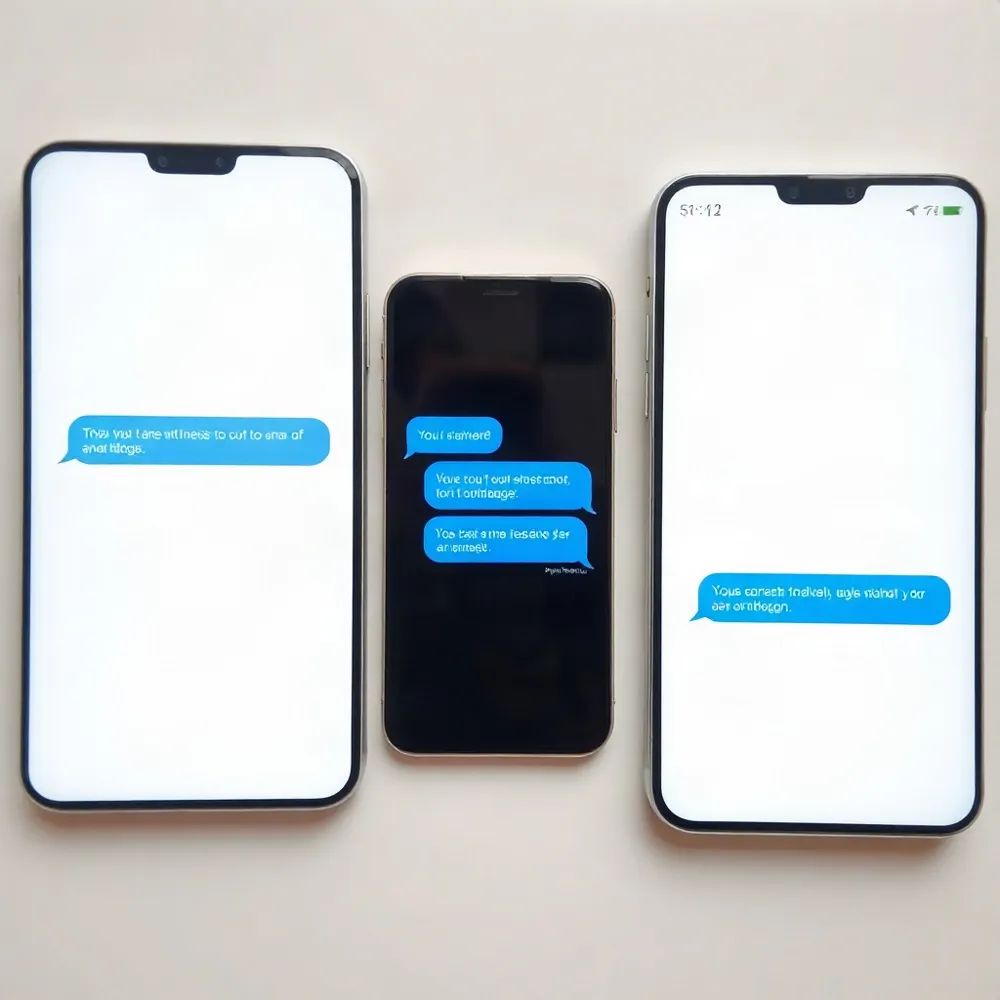
Sending the same text to everyone on your list is a missed opportunity. SMS analytics reveal which segments of your audience are most responsive, letting you tailor messages by registration status, past behavior, or preferences.
Common segments include registered versus not-registered attendees, VIPs against general ticket holders, and first-timers compared to past no-shows. A nonprofit, for example, can send personalized reminders to those who opened a message but haven't registered, while sending different follow-ups to donors versus volunteers.
This targeted approach increases relevance, builds trust, and boosts satisfaction. It also helps avoid message fatigue by sending fewer, more meaningful texts to each group — increasing engagement and reducing opt-outs.
Real-Time Adjustments with SMS Analytics
SMS provides near-instant feedback on clicks, opt-ins, and responses, making it ideal for live campaign optimization. Unlike email, where you may wait days for reliable open-rate data, SMS analytics update as recipients engage. This immediacy lets you adjust a message's send time if morning open rates lag, or swap out a call-to-action mid-campaign if a particular segment is underperforming — all within the same promotion window.
Real-time analytics are especially valuable when urgent changes arise. If a venue shift or schedule update occurs, you can broadcast the correction instantly and verify that the message was delivered and read. CrowdPass notes that this kind of rapid feedback gives organizers confidence that no attendee misses a critical update, keeping the experience smooth even when plans change.
A/B Testing on the Fly
A/B testing is a staple of SMS campaigns, but real-time analytics turn it into a live optimization engine. Instead of waiting until after an event to compare two versions of a reminder, you can run the test during the campaign, see which wording, tone, timing, or link drives higher clicks, and shift your remaining sends to the winning version. The MPI cites that text messages have an average 19% click-through rate, making small improvements highly impactful.
A nonprofit running a fundraising gala, for example, could test two reminder wordings in the week before the event. One version emphasizes the cause ("Your seat is helping 100 families"), the other highlights the social experience ("See you at the gala — dessert reception included"). If analytics show the cause-driven message has a 20% higher confirmation rate, the team can immediately redirect all remaining reminders to that version, maximizing attendance without losing a single send.
Platforms like Evant.app integrate live dashboards that surface these trends at a glance. Organizers can spot when engagement dips after a particular message and pivot before the next send, rather than discovering the problem in a post-event report. This real-time feedback loop transforms SMS from a broadcast tool into a responsive communication channel that gets better with every message.
Predictive Insights from Your SMS Data
SMS analytics let you see what happened at your last event. Predictive analytics, powered by historical SMS data and behavioral patterns, helps you forecast what will happen at the next one. Instead of reacting to low attendance or high no-show rates after the fact, you can spot the signals early and act before the problem compounds.
Event planners can use predictive models to forecast attendance rates with surprising accuracy, identify which attendee segments are most likely to no-show, and determine the ideal send times for reminders and updates. Platforms like GoMomentus provide utilization reports and pace reports that compare booking performance against historical baselines, while Text-Em-All uses event-specific tracking to measure confirmation rates and follow-up effectiveness. Together, these tools turn raw response data into a roadmap for resource allocation, from staffing to catering to venue capacity.
Predictive analytics also helps anticipate churn risk among attendees or donors. If a segment of past donors stops opening messages or clicking links, the model flags them as high-risk, allowing you to send a personalized re-engagement text before they drift away entirely. Similarly, forecasting crowd flow and peak arrival times from RSVP response patterns lets you dynamically adjust check-in staffing to reduce wait times.
Continuous analysis creates a feedback loop: each event generates data, that data trains the predictive models, and the refined models produce better forecasts for the next event. Text-Em-All's platform captures delivery rates, response rates, and opt-in trends, while Evant.app integrates SMS interactions directly into your CRM, feeding historical participation data back into the system. Over time, this loop shifts event planning from guesswork to a data-driven practice where every decision is backed by what the data says will happen next.
Tools and Platforms for SMS Analytics
Choosing the right SMS platform is the difference between data that collects dust and data that drives decisions. The best tools for event organizers combine ease of setup, strong automation, CRM-native integration, compliance support, clear analytics, and predictable pricing. Platforms like Blackthorn offer a Salesforce-native solution that keeps every message, attendee interaction, and data point inside the CRM without needing third-party connectors.
For nonprofits that do not use Salesforce, Text-Em-All and SimpleTexting provide user-friendly dashboards that track delivery rates, response rates, and opt-in trends without requiring a data science degree. SimpleTexting offers discounted nonprofit pricing and specialized fundraising analytics.Funraise takes an all-in-one approach, bundling SMS messaging with donation forms, recurring giving tools, and a donor CRM so everything lives in one ecosystem.
CRM Integration and Automation
Keeping SMS data inside your CRM eliminates data silos. When a supporter RSVPs via text, that update should flow straight into your attendee records alongside their donation history and communication preferences. CrowdPass, for instance, integrates SMS with ticketing and attendee data in a single dashboard. Evant.app takes a similar approach, enabling organizers to sync SMS interactions directly with their CRM to build a complete picture of every community member's engagement.
Automation amplifies that integration. Text-Em-All connects with Eventbrite via Zapier, allowing you to sync registrants automatically, trigger reminders based on RSVP status, and track attendance without manual data entry. Blackthorn lets users trigger personalized SMS reminders, confirmations, and follow-ups based on real-time events like a registration or payment, with each message logged in Salesforce.
How to Choose the Best Service
Needs. Start by identifying your primary use case: event RSVPs, donation drives, or volunteer coordination. A platform like Evant.app is built for community engagement and SMS RSVPs, while Funraise is tailored for fundraising with text-to-give capabilities.CRM. Check whether the platform integrates natively with your existing CRM. A Salesforce-native tool like Blackthorn or an integration partner like CrowdPass prevents data fragmentation and manual syncing.Automation. Prioritize platforms with robust automation for reminders, confirmations, and follow-up workflows. Automation saves staff time and drives consistent engagement without daily manual effort.Compliance. Choose a provider that simplifies opt-in management and adheres to 10DLC and TCPA regulations. Blackthorn includes built-in support for opt-outs, audit trails, and data privacy standards like PCI and HIPAA.Pricing. Compare pay-as-you-go credit models against monthly subscriptions. Text-Em-All and SimpleTexting offer flexible pricing that scales with campaign volume, making them cost-effective for small to mid-size nonprofits.
Modern Digital Tools for Event Success
Start promoting well before the event date. SMS is the most effective channel for building excitement, with a 98% open rate and messages typically read within minutes. Send countdowns, teasers like speaker announcements or session sneak peeks, and timely reminders over several weeks.
For the event day itself, replace silence with deliberate touchpoints. A welcome text sets a positive tone for first-time attendees. Use quick polls to collect live feedback, broadcast real-time updates about schedule changes or session openings, and activate text-to-donate capabilities during fundraising segments. Automated workflows handle these sequences without putting extra load on a small team.
Following the event, send personalized follow-ups that include a thank-you, a link to a photo gallery or session recap, and a brief feedback survey. Automating this post-event sequence turns one-time attendees into repeat supporters by maintaining the connection.
SMS works best as part of a multi-channel strategy. Pairing it with email and social media in coordinated campaigns generates more overall engagement and higher revenue than any single channel alone. A platform that syncs with your CRM makes this integration seamless.
Crafting Effective SMS Marketing Campaigns
The most effective SMS campaigns start with making the ask easy. Embed a text-to-donate link directly in a post-event thank-you text or a pre-event reminder, removing friction from the giving process. Pair the link with a short MMS story — a photo from the gala, a quick video of a beneficiary — to give the ask emotional weight.
Between fundraising pushes, keep your community engaged. Send a personalized SMS update that shares a tangible impact story or a piece of exclusive content, such as an insider look at plans for the next event. This approach builds a relationship beyond the donation request, mirroring what MissionWired calls intentional, personal content.
Use SMS to streamline volunteer coordination. Send schedule confirmations, emergency alerts, and recruitment offers directly to volunteers' phones. A volunteer who receives a shift reminder via text is more likely to show up — and more available than one who only got an email.
Refine with Segmentation and Testing
Segment your audience by behavior — VIP donors, first-time attendees, past no-shows — and send each group a message that speaks directly to them. A/B test variations in tone, timing, and call-to-action to see what drives higher click-through rates for each segment.
A few high-impact tactics can sharpen any campaign. Use urgency phrases like "limited seats" to encourage faster action. Personalize messages by including the recipient's name. Keep each text focused around a single, clear call to action. And respect your audience's attention: limit communications to two or three well-timed messages per event to avoid fatigue and opt-outs.
Collect opt-in consent naturally through online forms, in-person sign-ups at events, or a simple text-to-join keyword. Growing an opt-in list this way ensures your audience actively wants to hear from you — and an engaged list produces the highest response rates.
Turn Data into Better Events
The journey from raw SMS metrics to strategic advantage starts with the basics—delivery rates, response rates, and opt-in trends. Those three numbers tell you whether your messages are reaching people, connecting with them, or driving them away. From there, event-specific tracking shows how many RSVPs turned into check-ins, which follow-up messages actually got a reply, and whether your segmented campaigns outperformed your general broadcasts.
This isn't just about measuring what happened. As one SMS analytics guide puts it, analytics 'aren't just about measuring what happened—they're about predicting what will work next.' The patterns you spot in past campaigns—which timing drove the highest CTR, which segment responded best to VIP offers—let you design your next event around actual behavior instead of guesswork.
The leap from data to action requires three moves: start tracking the essential metrics for every campaign, build a segmented list so your messages land where they matter most, and choose a platform like Evant.app that feeds analytics back into your planning workflow instead of leaving them in a separate dashboard.
When nonprofits and educational organizations close that loop—track, segment, adjust, repeat—consistently better-attended, more engaging, and more impactful events aren't a hope. They become the standard.
Related Blogs



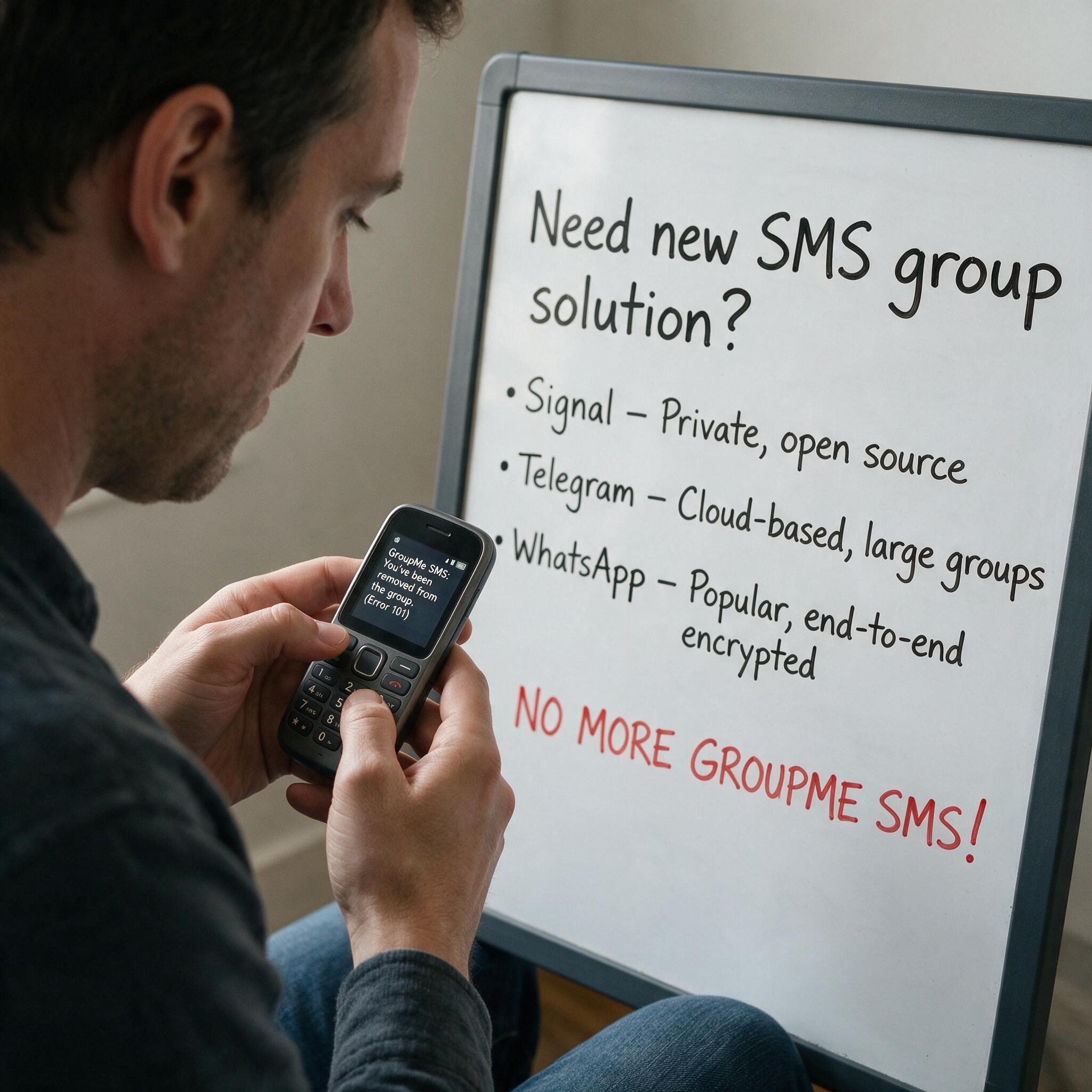
Got Kicked Out of GroupMe? Look to Evant.
Michael PedoeemGot Kicked Out of GroupMe? The Best GroupMe SMS Alternative for Jewish Communities