

The Engagement Gap Between Traditional RSVPs and SMS
A local nonprofit sends an email blast for its annual gala. A week later, only 12% of invitees have responded. The rest are lost in crowded inboxes, ignored in spam folders, or simply forgotten.
That gap between invitation and response is a familiar problem for event planners. Paper RSVPs take days or weeks. Email open rates hover around 20–25%. Online forms get abandoned 80% of the time. Compare that to SMS, where 98% of messages are opened and most are read within three minutes of delivery. The difference is not incremental—it is structural.
SMS meets people exactly where they already are: on their phones, which they check dozens of times a day. There is no app to download, no inbox to sort, no form to load. A simple "reply YES to confirm" removes every friction point that traditional methods pile on. For nonprofits and educational organizations running tight budgets and tighter timelines, that instant connection directly translates into higher attendance and fewer no-shows. This article explores why SMS engagement consistently outperforms older RSVP methods and how event planners can put it to work.
What Makes SMS a Superior Channel for RSVPs
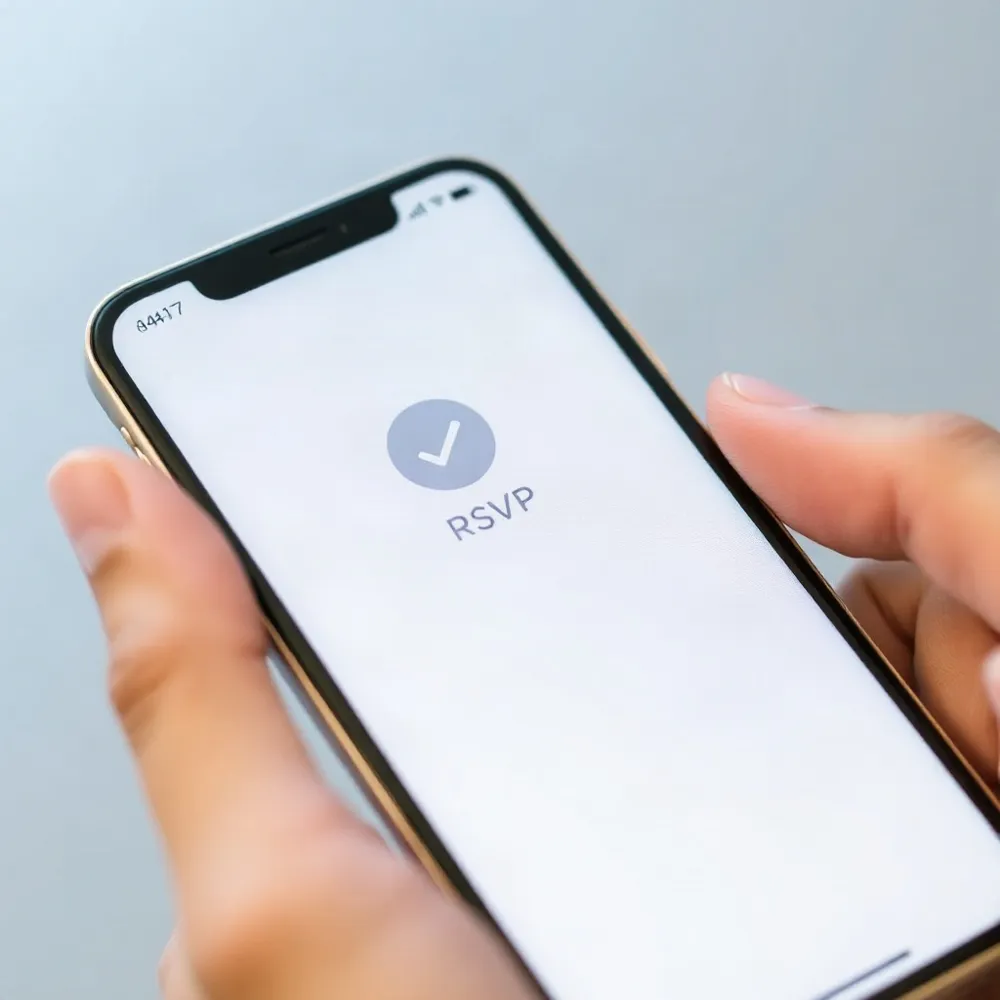
The gap in response rates between classic RSVP methods and SMS is not marginal—it’s a chasm. A paper invitation sent through the mail takes days or weeks for a reply. An email request lands in an overflowing inbox where, on average, only 20% of messages are ever opened. By contrast, SMS benefits from a 98% open rate, with 90% of texts read within three minutes of delivery. That kind of immediacy changes the planning equation entirely.
When a guest receives a text, the average read time is under 90 seconds. Compare that to email, where a message may sit unopened for hours or days, or to paper mail, where the card can be lost under a stack of bills. SMS turns the RSVP process from a waiting game into a near-instant exchange. For an organization that needs a reliable headcount, that speed is the difference between guessing and knowing.
The cost and environmental tradeoffs are just as stark. Printing and postage for paper invitations add up quickly, and the waste from returned cards that are later discarded is real. Email and web forms are cheaper but carry no guarantee of visibility. SMS sits in the middle: it costs far less than paper, yet commands attention that email cannot match. Organizations using platforms like Evant can send automated reminders and track responses without the overhead of manual data entry, saving both staff time and hundreds of dollars per event.
| Method | Typical Response Time | Average Open Rate | Cost Per Invite | Paper / Waste |
|---|---|---|---|---|
| Paper Mail | Days to weeks | N/A (assumed delivered) | $1–3+ (printing + postage) | Yes |
| Hours to days | 20–30% | Negligible | No | |
| SMS | Minutes | 98% | $0.02–$0.05 per message | No |
Real Numbers: SMS Response Rates and Benchmarks
The numbers tell a clear story. SMS for nonprofits delivers an average response rate of 18% to 28%, while email struggles at just 3% to 8%. This gap is not theoretical. When supporters get a text, they act. Over 98% of SMS messages are opened, and most are read within three minutes. That immediacy translates directly into more RSVPs and fewer last-minute cancellations.
The click-through rate for nonprofit SMS campaigns sits between 8% and 12%, and the conversion rate lands between 0.5% and 1.2%. These figures may seem modest, but they outpace email significantly. A platform like Evant leverages these benchmarks by sending automated reminders and confirmations that keep engagement high without manual follow-up. With opt-out rates as low as 0.2% to 0.6%, supporters clearly value the channel.
Event planners know the 80% RSVP rule well. While roughly 80% of invited guests will reply, only 60%–70% of those actually attend, leaving effective turnout around 50% of the original guest list. For free events, no-show rates can hit 30% to 50%. SMS cuts through that uncertainty by keeping the event top of mind and making it simple to confirm, change, or cancel a reservation.
Across the U.S., mobile users sent 2 trillion text messages in 2021, and 81% of consumers have opted into business texts. The channel's growth is accelerating. For nonprofits aiming to close the engagement gap, these numbers make a strong case: SMS is not just faster; it is more trusted and more reliable than traditional RSVP forms.
Addressing the Disadvantages and Perceived Intrusiveness
SMS is not without its drawbacks. The 160-character limit, lack of rich formatting, and cost per message for bulk sending can feel restrictive compared to email.
While the per-message cost is higher, the return on investment is strong. SMS campaigns can deliver $21 to $41 for every dollar spent, far outpacing many other channels.
Explicit opt-in consent is not optional. The Telephone Consumer Protection Act (TCPA) and GDPR require organizations to obtain clear permission before sending marketing texts.
Mitigation is straightforward. Keep frequency to 2 to 6 messages per month, consistently honor opt-out requests, and always provide value in every text. This keeps opt-out rates low, typically between 0.2% and 0.6% for nonprofits.
SMS is not disappearing. Newer technologies like RCS enhance the messaging experience with rich media and interactivity, but they complement SMS rather than replace it. SMS remains the universal backbone for reliable, instantaneous outreach.
A 2025 survey found 58% of consumers say texting is the most effective way for organizations to reach them quickly, and 57% are open to brand texts when the messages add clear value.
Streamlining the RSVP Process with SMS
Traditional RSVP methods create friction. Guests must open an email, click a link, load a website, fill out fields, and click submit. Each step is a drop-off point. SMS removes nearly all of that friction with one-tap YES/NO replies or simple keyword-based responses like texting "RSVP."
No app download is required. SMS works on every mobile phone with cellular service, reaching attendees regardless of device or internet connection. This universal compatibility ensures that even less tech-savvy supporters can respond without barriers.
Once a guest replies, an automated confirmation message is sent instantly, and the response is recorded in a digital system. This eliminates manual data entry and the error-prone process of tracking RSVPs on a spreadsheet.
Organizers gain access to a real-time dashboard that automatically updates the guest list and allows filtering by status—confirmed, pending, or declined. No more chasing down incomplete records or transcribing names by hand. Organizations using SMS tools like Evant report an RSVP rate of 95%, drastically cutting no-shows and over-preparation costs.
The result is a reliable, instant, and low-effort system for both the organizer and the guest. It turns the RSVP process from a chore into a one-second interaction, driving higher response rates and more accurate headcounts for every event.
The 5 C’s Framework and SMS Automation
Event planning from initial idea to post-event wrap-up can be structured around five stages: Concept, Coordination, Control, Culmination, and Close-out. Each stage presents communication needs that traditional RSVP forms struggle to meet — but SMS automation fills naturally.
Concept. This is where you define the event's purpose and audience. SMS fits in by broadcasting a save-the-date or an early invitation to your subscriber list, generating initial interest before any detailed planning is locked in.Coordination. The logistics phase: venue, budget, timeline, and guest lists. Automated SMS reminders keep attendees informed of RSVP deadlines and confirmations without staff needing to manually chase each guest. Platforms like Evant allow you to schedule these messages in advance, saving hours of follow-up work.Control. The execution phase moves fast — vendors shift, schedules change, weather intervenes. SMS handles last-minute updates instantly, reaching every guest within minutes so confusion is minimized and walk-in chaos is avoided.Culmination. The event day itself. SMS delivers day-of logistics — door opening times, parking directions, session start reminders — directly to attendees' phones, reducing no-shows and late arrivals.Close-out. After the event, SMS can send post-event feedback forms, thank-you messages, and links to highlights or donation pages. This closes the loop and keeps attendees engaged for the next event.
Automated SMS campaigns triggered by registration, payment, or time-based schedules eliminate the manual work of sending each message individually. For example, Morning Brew used Subtext SMS to coordinate nearly 500 attendees for its annual summit, handling schedule changes, instant problem-solving, and real-time attendee participation through contests and surveys.
Evant provides a platform that automates these reminders, confirmations, and check-ins across all five stages, lifting community engagement by up to 5× and saving staff hundreds of hours previously spent on manual follow-ups.
Saving Time and Budget with Targeted SMS Reminders
Traditional follow-ups rely on manual phone calls or individual emails, each one demanding staff attention and calendar time. An automated SMS reminder series replaces that labor with a system that runs by itself. A proven 3-touch structure works: a friendly nudge two weeks before the RSVP deadline, a deadline warning three to five days out, and a final ask one to two days after the deadline passes. Each message is sent to the right people without anyone having to dial or type.
Target Different Groups Automatically
A one-size-fits-all reminder is a missed opportunity. Segmentation lets an organizer send distinct messages to VIPs, volunteers, donors, or first-time attendees. A platform like Evant allows users to filter contacts by interest, event history, or role, then schedule the exact sequence each group receives. Instead of a staff member cross-referencing spreadsheets, the system delivers a tailored reminder to each segment at the right interval.
Hard Cost Savings and Fewer No-Shows
Paper invitations, postage, and printing expenses disappear when RSVPs move to SMS. The ROI of SMS marketing can reach $41 for every dollar spent. Even more important for event logistics: studies show that SMS reminders cut no-show rates by up to 38%. An organizer who would have spent hours phoning late responders instead gets automated replies—and a much fuller room.
From Staff Labor to Staff Leverage
The hours saved by automation are not small. Coordinators who previously managed manual call-downs can redirect that time to program development, donor stewardship, or improving the event experience itself. The 3-touch series, segmentation, scheduled triggers, and cost avoidance all feed into the same result: fewer dollars spent and more people engaged.
Ensuring Compliance and Respectful Engagement
SMS marketing is governed by strict regulations such as the TCPA in the US and GDPR in Europe, which require explicit written consent before sending any marketing messages. While the FCC allows oral consent for nonprofits, most professional SMS platforms require written opt-in to maintain clear audit trails, reducing legal risk for your organization.
Building a permission-based audience starts with easy opt-in methods. You can collect consent through web forms, text-to-join keywords (e.g., text "JOIN" to a short code), and in-person sign-ups at events. Every message must also include a clear STOP instruction to allow recipients to opt out at any time.
To prevent message fatigue, best frequency is 2 to 6 texts per month. The average opt-out rate for nonprofit SMS is remarkably low—between 0.2% and 0.6% — which indicates that supporters find the communication valuable and relevant when done respectfully.
Compliance tools built into platforms like Evant handle consent collection, opt-out management, and audit trails automatically. This means your team can focus on crafting engaging campaigns without worrying about regulatory missteps, while ensuring every RSVP request is legally sound and respectful of recipients' preferences.
Best Practices for Timing and Message Content
A well-timed, thoughtfully worded SMS can be the difference between a packed hall and rows of empty chairs. The data is clear on when people actually want to hear from you.
When to Send: The Timing Sweet Spot
Send RSVP-related messages between Tuesday and Thursday, 10 AM–2 PM or 6 PM–8 PM. Avoid Monday mornings when inboxes are overflowing, Friday afternoons when attention drifts to the weekend, and weekends when personal time is guarded. Sending at these optimal times respects your audience's attention and improves response rates without feeling intrusive.
What to Say: Content That Gets a Reply
Keep each message under 160 characters with a single, clear call to action. Every text must include the guest's name, the event reference, the RSVP deadline, a simple way to respond (a link or instructions to reply YES / NO), and a brief thank you. Use action-oriented language like "Reply YES now" instead of "If you'd like to attend, please consider responding." Never be passive-aggressive—no guilt trips. If someone hasn't replied after two reminders, follow up personally with close contacts rather than escalating the tone.
Sample Templates for Key Moments
Save the Date."Hi [Name], save the date for our Annual Community Dinner on March 15. Formal invite with RSVP link coming next week. We hope you can join us!"Reminder (2 weeks before deadline)."Hi [Name], just a reminder — our Annual Dinner is coming up. Please RSVP by Feb 28 at [link]. Thanks!"Last-Minute Update."Hi [Name], tonight's workshop has moved to Room 204. See you at 6 PM! Reply STOP to opt out."Post-Event Thank You. "Thank you, [Name], for joining us last night! We loved having you. Watch for a short survey in your texts tomorrow."
Personalization matters far beyond the name field. Segment your audience by interest, role, or past attendance to tailor each message. For example, first-time attendees may get a warmer welcome, while regulars can receive a simpler confirmation request. Evant's platform supports these segmentation workflows, allowing organizations to send targeted, scheduled messages that feel personal rather than generic.
A good SMS response rate for nonprofits ranges from 18% to 28%, far above email's typical 3–8%. Your opt-out rate should stay under 0.6%—if it climbs higher, your frequency or relevance needs adjustment. Monitoring these numbers helps you keep your community engaged without burning good will.
Transforming Events into Community Engagement Engines
Viewing SMS RSVP as just a logistics tool undersells its real value. When integrated into a broader strategy, every confirmation text becomes a touchpoint that deepens supporter connection and builds community momentum.
The opt-in nature of SMS signals genuine interest. A survey found 58% of people say texting is the most effective way for organizations to reach them quickly, and opt-out rates for nonprofit SMS are consistently below 1%. When supporters give you their phone number, they are actively choosing to hear from you, creating a permission-based audience that is more receptive than any email list.
From RSVP to Relationship Builder
A single event lifecycle offers multiple engagement moments beyond the confirmation. After the event, send a brief thank-you, a link to a feedback survey, or a follow-up with the impact their participation made. Evant's platform syncs RSVP data directly to a CRM, letting you segment attendees by interest or attendance history. That same audience can receive targeted promotions for future events, volunteer opportunities, or mission updates, turning one-time participants into recurring advocates.
This shift from transactional to relational communication is what separates a well-attended event from a thriving community. Evant automates the follow-up sequence, saving staff hours while keeping the conversation alive. For nonprofits operating on lean teams, replacing manual spreadsheets with automated SMS workflows means more energy goes into the mission and less into chasing responses.
The path forward is clear. Nonprofits that embed SMS RSVP into their core communication strategy report higher attendance, lower no-show rates, and stronger donor loyalty. Platforms like Evant make the jump simple, with features like single-keyword RSVP, scheduled reminders, and built-in compliance. An event is a catalyst; SMS is the engine that turns it into sustained engagement.
Embrace the Shift: SMS Is the New Standard
Paper RSVP cards, email blasts, and online forms are no longer enough for nonprofits juggling limited staff and high expectations. Attendees expect a communication channel that matches their daily habits, and nothing delivers speed and attention like text messaging.
SMS provides unmatched immediacy, recording high response rates and letting organizers confirm headcounts in minutes instead of days. The operational savings stack up fast: fewer no-shows, less manual follow-up, and accurate planning that reduces waste.
Platforms like Evant make SMS RSVP easy, compliant, and scalable. With features like keyword-based replies, targeted messaging, and built-in opt-out management, any organization can replace clunky forms with a channel supporters already use every day.
The standard has shifted. Nonprofits and educational organizations that adopt SMS-based RSVPs today will see higher participation, lower overhead, and stronger community connections tomorrow.
Related Blogs



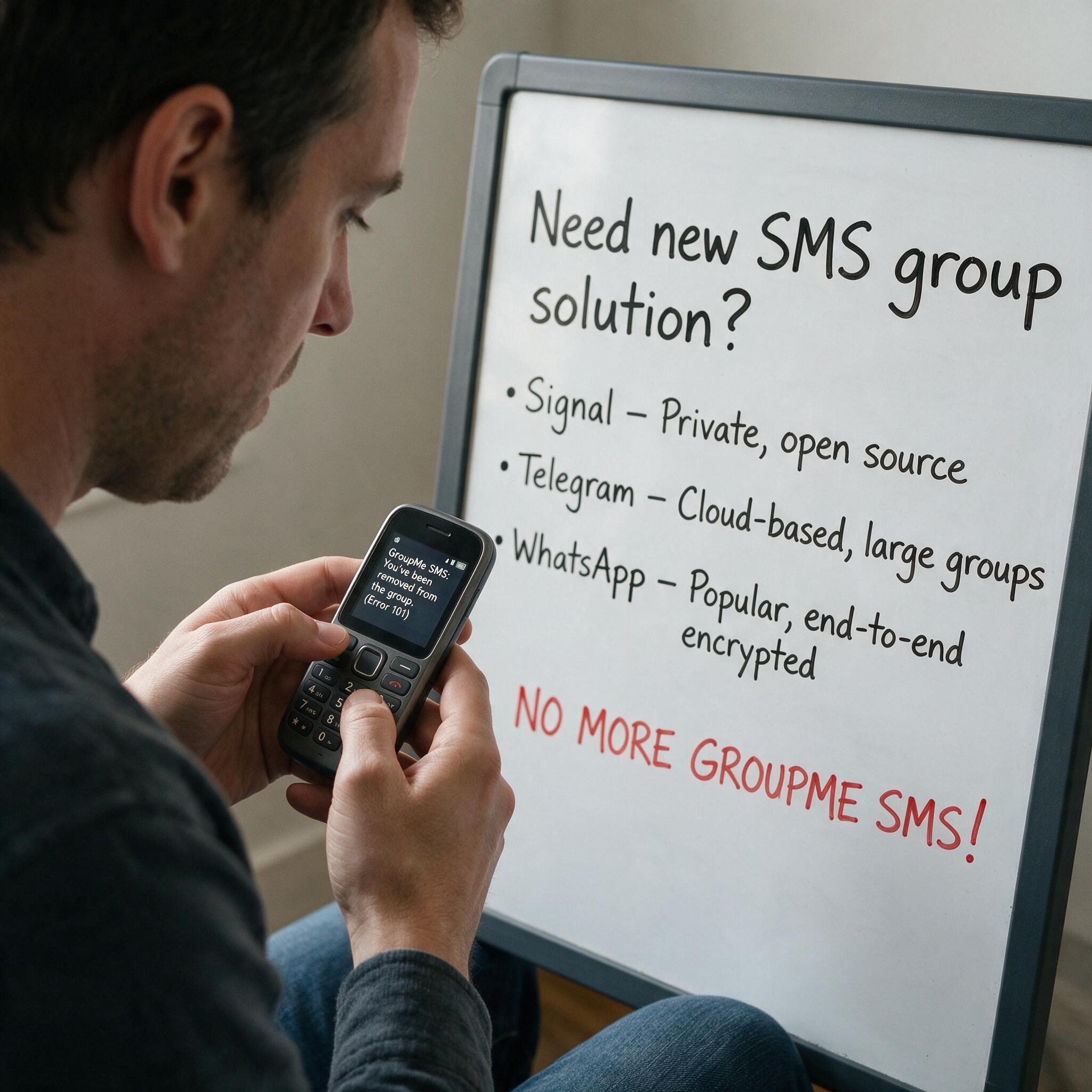
Got Kicked Out of GroupMe? Look to Evant.
Michael PedoeemGot Kicked Out of GroupMe? The Best GroupMe SMS Alternative for Jewish Communities