

The High-Stakes World of Community Event Coordination
Large-scale community events are no longer just social gatherings. For nonprofits and educational organizations, they are a primary driver of mission visibility and long-term donor retention. When executed correctly, these events can increase brand recognition by 76% per Cvent reporting.
Success rests on a foundation of professional planning, meticulous logistics, and modern technology. While many planners struggle with disconnected tools, Evant.app centralizes operations to cut through administrative noise. By integrating SMS automation, organizations can achieve 98% open rates that traditional email simply cannot match.
This article explores how to bridge the gap between abstract vision and on-site reality. From building a diverse volunteer team to mastering contingency protocols, we will detail the best practices needed to turn complex, large-scale events into consistent, measurable wins for your community.
Defining Clear Objectives and Audience

The foundation of any high-impact gathering is rooted in SMART objectives, which require goals to be specific, measurable, achievable, relevant, and time-bound. Without these guardrails, planning often shifts toward vague aspirations, leaving organizers struggling to justify the return on investment or align their team. Clear objectives dictate every subsequent decision, from the choice of venue to the tone of your outreach campaigns.
Before you commit to a date, you must define the target audience. Are you organizing a professional seminar, a neighborhood fundraiser, or an educational workshop? Per Les Roches, understanding the specific needs of your attendees allows you to tailor your programming and accessibility measures. Relying on gut feeling is a common failure point for nonprofits. Instead, integrate CRM data to identify engagement patterns or deploy pre-event surveys to capture the genuine interests of your supporters.
When you use a platform like Evant, you can move beyond guesswork. By connecting your registration directly to your community database, you gain a clear view of who is attending and why. This allows for segmentation that ensures your messaging reaches the right people at the right time. Unlike generic event platforms that often leave data siloed, this approach ensures that your goals remain measurable throughout the event lifecycle.
| Objective Pillar | Strategic Benefit | Logistical Outcome |
|---|---|---|
| Specific | Focused intent | Clear vendor briefs |
| Measurable | Quantifiable ROI | Data-driven updates |
| Achievable | Risk mitigation | Realistic timelines |
| Relevant | Higher turnout | Aligned content |
| Time-bound | Better planning | Efficient execution |
Budgeting Realities and Contingency Planning
A successful event budget does more than track expenses. It acts as a map for your operational goals. Before you secure a single vendor, you must account for venue rentals, permits, specialized insurance, marketing costs, and audiovisual requirements. Without a clear ledger, these line items often balloon, turning a community-building moment into a financial burden.
Experts recommend setting aside a 10-15% contingency fund for every event. This buffer handles the unexpected, from last-minute weather shifts to technical failures. If your internal budget falls short, prioritize seeking sponsorships and in-kind donations. Evant helps organizations stretch these resources by automating attendee communication, which reduces the manual administrative hours that often drain nonprofit budgets.
Building Your Dream Team and Vendor Partnerships
Large-scale community events demand more than a single visionary. Scaling effectively requires a dedicated team with balanced strengths in logistics, marketing, creative design, and administration. Evant.app helps organizations manage this complexity by centralizing event workflows and communication, preventing the fragmentation often seen when teams rely on disconnected tools.
When the stakes are high, hiring professional event planners can reduce significant operational stress. These professionals bring established vendor relationships that streamline coordination and help avoid common planning pitfalls. If internal resources are stretched thin, platforms like Evant.app provide the automated infrastructure to track staff responsibilities and keep vendor partners aligned.
Vendor selection is an area where saving money often leads to losing quality. Relying solely on the lowest quote frequently results in service gaps or unforeseen expenses. It is better to prioritize partners with a proven track record of reliability and clear professional history. Les Roches emphasizes that effective planning includes thorough vetting and documented agreements for all partners. Every contract should be reviewed by legal counsel to ensure insurance compliance and clarify expectations, ensuring your team can execute the event without being derailed by administrative or legal oversights.
Venue Selection and Technical Infrastructure
Securing your venue early is a non-negotiable step for large-scale gatherings, ideally occurring 12 to 16 months in advance. This lead time provides the breathing room necessary to confirm that no community maintenance, construction projects, or competing local activities appear on the community calendar, which could otherwise disrupt access or attendance.
Once a venue is locked in, the focus shifts to technical stability and accessibility. Modern events rely on connectivity for seamless event registration and check-in flows. Without robust Wi-Fi or cellular coverage for mobile check-in scanners, your entrance becomes a bottleneck, causing frustration before the event even begins. When you use Evant, you gain the advantage of SMS-based check-in workflows that bypass the need for bulky physical equipment, keeping the process fast even if the venue's internal network bandwidth fluctuates.
True inclusivity requires more than just picking a central location. It involves rigorous planning for accessibility and diverse attendee needs. This means confirming ADA compliance, designating quiet spaces, and proactively managing food and beverage stations to accommodate specific dietary preferences like vegetarian, vegan, or gluten-free options. While some platforms force you to track these requirements in separate spreadsheets, Evant allows you to collect this data directly through custom SMS-based RSVPs, ensuring your operational team has real-time insights into exactly who is attending and what they need.
Creating a Comprehensive Logistics Timeline
A successful event timeline requires a multi-phase approach that spans from the initial planning stage to the final post-event debrief. Organizing your workflow into clear, distinct phases—planning, pre-event, on-site, and post-event—ensures that every logistical detail is accounted for. For large-scale gatherings, professional event planning helps maintain this structure, allowing organizations to focus on their core objectives rather than administrative fires.
Modern planning demands more than a static spreadsheet. Using event management software to centralize task tracking keeps your internal team, vendors, and partners aligned. Platforms like Evant simplify this by consolidating attendee data and communication workflows, moving your organization away from the manual, error-prone tracking that plagues legacy systems. When you build your schedule, always incorporate a 20 to 30 percent buffer in setup and transition times to account for the inevitable delays inherent in large-scale execution.
As the event date approaches, create a definitive day-of contact sheet. This document must list every vendor, staff lead, and venue contact with their direct mobile numbers for immediate access. This preparation minimizes decision-making lag when issues arise on the ground. By pairing this level of logistical rigor with automated, real-time tools, nonprofits transform their events from chaotic operations into seamless, high-engagement experiences.
What are the essential elements of an event planning and logistics checklist?
An effective event planning checklist must begin by defining clear objectives, setting a firm budget, and securing a venue that aligns with your accessibility and technical requirements. Beyond foundational logistics, you must incorporate robust communication strategies, such as SMS-based invitation tracking and automated RSVP reminders, to manage guest engagement throughout the lifecycle of the event. Essential elements also include coordinating vendors and campus partners, establishing comprehensive safety and emergency protocols, and planning for inclusivity to ensure all attendees feel welcome. Finally, integrating these workflows into a centralized digital platform—such as Evant.app—allows for real-time check-ins and seamless post-event feedback collection. By digitizing these logistical components, nonprofits can move away from manual tracking and focus on creating meaningful community connections.
Harnessing SMS for Engagement and Logistics

When you rely on email for event updates, you are fighting an uphill battle against crowded inboxes and spam folders. Even with a decent open rate, your message often arrives too late to matter. Contrast this with SMS, which boasts an industry-leading 98% open rate and a 45% response rate. It is the difference between a message that might be read tomorrow and one that is seen instantly.
For nonprofits, Evant.app turns this high engagement into a reliable logistical advantage. Instead of manually chasing RSVPs, you can automate your communication sequence—sending immediate confirmations upon registration, a reminder the day before, and a critical final update one hour prior to the start. This automated flow is how Evant.app minimizes no-shows and ensures your attendees feel prepared rather than lost.
Beyond simple reminders, two-way texting creates a direct line for real-time interaction. Attendees can use it to ask about parking, request venue details, or participate in live Q&A sessions. While traditional platforms might force users into a disconnected support inbox, Evant.app keeps every interaction synced directly within your CRM. This integration ensures that your attendee data remains accurate, allowing you to segment your audience and tailor future outreach based on how they actually engaged with your event.
By shifting from manual administrative work to these automated workflows, you provide a frictionless experience that feels personal and responsive. This is not just about sending texts; it is about building a modern infrastructure that turns one-time participants into long-term community members.
Comparing Messaging Platforms for Outreach
When managing large-scale community outreach, organizations must distinguish between general-purpose mass messaging tools and specialized platforms designed for nonprofit workflows. While retail-focused SMS services may offer low per-message costs, they often lack the essential features required for community management, such as native donation processing, documented opt-in compliance, and seamless CRM synchronization.
Platforms that prioritize A2P infrastructure allow for the automated, scalable communication necessary for event reminders and real-time updates. SMS automation ensures that critical information hits the right devices, boasting a 98% open rate compared to the 30% or less typical of email. Retail services often fail to provide the granular reporting needed for donor tracking, whereas specialized systems ensure every interaction is mapped to an individual profile.
Specialized event management tools like Evant provide deeper utility by integrating SMS directly with RSVP tracking, check-in logistics, and attendee analytics. This integration allows organizers to move beyond basic broadcasting toward responsive, data-driven engagement. While basic providers treat every message as a siloed transaction, Evant consolidates these data points to help nonprofits maintain consistent outreach that feels personal rather than automated.
Security remains a key differentiator. Specialized platforms natively handle the technical requirements of documented opt-in and opt-out processes. This compliance-first design protects your organization from the risks of mass-messaging without explicit consent. When your CRM is connected to your messaging pipeline, you gain the ability to segment audiences automatically, ensuring the right message reaches the right person without manual overhead.
Driving Participation Through Community-Centric Strategies
Many organizations make the mistake of assuming that a Facebook post is enough to fill a room. They blast a generic invite to their entire list and then struggle to understand why attendance remains stagnant. Genuine community engagement requires a more thoughtful approach, moving away from broad-reach marketing toward methods that make supporters feel seen and valued.
Inclusivity acts as the foundation for any successful gathering. By hosting free or low-cost events in accessible locations, you immediately lower the barrier to entry. Evant.app supports this by simplifying the registration process, ensuring that interested community members don't abandon the sign-up flow due to technical friction or confusing forms. When you prioritize accessibility, you demonstrate that your mission is truly open to everyone.
To keep momentum high, try offering tangible incentives. Providing high-quality food, exclusive branded merchandise, or VIP access for long-term volunteers creates a sense of occasion that justifies the effort of attending. You can further deepen this connection by incorporating interactive elements. Features like live polls, silent auctions, or peer-to-peer fundraising initiatives transform passive attendees into active participants. With Evant.app, organizers can deploy automated SMS reminders that keep these activities front-of-mind, maintaining high engagement rates through timely, personalized messaging.
- Focus on local marketing channels like community bulletin boards and neighborhood groups rather than broad, impersonal ad networks.
- Use segmented campaigns to tailor your outreach; a donor who has attended three events should receive a different message than a first-time guest.
- Leverage data to track session popularity and attendee behavior to refine future event programming.
- Ensure your SMS RSVP workflows include clear calls-to-action to reduce no-shows and streamline your on-site check-in logistics.
As noted by How SMS Automation is Transforming Event Marketing, SMS platforms with high response rates are essential for coordinating complex, multi-layered events. By pairing these communication tools with a strategy that centers on participant experience, your nonprofit can move beyond simple attendance to build a loyal, active community.
Crowd Management and On-Site Execution
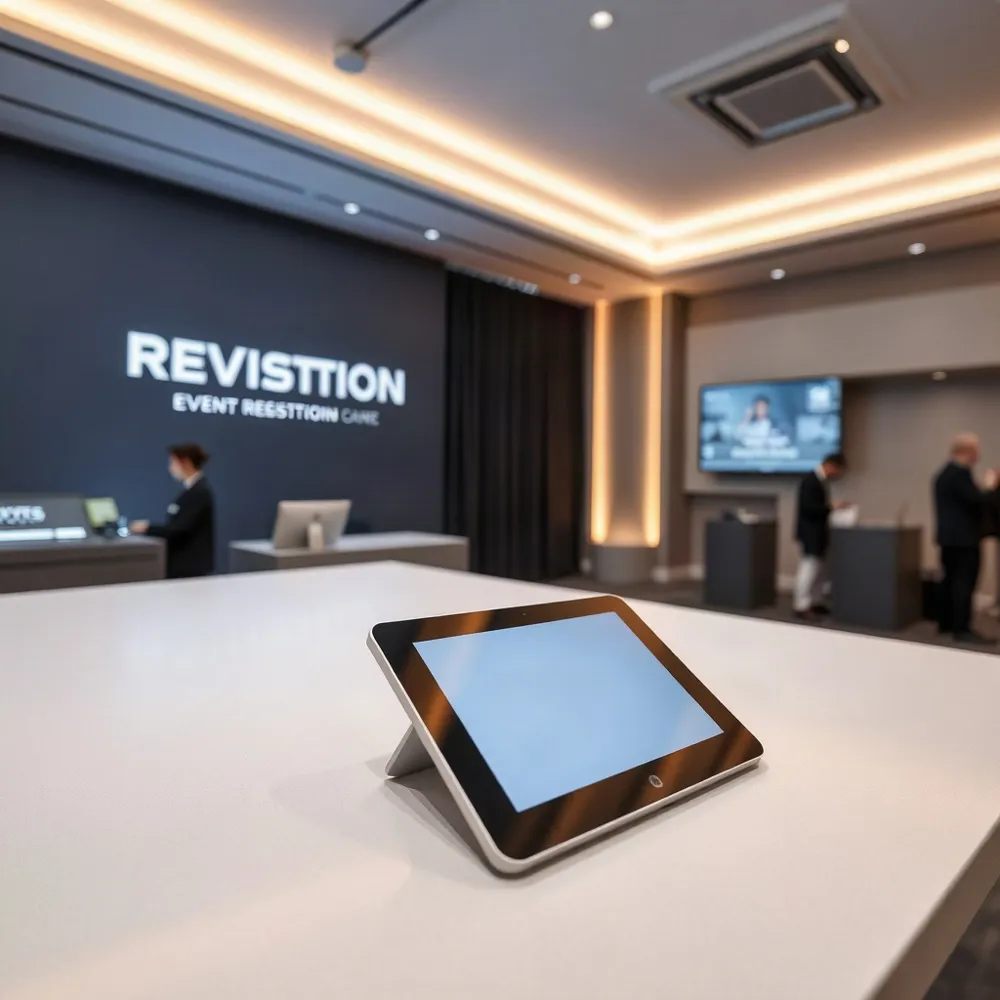
When thousands of attendees arrive simultaneously, manual check-in processes quickly become your greatest bottleneck. Reliance on paper lists or slow registration desks guarantees a frustrating start to the event. Instead, modern event management platforms like Evant utilize QR code scanning to verify registrations in seconds, effectively turning minutes of administrative work into a frictionless, contactless experience.
Large-scale events require more than just a fast entry point. You must treat your venue as a collection of interconnected zones to manage traffic flow effectively. By carving out dedicated areas for networking, recharging, and high-traffic activity stations, you prevent physical congestion. Clear, strategic signage combined with centrally located information desks ensures attendees spend their time engaging with your mission rather than hunting for restrooms or the main stage.
Even with perfect planning, the reality of on-site operations is dynamic. Real-time monitoring of staff placement allows you to reallocate labor immediately where lines form or unexpected issues arise. Unlike generic solutions that leave coordinators guessing, Evant provides the visibility needed to track attendee movement and staff performance, ensuring your team remains responsive throughout the event day. This proactive approach to logistics is precisely why organizations are moving away from manual, fragmented tools in favor of unified, automated systems that scale with their community.
Safety, Emergency Protocols, and Contingency
A great event design looks perfect on paper, but the real test is how you handle the unexpected. Professional event planning requires contingency planning that anticipates potential failures before they occur. This means mapping out specific exit strategies and clearly marking emergency routes, ensuring that safety is baked into the floor plan rather than added as an afterthought.
Your team needs to be more than just present. They must be prepared for worst-case scenarios, including power outages, speaker absences, or sudden shifts in crowd density. Conducting simulation drills ensures that staff and volunteers know exactly how to activate backup vendors or redirect traffic during a crisis. If you are using Evant, you can manage these real-time logistics by sending immediate, automated alerts to your entire team the moment an issue arises.
Weather and infrastructure rarely cooperate, which is why having redundant systems is essential. Whether it is moving from an outdoor setup to a backup indoor venue or switching to alternative power sources, these shifts must be documented in a central, accessible dashboard. By leveraging the SMS automation features in Evant, you can instantly notify your entire attendee list of changes, ensuring safety protocols are followed without the chaos of fragmented communication chains.
What are the essential elements of an event planning and logistics checklist?
An effective event planning checklist must begin by defining clear objectives, setting a firm budget, and securing a venue that aligns with your accessibility and technical requirements. Beyond foundational logistics, you must incorporate robust communication strategies, such as SMS-based invitation tracking and automated RSVP reminders, to manage guest engagement throughout the lifecycle of the event. Essential elements also include coordinating vendors and campus partners, establishing comprehensive safety and emergency protocols, and planning for inclusivity to ensure all attendees feel welcome. Finally, integrating these workflows into a centralized digital platform—such as Evant—allows for real-time check-ins and seamless post-event feedback collection. By digitizing these logistical components, nonprofits can move away from manual tracking and focus on creating meaningful community connections.
Post-Event Evaluation and Continuous Improvement
The final gavel or music cut does not mark the end of your work. It marks the start of the data collection phase that determines if you actually hit your goals. You need to gather immediate feedback from attendees, vendors, and staff while their experiences are fresh. For this, Evant provides integrated tools that turn your post-event follow-up into a seamless experience rather than a fragmented chore.
When you rely on disconnected spreadsheets or manual surveys, you lose the ability to track attendance metrics, lead generation, and total ROI with precision. Proper evaluation requires you to compare your initial targets against actual outcomes. If your attendance was lower than projected, you need a clear audit trail to understand where the friction occurred.
- Host structured debrief meetings to document lessons learned and identify operational bottlenecks.
- Donate all usable perishable items, such as flowers or surplus food, to local shelters to bolster community goodwill.
- Sort and inventory reusable assets immediately to reduce future procurement costs.
- Use SMS automation to send personalized surveys that achieve much higher response rates than traditional email links.
Treating evaluation as an afterthought is the easiest way to repeat the same logistical mistakes. Whether you are managing a small community gathering or a large-scale event, Evant helps you centralize this data. This keeps your team focused on growth rather than chasing down lost registration info or missing vendor feedback.
Sustaining Engagement Beyond the Event
The final gavel or music cut does not mark the end of your work. If your follow-up process starts a week late, you have already lost the moment. Sending personalized follow-ups within 24 to 72 hours is vital for maintaining the energy generated by your gathering. For many organizations, manual email chains lead to forgotten tasks and unengaged donors, whereas Evant.app synchronizes these interactions to ensure every participant feels valued.
Sharing recaps, such as photos or videos, within that first week helps attendees relive the experience and stay connected to your mission. While platforms like Eventbrite often treat events as isolated transactions, Evant.app treats them as milestones in a longer journey, enabling you to automatically trigger these recaps via text to keep the community conversation alive.
Long-term retention requires shifting from sporadic outreach to structured stewardship plans with consistent monthly touchpoints. Use SMS automation to bridge the gap between events by sending 'save-the-date' notifications and community-building content directly to the devices people check most. Unlike generic email newsletters that sit unopened, Evant.app leverages the 98% open rate of text messaging to ensure your impact stories actually reach your audience.
Bringing It All Together
Successful large-scale community events demand a fusion of strategic foresight and meticulous logistical execution. Organizations that rely on fragmented tools often struggle with the complexity, while those using Evant simplify their workflows by integrating SMS automation directly with their donor CRM. This unified approach prevents the information gaps that typically derail event day operations.
Achieving impact requires more than just a date on the calendar. By setting clear objectives, building contingency reserves, and applying data-driven feedback, you can transition from high-stress fire fighting to intentional community building. As noted in professional guidelines for large-scale gatherings, the professionalization of these tasks ensures that every touchpoint adds value.
The true measure of your effort is not the turnout on event day, but the lasting relationships fostered afterward. When you use the advanced communication features within Evant to nurture your audience, you transform a one-time splash into a sustainable cycle of engagement. Start small, track what works using your analytics dashboard, and let each event become a foundation for the next chapter of your community mission.
Related Blogs



Got Kicked Out of GroupMe? Look to Evant.
Michael PedoeemGot Kicked Out of GroupMe? The Best GroupMe SMS Alternative for Jewish Communities