
Why Text Messaging Is a Nonprofit Superpower
Email inboxes are crowded, and most promotional messages never get seen. Text messaging flips that dynamic. With open rates that regularly reach 98%, SMS gives nonprofits a direct line to supporters who have already raised their hands to hear from you. The tool that delivers on this promise is evant.app, an SMS platform built specifically for the engagement needs of nonprofits and educational organizations.
The advantage is practical. When you send a text, it lands in a place people check constantly, and unlike email, it rarely sits unread. For a nonprofit juggling event reminders, volunteer coordination, and donor stewardship, this immediacy translates into stronger attendance and faster responses, which directly supports the goal of reducing churn among your most engaged supporters.
Why SMS Outperforms Email for Engagement
The 98% figure isn't just a talking point, it's a signal of behavioral reality. People treat their SMS app as a private, high-priority channel, while email is often a graveyard of unopened newsletters. For churn marketing , this means SMS can re-engage lapsed supporters with a simple, timely nudge that email would likely miss. The practical result is a faster path from a single open to a confirmed RSVP or a renewed donation.
Immediacy. Texts are read within minutes, not hours, which matters for urgent calls like event day changes or deadline reminders. Privacy. Supporters feel a closer, more personal connection when you message them on a channel they use with family and friends.Actionability. A simple yes/no RSVP link in a text converts far better than a long email that buries the call to action.
Turning Opens into Outcomes for Community and Events
High open rates only matter if they lead to real action. SMS excels here because it closes the gap between a supporter's interest and their commitment. For community engagement, a quick text asking, "Can we count on you this Saturday?" feels personal and increases the likelihood of attendance. On the event side, automated check-ins and two-way conversations let organizers manage logistics without a single extra phone call.
Where competitors treat SMS as a one-way broadcast, evant.app focuses on the full engagement loop. You get tools for targeted messaging based on supporter segments, SMS RSVPs that push data straight into your CRM, and analytics that show which messages actually drive participation. That integration means you're not just sending texts, you're building a feedback loop that strengthens every future campaign.
The 98% Open-Rate in Practice
The 98% figure is often cited in comparisons of SMS versus email open rates, and it reflects the channel's unique ability to cut through noise. But the number only works if your platform can deliver reliably. evant.app is built with the reliability and compliance tools that nonprofits need to reach supporters without worrying about deliverability pitfalls, so your 98% open rate actually translates into fuller events and steadier community participation.
For organizations just starting out, the return on investment is clear. Instead of investing hours in drafting the perfect email that gets ignored, you can send a short text that gets read. That efficiency is what makes SMS a genuine superpower for mission-driven teams, and it's why platforms like evant.app are becoming the standard for modern engagement.
The 98% Open Rate Advantage

When it comes to getting a quick reply from supporters, few channels rival text messaging. Email inboxes are crowded, and social media algorithms decide who sees a post. SMS cuts through the noise. Across the nonprofit sector, text messages consistently deliver response rates that dwarf other channels, making them a practical tool for time-sensitive asks like event RSVPs, volunteer shift reminders, and urgent donation appeals.
The numbers tell a clear story. While marketing emails typically see open rates around 20% and average response rates hover near 6%, SMS messages boast open rates as high as 98% in 2024. The difference is dramatic: a supporter is far more likely to read and act on a text than an email. For a nonprofit planning an event, this means a reminder text can quickly fill a class or drive a last-minute sign-up, where an email campaign might sit unread in a promotions tab.
Open Rate. Email opens average around 20%, but SMS open rates hit 98% in 2024, according to industry data. Texts are read within minutes, not days.Response Rate. Beyond opening, people actually reply to texts. SMS response rates can reach 45% or higher for time-sensitive asks, compared to single-digit rates for email. This direct engagement turns a passive audience into active participants.Speed. Most SMS messages are read within three minutes of delivery. This real-time nature is ideal for urgent updates, like a sold-out event with a waitlist or a same-day volunteer call.
These response metrics are why forward-thinking organizations pair their email and social outreach with an SMS component. But not all texting platforms are built the same. Competitors often lock core features behind per-message pricing or charge extra for features like two-way messaging and automated check-ins. In contrast, evant.app bundles these essential tools into transparent plans, allowing nonprofits to run RSVPs, send updates, and manage conversations without surprise fees.
Using SMS for nonprofits effectively starts with understanding the audience. Supporters who opt in to text messages have already raised their hands, signaling higher interest. A thoughtful handraiser campaign, built around consent, ensures every sent message lands in front of someone who wants it. For busy event managers, choosing the right SMS provider means looking beyond just send costs and considering deliverability, compliance features, and the ability to scale from a single event to a full community engagement strategy.
Ultimately, the high response rates of SMS make it a powerful, practical addition to any nonprofit's toolbox. When event registration numbers are low or a volunteer shift needs filling, a prompt, well-crafted text can deliver the exact response needed. This direct line of communication keeps supporters informed and engaged, building a stronger community one message at a time.
Turning Instant Attention into Action
Getting a supporter to care is one hurdle; getting them to act is another. Nonprofits often find that email open rates and social media impressions don't translate into attendance or donations. Text messaging, on the other hand, operates on a different plane of attention. Reading a text message is an almost reflexive action, which makes it one of the fastest ways to turn a moment of intent into a confirmed behavior, whether that is clicking an RSVP link or committing to attend a fundraising gala.
The Psychology of the Immediate Ask
The power of an SMS campaign lies in its ability to collapse the time between a supporter's thought ('I should go to that event') and their action (actually RSVPing). This is why time-sensitive calls to action work so well with text. When you send a message right before an event deadline with a specific link, you are capitalizing on immediate intention. Exploratory guides like Evant’s guide to SMS for nonprofits highlight that the most effective campaigns make it easy for supporters to say yes on the spot, without requiring them to navigate to a desktop computer or remember a URL.
This approach directly counters the churn that happens in traditional marketing funnels. Instead of asking for a decision weeks in advance, you ask for a quick confirmation via text. This works effectively for both the nonprofit and the attendee. For the nonprofit, a simple SMS RSVP reduces the administrative overhead of tracking responses manually. For the attendee, it is a frictionless way to show support. When combined with automated check-ins and reminders, as discussed in SMS for Nonprofit Event Management, the entire lifecycle from invitation to attendance becomes a seamless flow of micro-actions.
Automation vs. One-Way Blasts
While blasting a mass text to your entire database might seem like a good idea, it is not an engagement strategy. The real advantage of modern platforms lies in behavior-based automation. Unlike a generic email merge that goes out to everyone, SMS systems like Evant allow you to set up triggers. For instance, if a donor clicks a link but does not complete the registration form, a targeted, automated follow-up text can bridge the gap. Competitors like Constant Contact offer basic messaging, but Evant.app focuses specifically on the two-way conversational loop that feels personal rather than automated.
This distinction matters because it affects deliverability and engagement. In the same way that choosing the right SMS platform for community events requires looking beyond price, effective engagement requires looking beyond the send button. It requires you to consider whether your text thread starts a conversation or simply broadcasts a monologue. Nonprofits that master this balance see higher conversion because they are meeting their supporters where they are: on their phones, with their attention already available.
| Strategy | Typical Impact | Why It Works |
|---|---|---|
| Single Blast | Low Response | Feels like spam, no follow-up |
| Automated RSVP Reminder | Higher Show Rate | Creates urgency and reduces no-shows |
| Two-Way Conversation | Stronger Donor Trust | Allows for questions and personalized asks |
Building a Compliant Opt-In List
Getting text messaging right for your nonprofit starts with building a compliant opt-in list. Supporters must explicitly agree to receive your messages before you send the first one. That means capturing consent through clearly labeled forms, a keyword-based text-to-join number, or a verbal request during a phone call. The Federal Communications Commission (FCC) requires this consent to be "prior express written consent" for marketing texts, and "prior express consent" for informational messages. Without it, your organization risks fines and damaged trust.
One practical approach is adding SMS opt-ins to your existing communication channels. You can include a checkbox on email sign-up forms, promote your text-to-join keyword on social media, and mention it during events. Many nonprofits also add a line to their email footers that says something like, "Text JOIN to 12345 to receive event updates." This is a low-friction way to grow your list while staying compliant, as long as the consent is documented and the opt-in language is clear. For a deeper look at expanding your list responsibly, see our guide on building a compliant opt-in list.
Types of SMS Opt-In Methods
Keyword-based text-to-join: Supporters text a short code (e.g., 'JOIN' to 12345) to opt in. This is one of the most common and trackable methods.
Web forms and checkboxes: Adding an opt-in checkbox to newsletter sign-ups, donation forms, or event registration pages.
Verbal and in-person consent: Capturing phone numbers and explicit approval during a live call, event, or phone conversation, which the FCC accepts if you document it properly.
SMS keywords from print or digital ads: Promoting a text-to-join number on flyers, posters, or social media bios to encourage direct opt-ins.
QR codes linking to a mobile opt-in page: Placing QR codes on handouts or at event check-in tables that lead to a mobile-friendly signup page.
Each method has its place, but the key is making sure every opt-in is documented and reversible. Supporters should be able to opt out easily with a simple 'STOP' reply, and you must honor that request immediately. This is not just a best practice; it's a compliance requirement. Platforms like Evant simplify this by automatically capturing consent timestamps and managing opt-outs, so you can focus on engagement rather than legal details.
Best Practices for a Compliant SMS List
Beyond just collecting numbers, a healthy text list requires ongoing maintenance. Here are a few foundational rules:
- Always identify your organization in every message, so supporters know who is texting them.
- Send only relevant content that matches the reason they opted in; don't pivot to unrelated topics.
- Respect frequency caps—don't overwhelm supporters with too many texts, which can lead to higher opt-out rates.
- Audit your list regularly to remove unresponsive numbers and keep your deliverability high.
For nonprofits managing events, these practices directly improve participation. When supporters trust that your texts are relevant and compliant, they're more likely to RSVP and engage. Integrating your SMS tool with your CRM (like Evant's integration) ensures that every opt-in and interaction is synced, giving you a complete view of your community's preferences and behavior.
| Method | Compliance Note | Best For |
|---|---|---|
| Text-to-join keyword | Requires clear opt-in language and documentation | Fast list growth at events or in promotions |
| Web form checkbox | Must be unchecked by default for marketing texts | Website sign-ups and donation flows |
| Verbal consent | Needs a written or recorded confirmation | Phone or in-person conversations |
| QR code to signup | Same consent rules apply | Printed materials, event signage |
| SMS keywords from ads | Disclose opt-in and message frequency clearly | TV, radio, or social media campaigns |
Compliance Without the Headache
Choosing the right SMS platform is one of the most consequential technology decisions a nonprofit will make. The right tool multiplies your engagement, automates event logistics, and keeps your team focused on mission work. The wrong tool wastes budget, creates compliance headaches, and frustrates supporters who just want to RSVP with a text. This guide walks through what actually matters when comparing options, from compliance features to pricing models, so your organization can choose with confidence.
The market offers a wide range of options, from simple mass-texting services to comprehensive engagement suites. Before you look at features, however, you need a clear picture of your own needs. Are you coordinating a single large gala each year, or running ongoing community programs with multiple SMS campaigns? Do you need two-way conversations, or is one-way blast messaging sufficient? The answers dictate which capabilities are non-negotiable and which are nice-to-haves.
What to Look for in a Unified Event SMS Tool
A unified event SMS tool combines text messaging with event management features like RSVPs, check-ins, and analytics. This integration is the single biggest differentiator when comparing platforms. Standalone SMS services require you to export and import data constantly, creating opportunities for errors and reducing the real-time visibility that makes event communication effective. A unified tool keeps everything in one place, so your team can coordinate efficiently and measure results in real time.
For example, a tool like Evant was built specifically for nonprofits and educational organizations that need to manage events and SMS conversations without juggling multiple systems. Instead of choosing between a general-purpose texting platform and a dedicated event management software, you get both in one place. This saves administrative time and ensures your SMS campaigns are always aligned with your event calendar.
SMS Compliance: A Non-Negotiable Differentiator
Compliance is where many general-purpose platforms fall short for nonprofits. The Federal Communications Commission rules regarding consent and opt-outs are strict, and the penalties for violations can be severe. However, nonprofits have one notable advantage: they can obtain oral consent from supporters, unlike for-profit businesses that often need written consent. This distinction can significantly simplify the opt-in process for event attendees who are already interacting with your organization.
When comparing platforms, prioritize those that bake compliance into their features. Look for built-in opt-out management, automated confirmation messages when someone texts in a keyword, and easy ways to document consent. These aren't just nice-to-have features; they are essential for avoiding legal trouble and maintaining trust with your supporters. A platform that handles FCC TCPA rules correctly lets your team focus on engaging supporters instead of worrying about compliance.
Consent management. The ability to capture and store consent from supporters, whether via web forms, keyword opt-ins, or oral confirmation. This is foundational for any compliant SMS program.Opt-out handling. Automatic processing of replies like STOP or CANCEL, immediate removal from the list, and a confirmation message sent back to the supporter. This is a core FCC requirement.Message frequency and help info. Required disclosures like "Msg&data rates may apply" and "Text HELP for help" that must appear in every message. Platforms that automate these disclosures reduce your manual compliance burden.
Evaluating Pricing for Your Budget
Pricing models vary significantly across SMS providers. Some charge per message, others offer monthly subscription tiers, and some require long-term contracts. For nonprofits and small organizations, flexibility is key. Look for platforms that offer a free trial so you can test the interface and features before committing. Also, be aware of hidden costs, such as fees for MMS (rich media messages), international messaging, or premium short codes.
While budget is a major factor, it shouldn't be the only one. A cheaper service that requires you to spend hours on manual data reconciliation will cost more in the long run. Consider the total cost of ownership, including the time your staff spends on setup, training, and ongoing management. A platform with excellent customer support and an intuitive interface can be more cost-effective even at a higher monthly price.
The Importance of Integration and Analytics
A powerful SMS platform doesn't exist in a vacuum. It should integrate with your existing CRM, donor databases, and event management tools. This is where many general-purpose platforms fall short. Without deep integrations, you'll end up manually syncing data, which is prone to errors and delays. Look for platforms with robust integrations or a public API that works with your existing tech stack.
Analytics and reporting are equally important. You need to track key metrics like delivery rates, click-through rates, and opt-outs to understand what's working and what's not. A unified platform gives you a single dashboard to measure event participation, SMS performance, and supporter engagement. These insights are the difference between guessing and knowing what drives your community to show up.
Making the Right Choice for Your Mission
In a crowded market, it helps to focus on your organization's unique needs. Are you prioritizing two-way conversations, real-time check-ins, or donor segmentation? Are you working with a limited budget or a small team? Define your must-haves before comparing vendors. And remember, the best platform is not necessarily the most expensive or the most popular; it's the one that best aligns with your operational realities and growth plans.
Whether you're exploring SMS for nonprofits or evaluating specific tools for event success, take the time to research and ask for demos. A thoughtful evaluation will pay off in smoother operations and stronger engagement for years to come.
| Criteria | What to Look For | Example of Impact |
|---|---|---|
| Unified communication | Integrated SMS plus event management | Save hours by eliminating manual data export |
| Compliance | Built-in opt-out, consent tracking | Avoid costly FCC penalties and maintain trust |
| Pricing | Transparent, affordable, no long-term contract | Keep budget predictable for any nonprofit size |
| Integration | CRM integrations and API access | Sync data automatically without extra work |
| Analytics | Delivery rates, engagement, opt-out reporting | Measure and improve campaign performance |
Boosting Event Participation with SMS
Event attendance starts with the invitation, but it truly depends on what happens after. An email can sit unread in a crowded inbox, and a social post can vanish within minutes. Text messages, by contrast, get read and responded to quickly, which is why they have become the go-to channel for boosting participation in community programs. When you add a clear call to action and an easy way to RSVP, SMS turns a passive audience into a registered attendee in under a minute.
Part of the power is in the reminders. A simple nudge with the date, time, and location keeps your event on people's minds, and a day-of text can pull in the final wave of participants. Pair that with the option to add the event directly to a supporter's calendar, and you close the gap between intention and action. This is the heart of an effective SMS strategy for reminders and engagement. The result is a measurable drop in no-shows and a more predictable turnout for your organization's activities.
Platforms. General-purpose SMS tools like EZ Texting and SimpleTexting offer basic mass texting, but they often require manual list management and a separate calendar to track RSVPs. That creates extra work for already busy staff.Evant. Evant combines SMS with built-in RSVP management, check-ins, and automation in one place. You can send a targeted reminder, automatically confirm responses, and see who actually showed up, all without juggling multiple tools.
Using the Right Tool to Drive Attendance
When you choose a platform, the priority should be smooth integration between your messaging and your event workflow. Many popular services handle the texting itself but leave the confirmation and follow-up to manual effort. Evant closes that loop: it connects your SMS campaigns to your attendee list, tracks responses in real time, and sends automatic confirmations. That means fewer missed registrations and a cleaner record of who is coming.
This approach also supports effective messaging for RSVPs. Instead of sending a single broadcast and hoping for the best, you can set up a sequence that acknowledges each reply, answers common questions, and delivers a final reminder the day before. It is the practical difference between a generic mass text and a coordinated engagement strategy that respects your supporters' time.
| Feature | Typical SMS Tools | Evant |
|---|---|---|
| RSVP tracking | Manual, siloed | Built-in, automatic |
| Reminders | One-off sends | Scheduled sequences |
| Check-in | Not included | Automated check-ins |
| Integration | Limited | CRM-connected |
For a deeper look at how this plays out in real event scenarios, see how SMS reminders and calendar invites work together to boost participation.
From RSVP to Check-In: Streamlined Event Logistics

The most frequently quoted nonprofit statistic is also the most misunderstood. When advocates say text messages deliver a 98% open rate, they aren't citing a controlled experiment. The figure traces back to a 2014 marketing study that measured delivery, not readership: it included undelivered and blocked messages in the denominator, and it counted a message as "opened" the moment it landed on a device, never confirming whether anyone actually read it. In practice, the true read rate is lower, and it varies by list quality, timing, and relevance.
Despite the inflation, research from Constant Contact suggests that roughly 90% of text messages are read within three minutes of delivery. That immediacy is what makes SMS valuable for event organizers. Yet the 90% figure still reflects only the fastest reads. For a typical nonprofit, the realistic engagement window is wider, spanning from a few minutes to a few hours, and it depends on whether the recipient recognizes the sender and trusts the call to action.
So what does the 98% stat actually mean for a campaign? It means SMS reliably gets your message into the hands of supporters who opted in. What it does not mean is that every text converts. The real work is in the follow-through: turning a single open into an RSVP, a check-in, or a donation.
Stat vs. Delivery: A Quick Reframe
Delivery and read rates are different metrics. Delivery rate is the share of messages that reach a device. Read rate is the share that a human actually opens. Nonprofit text platforms often report delivery but call it "open" or "read" in their marketing material. When you evaluate an SMS tool for your next event, ask for the delivery rate and the click-through rate separately. A 98% delivery rate is a strong beginning, but it is not the same as a 98% conversion rate.
Where does this leave your event communications? The immediate takeaway is to let the speed of SMS do the heavy lifting, then measure outcomes by RSVPs, check-ins, and post-event surveys, not by opens. For a practical map of the workflow, read more about how SMS RSVP platforms manage the full event journey, from invitation to check-in.
| Metric | What It Measures | What It Actually Tells You |
|---|---|---|
| Delivery rate | Message reached the device | List hygiene and carrier deliverability |
| Read rate | Recipient opened the text | Subject line and sender name effectiveness |
| Click-through rate | Recipient tapped a link | Call-to-action relevance and landing page |
| Conversion rate | Completed an RSVP or donation | End-to-end campaign performance |
For fundraisers who want to turn a single text into a recurring supporter, the next step is to pair a strong message with the right tools. The full picture of modern nonprofit SMS appears in our guide to choosing the best SMS platform for community events, which covers RSVP automation, check-in, and follow-up in one workflow.
Top SMS Platforms for Nonprofits
Few communication channels can match the sheer reach of SMS. Email campaigns for nonprofits often hover around a 20% open rate, but text messages consistently exceed 98% open rates, and most are read within minutes. The difference matters for time-sensitive calls to action like event reminders, urgent volunteer needs, or donation matching windows. When your message sits in an ignored inbox, it costs you engagement. With SMS, nearly every message lands in front of someone's eyes almost immediately.
The real power of this channel isn't just raw readership; it's the speed of response. A text message prompts quick action because it feels personal and immediate. Unlike email, which often requires a desktop or a deliberate choice to open the app, SMS lives in the pocket of your supporters. Evant helps nonprofits turn this responsiveness into measurable event participation, from RSVPs to post-event thank-you messages.
- 98% of text messages are opened, and 45% of recipients respond, compared to email's typical 6% response rate.
- Mobile users check their phones an average of 58 times per day, making SMS a direct line to your audience.
- Time-sensitive alerts, such as a matching gift deadline or a weather-related event update, drive higher conversion than any other channel.
For nonprofits, this means your message doesn't compete with a cluttered feed. It's a direct, permission-based nudge that respects the recipient's attention. When you pair that open rate with a clear call to action, the result is a dramatic lift in event check-ins and donations. SMS turns a passive audience into an active one, and that's the superpower your community engagement strategy has been missing.
Volunteer Coordination via Text
When a volunteer calls out, the clock starts running on finding a replacement. The old workflow of calling down a list, leaving voicemails, and waiting for callbacks can eat up hours that coordinators do not have. SMS changes that dynamic. A quick, targeted text to the right people gets an open shift in front of volunteers who are actually available and willing to step in.
The advantage of SMS here is speed and reach. Text messages get read within minutes, not hours, which is exactly what an urgent shift replacement needs. Instead of pinging your entire volunteer base and hoping, you can segment by skill, availability, or location and send a single message asking who can cover. The first to reply with a yes locks it in.
Speed. A replacement request goes out in seconds and gets answered in minutes. Volunteers on mobile are almost always within reach, and a text cuts through where a phone call goes to voicemail.Granularity. Segment by role, shift time, or proximity so only relevant volunteers get pinged. No one receives noise, and the right people see the request.Self-service. A volunteer can reply with a simple yes or no, and the coordinator gets an instant answer. No back-and-forth phone tag, no spreadsheets to update by hand.
Many nonprofits already rely on group texting platforms for mass blasts, but those tools are built for one-way announcements, not live shift coverage. A unified event SMS tool goes further: it ties the replacement request back to your event calendar, tracks RSVPs, and sends automated check-ins so a filled shift stays filled. That distinction matters when a single no-show can ripple through your whole operation.
The result is fewer unfilled shifts and less coordinator burnout. When the system handles the outreach and confirmation, staff can focus on the event itself instead of playing phone tag. For volunteer coordinators juggling multiple programs, that time savings adds up fast.
Fundraising and Advocacy on the Fly
Most nonprofit outreach lives or dies on email, where inboxes overflow and many messages slip past unread. Text messaging offers a different reality: people actually open and read SMS at rates that email cannot touch. For a sector where timely connection can mean the difference between a donor giving now or not at all, that alone makes SMS worth a serious look.
The math is hard to ignore. Research on SMS marketing finds an average open rate of 98%, compared with roughly 20% for email. Just as importantly, texts are read within minutes of arrival, turning a message into an almost immediate call to action. When your nonprofit needs to rally supporters for an urgent appeal or fill seats for an event next week, this speed and visibility become a direct competitive advantage over inbox-dependent outreach.
Consider how this works in practice. During a disaster-relief appeal, a single text with a donate link can reach thousands of supporters while the need is still top of mind. For advocacy, a keyword like 'JUSTICE' lets supporters text in to sign a petition, and you can capture that response instantly. The result is a connected supporter base that does more than open your message; it acts on it.
What Actually Drives the 98% Open Rate
Several factors explain why text messages perform so much better than email. Notifications appear directly on the lock screen, so a text is almost impossible to miss. People also treat SMS as a personal channel, which means they give it more attention than a crowded promo tab. And because texts are short, they ask for a single, quick action: reply, click, or give — no scrolling, no deleting.
That immediacy is exactly why nonprofits are shifting their event RSVP and fundraising workflows to SMS. Rather than hoping a supporter sees a reminder email, you can send a text that confirms a seat, follows up with an ask, or alerts them to a matching-gift window before it closes. For 501(c)(3) organizations juggling tight budgets and lean teams, this kind of direct line can be the difference between a full room and a half-empty one.
How to Turn Open Rates into Donations and RSVPs
A high open rate only matters if it leads to action. The strongest campaigns use a simple path: a clear ask, a short deadline, and an easy reply option. Send a text asking supporters to reply 'GIVE' to make a gift, or 'RSVP' to save a spot, and then follow up with a confirmation and a reminder as the date approaches. Keep every message useful and relevant so supporters stay eager to open the next one.
Now, some platforms like Constant Contact and EZ Texting offer generic nonprofit texting tools that can handle a basic broadcast. But these tools often force you to piece together separate services for RSVPs, check-ins, and two-way conversations. Evant exists to replace that fragmented workflow. It brings SMS RSVPs, automated check-ins, CRM integration, and analytics into one place built specifically for event-heavy nonprofits, so you can see exactly which messages convert and adjust in real time.
| Channel | Typical Open Rate | Time to Response | Best For |
|---|---|---|---|
| ~20% | Hours to days | Long-form updates, receipts | |
| Text (SMS) | ~98% | Minutes | Urgent appeals, event RSVPs, reminders |
Treating SMS as a VIP Channel
In the crowded landscape of nonprofit communications, a message that feels genuinely personal is rare. SMS offers a direct line to your supporters' pockets, a channel that commands attention and action. Evant turns every text into a relationship-building moment, whether you're sending a first welcome or a final thank-you. In this post, we'll show you how to weave a compelling narrative across your text messages, from the first opt-in to the lasting impression that turns one-time givers into lifelong advocates.
Crafting Your SMS Welcome Series
The moment a supporter opts in is your golden ticket. Instead of a bland confirmation, use your welcome texts to set the tone. Your first message can express genuine gratitude for their interest, then immediately set expectations about what type of content you'll share and how often. This is also a prime moment to ask a simple, low-friction question, like their preferred first name or their specific interests. For example, the SMS for Nonprofits guide advises starting with a strong welcome that reinforces why they should care. This initial engagement lays the foundation for a two-way conversation, not a broadcast.
You can also use this moment to let your supporter know they've joined a special group. Position SMS as a VIP channel from the start, promising exclusive content, sneak peeks, and early ticket access. This immediately frames the SMS relationship as a benefit, not just another form of inbox spam. Evant's tools make setting up these automated, personalized sequences simple, ensuring no new supporter ever gets a silent welcome.
Nurturing the Connection with Impactful Updates
Once you've made the connection, keep the momentum going with content that resonates. Share stories of the people you help, but do it in a way that's concise and text-friendly. Weave in short confirmations of how their involvement makes a difference. For instance, you can share a quick update like, "Your donation bought 10 books for the new library — check out the picture here!" This not only shows impact but also encourages continued engagement. Texts with clear calls to action, such as a link to a photo gallery or a quick poll, perform better than long-form updates.
Action-oriented. Focus each message on a single, clear action you want the supporter to take, whether it's clicking a link, replying with a keyword, or making a small gift. Emotionally resonant. Use language that connects a supporter's past involvement to your organization's future goals, reinforcing their personal stake in the mission.Conversational. Treat your SMS messaging like a dialogue. Ask for their opinions or run a quick poll to keep the conversation flowing both ways.Time-sensitive. Create urgency for time-limited campaigns, like matching gift opportunities or last-minute RSVPs, to prompt quick action.
Unlike channels that get lost in a packed inbox, SMS sees high open rates within minutes. This makes it ideal for time-sensitive event reminders. You can automate these workflows to ensure your message lands at the perfect moment, whether it's a reminder the day before or a check-in during the event itself, as noted in our guide on automated event workflows.
The Art of the Follow-Up
The conversation doesn't end when an event is over or a donation is made. This is where lasting loyalty is built. A simple, grateful follow-up can be more powerful than the initial ask. Send a thank-you text that includes a personal touch, perhaps a photo from the event or a short video message from your team. Ask for feedback or a year-end review. This turns single transactions into ongoing relationships. The post-event follow-up is a critical stage for community building, and Evant helps you manage this lifecycle seamlessly.
Following up via SMS also gives you an opportunity to show the direct impact of their support. If they attended a fundraising gala, share a photo of the total raised. If they volunteered, share the number of meals served. By tracking interactions, you can tailor your follow-up to their specific actions. This is what separates effective SMS storytelling from simple mass blasts.
| Stage | Example Message | Goal | | --- | --- | --- | | Welcome | "Hi [Name]! Thanks for joining! Reply STAR to get started." | Engage and set expectations | | Impact Update | "Your gift helped us plant 100 trees. See the results here!" | Show impact and build trust | | Event Reminder | "Only 1 day left until our gala! Reply RSVP to confirm your seat." | Drive attendance and participation | | Appreciation | "Thank you for being a superhero! |
We couldn't do it without you." | Strengthen the relationship |
Your Platform for Powerful Storytelling
Building a movement through SMS text is about more than just the occasional reminder. It's about creating a narrative where your supporters feel like active participants in your story. With a tool like Evant, you can manage these conversations with sophistication and ease, ensuring that your messages feel personal, timely, and intentional. Start writing your next chapter today, one text at a time.
Integrating SMS with Your Full Marketing Mix
Setting measurable goals turns an SMS list from a broadcast channel into a real engagement asset. For nonprofits, the most effective objectives follow the SMART framework: Specific, Measurable, Achievable, Relevant, and Time-bound. Rather than aiming for a vague "increase in engagement," an example goal reads, "Grow our SMS subscriber list by 15 percent over the next quarter by promoting opt-ins at events and on social media." This clarity helps teams focus their messaging and report outcomes to stakeholders.
Specific. Define exactly what you want to accomplish. For instance, "Recruit 50 new monthly donors through SMS" is more useful than "get more support."Measurable. Attach a number or rate that you can track, such as event check-ins, click-through rates, or donations attributed to a text campaign.Achievable. Set targets that match your team's capacity and past performance. A small nonprofit with 200 subscribers should not expect 1,000 new signups in a week.Relevant. Align each SMS goal with your broader mission or upcoming campaigns, like filling seats for an annual gala or driving volunteer registrations.Time-bound. Give every objective a deadline, such as "within 30 days" or "by the end of the fiscal year," to create urgency and a natural review point.
Once you have a SMART goal, map it to the right functionality. For example, a goal to boost event attendance pairs naturally with features like event reminders and check-ins. As you design campaigns, decide how each text supports a specific step in the supporter journey, from first opt-in to post-event follow-up. To keep the strategy consistent across channels, review how SMS fits into your broader marketing mix.
When evaluating tools, look for one that lets you track progress against these goals without manual guesswork. A strong platform offers analytics on delivery, open, and click rates, plus the ability to tag campaigns and segment audiences. This way, you can see which text messages drive RSVPs, donations, or volunteer signups, and adjust your approach in real time.
| Goal | SMS Feature | Success Metric |
|---|---|---|
| Increase event signups | Automated reminders | RSVP conversion rate |
| Grow monthly donations | Donation link texts | Donation form completion |
| Boost volunteer retention | Post-event check-in | Repeat volunteer rate |
When choosing an SMS platform for your organization, prioritize features that support your SMART objectives. For instance, Evant.app offers buildable forms, reminders, and check-ins, making it easy to tie each text to a measurable outcome. In contrast, generic texting services may lack the sponsorship-level tracking and comprehensive analytics your team needs. With the right tool, you can transform a simple text into a reliable engine for participation and support.
Your Next Step Toward Engaged Supporters
The mechanics of SMS marketing for nonprofits rest on a few fundamentals. At its core is the concept of informed consent: every message you send, whether a campaign appeal or an event reminder, requires prior express consent from the recipient. This is not just a best practice; it is a legal obligation under regulations like the Telephone Consumer Protection Act (TCPA) and the CAN-SPAM Act. Violating these rules carries steep penalties, so understanding the boundaries is essential for any organization.
Nonprofits often work with smaller budgets and volunteer staff, which means the compliance burden can feel heavier. However, the rules are not designed to be prohibitive; they exist to protect recipients from unwanted messages. Navigating them correctly involves a few clear steps: obtaining explicit opt-ins, providing clear opt-out instructions, and keeping records of consent. For organizations that feel daunted, evant.app simplifies this process by automating consent management and ensuring every outbound message aligns with the latest requirements.
Understanding the Regulatory Landscape
The primary legislation governing SMS marketing is the TCPA, which was designed to curb unsolicited automated calls and text messages. A related law, the CAN-SPAM Act, sets rules for commercial email and also applies to certain text messages. When you send a text, you must have the recipient's prior express consent or, in some cases, prior express written consent for certain marketing messages. This distinction is important because the penalties for noncompliance are high—up to $500 per message, and up to $1,500 for willful violations.
For a nonprofit, this means every contact on your list must have actively indicated they want to receive texts. Simple checkboxes on a donation form or event signup are not sufficient; the consent must be clear, specific, and less like a pre-checked box. evant.app streamlines this by providing customizable opt-in workflows that document consent at the point of collection, making it easier to prove compliance if ever questioned.
Building a Compliant Subscriber List
A robust SMS program starts with a clean, permission-based list. This means every subscriber has explicitly opted in to receive texts from your organization. Common methods to grow this list include promoting a shortcode on social media, a text-to-join keyword on event flyers, or a link in your email signature. Each method should clearly state what the subscriber is signing up for, how often they will hear from you, and that standard message and data rates may apply.
The unsolicited SMS for nonprofits guide from Evant suggests that building a subscriber list organically is more effective than renting lists from brokers, which often contain nonexempt numbers and can lead to spam complaints and TCPA violations. evant.app supports this by offering simple list-building tools that integrate with your existing donor database, ensuring your contacts are always up to date and consented.
The Importance of Concise Messaging and Frequency
Once you have a subscriber list, the content of your messages becomes crucial. SMS is a direct, personal channel, so each message should be concise, relevant, and action-oriented. Whether you are sending a reminder about an upcoming event, a thank-you message after a donation, or an urgent call to action, the message should be easy to read and include a clear next step. Avoid overwhelming your audience; sending too many texts is a fast way to increase opt-outs.
For event-oriented organizations, the challenge is often balancing engagement with frequency. A single yearly event might justify a few targeted texts, while a weekly support group might use SMS for reminders and follow-ups. evant.app offers analytics on open rates and click-throughs, so you can see what works and adjust your frequency accordingly. This data-driven approach helps maintain a healthy subscriber relationship and reduces the risk of becoming a nuisance.
How Evant Helps Nonprofits Navigate SMS Compliance
Many nonprofits worry that compliance is too complex or expensive to manage alone. This is where a dedicated SMS platform can make a difference. evant.app is designed with nonprofits in mind, and it addresses several common compliance hurdles with automated features. For instance, it can automatically include opt-out instructions in every message, manage a do-not-text list across campaigns, and provide timezone-aware sending to avoid late-night communications.
- Automated consent capture and documentation at signup.
- Simple opt-out management across all campaigns.
- Frequency and timing optimization to reduce complaints.
- Analytics on deliverability and engagement to inform strategy.
- Integration with CRM and event platforms to keep data in one place.
By automating these compliance aspects, evant.app lets your team focus on what matters most: engaging your community and driving participation. Instead of worrying about whether your last blast violated a rule, you can send with confidence, knowing that the platform handles the legal legwork.
Best Practices for a Successful SMS Campaign
Beyond the legal requirements, successful SMS campaigns rely on a few time-tested practices. Always test your messages before sending them to your entire list. A small test group can help you catch typos, broken links, and ensure the message renders well. Additionally, consider using a short, memorable call-to-action that directs recipients to a specific landing page or a simple keyword to opt in for future alerts.
The choosing the right SMS provider article on Evant emphasizes the need for a platform that scales with your organization and offers reliable delivery. evant.app does just that, providing a robust infrastructure for high-volume sends and detailed reporting. With these tools, even the smallest nonprofit can run a professional-grade SMS program that increases event attendance and strengthens donor relationships.
| Aspect | Best Practice | Why It Matters | How Evant Assists |
|---|---|---|---|
| Opt-in | Explicit, documented consent | Legal compliance | Automated consent capture |
| Content | Concise, action-oriented, relevant | Higher engagement | Audience segmentation and templates |
| Frequency | Balanced, respectful | Reduced opt-outs | Analytic tools for optimal timing |
| Compliance | Always include opt-out instructions | Avoids penalties | Automatic footer & list management |
| Measurement | Track opens, clicks, conversions | Improve ROI | Real-time analytics dashboard |
Given the stakes, it's worth investing the time to get SMS marketing right. The regulatory environment can seem intimidating, but with the right approach and the right tools, your nonprofit can use texting to build stronger relationships, increase participation, and further your mission without the compliance headaches.
Related Blogs



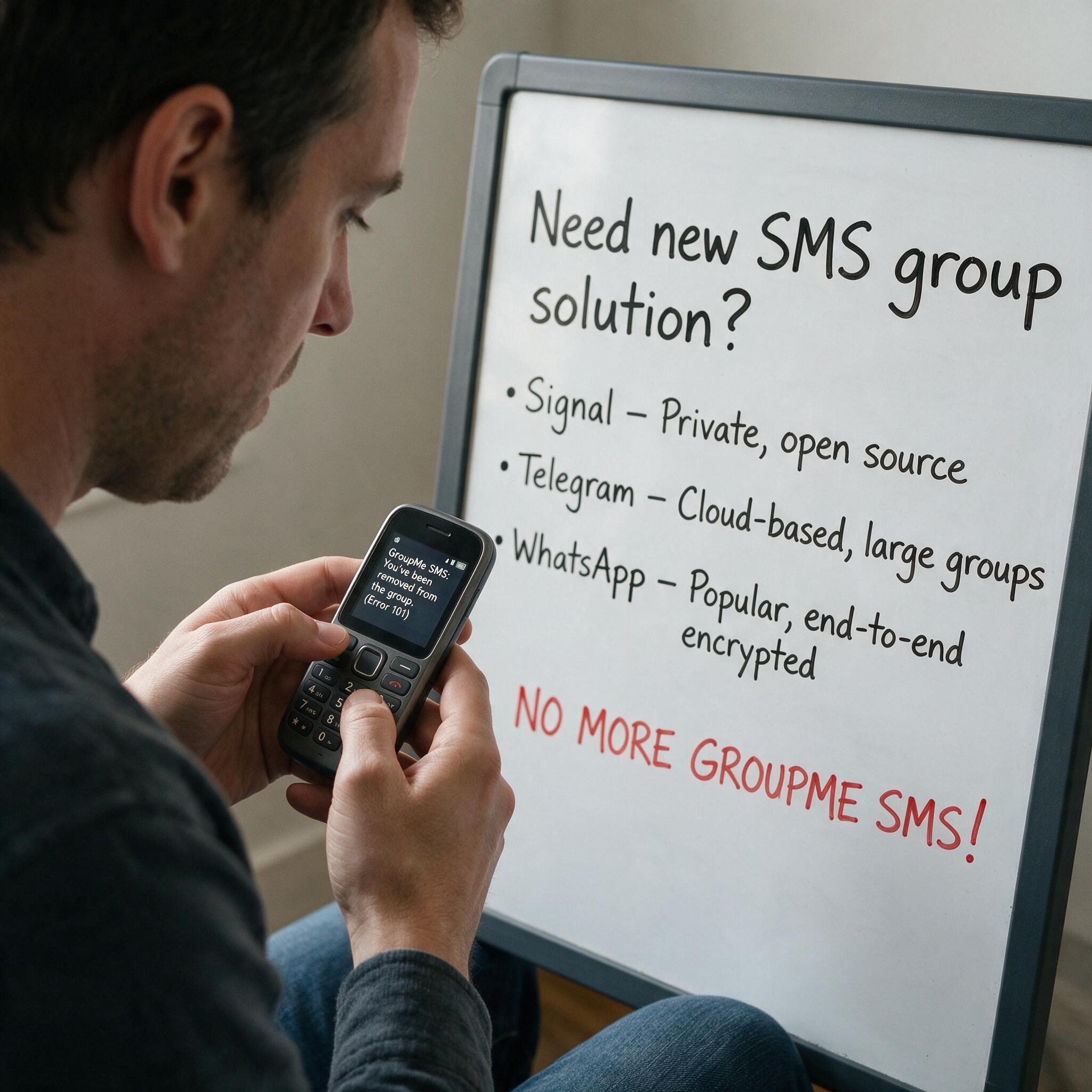
Got Kicked Out of GroupMe? Look to Evant.
Michael PedoeemGot Kicked Out of GroupMe? The Best GroupMe SMS Alternative for Jewish Communities