
The Open Rate Gap That Changes Everything
When a community event depends on attendance, every unread message is a risk. Email inboxes are crowded, and a typical campaign sees open rates around 20%. SMS, by contrast, achieves an average open rate of 98%, making it the most reliable channel for urgent event updates, reminders, and RSVP confirmations.
Evant.app builds on this reliability with a purpose-built SMS platform for nonprofits and educational organizations. Its features include SMS RSVPs, event check-ins, targeted messaging, CRM integration, and analytics, all designed to boost participation and streamline event logistics in one place.
Consider the practical difference. A study on SMS community engagement notes that text messages deliver updates directly to attendees, cutting through the noise. With Evant.app, organizers can broadcast schedule changes, send real-time reminders, and manage check-ins without relying on an internet connection. Competitors often offer generic texting tools, but Evant.app pairs each feature with a concrete outcome: higher RSVP response rates, fewer no-shows, and a simpler planning workflow.
What Evant.app Adds Beyond Standard SMS
- SMS RSVPs that capture confirmations instantly, reducing manual tracking.
- Event check-ins via text, so staff can verify attendance without paper lists.
- Targeted messaging to segment attendees by interest, role, or RSVP status.
- CRM integration that keeps contact history in sync across tools.
- Analytics that reveal open rates, response rates, and engagement trends.
| Capability | Emails | Evant.app SMS |
|---|---|---|
| Open rate | ~20% | ~98% average |
| Delivery speed | Minutes to hours | Seconds |
| Check-in support | Manual links | Text-based |
| RSVP tracking | Separate tools | Built-in |
Why SMS Beats Email for Event Reminders
Email is still the default for event outreach, but its open rates tell a different story. While email campaigns typically see open rates around 20%, SMS messages achieve an average open rate of 98%. That gap means your carefully worded invitation is far more likely to be seen when it lands as a text.
The reason is simple: people carry their phones everywhere and check text messages within minutes. Unlike email inboxes that fill with promotions and newsletters, the SMS channel feels personal and urgent. For event organizers, this translates directly into more RSVPs and higher attendance.
This is why platforms like Evant use SMS as the backbone of event communication. By sending event details, reminders, and updates as texts, organizers can cut through the noise and reach attendees where they are most attentive. In the sections below, we explore the specific advantages of SMS for different stages of event planning, from initial announcements to last-minute changes.
Open rates. SMS messages achieve a 98% open rate, compared to roughly 20% for email. This near-universal visibility makes SMS the most reliable channel for ensuring your event announcement is actually seen.Speed. Texts are typically read within minutes of delivery, while emails can sit unopened for hours or days. When you need quick RSVPs or urgent updates, SMS delivers the immediacy email lacks.Personal feel. A text message feels like a direct, personal note rather than a mass blast. This perception increases engagement and makes recipients more likely to respond and attend.Deliverability. SMS does not get filtered into spam folders the way email campaigns often do. Messages go straight to the recipient's messaging app, bypassing the clutter that buries event emails.
These factors combine to make SMS the preferred channel for event communication. Whether you are inviting a small group or a large community, text messaging ensures your message gets noticed and acted upon.
One-to-One Reach at Scale
Text messaging shines for event coordination because nearly every attendee has a phone and checks it constantly. But when you scale to hundreds or thousands of guests, the mechanics change. A standard group chat can turn chaotic or hit platform limits, so organizers need a deliberate approach to mass SMS that keeps messages personal and manageable.
The Limits of Group Chats
Group chats work for a dozen people, but they stall at scale. Most consumer messaging apps cap group size, and even when they don't, replies from dozens of attendees flood every screen and bury the important updates. A single question can spawn a thread of dozens of responses, forcing organizers to scroll through noise to find one answer. For large-scale events, that's a recipe for missed information and frustrated staff.
Mass texting services solve this by removing the shared thread entirely. Instead of one conversation that everyone sees, organizers send targeted broadcasts to the whole list or to specific segments. Attendees receive the message as a one-to-one SMS, which feels personal rather than broadcast. This approach avoids the clutter and the hard participant caps of consumer group chats while keeping the reach of a single send.
Segmenting for Relevance
Blasting the same message to every attendee is better than a chaotic group chat, but it's not ideal. Different groups need different information: VIPs need lounge access details, first-time attendees need directions, and speakers need schedule changes. Segmenting your contact list lets you send each group only what's relevant, which reduces opt-outs and increases the chance that a message gets read and acted on.
Practical segmentation for events includes grouping by registration date, ticket type, arrival time, or engagement history. For example, you can send a last-minute reminder to anyone who hasn't checked in yet, or a special offer to repeat attendees. The logic is simple: relevant messages earn attention, and attention drives participation. This personalization at scale is where SMS community engagement becomes a genuine advantage over generic blasts.
The Role of Two-Way Communication
Broadcasts are only half the story. The real power of SMS is that it's two-way: attendees can reply with an RSVP, a question, or a check-in confirmation. That interaction gives organizers real-time insight into who's coming and what they need, without requiring a separate app or portal. A simple "reply YES" prompt can collect RSVPs, and an automated response can confirm registration instantly.
Two-way messaging also supports quick polls and feedback gathering during the event. Asking "How's the seating?" or "Ready for the next session?" keeps attendees engaged and gives organizers a pulse on the room. When these replies feed into your CRM or analytics, you get a measurable view of engagement that a one-way notification never provides.
Timing and Frequency Best Practices
Sending too many texts is the fastest way to annoy your audience. The goal is to be helpful, not intrusive. For most events, a few well-timed messages work better than a constant stream. Best practices for event text promotion suggest the following rhythm: a confirmation or welcome message immediately after signup, a reminder a few days before, a logistics update the day before, and a final nudge or check-in during the event itself.
Respect quiet hours and give attendees an easy way to opt out. Include a brief "Reply STOP to unsubscribe" instruction in every broadcast. Not only does this comply with SMS regulations, it builds trust. People are more willing to engage when they know they control the conversation.
Scaling Coordination with Evant
Evant's SMS platform is built for this exact challenge. It lets you send one-to-one SMS per person rather than a shared thread, so every attendee gets a personal message even when you're coordinating a community of hundreds. You can set up RSVP collections, send schedule updates, and manage check-ins from a single dashboard, all without relying on internet access at the venue.
The platform's CRM integration and analytics help you track who opened, clicked, and attended, so you can refine your messaging for the next event. And because it's designed for nonprofits and educational groups, it includes the segmentation and automation features those organizers need most. For event teams that want to move beyond group chat chaos, Evant's SMS event management offers a practical way to reach every guest with relevance and ease.
Compliance Built Into Every Message
Bulk texting for events runs on a simple rule: recipients must opt in, and they must be able to opt out. For US-based organizers, the Telephone Consumer Protection Act sets the baseline, requiring prior express consent before sending marketing messages to a wireless number. Nonprofits and educational groups often assume they are exempt, but the FCC's definition of a "seller" reaches most organizations that promote events or fundraising, so treating every campaign as a compliance exercise is the safest path.
The opt-out requirement is non-negotiable. Every message must include a clear way to stop future texts, typically a "Reply STOP" phrase, and that request must be honored quickly. The FCRA disclosure requirements and similar rules make the consequence of ignoring this real: fines can run into the thousands of dollars per message. For large events where attendee lists are shared with vendors or partner organizations, you also need documented consent records, so you can prove who agreed to receive messages and when.
Consent and Record-Keeping
Beyond the opt-out phrase, organizers need a consent trail. Capture the phone number, the date, and the channel where consent was given, whether that is a web form, an in-person RSVP, or a text-to-join keyword. Storing these records for several years is a common requirement, and it protects you if a dispute arises. The SMS outreach practices highlight how a consent-first approach builds trust with attendees, which in turn drives higher engagement for future events.
Timing and Frequency Rules
Even with consent, the rules restrict when you can send. The TCPA generally allows messages between 8 a.m. and 9 p.m. local time, and sending outside those hours risks complaints. For event-day coordination, that means scheduling your check-in reminders and last-minute updates within the allowed window. A mass texting service for nonprofits can enforce those time limits automatically, which is especially useful when your event spans multiple time zones.
How Evant Handles Compliance
Evant's SMS platform is built with these rules in mind, not as an afterthought. Organizers can set up automatic opt-out handling, so any reply containing STOP is immediately removed from future sends, and they can schedule messages to respect local quiet hours. Unlike generic mass-texting tools that leave compliance to you, Evant's event management tools include consent capture at the RSVP stage and deliver analytics on opt-out rates, so you can adjust your approach before it becomes a problem.
| Requirement | What It Means | How Evant Helps |
|---|---|---|
| Opt-in consent | Get explicit permission before sending | Consent capture at RSVP |
| Opt-out phrase | Include 'Reply STOP' in every message | Automatic STOP keyword handling |
| Time-of-day rules | Send within 8 a.m.–9 p.m. local | Scheduling respects quiet hours |
| Record keeping | Store consent proof for years | Digital consent logs |
| Frequency limits | Avoid over-messaging attendees | Analytics on opt-out rates |
Structure Your Message for Action
Email remains a standard for event communication, but its reach is shrinking. With crowded inboxes and aggressive spam filters, a typical email campaign struggles to land in front of attendees. SMS opens a direct, personal channel on a device people check constantly. Studies show text messages achieve an average 98% open rate, ensuring your updates land in the hands of your audience almost instantly, as noted in this practical guide to event texting.
This speed and visibility matter most in the final days before an event. A single SMS can deliver a schedule change, a reminder, or a last-minute call to action without waiting for someone to open their laptop. For event organizers juggling RSVPs, check-ins, and real-time updates, the difference between email and SMS is the difference between hoping attendees read a message and knowing they did.
The Inbox Problem vs. The Attention Problem
Email. Relies on the recipient opening a browser or app, logging in, and scanning a crowded inbox. Open rates hover far below SMS, and even opened messages often get skimmed or deleted before action.SMS. Lands as a native text message that triggers a notification on the attendee's phone. The message appears alongside personal conversations, which raises the chance of a read and an immediate response. This direct connection is why text messaging for community engagement has become a go-to channel for event organizers.
Where SMS Fits Into Your Event Workflow
SMS excels at the moments where email falls short: quick RSVP confirmations, same-day parking updates, speaker schedule changes, and check-in instructions. Unlike email, which requires a stable internet connection and an active web session, SMS works wherever your attendees carry their phones. This makes it reliable for events in venues with spotty Wi-Fi or areas with limited data coverage.
For large community gatherings, SMS also simplifies coordination. Organizers can broadcast segmented messages based on attendee interests, send targeted reminders to no-shows, and collect RSVPs directly through text replies. These SMS-based approaches help streamline event logistics, as described in guidance on managing large-scale events with SMS.
Choosing the Right Channel for the Job
Email is still useful for sending detailed agendas, registration links, and post-event surveys. But when you need to drive action quickly, SMS is the clear winner. A hybrid approach, using email for depth and SMS for urgency, gives organizers the best of both worlds. With tools like Evant, you can combine SMS RSVPs, check-ins, targeted messaging, and analytics in one platform, letting you reach attendees exactly when it counts.
| Channel | Typical Use | Strengths |
|---|---|---|
| Detailed itineraries, post-event follow-up | Rich content, trackable links | |
| SMS | Reminders, last-minute updates, RSVPs | 98% open rate, near-instant delivery |
| Hybrid | Agenda via email, urgent text updates | Covers both depth and speed |
Two-Way Conversations That Boost Participation
For event organizers, every extra step between opening a message and confirming attendance creates friction. A single tap to an RSVP link removes that friction. With SMS, recipients can confirm without switching apps, logging in, or digging through an inbox. Event management platforms that pair SMS with built-in RSVP pages let organizers turn a text into a completed registration in seconds.
A well-structured link also supports the two-way conversations that drive participation. Attendees can reply with questions or updates, and organizers can respond in real time, as described in Evant's guide to SMS strategies for large community events. This direct channel cuts through the noise of email inboxes, where a message might sit unread for days.
What Makes an Effective RSVP Link
- Keep the URL short and recognizable so it feels safe to tap.
- Label the link clearly, such as "RSVP here" or "Confirm your spot."
- Use a mobile-optimized landing page that loads fast on any device.
- Include a fallback option, like a reply keyword, for anyone who prefers not to click.
These details matter because they prevent dropped registrations. A slow page or an unclear link can cost you a guest who was ready to say yes. SMS platforms like Evant minimize this risk by generating compact, trackable links and letting you send automated confirmations immediately after a tap.
The Power of Quick Replies for RSVPs
Beyond links, quick replies let attendees respond with a simple text, such as "Yes" or "No, thanks." This approach works well for audiences who are less comfortable clicking unfamiliar URLs. It also supports real-time two-way messaging, which research shows strengthens trust and clarity, as outlined in best practices for event text messaging.
Link-based RSVP. The fastest route for tech-savvy attendees. They tap, confirm, and receive an instant confirmation message. Best for events with detailed registration forms or ticket tiers.Reply-based RSVP. Works with any phone, including basic devices. Attendees just text a keyword, and the system records their response. Ideal for quick headcounts and community events where simplicity matters most.Hybrid approach. Offers both a link and a reply option. This covers every attendee preference and reduces the chances of missed RSVPs. Evant supports this flexibility by allowing you to mix methods in a single campaign.
When you combine short links with quick replies, you create a safety net. If someone won't click, they can still respond by text. If someone prefers speed, they tap and finish in one motion. This layered strategy helps maximize your confirmation rate without adding complexity to the guest experience.
| Method | Best For | Guest Effort |
|---|---|---|
| Link-based | Detailed registrations | One tap |
| Reply-based | Quick headcounts | One keyword |
| Hybrid | Mixed audiences | Choice of either |
Trusted by Event Organizers Across Industries
Event reminders live or die by whether they actually get opened. Email inboxes are crowded, subject lines compete for attention, and even well-designed campaigns can sit unread for days. SMS, by contrast, lands as a direct, personal message that recipients feel compelled to read within minutes. Research shows that text messages achieve an average 98% open rate, ensuring your updates land with maximum impact. That is the gap that changes everything for event planners.
The difference is more than just timing. People treat text messages as urgent and private. They check their phones constantly and read a new SMS almost immediately. A reminder sent by text cuts through the noise in a way an email rarely can. For organizations managing RSVPs, schedule updates, or last-minute changes, this immediacy translates into higher attendance and fewer no-shows.
The Speed and Attention Advantage
Speed is the primary reason SMS outperforms email for event reminders. An email can take hours or days to be seen, especially if the recipient uses a busy work inbox or filters promotional messages. A text message is delivered directly to the recipient's personal device and typically read within minutes. This makes SMS ideal for time-sensitive communications like a reminder about an event starting soon or a change in venue or time.
Attention also matters. Email recipients often skim and delete. Text message recipients tend to read every word because messages are short, conversational, and expected. When you pair that focus with the 98% open rate of SMS, you get a channel that commands attention in a way that even a well-crafted email cannot match.
How SMS Improves Event Logistics
Beyond the open rate, SMS simplifies the practical side of event management. Organizers use text to send RSVP invitations, broadcast schedule updates, manage check-ins, and follow up with attendees after the event. Because SMS does not rely on an internet connection, it works reliably even in venues with poor Wi‑Fi or crowded cellular networks. That reliability is a major advantage for large community events, conferences, and festivals where thousands of attendees need to stay informed.
Mass texting also scales effortlessly. Instead of sending hundreds of individual messages, you can send one broadcast to your entire list in seconds. This is especially useful for managing massive community events where you need to reach hundreds or thousands of people at once. You can also segment your audience and send targeted updates to specific groups, such as VIPs, volunteers, or attendees of a particular session.
Open rate. SMS messages achieve an average 98% open rate, compared with email open rates that often fall below 30%. This means your reminders are actually seen.Read time. Text messages are typically read within a few minutes, whereas emails can sit unread for hours or days. This makes SMS far better for time-sensitive updates.Reliability. SMS works over the cellular network, so it functions even without internet access. Email requires a stable connection and can get filtered into spam or promotions.Engagement. SMS messages are short and personal, driving immediate action. Recipients are more likely to RSVP, check in, or respond to a poll sent by text.
Practical Use Cases for Event Reminders
Event reminders by SMS work across event types. A nonprofit can send a text the day before a community dinner to confirm attendance and reduce no-shows. A conference organizer can broadcast a session change to thousands of attendees in seconds. A school can remind parents about an upcoming fundraiser or a parent-teacher meeting. The flexibility of SMS makes it a staple for any organization that relies on attendance.
When you choose an SMS platform, look for one that offers RSVP tracking, targeted messaging, and analytics so you can see who opened your reminders and who has not yet responded. Evant provides those features alongside event check-ins and CRM integration, giving you a complete toolkit for event communication. That combination of engagement and logistics management is what makes SMS the stronger choice for event reminders.
| Factor | SMS | |
|---|---|---|
| Open rate | 98% | Under 30% typical |
| Read time | Minutes | Hours to days |
| Internet needed | No | Yes |
| Best for | Time‑sensitive updates | Detailed information |
From RSVP to Follow-Up: The Full Lifecycle
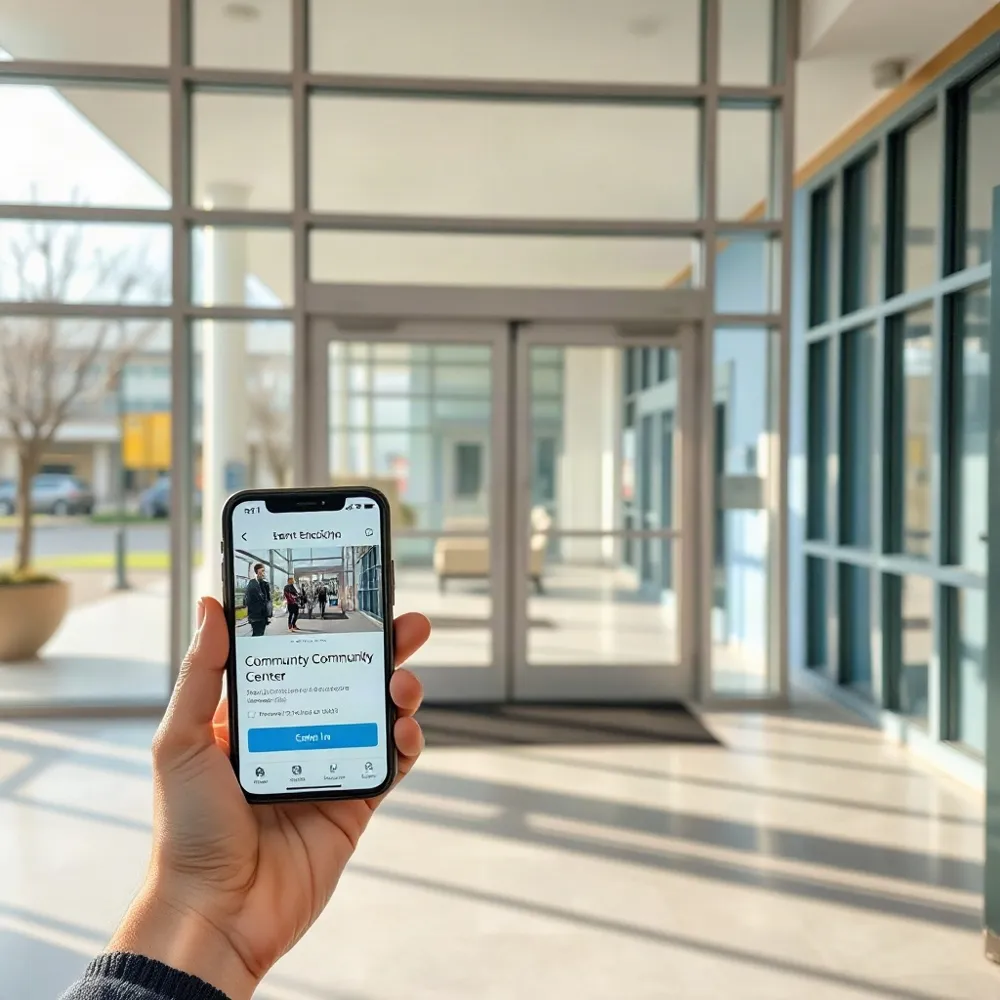
The event may wrap up, but the relationship you've built with attendees is just getting started. SMS is uniquely positioned for the post-event follow-up phase because it bypasses the crowded inbox entirely. While email open rates hover around 20-30%, text messages achieve an average 98% open rate, which means your thank-you, survey, and next-event announcement actually gets seen. This direct line turns a single event into the foundation of an ongoing community dialogue.
The Post-Event Lifecycle: From Thank-You to Nurture
Immediately after your event ends, a quick SMS thank-you sets a personal tone and reinforces the value of attendance. Within 24 hours, send a follow-up survey to capture feedback while the experience is still fresh in attendees' minds. Then, use a gentle sequence of messages to share photos, highlight key moments, and tease what's coming next. This automation prevents you from losing momentum and ensures no one forgets the positive experience they had.
- Send a thank-you text within two hours of the event's close, ideally personalized with the attendee's name or a specific highlight.
- Distribute a short feedback poll via SMS the next morning, keeping it to two or three multiple-choice questions to maximize response rates.
- Share a photo gallery link or video recap within 48 hours to extend the event's emotional resonance.
- Follow up with a 'save the date' or teaser for your next gathering, letting attendees know they're on the priority list.
These touchpoints work because they ride the same high open-rate channel you used for RSVPs. Rather than letting your event become a one-off, each text nudges the relationship forward. For a detailed look at structuring these messages, the guide on best practices for large-scale community event coordination offers practical templates that apply directly to post-event follow-up.
How SMS Automation Streamlines the Entire Event Journey
Pre-event. SMS sends automatic RSVP confirmations, upcoming reminders, and last-minute schedule updates, reducing no-shows before they happen. This phase sets the expectation that texts are the primary channel for real-time info.During-event. Targeted blasts can handle check-in prompts, wayfinding, and surprise announcements. Attendees stay informed without refreshing an app or hunting for a volunteer, which keeps the experience seamless.Post-event. Automated thank-yous, feedback polls, and follow-up content turn a single gathering into a nurture sequence. This is where the community deepens and repeat attendance is cultivated.
By automating each stage, you remove manual busywork and reduce the chance of forgetting a critical touchpoint. The SMS RSVP platform at evant.app handles the entire lifecycle, so you can focus on creating great experiences rather than chasing down responses. For events where attendance directly ties to payment, the same platform simplifies check-in and follow-up, leaving attendees with a polished, stress-free impression.
| Phase | SMS Action | Outcome |
|---|---|---|
| Pre-event | Confirmations and reminders | Fewer no-shows |
| During | Check-ins and updates | Smoother logistics |
| Post-event | Thanks and surveys | Higher engagement |
Building a Connected Community With SMS
Event organizers face a chronic open-rate gap: email campaigns typically see open rates around 20%, while SMS text messages achieve an average 98% open rate. That difference matters at every stage of event management, from the initial invite to final check-in. Email invites sit unread in crowded inboxes, but a text message reaches attendees where they already are: on their phones. For community events where attendance drives engagement, this immediacy translates directly into more RSVPs and fewer no-shows.
Speed is another decisive advantage. Text messages are read within minutes of delivery, whereas email responses can lag for hours or days. When you need to fill last-minute spots or adjust plans, SMS lets organizers communicate in real time during the critical booking window. This is why event professionals increasingly use SMS as their primary RSVP channel, pairing it with smartphone-friendly confirmations and reminders.
Text messaging also excels at the two-way interaction that RSVPs require. Attendees can reply directly to a text to confirm, change a guest count, or ask a logistics question. This conversational flow reduces friction compared with opening an email, clicking a link, and filling out a form. As a result, event organizers report fewer abandoned RSVPs and a more engaged attendee base.
For large-scale community events, SMS scales reliably regardless of internet connectivity. Text messages work on any mobile device, even when Wi-Fi is spotty or attendees are on the move. That resilience makes SMS the practical backbone for event check-ins and real-time updates, whether you're coordinating a conference, a church gathering, or a nonprofit fundraiser. Tools like event text messaging platforms help organizers broadcast reminders and manage responses without relying on a stable data connection.
The comparison becomes clear when you look at the full event lifecycle. Email has its place for detailed confirmations and post-event follow-ups, but SMS handles the time-sensitive moments that determine attendance: the initial invite, the reminder 24 hours before, and the day-of check-in. By shifting those touchpoints to text, organizations see higher response rates and smoother event logistics.
| Channel | Typical Open Rate | Reading Speed |
|---|---|---|
| Around 20% | Minutes to hours | |
| SMS | 98% average | Within minutes |
The open-rate gap is not just a number; it changes behavior. When attendees consistently see and act on your messages, they build a habit of responding. Over time, this strengthens community engagement and makes your events easier to plan, because you can count on reliable RSVPs. For organizers managing large or complex gatherings, that predictability is worth more than any email template.
Related Blogs



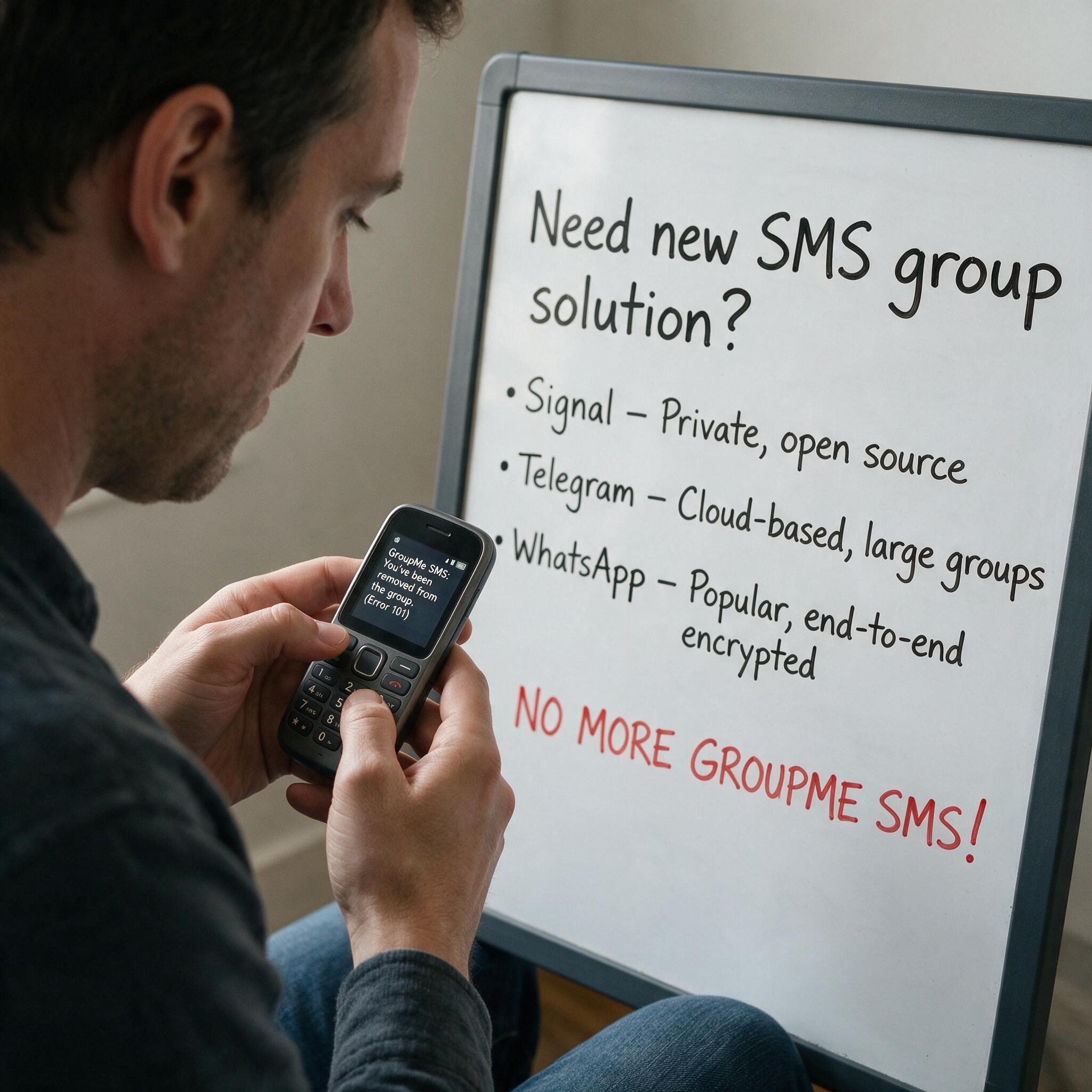
Got Kicked Out of GroupMe? Look to Evant.
Michael PedoeemGot Kicked Out of GroupMe? The Best GroupMe SMS Alternative for Jewish Communities