The Capacity Challenge in Modern Events
An event organizer puts together a workshop, a fundraiser, or a campus seminar. They cap attendance at 200 people, print materials, order food, and arrange seating based on RSVPs that trickled in two weeks ago. Then the day arrives: 50 extra guests walk through the door, or 80 registered attendees never show up. Either outcome wastes money and frustrates everyone. This is the daily reality of capacity management when organizers rely on slow or unreliable communication channels.
Traditional methods like email, phone trees, and paper RSVPs were not built for the speed that modern events demand. Email open rates hover around 20 percent, and phone trees depend on volunteers who may not answer. Paper RSVPs need manual data entry, which introduces lag and typos. By the time an organizer knows attendance has shifted, the event is already overbooked or half empty. These tools make it nearly impossible to adjust headcounts, waitlists, or room setups in real time.
SMS messaging changes this. With near-universal open rates above 98 percent and delivery within seconds, text messages reach attendees the moment they are sent. A change in venue capacity, a waitlist opening, or a last-minute cancellation can be broadcast instantly, and replies arrive just as fast. For nonprofits and educational organizations that depend on tight budgets and high participation, that speed translates into fewer empty seats, lower waste, and better use of limited resources.
Real-time text updates transform capacity management from a guessing game into a responsive system. Organizers can send automatic waitlist offers when someone cancels, confirm same-day attendance with a single reply, and track headcounts live through the same dashboard. Evant provides these capabilities with SMS RSVPs, event check-ins, and real-time analytics that keep attendance data accurate from registration to door close.
What SMS-Based Event Management Means
SMS-based event management is a system that uses text messages to handle the entire event lifecycle, from the first save-the-date to the post-event survey.
It replaces scattered email threads and clunky apps with a single channel that works on every phone. Event organizers send bulk announcements, schedule automated reminders that arrive days or hours before the event, and let attendees RSVP by simply replying to a text. On the day itself, staff use SMS confirmations for instant, paperless check-ins and broadcast real-time updates about room changes or urgent alerts.
The reason this works so well for nonprofits and educational groups is simple: near-100% open rates. A text message lands on the recipient's lock screen and is read within minutes, making it far more reliable than email for time-sensitive information.
Beyond the basics, a modern platform like Evant integrates every message with its CRM system. That means organizers can see who RSVP'd, who actually showed up, and who didn't engage, then send targeted follow-ups to the right groups without manual list-building. The result is higher attendance, fewer no-shows, and a full audit trail of every communication tied to the attendee's profile.
Managing Capacity Through Text RSVPs and Waitlists
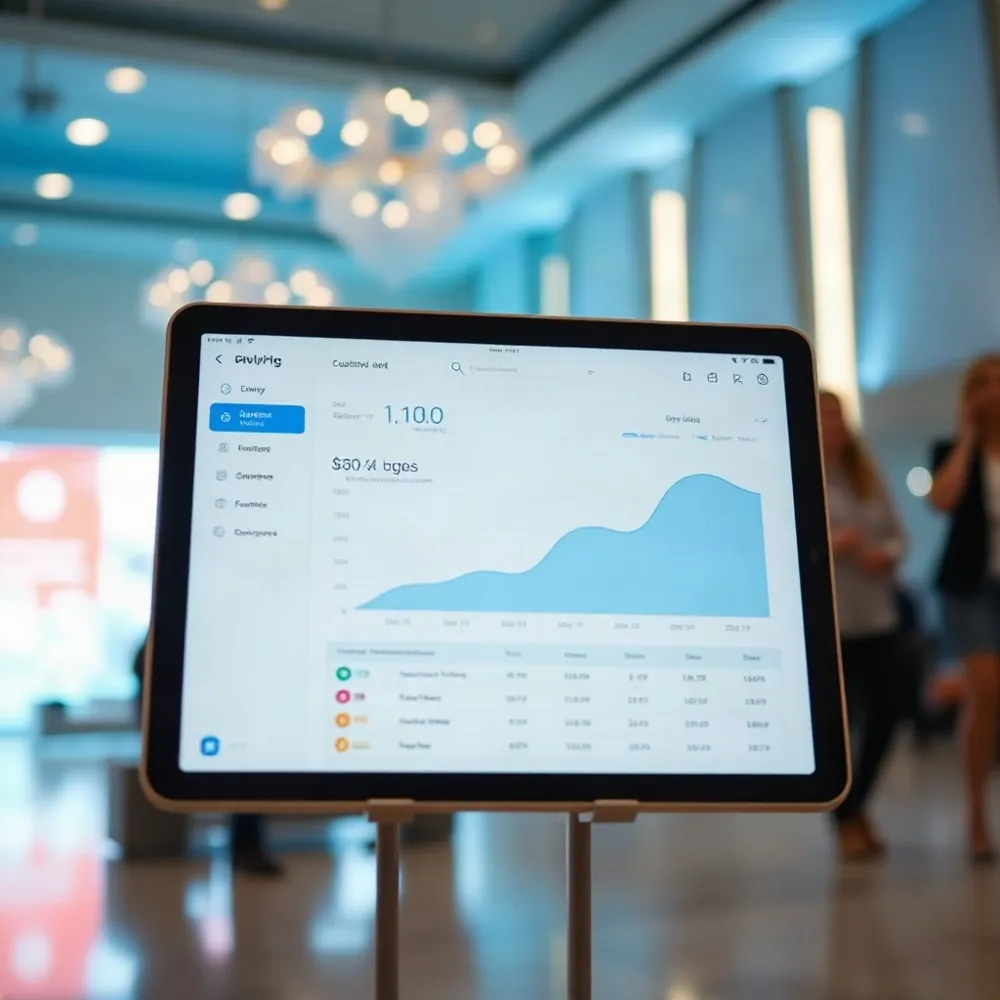
A single overbooked event can damage an organization's reputation and frustrate attendees. SMS-based RSVPs solve this problem by updating attendee counts the moment someone texts back, giving organizers a live view of capacity without manual reconciliation.
When an attendee texts a short code to RSVP, the system instantly adds them to the count. If the event reaches its limit, automated replies can deliver a polite "sorry, we're full" message and offer a spot on a waitlist. This immediate feedback prevents the awkward scenario of someone showing up after you've already reached capacity.
Cancellations happen regularly, and SMS makes it easy to backfill those empty spots. When an attendee texts to cancel, the platform can automatically notify the next person on the waitlist that a seat has opened up. The platform's automated sequences handle this reallocation in seconds, keeping the RSVP list full and operational without staff intervention.
This real-time loop between RSVP, waitlist, and cancellation alerts keeps capacity data current without spreadsheets or manual tracking. Organizers get a truthful, up-to-the-minute headcount from their dashboard, while attendees receive clear, immediate status updates no matter when they text.
Why SMS Works: Open Rates and Engagement
An SMS update is a text message sent to instantly inform recipients about event reminders, schedule changes, or speaker announcements. This channel is the most reliable way to reach attendees because SMS messages are read by up to 98% of recipients, and most are opened within minutes of delivery.
Compare that to email, which averages a 20% open rate, and app notifications, which get buried under other alerts. SMS achieves roughly 5x higher engagement because it lands directly on a phone's lock screen, where it stays until the recipient acts on it.
SMS works on every mobile phone without requiring app downloads or an internet connection. For capacity-critical updates, that reliability means an attendee at the gate will see a waitlist opening message instantly, not hours later in a spam folder. Evant's platform builds on this advantage by integrating SMS RSVPs and real-time messaging into one system, so organizers can send time-sensitive updates directly to attendees.
Real-Time SMS for Instant Communication
At its core, SMS-based event management uses text messaging to handle the real-time, operational side of an event: reminders, RSVPs, check-ins, capacity updates, and post-event follow-ups. Unlike email, which often goes unread until much later, SMS messages are opened within minutes, making them ideal for time-sensitive logistics like a venue change, a sold-out session, or a last-minute speaker swap.
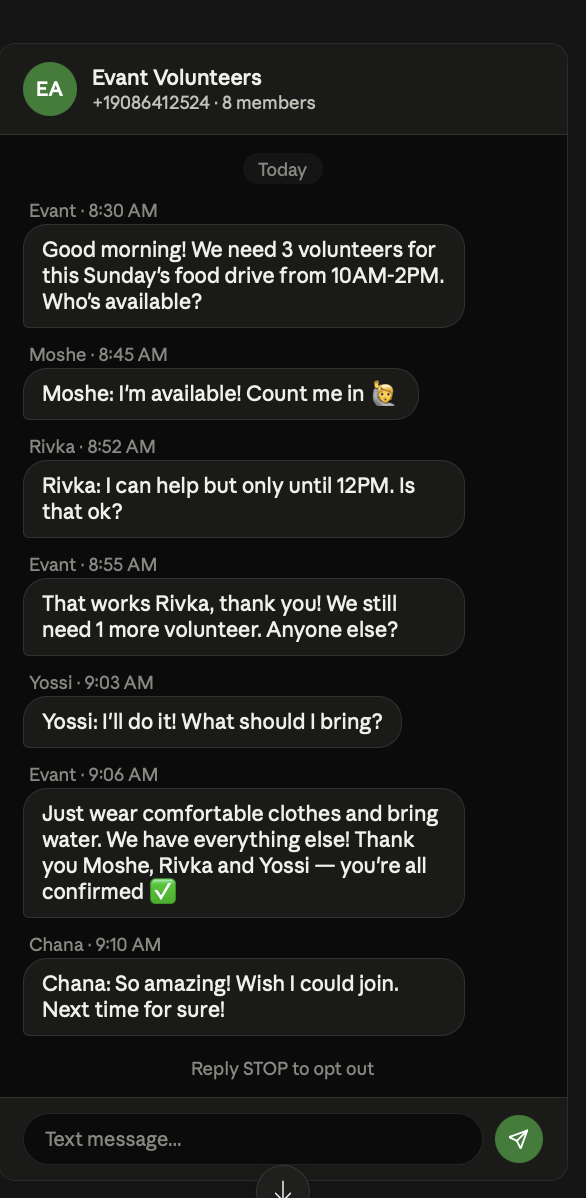
For nonprofits and educational groups, this means moving beyond static invitations and into a live communication loop. Attendees can reply "YES" to confirm a spot, text a dedicated number for directions, and receive instant alerts when a waitlist spot opens. Organizers, in turn, get a real-time view of who is actually coming, what they need, and where the bottlenecks are, all without requiring guests to download an app or check an email thread.
The Three Pillars of SMS Event Management
Instant Delivery. SMS messages reach attendees' phones within seconds, not hours. This low-latency delivery is what makes SMS the backbone of last-minute updates, from weather delays to room changes. Real-time SMS for instant communication keeps everyone on the same page without the guesswork of "did they see it?"Two-Way Interactivity. Unlike one-way blasts, SMS supports replies. Guests can text back to ask questions, update their meal preference, or confirm a plus-one. This turns a simple alert system into a conversational tool that reduces back-and-forth email chains and lets staff focus on the event itself.Measurable Reach. Every message generates delivery receipts, open rates, and click-through data. Event managers can see which reminders hit the mark and which segments need more attention, feeding better planning for the next event.
The practical payoff shows up in event logistics. SMS-driven check-ins cut registration lines by letting guests text a code to check in, while capacity management becomes easier when RSVPs flow in and out in real time. Crowd control improves because organizers can send geofenced alerts to specific sections or send a "head to the overflow room" nudge when a session fills up.
Why SMS Beats Email and Apps for Event Ops
Email still has a role for detailed agendas and post-event recaps, but for the minutes and hours before an event, it is too slow. Apps require downloads, logins, and notifications that many attendees ignore. SMS works on every phone, requires no installation, and has an open rate that dwarfs both. For event teams, that means fewer "I didn't see it" responses and more confirmed attendees.
A Quick Guide to the Core Capabilities
| Capability | What It Does | Example in Action |
|---|---|---|
| RSVP Management | Accepts replies and tracks confirmations | Guest texts YES to a dedicated number, organizer sees live count |
| Targeted Alerts | Sends segmented messages by group or interest | Session-specific reminders to speakers vs. attendees |
| Check-in | Uses SMS codes for entry tracking | Attendee texts code at door, staff sees check-in on dashboard |
| Two-Way Chat | Lets guests ask questions or update info | Guest texts to change meal choice, staff replies instantly |
| Analytics | Tracks delivery, open, and response rates | Post-event report shows which reminder drove attendance |
These capabilities work together to close the loop between a great invitation and a well-run day-of. For event managers, the result is less stress, fewer no-shows, and a more engaged audience that feels informed every step of the way.
Competing SMS Platforms at a Glance
The market offers several routes for adding SMS to event management, and the right choice depends on your organization's size, technical resources, and compliance needs. Here is how the leading options compare.
| Platform | Best For | SMS Workflows | CRM Integration | Compliance | Cost |
|---|---|---|---|---|---|
| Eventbrite | Quick event launches | Basic built-in SMS, limited triggers | No native CRM visibility, disconnected data | Standard opt-out | Low entry price |
| Cvent | Large enterprise conferences | Deep customization, advanced reporting | Enterprise CRM sync, complex setup | Enterprise-grade | High; lengthy implementation |
| Bizzabo | Large branded conferences | Audience segmentation, branded experiences | Limited native CRM, often third-party | Standard | High; advanced features costly |
| SlickText / SimpleTexting | Basic broadcast texting | No event workflows or payment triggers | No CRM integration | Basic opt-out | Low; no event features |
| Twilio | Developer-built custom apps | Full API control, any logic | Requires custom code for CRM sync | Developer-managed | Pay per use; developer cost |
| Blackthorn (Salesforce-native) | Enterprise compliance, automation | SMS triggers on registration, payment, attendance | Salesforce-native, zero sync | PCI, HIPAA built-in | Enterprise; fast deployment |
| Evant | Nonprofits and schools | SMS RSVPs, check-ins, targeted messages, analytics | CRM integration for streamlined data | TCPA-compliant consent tools | Accessible; free trial available |
For nonprofits and educational organizations that need a platform purpose-built for their workflows, Evant provides SMS RSVPs, mobile-friendly check-ins, targeted messaging, and analytics — all without requiring attendees to download an app. Over 300,000 users have adopted the platform for community engagement, and it integrates with existing CRM tools to keep attendee data connected.
By contrast, platforms like SlickText or SimpleTexting offer quick broadcast messaging but lack event workflows, payment triggers, or CRM integration. Twilio gives developers unlimited flexibility but requires code and ongoing maintenance, making it impractical for most nonprofits. For organizations that already use Salesforce, Blackthorn provides a compliance-first, CRM-native option with automated SMS triggers.
For a fuller comparison of SMS platforms for event capacity management, the table above summarizes the trade-offs between ease of use, CRM depth, compliance support, and total cost. The following sections will cover practical implementation steps.
How to Implement SMS for Capacity Management
Setting up an SMS-based capacity management system follows a clear sequence. Start by choosing a platform that includes event-specific features such as keyword-triggered RSVPs, automated waitlists, and real-time capacity counters. Evant, for example, offers SMS RSVPs with a single-keyword response option and integrates with tools like Stripe for fee collection, eliminating manual data entry.
Next, collect phone numbers during registration. Ask for express consent on the sign-up form and clearly state the types and frequency of messages attendees will receive, such as reminders and day-of logistics. This step builds trust and keeps the campaign compliant with TCPA requirements.
Plan your messaging campaign around three phases. Send a save-the-date four weeks out, a reminder with a specific call to action 24 to 48 hours before the event, and a final day-of update that includes check-in instructions or a link. For example: "Reminder: Community Fundraiser – Sat, Mar 15 at 5 PM at Riverside Hall. Reply YES to confirm."
Follow a few best practices in every message. Identify your organization in the first line, keep the text concise, include one clear action per message, and test the flow on a small group before broadcasting to everyone. A well-timed sequence keeps capacity accurate, reduces no-shows, and gives attendees the information they need to act.
Cost and Compliance Considerations

Bringing SMS into your event workflow means understanding two things: what it will cost and what the law requires. The good news is that SMS is far more affordable than many organizers expect, and compliance is straightforward with the right platform.
Bulk SMS pricing in the US typically falls between $0.01 and $0.05 per text. The per-message rate drops as your volume increases, and nonprofit-focused providers often offer discounted plans or reduced rates for 501(c)(3) organizations. Some platforms charge a flat monthly subscription that includes a set number of messages, while others use a pay-as-you-go credit system — both approaches are common. Before committing, ask providers for a custom quote based on your expected monthly volume, as features like dedicated short codes, MMS, and workflow automations can add to the base cost.
TCPA compliance. The Telephone Consumer Protection Act (TCPA) governs text messaging in the United States. Every message must include a clear opt-out mechanism, and you must honor opt-out requests immediately. Consent must be documented and stored for audit purposes. A key distinction under the TCPA is between informational messages (schedule reminders, venue updates, day-of logistics), which require prior express consent, and promotional messages (event invitations, fundraising asks), which require prior express written consent.Audit trails and data privacy. For organizations in regulated spaces like education and healthcare, compliance goes beyond opt-ins. Platforms that log every message sent and every consent record create a clear audit trail. Data must be kept secure and centralized. An SMS platform that keeps all attendee data inside a single system — rather than scattered across disconnected tools — reduces the risk of data breaches and simplifies compliance reporting.
A common question is whether B2B texting faces different rules. The answer is yes — B2B texting is legal but still subject to the TCPA. Consent is often required, especially when using automated systems or prerecorded messages, and every message must include a clear opt-out. Sending during reasonable hours (8 a.m. to 9 p.m. local time) is also standard. Because the rules can vary based on the specific nature of the communication, it is always wise to consult legal counsel.
Another concern we hear is whether SMS is being phased out. It is not. While Samsung has announced it will discontinue its proprietary Messages app in favor of Google Messages, this is about consolidating apps on one device — not eliminating the SMS protocol. Google Messages and all major carriers continue to support SMS as a universal, device-agnostic standard. The evolution of Rich Communication Services (RCS) is actually enhancing the traditional SMS experience with features like read receipts and multimedia sharing, ensuring that SMS remains a vital communication tool for years to come.
A platform like Evant groups cost and compliance into a single workflow, letting you focus on attendance rather than paperwork. With pricing that scales to your organization's size and built-in tools for opt-in collection and opt-out management, it transforms compliance from a hurdle into a simple checkbox.
Event Lifecycle Communication Hub
Event management is often described through the lens of the five Cs: conceive, plan, coordinate, execute, and evaluate. Each stage presents its own set of communication hurdles, and SMS messaging offers a direct line to attendees at every step. Unlike email, which can sit unread for hours, text messages reach recipients almost instantly, making them ideal for time-sensitive updates, reminders, and last-minute changes.
In the planning phase, SMS proves its value through streamlined RSVP management and automated reminders. Instead of chasing responses manually, organizers can send a single text that asks for a quick yes or no reply. This reduces no-shows and simplifies headcount planning, as described in top strategies for managing large events using SMS RSVP. The result is a more accurate guest list and less administrative overhead.
Real-Time Updates During the Event
During the event itself, SMS becomes a lifeline for real-time communication. Whether it is a change in session time, a room switch, or an urgent announcement about parking, a text message reaches attendees in moments. This capability is especially valuable for large gatherings where last-minute adjustments are common. The ability to send a targeted alert to a specific group, such as VIP guests or volunteers, ensures the right people get the right information without flooding everyone's phone.
Two-way SMS also lets attendees ask questions or request assistance during the event, turning a one-way broadcast into an interactive channel. This real-time responsiveness can significantly boost satisfaction, as attendees feel heard and supported. Event managers can monitor incoming texts to gauge sentiment and address issues immediately, enhancing the overall experience.
Post-Event Follow-Up and Data Collection
After the event concludes, SMS remains an effective tool for follow-up. Sending a thank-you message with a link to a feedback survey can yield higher response rates than email, given SMS's superior open rates. Gathering attendee input while the experience is still fresh leads to more honest and actionable feedback. This data not only improves future events but also helps organizers measure success against their goals.
Moreover, SMS platforms often integrate with CRM systems, automatically logging responses and interactions. This integration eliminates manual data entry and ensures that every touchpoint is captured, as highlighted in the power of SMS for event marketing and management. Organizers can then segment their audience for targeted follow-ups, nurturing relationships long after the event ends.
Enhancing Engagement with SMS Analytics
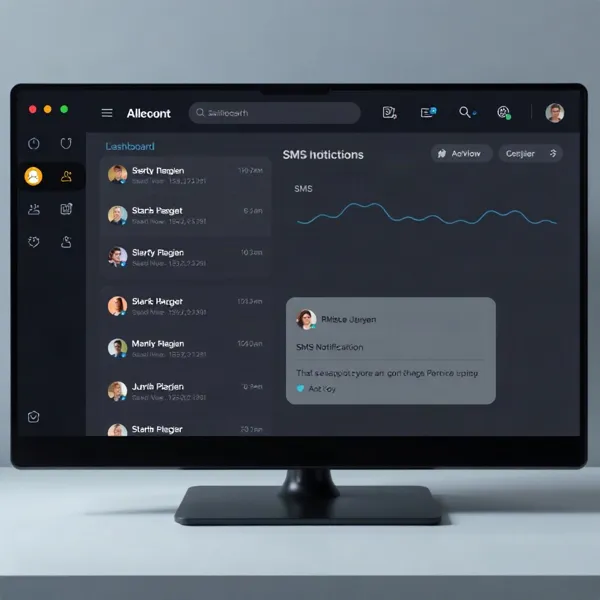
Beyond sending messages, SMS platforms provide valuable analytics. Organizers can track delivery rates, open rates, and click-through rates in real time, as noted in why SMS messaging is crucial for successful event management. This data reveals what messaging works and what does not, allowing for continuous optimization. For instance, if a particular reminder generates a high number of opt-outs, organizers can adjust their tone or frequency accordingly.
Analytics also help measure the effectiveness of different communication channels. Comparing SMS performance against email or social media provides a clearer picture of attendee preferences. Armed with this insight, event planners can allocate resources more effectively, focusing on the channels that drive the highest engagement. This data-driven approach transforms event management from a guessing game into a measurable, repeatable process.
Integrating SMS with Other Event Tools
SMS does not operate in a silo. Modern event management platforms, including Evant, offer integrations with popular CRM systems, email marketing tools, and registration software. This integration ensures that SMS updates flow seamlessly into the larger event ecosystem. For example, when an attendee RSVPs via SMS, that information can automatically update the master guest list, sync with calendar invitations, and trigger a confirmation email, all without manual intervention.
Such connectivity reduces the risk of errors and saves significant time, as noted in how SMS messaging can improve event planning. It also enables more personalized communication, as organizers can use historical data to tailor messages to individual preferences. The result is a cohesive, efficient workflow that enhances both the organizer's productivity and the attendee's experience.
Overcoming Common Challenges with SMS
Despite its benefits, SMS event management is not without challenges. Deliverability can be an issue if messages are flagged as spam, and compliance with regulations like the Telephone Consumer Protection Act (TCPA) requires careful handling of opt-ins and opt-outs. Organizers must ensure they have explicit consent before sending messages and provide a straightforward way to unsubscribe.
Another consideration is message fatigue. Bombarding attendees with too many texts can lead to opt-outs. Striking the right balance is crucial; messages should be relevant, timely, and value-driven. Using segmentation and analytics helps tailor content to specific groups, reducing the risk of over-communication. When done right, SMS remains one of the most effective tools for event communication.
| Stage | SMS Application | Benefit |
|---|---|---|
| Planning | Automated reminders and RSVP confirmations | Reduces no-shows, simplifies headcount |
| Coordination | Real-time updates for schedule changes | Keeps attendees informed instantly |
| Execution | Two-way texting for attendee questions | Enhances satisfaction and support |
| Evaluation | Post-event surveys and thank-you texts | Increases feedback response rates |
| All stages | Analytics and CRM integration | Data-driven improvements and efficiency |
In conclusion, SMS messaging offers a versatile and powerful solution for every stage of event management. From planning to follow-up, its immediacy, high open rates, and interactivity make it an indispensable tool. By integrating SMS with existing systems and adhering to best practices, organizers can elevate their events and achieve better outcomes.
Empower Your Events with Real-Time SMS
The average email open rate for event promotions sits near 20%, while text messages achieve open rates between 95% and 98%, with most recipients reading them within minutes. That gap translates directly into attendance. When you send a reminder about a workshop or a change of venue, SMS ensures the message lands where recipients actually look, not buried in a promotions tab or lost in a crowded inbox. For time-sensitive updates, the immediacy of SMS reduces no-shows and last-minute confusion.
Consider how a nonprofit promoting a fundraising gala might use both channels. An email blast might reach a segment of supporters days in advance, but the day-of reminder, the room-change alert, and the post-event thank-you all benefit from SMS. Because texts are inherently conversational, they invite quick replies like "running late" or "bringing a guest," turning one-way announcements into two-way touchpoints that strengthen engagement.
The Role of SMS in Modern Event Management
Event managers juggle dozens of moving parts: guest lists, vendor coordination, session schedules, and emergency alerts. SMS consolidates these into a single, reliable channel. Unlike email, which can be ignored for days, a text message demands attention. This makes it ideal for critical logistics such as registration confirmations, capacity updates, and real-time changes to the agenda.
Platforms like Evant build on this strength by combining SMS with RSVP tracking and check-in tools. Event organizers can send targeted blasts to specific attendee segments, track who has read the message, and follow up with personalized texts. The result is a more responsive planning process where last-minute adjustments reach the right people instantly.
SMS vs. Email: A Side-by-Side Look
Email remains useful for long-form content like speaker bios or sponsorship decks. But for operational communication, SMS wins on speed and visibility. A 2024 analysis from the event-tech space noted that SMS drives higher response rates because it leverages the one device people carry everywhere. For events where timing matters, such as a session starting in 30 minutes, a text beats an email every time.
Open rate. Email averages around 20% for event promotions; SMS exceeds 95%, with most texts read within minutes.Response time. Texts receive replies in seconds to a few minutes, while emails can sit unread for days.Use case fit. Email suits pre-event details and rich media; SMS handles reminders, alerts, and two-way questions.
Practical applications abound. For a conference, SMS can deliver session reminders, room changes, and post-event surveys. For a nonprofit gala, it can handle RSVP confirmations and last-minute seating adjustments. SMS even supports capacity management: real-time check-ins via text help organizers maintain accurate headcounts and avoid overselling, as noted in guides on SMS-based guest tracking.
Integrating SMS with Your Existing Event Stack
Modern SMS tools integrate with popular CRMs and event management software, so you don't have to abandon your current system. When a guest RSVPs via a text link, that response flows directly into your attendee database. When you send a bulk update, analytics show delivery rates and read confirmations, helping you refine future messaging. This integration reduces manual data entry and ensures that every touchpoint stays consistent.
For organizations new to SMS, starting with a single use case, such as reminders or alerts, makes adoption manageable. As staff become comfortable, they can layer on features like personalized text campaigns and automated follow-ups. The payoff is a more engaged audience and smoother event operations, whether you're managing a 50-person workshop or a 5,000-attendee conference.
| Channel | Strengths | Weaknesses |
|---|---|---|
| Rich media, detailed content | Low open rates, slow response | |
| SMS | High open rates, immediate replies | Character limits, potential costs |
As event technology evolves, SMS remains a constant because it meets attendees where they are: on their phones. Whether it's a reminder about a session, a change in venue, or a post-event thank-you, text messaging keeps communication personal and immediate. For planners, it's the difference between hoping attendees show up and knowing they did. That reliability is why SMS will stay essential, even as newer tools emerge.
Related Blogs