

Why One-Size-Fits-All Event Messaging Fails
Broadcasting the same generic event announcement to every person in your database is a relic of outdated marketing. When you treat your entire community as a single list, you ignore the reality that your supporters have different interests, donation histories, and levels of engagement. This spray-and-pray approach often leads to high opt-out rates and event apathy, as recipients stop seeing your messages as relevant.
Audience segmentation solves this by dividing your community into smaller, targeted groups based on specific behaviors and shared characteristics. By tailoring your outreach to a donor's past participation or specific program interests, you ensure that every message adds value rather than contributing to noise. Research shows that personalized content is significantly more likely to drive action, with 72% of people only engaging with information tailored to their specific needs.
This is where Evant.app transforms the event lifecycle. While traditional platforms rely on static lists, our approach allows you to group attendees by real-time data, ensuring your SMS campaigns hit the right inbox at the right time. By moving away from one-size-fits-all broadcasts, you build deeper trust, improve conversion rates, and ultimately drive higher attendance through more intentional, relevant communication.
Audience Segmentation in Event Management

What is audience segmentation in the context of event management and community engagement? It is the strategic process of dividing a broad community into smaller, targeted groups based on shared behaviors, interests, or engagement history. By abandoning generic, one-size-fits-all messaging, organizations can deliver invitations that resonate with the recipient's specific relationship to the cause.
Nonprofits can leverage CRM data to identify critical segments, such as separating first-time attendees from long-time donors. Automated tools can handle this targeted outreach to ensure the right message reaches the right person at the right time. This level of precision is vital, especially since MPI reports that text messages maintain a 98% open rate, making them the most reliable channel for direct communication.
Using these tools to handle event logistics prevents communication fatigue by tailoring updates to specific donor or attendee data. This shifts the focus from managing a massive, monolithic list to nurturing individual, high-value relationships. By segmenting correctly, you transform your event strategy from a broad broadcast into a series of personalized touchpoints that drive meaningful participation and long-term community growth.
Primary Segmentation Criteria for Nonprofits
What are the primary criteria used to segment an audience for nonprofits? Relying on broad broadcasts is often a fast track to low engagement, while primary segmentation criteria allow organizations to treat supporters as individuals rather than numbers.
Demographics and Psychographics. These foundations group supporters by outward traits like age or location, layered with psychographic insights into their personal values and lifestyle motivations.Behavioral Data. Tracking past event attendance, SMS interaction history, and volunteer participation provides the most accurate view of how a supporter actually engages with your mission.Lifecycle Stages. You should tailor your tone based on the relationship length, distinguishing between first-time welcome flows for new supporters, stewardship for long-time donors, and targeted re-engagement for inactive members.Firmographics. For nonprofits managing corporate partners, analyzing industry type and CSR program alignment helps move beyond personal donor outreach to professional institutional partnerships.
Using Evant.app, organizations can automate these segmentations to prevent communication fatigue. While legacy platforms often treat your database as one stagnant list, the right tools allow you to localize outreach based on geographic proximity to event venues or specific interest tags. This precision ensures that when you send an SMS, the content is relevant to the recipient's specific history with your organization.
The Critical Role of SMS Consent

SMS consent is a verified agreement where a recipient grants an organization permission to contact them via text, serving as a foundational requirement for both legal compliance and ethical engagement. In the context of nonprofit and community management, obtaining explicit consent protects your organization from potential legal penalties and preserves the integrity of your messaging channel.
Because SMS provides exceptionally high open rates and immediate reach, as noted by MPI, securing this permission ensures that your audience remains receptive rather than resistant to your outreach. Failing to maintain this standard often leads to message fatigue and unnecessary unsubscribes.
By prioritizing consent, nonprofits can cultivate trust and long-term participation, ensuring that text messaging remains a high-impact tool for event updates and community coordination. Ultimately, clear consent strategies allow you to leverage the Evant.app platform with confidence, knowing your communications are both respected and expected by your members. Transparently defining the critical role of SMS consent during registration ensures your community stays engaged rather than becoming a source of churn.
Building Your Segmentation Strategy Step by Step
Developing a targeted outreach plan is not about guessing what your community wants, but about using the data you already have to deliver relevance. A systematic approach ensures that every message contributes to higher attendance and stronger donor relationships.
What is the step-by-step process for developing a robust audience segmentation strategy?
- Analyze your database to identify shared traits and behaviors, such as past giving history or event participation.
- Select a segmentation model like demographic, geographic, behavioral, or attitudinal data to organize these groups.
- Integrate this information into your CRM or engagement software to centralize your audience profiles.
- Craft tailored SMS campaigns for each specific group rather than broadcasting generic alerts.
- Track engagement metrics like open rates and RSVP conversions to refine your segments over time.
Most organizations struggle because they treat their entire list as a single bucket. Using smart segmentation tools prevents communication fatigue and helps automatically group attendees based on their real-time activity and preferences. This ensures your SMS-driven engagement hits the right person at the right time, improving results compared to standard, disconnected broadcast tools.
Experts recommend having seven to 10 touchpoints with potential guests before an event to maximize attendance, per MPI. By systematically moving your community into these buckets, you stop wasting energy on broad, ineffective campaigns and start building the personalized connection that keeps your community growing.
Using SMS Notifications for Event Success
Text messages represent a powerful tool for modern event management due to their 98% average open rate, a metric few other channels can match. While email inboxes remain crowded, SMS cuts through the noise, delivering critical updates directly to a device people check constantly.
How can SMS notifications be effectively utilized for event management?
Organizers who rely on manual updates often struggle with low attendance, but Evant.app automates these touchpoints to keep participants engaged throughout the lifecycle. By using automated workflows, you can trigger immediate RSVP confirmations and well-timed session reminders that significantly lower no-show rates. Unlike disjointed tools, integrating your SMS platform with a CRM ensures that your messaging remains personalized based on an attendee's specific donor profile or past event history.
Logistics also improve when you eliminate friction. Evant.app enables SMS check-in features that let guests bypass registration lines, making their arrival smoother and more professional. During the event, real-time two-way messaging allows your staff to answer questions about parking or venue changes instantly. This level of responsiveness is difficult to maintain with standard email broadcasts or static spreadsheets, where individual inquiries often go unnoticed until it is too late.
Combining Segmentation Models for Deeper Insights
To build a complete profile for your nonprofit, you must blend multiple models together. Combining demographic data like age and location with psychographic insights about values allows for granular profiles that feel personal rather than transactional. This helps nonprofits send more relevant communications and boost participation at events.
Behavioral data ties these profiles together. By looking at actual event attendance, past donation history, and engagement patterns across email or SMS, you can identify who is ready to convert and who needs more nurturing. For location-specific gatherings, geographic targeting ensures you only alert those who can realistically make the trip, preventing the message fatigue that often plagues mass broadcasts.
With Evant.app, you can use dynamic segmentation to automate this process. As an attendee interacts with your event or clicks a link, your system updates their list membership in real-time, moving them into the most relevant segment without any manual effort. This replaces stagnant spreadsheets with a living, breathing database.
The danger lies in over-segmentation. If you create too many buckets, your messaging becomes fragmented and impossible to maintain. Aim for three to seven primary segments to keep your operations manageable while still delivering highly tailored communications that drive action.
Personalizing Content Across the Event Lifecycle
A lifecycle approach helps turn attendees into an engaged community by tailoring interactions at every stage. By personalizing content through targeted communications, you meet individual needs and preferences. Pre-event efforts should focus on tailoring invitations and early-bird offers to specific interest groups, instead of sending a single message to your full contact list.
During the event, real-time engagement matters. Use SMS tools to deploy live polls, text-in Q&A sessions, and targeted alerts about specific sessions. This keeps attendees engaged by delivering only the updates that matter to them.
Post-event messaging builds long-term loyalty. SMS-driven engagement allows you to send immediate feedback surveys and thank-you notes that include teasers for upcoming programming. These interactions convert one-time visitors into repeat supporters.
SMS can also deliver special acknowledgments or recognition to frequent attendees. To ensure these messages land, A/B test your CTAs and messaging style for each segment. This iterative testing helps you refine what resonates, ensuring every SMS campaign achieves maximum impact.
Measuring Impact and Refining Your Segments
Data helps you know if your outreach is working. When you track engagement metrics for your nonprofit events, you can adjust your SMS outreach to better serve your community and reduce churn. Without these metrics, you risk losing your most dedicated supporters.
The most effective way to refine your strategy is to test one variable at a time. Through simple A/B testing on your SMS messaging, timing, or specific calls to action, you identify what resonates with each segment of your congregation or donor base. If you notice a particular group responding better to late-afternoon reminders, you can adjust your automation to match that preference. SMS analytics tools that integrate with your existing CRM can help you manage these insights for closed-loop reporting.
Avoiding message fatigue is just as important as increasing engagement. If your audience feels bombarded, they will opt out regardless of your message quality. You must monitor frequency carefully, setting caps per segment to keep the dialogue productive rather than intrusive. Modern SMS platforms provide the control needed to balance necessary updates with the right amount of contact, ensuring your donors and attendees stay connected without feeling overwhelmed.
Treat your segments as dynamic living profiles rather than static lists. Use engagement data from past events to move attendees between groups automatically. If a first-time attendee becomes a regular donor, the system should update their segment so they receive more tailored stewardship. This iterative approach to segmentation ensures your communications remain relevant, boosting long-term participation and reducing no-show rates for your nonprofit events.
Common Pitfalls and How to Avoid Them

Segmentation is powerful, but it often trips organizers up when they get too granular. Creating too many tiny groups makes management impossible. A good rule of thumb is to start with three to seven high-impact segments and only expand if the content truly needs to differ. Using automated workflows to manage these groups effectively prevents the operational fatigue that plagues manual systems.
Data accuracy remains a consistent hurdle. If you rely on stale donor lists or outdated contact info, your messages land on dead ends. Your strategy is only as strong as your data hygiene, which means cleaning out invalid numbers regularly. Auditing attendee databases helps ensure your contact records are current and grouped by active segments.
Ignoring consent and privacy is the fastest way to lose community trust. Every message must be grounded in explicit opt-in workflows. Transparency around how you use data is not just a legal requirement, but a way to build lasting relationships with your supporters. Integrate these preferences early, or you risk high unsubscribe rates that signal to carriers that your messages are unwanted.
Failing to connect channels like email, SMS, and social media creates a fragmented experience. When a supporter acts on an email, that behavior should inform their SMS profile in real time. Without this cross-channel sync, you miss 3 strategies for engaging event guests with text messages that could otherwise turn a passive reader into a committed attendee.
Finally, stop treating your segments as permanent static lists. If you are not A/B testing your messaging and iterating on segment definitions, you are leaving engagement on the table. Test different content approaches, then refine your segments based on what actually drives RSVPs.
From Strategy to Impact: Next Steps
Effective segmentation transforms generic broadcasts into personal conversations that drive actual participation. By shifting focus from a single, static list to specific groups based on real behavior and shared interests, organizations can boost engagement while minimizing message fatigue.
Avoid the temptation to overcomplicate your first attempt. Start small by identifying two or three high-impact segments, such as recurring donors or first-time event attendees. This manageable approach ensures your team delivers relevant, actionable content without becoming overwhelmed by manual data management.
Modern SMS communication technologies now do the heavy lifting for you. Platforms like Evant automate these workflows by syncing directly with your CRM, allowing you to personalize outreach at scale and streamline complex event logistics effortlessly. When you use Evant to target specific donor or attendee groups, you stop guessing what your community wants and start delivering it directly to their phones.
Your next event communication plan is the perfect place to begin. Audit your current attendee databases, implement explicit opt-in workflows, and start segmenting your messages to see the difference firsthand.
Related Blogs



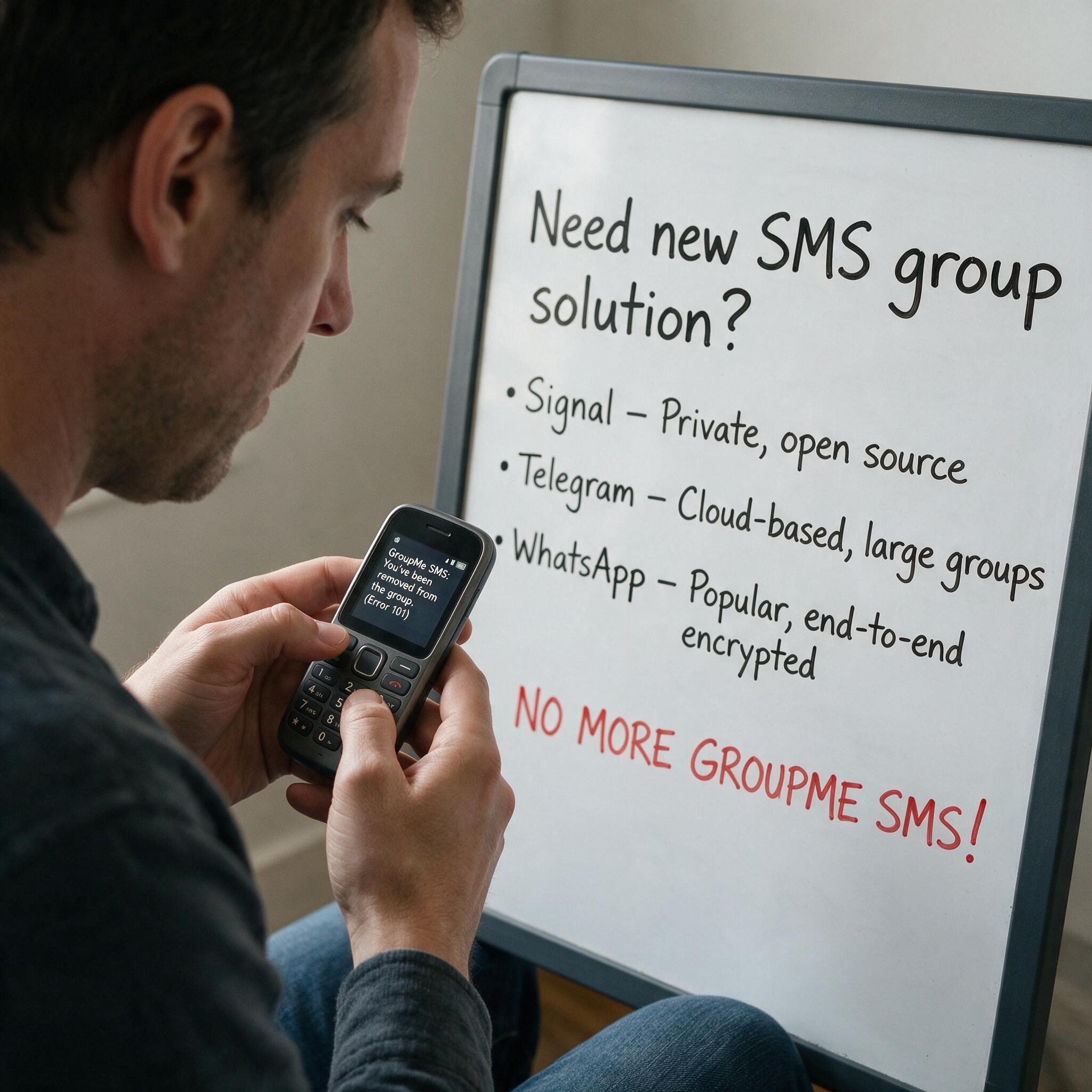
Got Kicked Out of GroupMe? Look to Evant.
Michael PedoeemGot Kicked Out of GroupMe? The Best GroupMe SMS Alternative for Jewish Communities