
Why Nonprofits Are Turning to Text
The most effective nonprofit messages are the ones that meet supporters where they already are. That means a channel people check dozens of times a day: text. Because Short Message Service (SMS) requires no app download and works on virtually any phone, it removes the friction digital asks usually introduce. A potential donor can read an invitation or make a gift without logging into a portal, resetting a password, or clicking through an event page. Nonprofit text messaging best practices emphasize that the format itself is brief and action-oriented, which suits busy, mobile-first audiences.
That built-in speed matters at every stage of a supporter's journey, from the first invitation to the post-event follow-up. SMS invitations get opened far more often than their email counterparts, and the immediacy works in a fundraiser's favor: a timely nudge can mean the difference between a guest checking a calendar and a guest forgetting the event entirely. For nonprofits looking to increase participation without adding staff hours, a well-timed text delivers a high-impact result from a channel that is already in every pocket.
The psychological pull of an unread notification
Part of texting's power is the psychology behind it. Most people hold their phones at arm's length and check notifications within minutes, especially when the chime signals a personal message. Unlike a crowded inbox, where a promotional email can sit unopened for days, a text message creates a sense of urgency simply by existing. That urgency, when paired with a clear call to action, tends to produce faster responses and higher conversion rates for time-sensitive asks like RSVP requests and event reminders.
This is not just anecdotal. A 2023 Mobile Marketing Association study found that 60% of SMS replies arrive within the first hour of sending, a response pattern that most email marketing programs cannot match. When a supporter sees an invitation to a volunteer day or a gala, that immediate window is the difference between a confirmed guest and a silent maybe. For a small development team, that speed translates directly into fewer follow-up calls and a steadier event pipeline.
Reach, deliverability, and trust
Reach is where texting clearly separates itself from other channels. Email deliverability is a constant fight against spam folders and ever-changing filters; a carefully written message can still land in a promotional tab that the reader never visits. SMS, on the other hand, goes straight to the text inbox, where providers treat it as high-priority. That reliable delivery matters for nonprofits with tight timeframes, like a last-minute change to a giving day or a final reminder for an evening reception. A guide to texting for nonprofits notes that the high open rates and low barriers to entry make SMS an essential tool for community-based organizations.
There is also a trust element. Supporters who share their mobile number by opting into a nonprofit's SMS list are giving explicit permission for that nonprofit to appear in their personal space. A well-managed program that respects reply stops and honors the opt-out respects that trust. When a message feels personal and timely, rather than spammy, the audience typically engages with it more warmly than they would an email blast.
Popular use cases that convert
Nonprofits use text far beyond reminders. Here are the most common ways SMS drives participation and revenue:
- Event invitations and RSVPs: Sending a clear invitation with a call to action such as “Reply YES” or “Text RSVP” (example templates for charity events)
- Event reminders and check-ins: Reducing no-shows with an automated reminder 24 hours ahead, plus a check-in link on arrival
- Donation appeals and text-to-give: Linking to a mobile giving page or accepting a text keyword that triggers a giving form
- Volunteer coordination: Confirming shifts, sharing last-minute updates, and sending thank-you follow-ups
- Post-event engagement: Sending a survey, a photo gallery, or a request for feedback to keep supporters involved between events
In each example, the key is relevance. A text that feels like a conversation, not a broadcast, tends to get better answers. The goal is to make every message feel like a value exchange rather than a request.
A few best practices to keep in mind
The channel's effectiveness depends on thoughtful execution. Start with something simple: invite supporters to opt in through event registration, an in-person signup sheet, or a keyword campaign, then give them a reason to stay. Expert guidance on launching a nonprofit SMS program suggests growing your list with valuable content rather than asking for mobile numbers cold. Make it clear what type of text they will receive, whether it is an event reminder, a monthly newsletter, or a last-minute giving alert.
Timing also plays a role. The best practices for SMS in nonprofits note that sending texts during reasonable hours, typically between 9 a.m. and 9 p.m. local time, respects the recipient's attention and increases the chance of a response. A message sent at 7 a.m. for a noon event is far more effective than one sent the night before.
How evant.app turns SMS into a complete engagement engine
This is where the tools a nonprofit chooses start to matter. evant.app is a SaaS platform built for SMS RSVPs, event check-ins, and targeted messaging, with drag-and-drop capabilities that remove the barriers text programs usually face. Instead of managing a spreadsheet of phone numbers and a separate CRM, event organizers can send messages directly from a single dashboard, monitor replies in real time, and let automated flows handle reminders and follow-ups. The evant SMS RSVP guide shows how a simple “YES” or “NO” reply updates a guest list instantly, saving hours of manual data entry.
Where some competitors, such as a generic SMS service from a telecom provider, offer only blast messaging, evant.app pairs text with appointment scheduling, calendar integrations, and analytics, so a nonprofit can see open rates, reply rates, and attendance trends from a single platform. It is built for mission-driven teams, not just marketing departments, and the pricing reflects that flexibility. The result is an engagement engine that handles the mechanics of an event from first invitation to final thank-you, while the nonprofit focuses on the people it serves.
Getting started without the guesswork
Launching a text program does not require a technical background. Most platforms, including evant.app, offer templates that a novice can edit in minutes, with fields for event name, date, time, and location. The SMS corporate event invitation guide advises sending the initial invitation two to three weeks before a large event and a follow-up reminder about a week prior, then a final nudge the day before. That cadence keeps the event top of mind without overwhelming supporters.
From there, the loop is simple: send an invite, track RSVPs in real time, use the data to customize the next message, and keep the conversation going after the event. The earlier a nonprofit can move from one-off blasts to a structured, two-way relationship, the more those texts convert into participation, gifts, and long-term loyalty.
The Power of Instant Engagement
Text messaging gives nonprofits a direct, personal line to supporters that email and social feeds rarely match. Unlike a crowded inbox or an algorithm-driven feed, SMS lands on a device most people check constantly. This is why text messages boast open rates near 98%, compared to the roughly 20% average for email, according to a comparison guide for nonprofit SMS programs. That difference translates into real attendance for your events.
The immediacy of SMS changes how you engage your audience. When you send a text invitation, recipients see it within moments and can respond with a quick "YES" or "NO" without opening an app or logging in. This frictionless experience encourages more responses and fewer no-shows. For planners, that means more reliable headcounts and fewer wasted resources. SMS RSVP tools also automate reminders and follow-ups, so your team can focus on the event itself rather than chasing down responses.
Why Instant Response Boosts Attendance
The psychology is straightforward: the easier it is to reply, the more likely someone will. A text invitation demands a single tap, whereas an email might sit unread for hours. This is especially true for time-sensitive events like fundraisers or volunteer drives. A 2023 Mobile Marketing Association study found that 60% of SMS replies arrive within a minute, a fact highlighted in a guide on maximizing attendance through SMS. Acting on that momentum can make the difference between a half-empty room and a packed one.
Speed. Text messages are read in seconds, and replies come back just as fast. This suits last-minute reminders and same-day event updates where timing is everything.Reach. SMS works on any phone, no app download required. That includes older devices and supporters who are less tech-savvy, broadening your nonprofit's reach across generations.Personalization. Messages that include the recipient's name and a specific event detail feel more like a personal note than a mass broadcast. This personal touch boosts response rates and strengthens donor relationships.
Evant makes this easy. The platform includes ready-to-use text-to-join keywords, event check-ins, and automated campaign workflows designed for your specific needs. Rather than bouncing between tools, you manage everything from one dashboard. While generic SMS platforms might offer basic blasts, Evant's focus on event coordination means features like RSVP tracking and follow-up sequences are built in, not bolted on.
From One-Way Alerts to Two-Way Conversations
For community organizations and nonprofits, text messaging has emerged as one of the most direct channels for driving event attendance. Unlike email, which often sits unread in an inbox, text messages are opened within minutes. A 2023 Mobile Marketing Association study found that 60% of SMS replies arrive within a minute of receipt, giving event organizers a real-time advantage in capturing attention and action. This immediacy is what makes SMS such a powerful tool for boosting RSVPs and getting more people through the door.
When you send an event invitation by text, you meet people where they already are: on their phones. According to a guide from SimpleTexting, text invitations are ideal for time-sensitive announcements, and they work especially well for last-minute reminders. The key is to keep the message concise, include all the essential details, and provide a clear call to action. Whether you ask recipients to reply "YES" to RSVP or click a link to register, the low barrier to response is what sets SMS apart from other channels.
Crafting SMS Invitations That Get Replies
The success of your SMS invitations hinges on clarity and brevity. As highlighted in Evant's own advice on SMS event invitations, include the event name, date, time, and location up front. Then, prompt an immediate response by asking for a simple "YES" or "NO." This not only makes it effortless for attendees to confirm but also gives you a clean RSVP tracker. Sending the invitation 2-3 weeks before the event gives people enough time to plan, while a follow-up reminder a week before can significantly reduce no-shows.
- Keep the message under 160 characters when possible to avoid fragmentation.
- Include a clear opt-out instruction like "Reply STOP to unsubscribe" to comply with SMS regulations.
- Personalize with the recipient's name or event interest to increase engagement.
For nonprofits looking to launch a text fundraising program, starting with event invitations is a natural entry point. The same infrastructure that handles RSVPs can later support donation appeals, volunteer coordination, and post-event thank-you messages. SMS RSVP not only boosts attendance but also builds a stronger communication loop with your supporters, turning one-time attendees into repeat participants.
Event Invitations That Get RSVPs
A well-crafted SMS invitation does more than inform; it prompts action. For nonprofits, the invitation is often the first point of contact with a potential attendee, and its quality determines whether someone taps RSVP or deletes the message. The key is to balance clarity, urgency, and personalization in just a few lines.
When the goal is to increase nonprofit event participation through SMS invitations, the message must answer three questions instantly: What, when, and where. Include the event date, start time, and precise location. Add a specific call-to-action such as “Reply YES to attend” or “RSVP here.” A calendar link included upfront allows for one-tap RSVP, a feature that not only saves time but also boosts attendance.
Essential Elements for a High-Converting Invitation
Clear CTAs. Use action verbs like “Reply YES” or “Reserve my spot.” Vague prompts like “Learn more” confuse recipients. A specific response request increases the likelihood of a reply.Brief copy. Keep it under 160 characters when possible. SMS has a 60% read rate within minutes, and shorter messages are less likely to be ignored. Avoid unnecessary fluff.Personalization. Use the recipient’s first name or reference their past involvement. Personal touches increase trust and relevance, making the invitation feel like a direct ask rather than a mass blast.Timing. Send initial invites 2-3 weeks before formal events and about one week ahead for reminders. This gives attendees time to plan without losing urgency.
Following SMS RSVP best practices means starting with a friendly greeting, stating the event name, date, and location, and asking for a clear response. Avoid attachments or links that could trigger spam filters. Keep the offer of an opt-out, like “Text STOP to opt out,” to comply with regulations.
Text vs. Email: Why SMS Wins for Event Invitations
While email remains a staple for detailed communications, SMS invitations outperform in open rates and response times. Email open rates hover around 20-30%, but SMS open rates reach up to [98%](https://www.forbes.com/councils/theyec/2024/02/05/is-sms-marketing-an-affordable-small-business-growth-booster/). For time-sensitive event invitations, that difference can translate into more confirmations and fewer no-shows.
| Aspect | SMS Invitations | Email Invitations |
|---|---|---|
| Open rate | Up to 98% within minutes | ~20-30% within hours |
| Response time | Immediate, often under 5 minutes | Can lag by hours or days |
| Character limit | 160-320 characters per message | Unlimited, but longer is riskier |
| Best for | Quick RSVPs and reminders | Detailed agendas and attachments |
| Cost per send | Per-message or per-segment pricing | Often cheaper at scale |
The chart above summarizes why SMS event invitations are a faster channel. For a nonprofit, that speed translates to quicker planning decisions, better seat counts, and more effective use of staff time.
Boosting Event Turnout and Check-Ins
On the day of an event, a long registration line can dampen enthusiasm before guests even walk in. SMS check-ins turn a potential bottleneck into a smooth, friendly process. When attendees arrive, a simple text message confirms their RSVP and checks them in instantly. This shortens wait times significantly and lets your staff focus on welcoming guests rather than fumbling with paper lists or slow apps.
Beyond the front door, SMS check-ins give you real-time data that improves the experience. If a guest is running late, you can see who hasn't arrived yet and send a quick nudge with directions or a note about where to park. You can also send a thank-you message right after check-in, asking for a quick feedback poll or prompting them to visit your donation table. These small touches make attendees feel valued and keep the event moving on schedule.
Best Practices for SMS Check-In Messages
- Send a pre-event reminder with the check-in instructions and a contact number for day-of questions.
- Keep the check-in message short: ask for their name or a unique code, and confirm their registration instantly.
- Have a backup plan: note which guests haven't checked in by a certain time and follow up with an SMS nudge.
- Use a dedicated number for event-day texts so replies go to a staffed inbox, not a personal phone.
| Touchpoint | Timing | Purpose |
|---|---|---|
| Invitation | 2-3 weeks before | Send date, time, location, and RSVP link |
| Reminder 1 | 1 week before | Reconfirm attendance and share details |
| Reminder 2 | 1 day before | Last-minute logistics and directions |
| Day-of check-in | At event start | Confirm arrival and assist with wayfinding |
| Thank-you & follow-up | After event | Send thank-you and a feedback survey |
For more ideas on how to integrate SMS into your event strategy, check out our guide on boosting event turnout and check-ins using SMS. You can also explore how to maximize attendance with strategic SMS event invitations for more tips on crafting messages that get results.
Fundraising Made Easy with Text-to-Donate
Once your text-to-donate number is live, the next question is how fast the money actually arrives. With a platform designed for instant engagement, donors can complete a gift in under a minute right from their phone. The immediacy of SMS means a supporter can read your appeal, tap the link, and give while the moment is still top of mind. This speed works especially well during events or emergencies, when a quick response can turn a casual contact into a confirmed donor.
Text giving also lowers the barrier to entry. A simple text to a short code or a click on a link removes the friction of typing in a long URL or navigating to a donation page. For supporters who are on the go, that convenience often makes the difference between a gift and a missed opportunity. The result is a smoother experience that encourages repeat giving, because the act of donating feels fast and effortless.
How Much Do Donors Give by Text?
When supporters give through text, the amounts tend to be structured and predictable. Typical text-to-give campaigns set a default amount, often in the $10 to $50 range, and many donors stick close to that baseline. However, the true power of SMS is in the volume. Because the donation is so easy to make, campaigns that promote a short code or a dedicated number can pull in hundreds of small gifts in a single evening. The real metric to watch isn't the average gift size; it's the total raised through that low-friction channel.
| Channel | Typical Donation | Key Advantage |
|---|---|---|
| Text to Donate | $10 - $50 | Instant, mobile-friendly |
| Online Form | $50 - $100 | Detailed giving options |
| Email Appeal | $25 - $100 | Longer narrative space |
Why SMS Beats Email for Urgent Appeals
For urgent or time-sensitive asks, text has a clear edge over email. Text messages are read within minutes of being sent, while email can sit unopened for hours or days. This speed matters when you need to fill a last-minute matching gift or meet a campaign deadline. A well-timed SMS can turn a slow afternoon into a surge of donations, especially when paired with a clear call to action and a simple way to give on the spot.
The best part is that text-to-give doesn't replace your other fundraising channels; it complements them. You can use SMS to follow up on an email appeal, send a reminder before an event, or thank a donor right after a gift. For groups just getting started, a guide like Fundraising Made Easy with Text-to-Donate shows how the 205% increase in mobile giving can be replicated with the right setup. Whether you're running a single event or a year-round giving program, the combination of speed and accessibility makes SMS a reliable tool for boosting participation and revenue.
Segmenting for Relevance and Personalization

A one-size-fits-all text blast rarely moves the needle. Supporters ignore messages that feel generic, and the response rates suffer. The fix is segmentation: grouping your audience by shared traits and sending each group content that matches their interests and history. This is where Sms marketing for nonprofits genuinely shines.
The logic is simple. A monthly donor who attended three events this year wants different information than a first-time volunteer who signed up at a fair. Sending both the same text wastes the opportunity to deepen either relationship. Segmenting lets you tailor the message, the timing, and even the call to action for each group.
Segment by Donor Type, Interests, and Engagement History
Start with the data you already have. Divide your list by donor type, such as recurring givers, one-time supporters, or corporate sponsors. Then layer in what you know about their interests, like a fondness for specific programs or a history of attending galas. Segmentation by donor type, interests, and engagement history turns a standard broadcast into a conversation. A supporter who only donates during Giving Tuesday receives a very different message than one who volunteers monthly.
Engagement history matters just as much. Track who opens your texts, who clicks through, and who actually RSVPs. Those who respond frequently are your warmest prospects for deeper asks. Those who have gone quiet need a lighter touch or a re-engagement nudge. SMS RSVP practices show that responsiveness builds on itself when you respect what each person has already told you.
Donor type. Group by giving level, frequency, or relationship (recurring, new, lapsed, or major donors) so each message speaks to their level of commitment.Interests. Sort by programmatic interests, such as education, hunger relief, or events, so supporters only receive content relevant to what they care about.Engagement history. Use past opens, clicks, and event attendance to identify your most active supporters and to craft re-engagement messages for those who are drifting away.
Write for the Person, Not the Crowd
Once you have your segments, customize the message itself. Use the person's first name, reference a recent action, and include a clear, low-friction call to action. For an event invitation, that means a simple SMS RSVP request that asks for a one-word reply. Generic language like "Join us!" performs far worse than "Hi Maria, we saved you a seat for Thursday's workshop. Reply YES to confirm."
Personalization also extends to timing. Send event invitations about 2-3 weeks ahead for formal events and one week before for casual gatherings. For a busy professional, a Tuesday morning text beats a Friday evening one. For a volunteer who works nights, shift your send window to match their availability. The goal is to make every message feel like it arrived specifically for them.
Testing what works is part of the process. Try different subject lines, message lengths, and send times across your segments. A detailed SMS marketing guide recommends incorporating a clear call to action and a simple opt-out, so supporters feel in control. When a segment underperforms, adjust the copy or the audience definition rather than abandoning the strategy.
| Segment | Example Message Focus | Best Practice |
|---|---|---|
| Recurring donors | Impact update and event invite | Reference their past giving and express gratitude |
| Event attendees | Upcoming event reminder | Include a specific RSVP deadline and link |
| New subscribers | Welcome and introduction | Share your mission and set expectations about frequency |
| Lapsed supporters | Re-engagement with a survey | Offer an easy way to reconnect, like updating preferences |
| Volunteers | Volunteer shift signup | Keep it short and provide a direct signup link |
Segmentation turns SMS from a broadcast tool into a relationship builder. When supporters receive messages that reflect who they are and what they care about, they are more likely to open, read, and act. That means higher attendance at your events, stronger donor retention, and a community that feels heard. Start with your data, test your assumptions, and let each response guide the next message.
Best Practices for Nonprofit SMS Success

For nonprofits, text messaging has become one of the most direct ways to reach supporters. Unlike email, which often sits unread in crowded inboxes, an SMS message typically gets read within minutes. That immediacy is why more organizations are shifting their event invitations and fundraising appeals to text.
SMS invitation templates play a central role in this shift. A clear, well-structured text invite that includes the event name, date, time, and location can dramatically increase attendance. A 2023 Mobile Marketing Association study found that 60% of SMS replies come through within a minute, which means your invitation is not just read quickly, it converts quickly. When you pair that with a simple RSVP prompt, supporters can respond without leaving their text message app.
For example, these text invitation templates from DialMyCalls offer a helpful starting point. They cover the essential elements of a persuasive SMS invitation, from personalization to a clear call to action. Similarly, Evant's SMS RSVP guide recommends keeping your message concise and including complete event details so the recipient knows exactly what to expect and how to respond.
Why speed matters for attendance
The speed advantage of SMS translates directly into higher attendance. People who receive an invitation via text are more likely to act on it while the event is still top of mind. A guide on launching a nonprofit SMS program emphasizes that immediate responses are the norm with SMS, not the exception. This reduces the chance of potential attendees forgetting to RSVP and gives you a more accurate headcount earlier.
Moreover, because texts are opened within minutes of receipt, you can also send timely reminders closer to the event date. An SMS reminder serves as a gentle nudge that re-engages your audience. Platforms like Evant make it simple to automate these reminders, saving your staff hours of manual follow-up. The combination of instant delivery and automated sequencing gives your event the best chance at a full house.
Opt-in compliance. Getting recipients' permission before sending texts is a legal requirement under the TCPA and a best practice for trust. Best practices for nonprofit SMS success recommend clear opt-in language and easy opt-out instructions to keep your campaigns compliant and effective.Strategic timing. When you send an SMS invitation directly affects response rates. Strategic SMS event invitations suggest sending initial invites 2-3 weeks before formal events and reminders about one week ahead. This gives people enough time to plan while keeping your event in their immediate attention.
| Channel | Typical open time | Best use case |
|---|---|---|
| SMS | Within minutes | Time-sensitive invites and reminders |
| Hours to days | Detailed newsletters and long-form updates |
By embracing the power of instant engagement, nonprofits can turn a simple text message into a powerful tool for community participation. Whether you're sending a first invitation or a last-minute reminder, respecting your audience's time and preferences keeps your SMS program effective and sustainable.
Choosing the Right SMS Platform
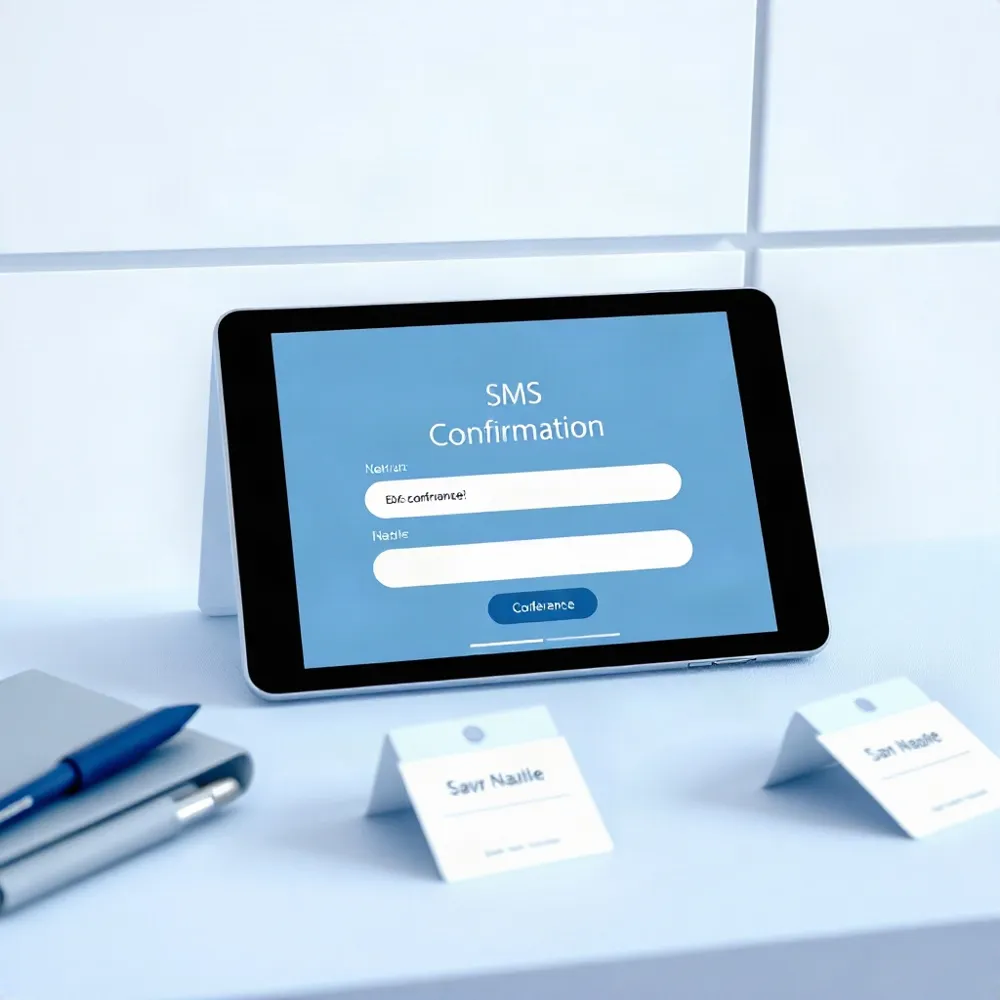
Event management software has evolved far beyond email and calendar invites. Modern platforms blend automated messaging, targeted reminders, and real-time analytics into a single interface. For many organizations, the shift to SMS-based event management is less about technology trends and more about practical results: faster RSVPs, higher attendance, and simpler coordination. A key feature set has emerged across top tools, helping teams move from scattered manual work to streamlined, data-driven campaigns.
Scope. This is about the practical definition of the category: what an event management platform for community-focused organizations (especially nonprofits and educational groups) must handle. It covers the RSVP process, invitations, reminders, and post-event follow-up, plus the data that guides each step.Integration. Integration is the capacity to connect with the tools teams already use, such as CRM systems, email platforms, and calendar apps. A platform that syncs attendance data automatically reduces manual entry errors and gives staff a single source of truth for participant information.Intelligence. Intelligence refers to the analytics and automation that turn raw response data into actionable insight. That includes tracking response rates, identifying peak invite times, and automatically sending reminders to no-shows—converting participation data into better outcomes for the next event.
For event professionals managing multiple gatherings, the difference between a good and a great platform often comes down to how well these three dimensions are balanced. SMS RSVP practices can demonstrate the difference between an invitation that gets opened and one that gets ignored.
Building Your Subscriber List with SMS Groups
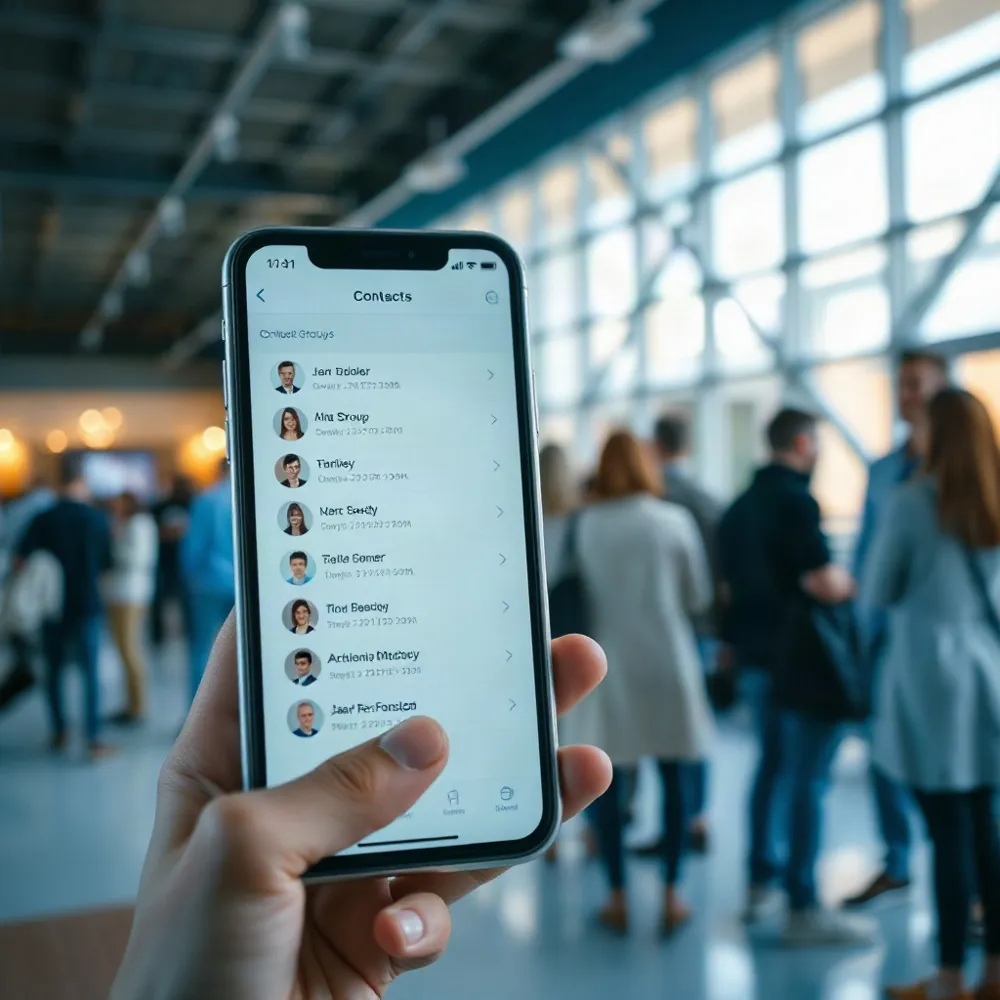
Building a responsive SMS subscriber list starts with organization. Grouping contacts into segmented SMS groups is one of the fastest ways to make your nonprofit's text messaging feel personal and intentional, even when you are messaging hundreds of supporters at once.
Instead of sending one generic message to your entire database, you can tailor your updates to fit different audiences. For instance, you can group by role, such as volunteers, donors, event attendees, or board members. You can also group by interest or engagement level, which helps you send more relevant content. Volunteers receive shift reminders and sign-up links. Donors get targeted giving appeals. Event attendees receive RSVP confirmations and check-in details. Grouping your contacts this way allows you to craft messages that feel like one-on-one conversations rather than broadcast blasts.
Creating SMS Groups from Your Contact Management Section
The fastest way to set up these segments is directly within your contact management section. Most nonprofit SMS platforms, including Evant, let you create groups in just a few clicks. Start by importing your existing contacts and then tagging each person based on their relationship to your organization. You might tag someone as a “monthly donor,” “volunteer,” or “event-alum.” Once your tags are in place, you can save them as reusable groups that you can message anytime.
If you are new to organizing your contacts this way, the Building Your Subscriber List with SMS Groups guide walks through the basics of segmenting from the ground up. The goal is to keep your list clean and current. Remove inactive numbers, and update contact details regularly. A well-maintained list improves your message deliverability and helps you avoid SMS carrier filters.
A Step-by-Step Setup Checklist
- Open your contact management section and select “Create Group.”
- Give the group a clear name, such as “Volunteers 2025” or “Donors: Monthly.”
- Import your contacts or manually add phone numbers.
- Add tags or labels to each contact for future grouping.
- Test the group by sending a simple RSVP message to a few contacts.
- Save the group and set up an automated opt-in keyword for new subscribers.
Once your groups are live, you can pair them with SMS RSVP campaigns to drive attendance and deepen engagement. Since open rates for SMS tend to run high, a well-timed, well-segmented invitation can make a big difference in your event turnout.
| Group Name | Ideal Audience | Message Examples |
|---|---|---|
| Event Attendees | Past RSVPs | "Join us this Saturday at 10 AM – reply YES to confirm." |
| Volunteers | Active volunteers | "Shift reminders: confirm your time by replying CONFIRM." |
| Donors | Recurring givers | "Monthly donor special: reply GIFT for a one-time match." |
The time you invest in structuring your SMS groups pays off immediately. Targeted messages lead to higher RSVP rates, stronger attendance, and more meaningful engagement with your community. Start small, test your messages, and let your group data guide your future campaigns.
The Future of Nonprofit Text Messaging
Text messaging gives nonprofits a direct, personal line to supporters, and the numbers show why it matters. According to the Mobile Marketing Association's 2023 survey, 60% of SMS replies arrive within the first hour, making it a fast and reliable channel for urgent asks and event reminders [citation via SMS RSVP best practices]. For event invitations, effective SMS practices can boost attendance: initial invites go out 2-3 weeks in advance, with reminders sent one week ahead, as strategic SMS event guides recommend.
When crafting an SMS invitation, clarity is the base. The text should include the event name, date, time, and precise location, along with a simple call to action like replying "YES" to attend. Nonprofit SMS invitation guides stress that brevity and a friendly greeting increase response rates, especially for community events.
- Personalize with the recipient's name when possible.
- Keep the message under 160 characters for higher delivery.
- Include a clear opt-out (e.g., "Reply STOP to opt out") to comply with SMS best practices.
- Add a trackable link to your event page for easy RSVP.
Related Blogs



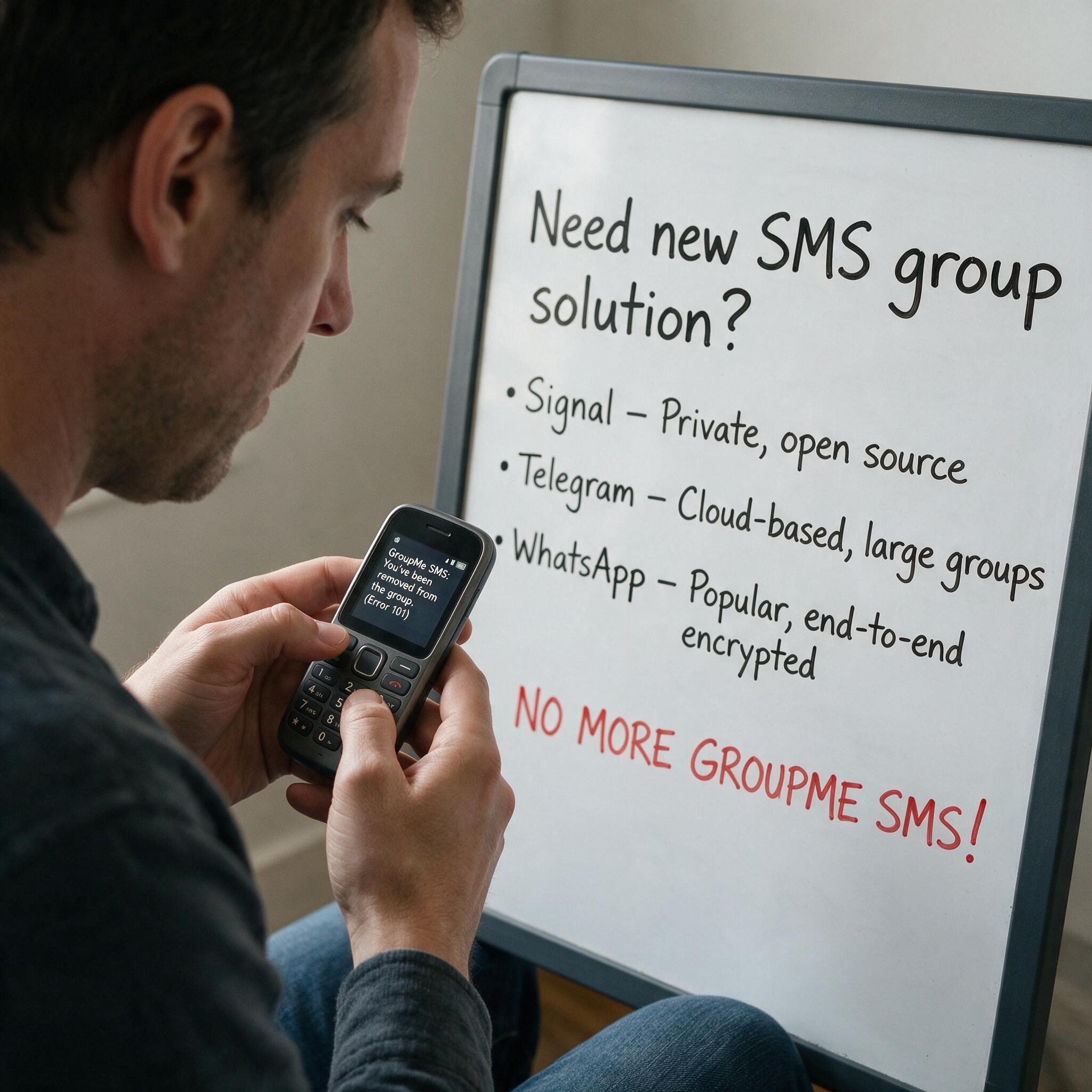
Got Kicked Out of GroupMe? Look to Evant.
Michael PedoeemGot Kicked Out of GroupMe? The Best GroupMe SMS Alternative for Jewish Communities